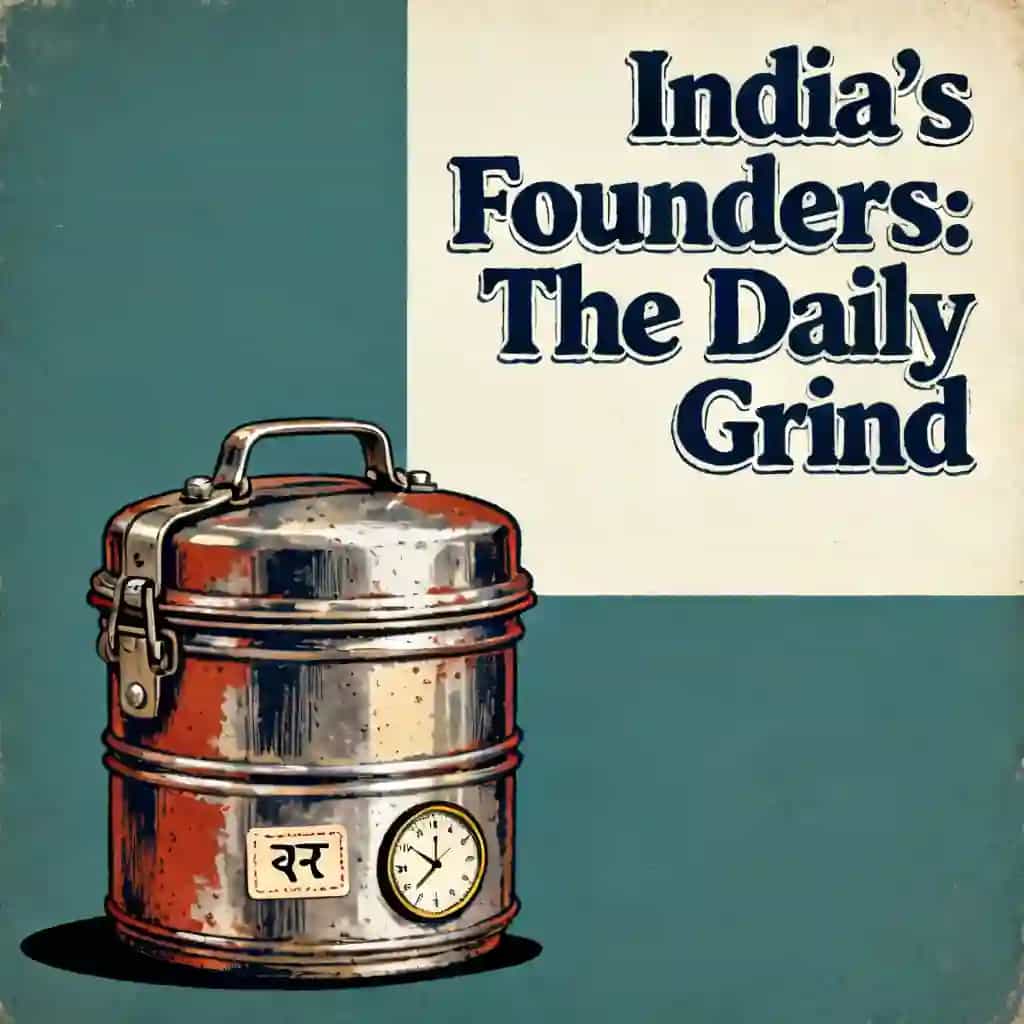
Venture Capital in Indian Startups: Funding, Growth, and Scaling
Explore the role of venture capital in India. Learn about the startup funding landscape, investment strategies, and how VC support drives growth and scaling.

Mejor cita de Venture Capital in Indian Startups: Funding, Growth, and Scaling
The bar for what’s fundable has moved. We’re seeing a massive pivot toward capital-efficient growth and disciplined unit economics, shifting the focus from growth-at-all-costs to durable value creation.
Generated by VIKASH KUMAR JAIN
Examining the role of venture capital in Indian startups, including the funding landscape, investment strategies, and the importance of VC support for growth and scaling.


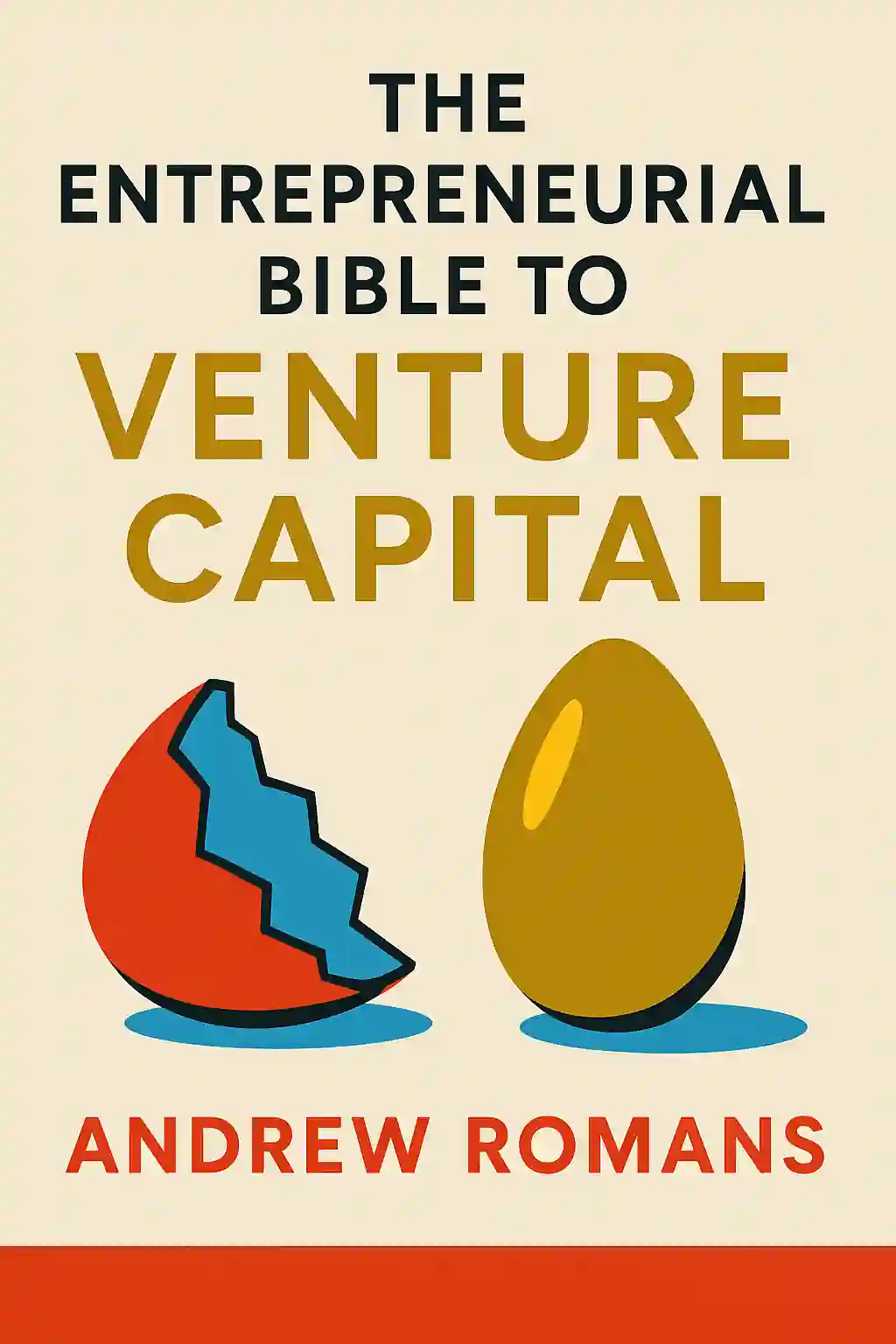



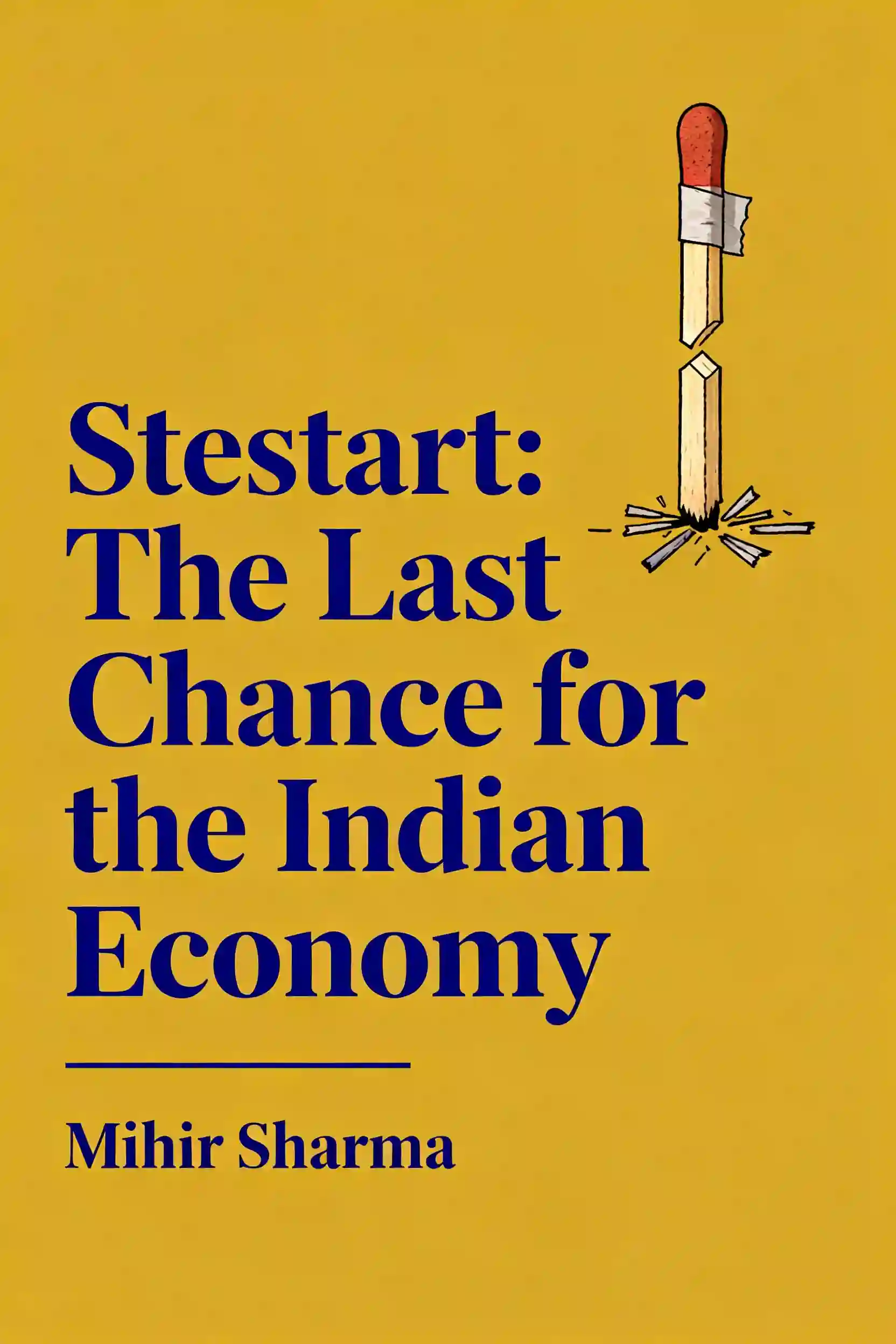
Preguntas frecuentes
The venture capital landscape in India is a dynamic component of the broader Indian startup ecosystem. It involves a diverse range of investors focusing on various stages of business development, from seed funding to late-stage growth. Current trends show a sophisticated approach to capital allocation, where investors prioritize sustainable business models. This landscape is essential for providing the necessary liquidity that allows innovative Indian startups to compete on a global scale while navigating local market complexities.
Venture capital support for growth goes far beyond just providing financial resources. VCs offer strategic mentorship, industry connections, and operational expertise that are critical for scaling Indian startups effectively. By leveraging the experience of venture capitalists, founders can navigate the challenges of rapid expansion, optimize their organizational structures, and implement robust investment strategies. This partnership is often the catalyst that transforms a local startup into a market leader within the competitive Indian economy.
Investment strategies in the Indian startup ecosystem vary depending on the sector and the maturity of the company. Many venture capital firms in India focus on identifying high-growth potential in tech-enabled sectors, utilizing data-driven approaches to mitigate risk. Common strategies include sector-specific focusing, co-investment with other firms to spread risk, and providing follow-on funding to successful portfolio companies. These strategies are designed to support long-term value creation and ensure that startups have the capital needed at every stage of their journey.
Creado por exalumnos de la Universidad de Columbia en San Francisco
"Instead of endless scrolling, I just hit play on BeFreed. It saves me so much time."


"I never knew where to start with nonfiction—BeFreed’s book lists turned into podcasts gave me a clear path."


"Perfect balance between learning and entertainment. Finished ‘Thinking, Fast and Slow’ on my commute this week."
"Crazy how much I learned while walking the dog. BeFreed = small habits → big gains."
"Reading used to feel like a chore. Now it’s just part of my lifestyle."

"Feels effortless compared to reading. I’ve finished 6 books this month already."
"BeFreed turned my guilty doomscrolling into something that feels productive and inspiring."

"BeFreed turned my commute into learning time. 20-min podcasts are perfect for finishing books I never had time for."
"BeFreed replaced my podcast queue. Imagine Spotify for books — that’s it. 🙌"

"It is great for me to learn something from the book without reading it."
"The themed book list podcasts help me connect ideas across authors—like a guided audio journey."
"Makes me feel smarter every time before going to work"
Creado por exalumnos de la Universidad de Columbia en San Francisco
"Instead of endless scrolling, I just hit play on BeFreed. It saves me so much time."
"I never knew where to start with nonfiction—BeFreed’s book lists turned into podcasts gave me a clear path."
"Perfect balance between learning and entertainment. Finished ‘Thinking, Fast and Slow’ on my commute this week."
"Crazy how much I learned while walking the dog. BeFreed = small habits → big gains."
"Reading used to feel like a chore. Now it’s just part of my lifestyle."
"Feels effortless compared to reading. I’ve finished 6 books this month already."
"BeFreed turned my guilty doomscrolling into something that feels productive and inspiring."
"BeFreed turned my commute into learning time. 20-min podcasts are perfect for finishing books I never had time for."
"BeFreed replaced my podcast queue. Imagine Spotify for books — that’s it. 🙌"
"It is great for me to learn something from the book without reading it."
"The themed book list podcasts help me connect ideas across authors—like a guided audio journey."
"Makes me feel smarter every time before going to work"
"Instead of endless scrolling, I just hit play on BeFreed. It saves me so much time."
"I never knew where to start with nonfiction—BeFreed’s book lists turned into podcasts gave me a clear path."
"Perfect balance between learning and entertainment. Finished ‘Thinking, Fast and Slow’ on my commute this week."
"Crazy how much I learned while walking the dog. BeFreed = small habits → big gains."
"Reading used to feel like a chore. Now it’s just part of my lifestyle."
"Feels effortless compared to reading. I’ve finished 6 books this month already."
"BeFreed turned my guilty doomscrolling into something that feels productive and inspiring."
"BeFreed turned my commute into learning time. 20-min podcasts are perfect for finishing books I never had time for."
"BeFreed replaced my podcast queue. Imagine Spotify for books — that’s it. 🙌"
"It is great for me to learn something from the book without reading it."
"The themed book list podcasts help me connect ideas across authors—like a guided audio journey."
"Makes me feel smarter every time before going to work"
"Instead of endless scrolling, I just hit play on BeFreed. It saves me so much time."
"I never knew where to start with nonfiction—BeFreed’s book lists turned into podcasts gave me a clear path."
"Perfect balance between learning and entertainment. Finished ‘Thinking, Fast and Slow’ on my commute this week."
"Crazy how much I learned while walking the dog. BeFreed = small habits → big gains."
"Reading used to feel like a chore. Now it’s just part of my lifestyle."
"Feels effortless compared to reading. I’ve finished 6 books this month already."
"BeFreed turned my guilty doomscrolling into something that feels productive and inspiring."
"BeFreed turned my commute into learning time. 20-min podcasts are perfect for finishing books I never had time for."
"BeFreed replaced my podcast queue. Imagine Spotify for books — that’s it. 🙌"
"It is great for me to learn something from the book without reading it."
"The themed book list podcasts help me connect ideas across authors—like a guided audio journey."
"Makes me feel smarter every time before going to work"