Home security privacy and why your cameras are watching
Smart cameras are supposed to keep us safe, but they often trade our data for convenience. Learn how to spot hidden risks and reclaim your privacy.

Mejor cita de Home security privacy and why your cameras are watching
Privacy isn't about secrecy; it’s about control. It’s about being the one who decides who gets to see your life.

Esta lección de audio fue creada por un miembro de la comunidad BeFreed
How home security systems are coming under scrutiny due to privacy concerns and what you can do


Preguntas frecuentes
Manufacturers frequently subsidize the cost of hardware because the devices function as data collection nodes. A high-end smart TV may be sold at a significant discount because the company generates ongoing revenue by tracking and selling your viewing habits and personal data. In the world of smart home technology, if you aren't paying a premium for the product, your private data and behavioral patterns often become the actual product being sold to third parties.
The attack surface refers to the total number of points where an unauthorized user can try to enter a digital environment. In a smart home, every connected device—from a cheap smart bulb to a thermostat—is a potential entry point. A cascading breach occurs when a hacker exploits a weak link, such as a device with factory-default credentials like "admin," and uses that access to move through your home network to reach sensitive data, such as private security camera footage or financial information on a laptop.
To avoid cloud dependency, you should look for devices that support local storage, such as those with microSD card slots or those that connect to a Network Attached Storage (NAS) device. Brands like Reolink and Lorex allow footage to stay on your own hardware inside your home. Additionally, you can look for "Edge AI" processing, where the camera analyzes data locally rather than sending it to the cloud, or use open-source encryption protocols that ensure the manufacturer does not have the "keys" to view your video.
Historically, some companies like Ring shared footage with police without a warrant during "emergency situations," though policies have recently shifted to require a warrant or court order for most requests. However, users can still be caught in "geofence warrants," where police request data on every device present in a specific area at a specific time. To maintain control, users should opt out of "Community Alerts" or "Police Request" programs within their device settings and choose brands that utilize end-to-end encryption, making it technologically impossible for the company to provide footage to authorities.
Effective "network hygiene" starts with isolating smart devices on a separate "Guest Network" or VLAN so they cannot communicate with your primary computers. You should also ensure every account has a unique, complex password and that Multi-Factor Authentication (MFA) is enabled to block credential-stuffing attacks. Finally, check your app settings to disable audio recording if it isn't needed and set up "Privacy Zones" to mask out sensitive areas like a neighbor's property or public sidewalks.
Descubre más

Privacy Signal: US Laws & Digital Dignity
In an era where personal data is the world's most valuable commodity, understanding your legal and digital rights is essential for survival. This plan is designed for concerned citizens, tech professionals, and advocates who want to move beyond basic security to achieve true digital dignity and legal literacy.

The Digital Power Grab
In an era where data is the new oil, understanding the intersection of technology and political power is essential for maintaining democratic integrity. This plan is designed for policy advocates, tech ethics students, and concerned citizens who want to understand how surveillance capitalism reshapes our social and political institutions.
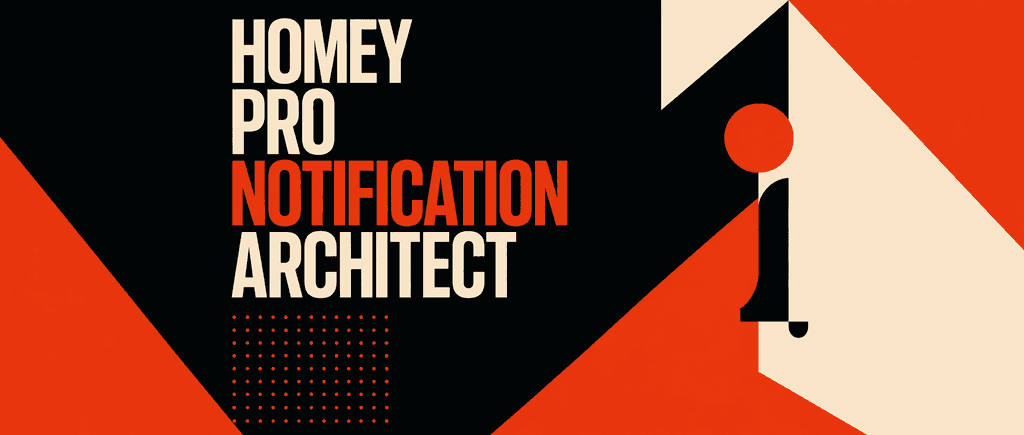
Homey Pro Notification Architect
This plan is essential for smart home enthusiasts looking to move beyond basic alerts to a professional-grade security and notification ecosystem. It is ideal for Homey Pro users who want to master advanced logic and hardware integration to protect their homes effectively.

Orchestrating the Intelligent Home
This plan is designed for smart home enthusiasts looking to transition from basic app-based rules to professional-grade automation logic. It bridges the gap between simple device control and a truly intelligent, context-aware living environment.

Mental Self-Defense and Manipulation Detection
In an era of increasing psychological influence, protecting your mental autonomy is essential for personal and professional safety. This guide is designed for professionals and digital citizens who want to sharpen their intuition and build robust defenses against predatory behavior.

Photography
Photography is an essential skill in our visual-first world, valuable for creative professionals, content creators, entrepreneurs, and anyone wanting to preserve memories with artistry. This comprehensive learning plan takes you from understanding basic technical controls to developing a professional photographer's eye and workflow, combining timeless principles with cutting-edge tools to help you create images that truly stand out.
Ethics and technology
As technology increasingly shapes every aspect of our lives—from AI decision-making to data surveillance—understanding its ethical implications has become essential for informed citizenship and professional responsibility. This learning plan is valuable for technologists, policymakers, business leaders, and engaged citizens who want to think critically about technology's societal impact and contribute to building a future where innovation serves human flourishing rather than undermining it.
AI: weigh benefits & risks
As AI rapidly transforms every sector from healthcare to education, understanding its true potential and risks has become essential for informed citizenship and professional relevance. This learning plan equips anyone—whether business leaders, policymakers, students, or concerned citizens—with the critical thinking framework needed to navigate our AI-integrated future responsibly and effectively.
Creado por exalumnos de la Universidad de Columbia en San Francisco
"Instead of endless scrolling, I just hit play on BeFreed. It saves me so much time."


"I never knew where to start with nonfiction—BeFreed’s book lists turned into podcasts gave me a clear path."


"Perfect balance between learning and entertainment. Finished ‘Thinking, Fast and Slow’ on my commute this week."
"Crazy how much I learned while walking the dog. BeFreed = small habits → big gains."
"Reading used to feel like a chore. Now it’s just part of my lifestyle."

"Feels effortless compared to reading. I’ve finished 6 books this month already."
"BeFreed turned my guilty doomscrolling into something that feels productive and inspiring."

"BeFreed turned my commute into learning time. 20-min podcasts are perfect for finishing books I never had time for."
"BeFreed replaced my podcast queue. Imagine Spotify for books — that’s it. 🙌"

"It is great for me to learn something from the book without reading it."
"The themed book list podcasts help me connect ideas across authors—like a guided audio journey."
"Makes me feel smarter every time before going to work"
Creado por exalumnos de la Universidad de Columbia en San Francisco
"Instead of endless scrolling, I just hit play on BeFreed. It saves me so much time."
"I never knew where to start with nonfiction—BeFreed’s book lists turned into podcasts gave me a clear path."
"Perfect balance between learning and entertainment. Finished ‘Thinking, Fast and Slow’ on my commute this week."
"Crazy how much I learned while walking the dog. BeFreed = small habits → big gains."
"Reading used to feel like a chore. Now it’s just part of my lifestyle."
"Feels effortless compared to reading. I’ve finished 6 books this month already."
"BeFreed turned my guilty doomscrolling into something that feels productive and inspiring."
"BeFreed turned my commute into learning time. 20-min podcasts are perfect for finishing books I never had time for."
"BeFreed replaced my podcast queue. Imagine Spotify for books — that’s it. 🙌"
"It is great for me to learn something from the book without reading it."
"The themed book list podcasts help me connect ideas across authors—like a guided audio journey."
"Makes me feel smarter every time before going to work"
"Instead of endless scrolling, I just hit play on BeFreed. It saves me so much time."
"I never knew where to start with nonfiction—BeFreed’s book lists turned into podcasts gave me a clear path."
"Perfect balance between learning and entertainment. Finished ‘Thinking, Fast and Slow’ on my commute this week."
"Crazy how much I learned while walking the dog. BeFreed = small habits → big gains."
"Reading used to feel like a chore. Now it’s just part of my lifestyle."
"Feels effortless compared to reading. I’ve finished 6 books this month already."
"BeFreed turned my guilty doomscrolling into something that feels productive and inspiring."
"BeFreed turned my commute into learning time. 20-min podcasts are perfect for finishing books I never had time for."
"BeFreed replaced my podcast queue. Imagine Spotify for books — that’s it. 🙌"
"It is great for me to learn something from the book without reading it."
"The themed book list podcasts help me connect ideas across authors—like a guided audio journey."
"Makes me feel smarter every time before going to work"
"Instead of endless scrolling, I just hit play on BeFreed. It saves me so much time."
"I never knew where to start with nonfiction—BeFreed’s book lists turned into podcasts gave me a clear path."
"Perfect balance between learning and entertainment. Finished ‘Thinking, Fast and Slow’ on my commute this week."
"Crazy how much I learned while walking the dog. BeFreed = small habits → big gains."
"Reading used to feel like a chore. Now it’s just part of my lifestyle."
"Feels effortless compared to reading. I’ve finished 6 books this month already."
"BeFreed turned my guilty doomscrolling into something that feels productive and inspiring."
"BeFreed turned my commute into learning time. 20-min podcasts are perfect for finishing books I never had time for."
"BeFreed replaced my podcast queue. Imagine Spotify for books — that’s it. 🙌"
"It is great for me to learn something from the book without reading it."
"The themed book list podcasts help me connect ideas across authors—like a guided audio journey."
"Makes me feel smarter every time before going to work"