BeFreed
    Categories>Psychology>Healing from trauma when peace feels like a threat

    Healing from trauma when peace feels like a threat

    41 min
    |
    |
    8 abr 2026
    PsychologyPersonal DevelopmentHealth

    Leaving chaos is only the first step. Learn why your nervous system stays on high alert and how to retrain your brain to accept safety and quiet.

    Healing from trauma when peace feels like a threat

    Mejor cita de Healing from trauma when peace feels like a threat

    “

    Healing isn't about going back to who you were; it’s about becoming someone new who can finally tolerate being okay. For a nervous system used to constant chaos, peace can actually feel like a threat.

    ”

    Esta lección de audio fue creada por un miembro de la comunidad BeFreed

    Pregunta de entrada

    Healing from domestic violence and ptsd. Learning to be ok with healthy and not chaos

    Voces del presentador
    Blytheplay
    Niaplay
    Estilo de aprendizaje
    Profundo
    Fuentes de conocimiento
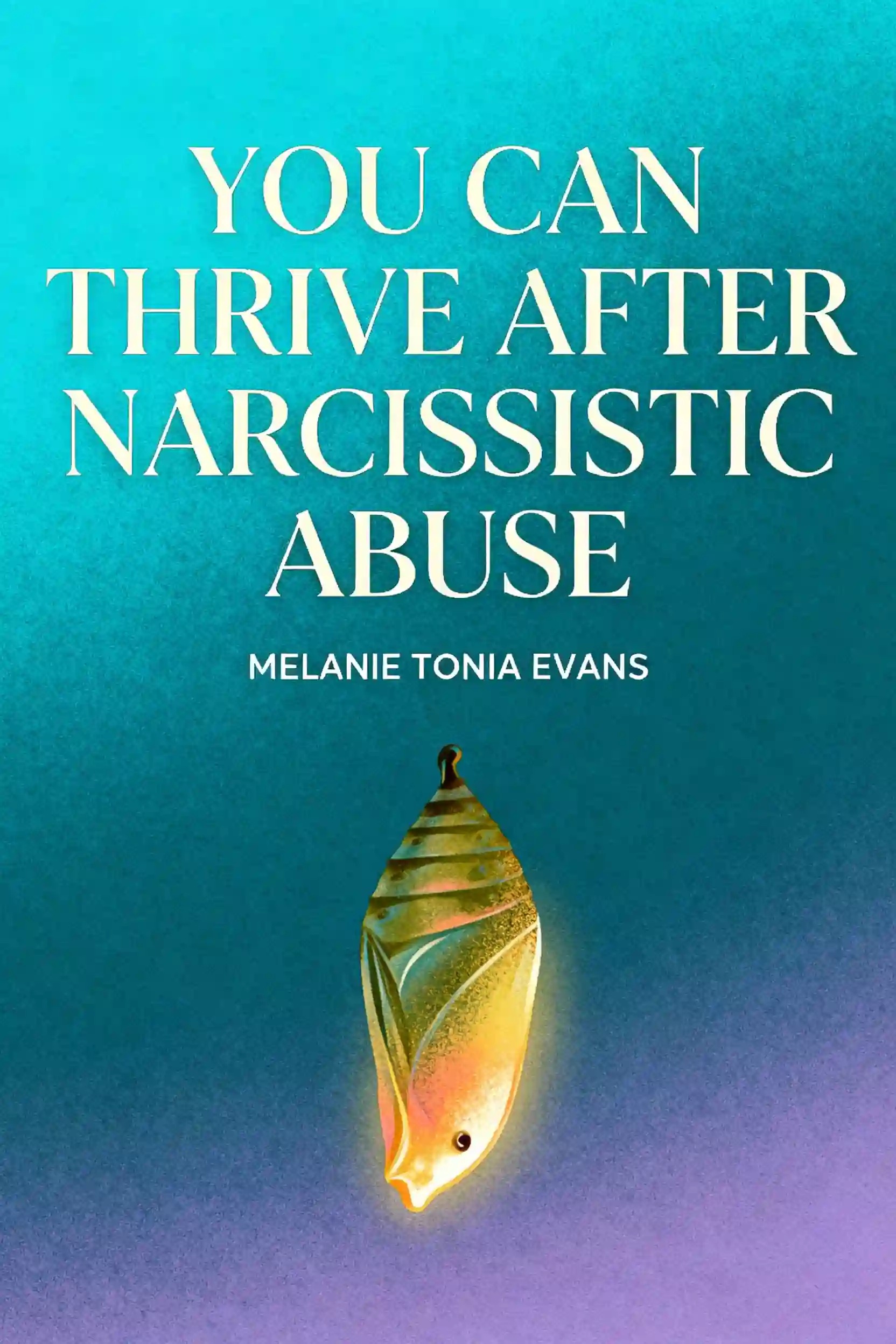
    You Can Thrive After Narcissistic Abuse
    POWER
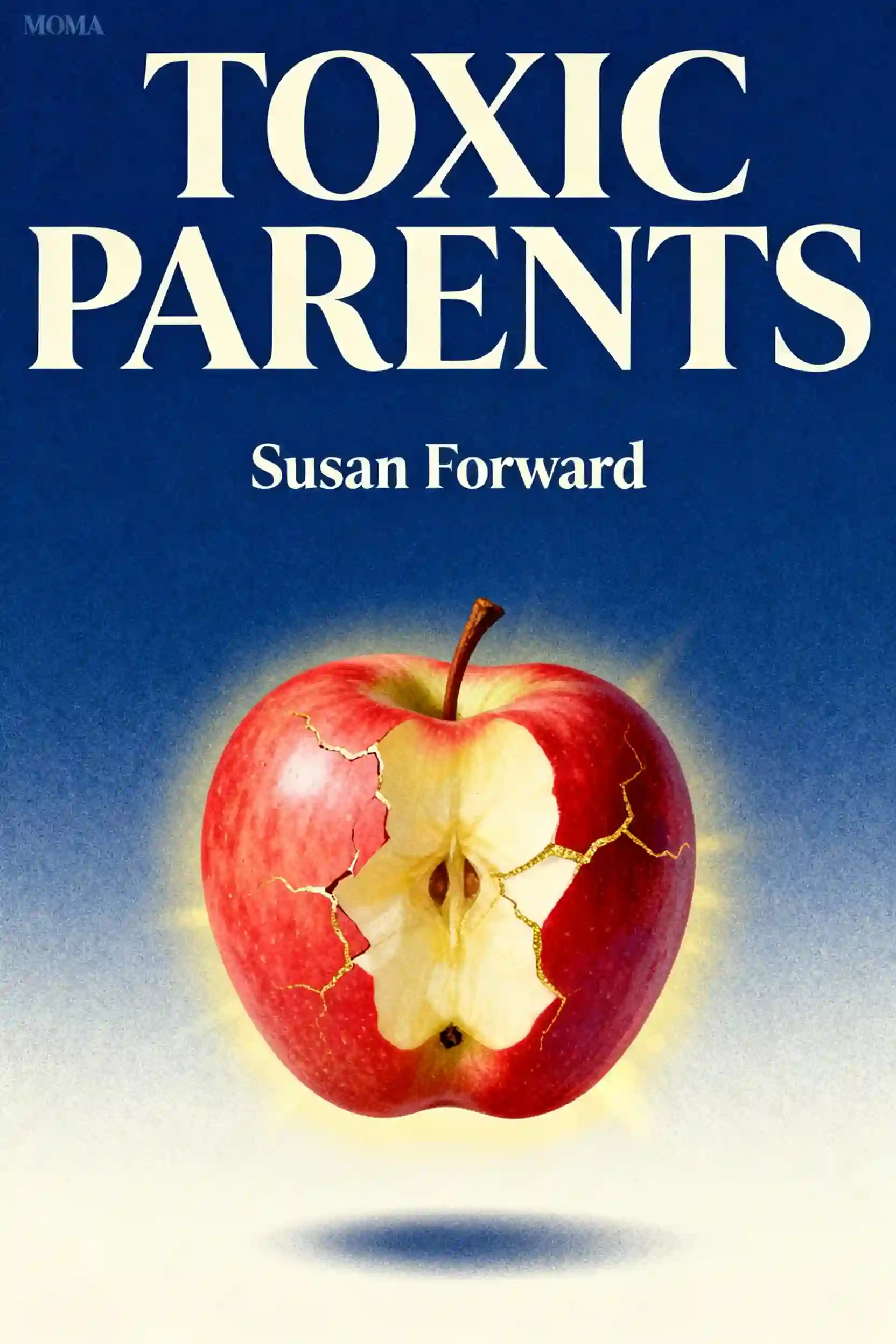
    Toxic Parents
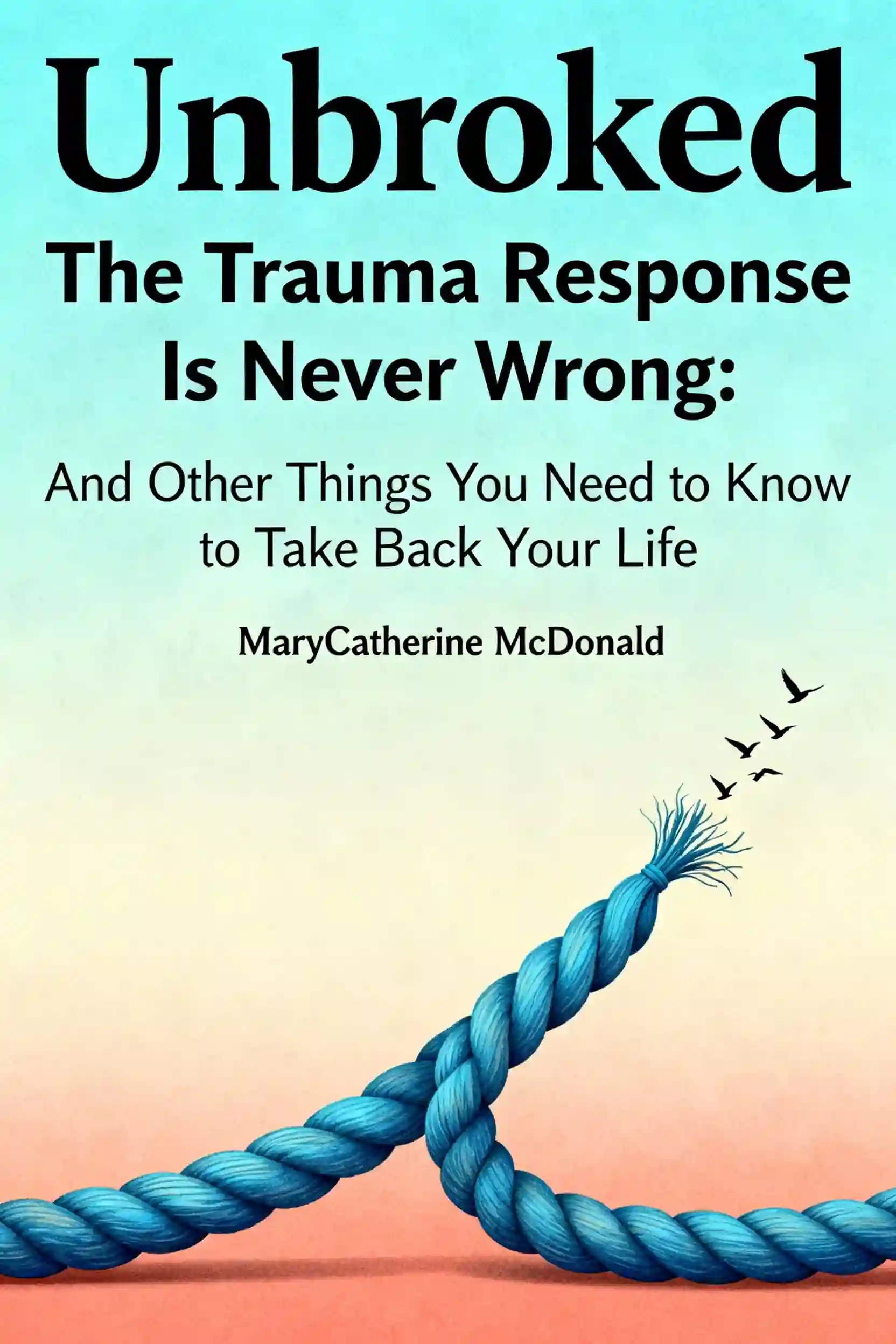
    Unbroken
    How to Do the Work
    It's My Life Now

    Preguntas frecuentes

    Descubre más

    Heal trauma to regain control

    Heal trauma to regain control

    PLAN DE APRENDIZAJE

    Heal trauma to regain control

    This learning plan is essential for anyone struggling with the lasting effects of trauma who feels stuck in survival mode or disconnected from their body. It's particularly valuable for those who've tried traditional therapy but still experience triggers, hypervigilance, or emotional numbness, offering a comprehensive approach that addresses trauma where it lives—in the nervous system and body.

    2 h 31 m•4 Secciones
    Healing from childhood trauma

    Healing from childhood trauma

    PLAN DE APRENDIZAJE

    Healing from childhood trauma

    This learning plan is designed for anyone whose early experiences continue to impact their emotional well-being, relationships, and sense of safety in the world. Whether you struggle with anxiety, hypervigilance, relationship patterns, or feeling stuck in survival mode, this comprehensive approach combines neuroscience-based understanding with practical healing tools to help you reclaim your life from the effects of childhood trauma.

    2 h 1 m•4 Secciones
    Heal my nervous system

    Heal my nervous system

    PLAN DE APRENDIZAJE

    Heal my nervous system

    This learning plan is essential for anyone experiencing chronic stress, anxiety, or the lingering effects of trauma that manifest as physical tension, emotional dysregulation, or feeling constantly on edge. It's particularly valuable for those who've tried traditional talk therapy alone and are seeking body-based approaches to healing, as well as anyone wanting to understand the physiological roots of their stress responses and develop practical tools for lasting nervous system regulation.

    2 h 5 m•4 Secciones
    I want to learn how to heal from trauma.

    I want to learn how to heal from trauma.

    PLAN DE APRENDIZAJE

    I want to learn how to heal from trauma.

    This plan is essential for survivors and wellness advocates seeking a body-based approach to recovery beyond traditional talk therapy. It provides a structured path for anyone looking to regulate their nervous system and build a resilient future after adversity.

    2 h 9 m•4 Secciones
    Heal attachment, set boundaries & slow down

    Heal attachment, set boundaries & slow down

    PLAN DE APRENDIZAJE

    Heal attachment, set boundaries & slow down

    This plan is designed for individuals seeking to break cycles of relational stress and nervous system burnout. It is ideal for anyone ready to heal childhood wounds, set healthier boundaries, and embrace a slower, more intentional pace of life.

    3 h 34 m•4 Secciones
    Manage ADHD/PTSD challenges

    Manage ADHD/PTSD challenges

    PLAN DE APRENDIZAJE

    Manage ADHD/PTSD challenges

    Living with ADHD and PTSD can feel overwhelming, but understanding how your brain works and having the right tools can transform your daily experience. This learning plan is designed for anyone managing the intersection of ADHD and trauma who wants to move beyond survival mode into genuine healing and thriving, using evidence-based approaches that honor both neurodivergence and trauma recovery.

    1 h 54 m•4 Secciones
    Letting go of past hurts, forgiving the people who hurt you, learning to heal mentally and emotionally

    Letting go of past hurts, forgiving the people who hurt you, learning to heal mentally and emotionally

    PLAN DE APRENDIZAJE

    Letting go of past hurts, forgiving the people who hurt you, learning to heal mentally and emotionally

    Unresolved emotional wounds can silently control our behaviors, relationships, and life satisfaction. This learning plan provides a structured approach to emotional healing for anyone struggling with past hurts, resentment, or recurring negative patterns that stem from unhealed trauma.

    1 h 58 m•4 Secciones
    Reset out of survival mode

    Reset out of survival mode

    PLAN DE APRENDIZAJE

    Reset out of survival mode

    Modern life often leaves individuals trapped in a cycle of chronic stress and hypervigilance that mimics a survival state. This plan is essential for anyone feeling burnt out or stuck in reactive patterns, providing the biological insight and regulation tools needed to reclaim a sense of safety.

    2 h 55 m•4 Secciones

    Creado por exalumnos de la Universidad de Columbia en San Francisco

    BeFreed Reúne a una Comunidad Global de 1,000,000 Mentes Curiosas
    Ver más sobre cómo se habla de BeFreed en la web

    "Instead of endless scrolling, I just hit play on BeFreed. It saves me so much time."

    @Moemenn
    platform
    star
    star
    star
    star
    star

    "I never knew where to start with nonfiction—BeFreed’s book lists turned into podcasts gave me a clear path."

    @Chloe, Solo founder, LA
    platform
    comments
    12
    likes
    117

    "Perfect balance between learning and entertainment. Finished ‘Thinking, Fast and Slow’ on my commute this week."

    @Raaaaaachelw
    platform
    star
    star
    star
    star
    star

    "Crazy how much I learned while walking the dog. BeFreed = small habits → big gains."

    @Matt, YC alum
    platform
    comments
    12
    likes
    108

    "Reading used to feel like a chore. Now it’s just part of my lifestyle."

    @Erin, Investment Banking Associate , NYC
    platform
    comments
    254
    likes
    17

    "Feels effortless compared to reading. I’ve finished 6 books this month already."

    @djmikemoore
    platform
    star
    star
    star
    star
    star

    "BeFreed turned my guilty doomscrolling into something that feels productive and inspiring."

    @Pitiful
    platform
    comments
    96
    likes
    4.5K

    "BeFreed turned my commute into learning time. 20-min podcasts are perfect for finishing books I never had time for."

    @SofiaP
    platform
    star
    star
    star
    star
    star

    "BeFreed replaced my podcast queue. Imagine Spotify for books — that’s it. 🙌"

    @Jaded_Falcon
    platform
    comments
    201
    thumbsUp
    16

    "It is great for me to learn something from the book without reading it."

    @OojasSalunke
    platform
    star
    star
    star
    star
    star

    "The themed book list podcasts help me connect ideas across authors—like a guided audio journey."

    @Leo, Law Student, UPenn
    platform
    comments
    37
    likes
    483

    "Makes me feel smarter every time before going to work"

    @Cashflowbubu
    platform
    star
    star
    star
    star
    star

    Creado por exalumnos de la Universidad de Columbia en San Francisco

    BeFreed Reúne a una Comunidad Global de 1,000,000 Mentes Curiosas
    Ver más sobre cómo se habla de BeFreed en la web

    "Instead of endless scrolling, I just hit play on BeFreed. It saves me so much time."

    @Moemenn
    platform
    star
    star
    star
    star
    star

    "I never knew where to start with nonfiction—BeFreed’s book lists turned into podcasts gave me a clear path."

    @Chloe, Solo founder, LA
    platform
    comments
    12
    likes
    117

    "Perfect balance between learning and entertainment. Finished ‘Thinking, Fast and Slow’ on my commute this week."

    @Raaaaaachelw
    platform
    star
    star
    star
    star
    star

    "Crazy how much I learned while walking the dog. BeFreed = small habits → big gains."

    @Matt, YC alum
    platform
    comments
    12
    likes
    108

    "Reading used to feel like a chore. Now it’s just part of my lifestyle."

    @Erin, Investment Banking Associate , NYC
    platform
    comments
    254
    likes
    17

    "Feels effortless compared to reading. I’ve finished 6 books this month already."

    @djmikemoore
    platform
    star
    star
    star
    star
    star

    "BeFreed turned my guilty doomscrolling into something that feels productive and inspiring."

    @Pitiful
    platform
    comments
    96
    likes
    4.5K

    "BeFreed turned my commute into learning time. 20-min podcasts are perfect for finishing books I never had time for."

    @SofiaP
    platform
    star
    star
    star
    star
    star

    "BeFreed replaced my podcast queue. Imagine Spotify for books — that’s it. 🙌"

    @Jaded_Falcon
    platform
    comments
    201
    thumbsUp
    16

    "It is great for me to learn something from the book without reading it."

    @OojasSalunke
    platform
    star
    star
    star
    star
    star

    "The themed book list podcasts help me connect ideas across authors—like a guided audio journey."

    @Leo, Law Student, UPenn
    platform
    comments
    37
    likes
    483

    "Makes me feel smarter every time before going to work"

    @Cashflowbubu
    platform
    star
    star
    star
    star
    star

    "Instead of endless scrolling, I just hit play on BeFreed. It saves me so much time."

    @Moemenn
    platform
    star
    star
    star
    star
    star

    "I never knew where to start with nonfiction—BeFreed’s book lists turned into podcasts gave me a clear path."

    @Chloe, Solo founder, LA
    platform
    comments
    12
    likes
    117

    "Perfect balance between learning and entertainment. Finished ‘Thinking, Fast and Slow’ on my commute this week."

    @Raaaaaachelw
    platform
    star
    star
    star
    star
    star

    "Crazy how much I learned while walking the dog. BeFreed = small habits → big gains."

    @Matt, YC alum
    platform
    comments
    12
    likes
    108

    "Reading used to feel like a chore. Now it’s just part of my lifestyle."

    @Erin, Investment Banking Associate , NYC
    platform
    comments
    254
    likes
    17

    "Feels effortless compared to reading. I’ve finished 6 books this month already."

    @djmikemoore
    platform
    star
    star
    star
    star
    star

    "BeFreed turned my guilty doomscrolling into something that feels productive and inspiring."

    @Pitiful
    platform
    comments
    96
    likes
    4.5K

    "BeFreed turned my commute into learning time. 20-min podcasts are perfect for finishing books I never had time for."

    @SofiaP
    platform
    star
    star
    star
    star
    star

    "BeFreed replaced my podcast queue. Imagine Spotify for books — that’s it. 🙌"

    @Jaded_Falcon
    platform
    comments
    201
    thumbsUp
    16

    "It is great for me to learn something from the book without reading it."

    @OojasSalunke
    platform
    star
    star
    star
    star
    star

    "The themed book list podcasts help me connect ideas across authors—like a guided audio journey."

    @Leo, Law Student, UPenn
    platform
    comments
    37
    likes
    483

    "Makes me feel smarter every time before going to work"

    @Cashflowbubu
    platform
    star
    star
    star
    star
    star

    "Instead of endless scrolling, I just hit play on BeFreed. It saves me so much time."

    @Moemenn
    platform
    star
    star
    star
    star
    star

    "I never knew where to start with nonfiction—BeFreed’s book lists turned into podcasts gave me a clear path."

    @Chloe, Solo founder, LA
    platform
    comments
    12
    likes
    117

    "Perfect balance between learning and entertainment. Finished ‘Thinking, Fast and Slow’ on my commute this week."

    @Raaaaaachelw
    platform
    star
    star
    star
    star
    star

    "Crazy how much I learned while walking the dog. BeFreed = small habits → big gains."

    @Matt, YC alum
    platform
    comments
    12
    likes
    108

    "Reading used to feel like a chore. Now it’s just part of my lifestyle."

    @Erin, Investment Banking Associate , NYC
    platform
    comments
    254
    likes
    17

    "Feels effortless compared to reading. I’ve finished 6 books this month already."

    @djmikemoore
    platform
    star
    star
    star
    star
    star

    "BeFreed turned my guilty doomscrolling into something that feels productive and inspiring."

    @Pitiful
    platform
    comments
    96
    likes
    4.5K

    "BeFreed turned my commute into learning time. 20-min podcasts are perfect for finishing books I never had time for."

    @SofiaP
    platform
    star
    star
    star
    star
    star

    "BeFreed replaced my podcast queue. Imagine Spotify for books — that’s it. 🙌"

    @Jaded_Falcon
    platform
    comments
    201
    thumbsUp
    16

    "It is great for me to learn something from the book without reading it."

    @OojasSalunke
    platform
    star
    star
    star
    star
    star

    "The themed book list podcasts help me connect ideas across authors—like a guided audio journey."

    @Leo, Law Student, UPenn
    platform
    comments
    37
    likes
    483

    "Makes me feel smarter every time before going to work"

    @Cashflowbubu
    platform
    star
    star
    star
    star
    star
    1.5K Ratings4.7
    Comienza tu viaje de aprendizaje, ahora
    BeFreed App
    BeFreed

    Aprende Cualquier Cosa, Personalizado

    DiscordLinkedIn
    Resúmenes de libros destacados
    Crucial ConversationsThe Perfect MarriageInto the WildNever Split the DifferenceAttachedGood to GreatSay Nothing
    Categorías en tendencia
    Self HelpCommunication SkillRelationshipMindfulnessPhilosophyInspirationProductivity
    Lista de lectura de celebridades
    Elon MuskCharlie KirkBill GatesSteve JobsAndrew HubermanJoe RoganJordan Peterson
    Colección premiada
    Pulitzer PrizeNational Book AwardGoodreads Choice AwardsNobel Prize in LiteratureNew York TimesCaldecott MedalNebula Award
    Temas destacados
    ManagementAmerican HistoryWarTradingStoicismAnxietySex
    Mejores libros por año
    2025 Best Non Fiction Books2024 Best Non Fiction Books2023 Best Non Fiction Books
    Autores destacados
    Chimamanda Ngozi AdichieGeorge OrwellO. J. SimpsonBarbara O'NeillWinston ChurchillCharlie Kirk
    BeFreed vs otras apps
    BeFreed vs. Other Book Summary AppsBeFreed vs. ElevenReaderBeFreed vs. ReadwiseBeFreed vs. Anki
    Herramientas de aprendizaje
    Knowledge VisualizerAI Podcast Generator
    Información
    Sobre Nosotrosarrow
    Preciosarrow
    Preguntas Frecuentesarrow
    Blogarrow
    Carrerasarrow
    Asociacionesarrow
    Programa de Embajadoresarrow
    Directorioarrow
    BeFreed
    Try now
    © 2026 BeFreed
    Términos de UsoPolítica de Privacidad
    BeFreed

    Aprende Cualquier Cosa, Personalizado

    DiscordLinkedIn
    Resúmenes de libros destacados
    Crucial ConversationsThe Perfect MarriageInto the WildNever Split the DifferenceAttachedGood to GreatSay Nothing
    Categorías en tendencia
    Self HelpCommunication SkillRelationshipMindfulnessPhilosophyInspirationProductivity
    Lista de lectura de celebridades
    Elon MuskCharlie KirkBill GatesSteve JobsAndrew HubermanJoe RoganJordan Peterson
    Colección premiada
    Pulitzer PrizeNational Book AwardGoodreads Choice AwardsNobel Prize in LiteratureNew York TimesCaldecott MedalNebula Award
    Temas destacados
    ManagementAmerican HistoryWarTradingStoicismAnxietySex
    Mejores libros por año
    2025 Best Non Fiction Books2024 Best Non Fiction Books2023 Best Non Fiction Books
    Herramientas de aprendizaje
    Knowledge VisualizerAI Podcast Generator
    Autores destacados
    Chimamanda Ngozi AdichieGeorge OrwellO. J. SimpsonBarbara O'NeillWinston ChurchillCharlie Kirk
    BeFreed vs otras apps
    BeFreed vs. Other Book Summary AppsBeFreed vs. ElevenReaderBeFreed vs. ReadwiseBeFreed vs. Anki
    Información
    Sobre Nosotrosarrow
    Preciosarrow
    Preguntas Frecuentesarrow
    Blogarrow
    Carrerasarrow
    Asociacionesarrow
    Programa de Embajadoresarrow
    Directorioarrow
    BeFreed
    Try now
    © 2026 BeFreed
    Términos de UsoPolítica de Privacidad

    Puntos clave

    1

    When Peace Feels Like a Threat

    0:00

    Blythe: You know, Nia, I was thinking about how we often celebrate the moment someone finally leaves a difficult situation as the "finish line." But for so many people, that’s actually when a whole different kind of challenge begins—the challenge of silence.

    0:15

    Nia: That is so true. It’s counterintuitive, but for a nervous system used to constant chaos, peace can actually feel like a threat. Did you know that 77 percent of domestic violence-related homicides occur upon separation? It’s a staggering statistic that explains why your body stays in high alert even when you’re technically safe.

    0:36

    Blythe: Right, it’s like your internal fire alarm is still screaming long after the fire is out. You’re waiting for the next blow, even when things are finally quiet.

    0:46

    Nia: Exactly. Healing isn't about going back to who you were; it’s about becoming someone new who can finally tolerate being okay. So let's dive into how we can start retraining our brains to recognize that quiet isn't a sign of danger, but a sign of safety.

    2

    The Internal Blueprint of Complex Trauma

    1:03

    Blythe: It’s so interesting you say that, Nia, about becoming someone new who can finally tolerate being okay. Because if your "normal" for years was walking on eggshells, then a solid floor feels suspicious, right? I was diving into some of the research on this—specifically looking at how chronic trauma differs from a single scary event—and the term that kept popping up was Complex PTSD, or C-PTSD. It’s not just about one bad day; it’s about a long-term environment where escape felt impossible.

    1:33

    Nia: You’ve hit on the core of it. C-PTSD was recently officially recognized by the World Health Organization in their latest classification, the ICD-11, and it really changes how we look at recovery. While standard PTSD is often described as a disorder of memory and fear, C-PTSD is more about a disturbance in "self-organization." It’s a fancy way of saying the trauma didn't just give you nightmares—it actually reshaped your identity, your emotions, and how you connect with others.

    1:59

    Blythe: So, it’s like the trauma didn't just happen to you; it moved in and started redecorating the whole house?

    2:05

    Nia: That’s a perfect way to put it. And because it moved in, it affected the very foundation of how you see yourself. One of the most heartbreaking parts of C-PTSD is what researchers call a "negative self-concept." You don’t just feel like something bad happened; you feel like *you* are bad. You might feel permanently damaged, worthless, or burdened by a level of shame that has nothing to do with anything you actually did. It’s a survival mechanism from childhood or long-term captivity—if you blame yourself, it gives you a tiny, albeit painful, sense of control in an uncontrollable situation.

    2:35

    Blythe: That makes so much sense, even though it’s incredibly heavy. If a child's caregiver is the source of danger, the child can’t accept that the parent is "bad" because they need that parent to survive. So, they internalize the "badness" to keep the relationship viable. But then they carry that into adulthood, and suddenly, when they finally find a healthy partner or a quiet life, that internal voice is screaming that they don’t deserve it.

    0:46

    Nia: Exactly. And that’s where the "chaos" part comes in. If you feel inherently flawed, then a healthy, peaceful environment feels "wrong." It creates this internal dissonance. The research shows that survivors often struggle with "affective dysregulation"—which is basically an invisible rollercoaster of emotions. You might have these "emotional flashbacks" where you suddenly feel the exact terror or helplessness you felt years ago, but without a clear visual memory. You’re just flooded with the feeling, and your brain looks around the room for a reason to feel that way.

    3:34

    Blythe: Oh, wow. So if I’m in a quiet living room and I suddenly feel a wave of sheer panic because of an emotional flashback, my brain might actually try to *create* a problem or pick a fight just to make the outside world match the inside feeling?

    3:49

    Nia: You nailed it. That is exactly how the cycle of chaos persists even after the physical danger is gone. It’s a process of "becoming unstuck," as one participant in a recent Australian study described it. They used this amazing metaphor of pouring boiling water over instant noodles. At first, it’s just hot and uncomfortable and everything is moving and shifting in a way that feels overwhelming. But that’s the process of the "stuck" parts finally softening and changing shape.

    4:16

    Blythe: I love that noodle metaphor. It acknowledges that the "thawing out" process isn't exactly pleasant. It’s messy. And the study you’re talking about—the one evaluating the s-CAPE program in New South Wales—really emphasized that recovery isn't a straight line. It’s more like "one step forward, two steps back," or a series of wins and griefs happening at the same time.

    4:38

    Nia: It really is. The s-CAPE program is actually Australia’s first women’s only, trauma-focused clinical setting, and they found that the most effective way to help people "unstick" was a holistic approach. It wasn't just talk therapy; it was nutritional therapy, art, pet therapy, and even trauma-informed exercise. Because trauma is stored in the body—the "body keeps the score," as the famous saying goes—you can’t just think your way out of it. You have to move your way out of it, eat your way out of it, and create your way out of it.

    5:09

    Blythe: And it sounds like a big part of that is also learning to trust again, which has to be the hardest part of the whole puzzle. If your trauma was relational—meaning it was caused by a person you were supposed to be able to trust—how do you even begin to look at a healthcare provider or a new friend without a shield up?

    5:25

    Nia: That’s the "Trust Barrier." For survivors, the world is often perceived as a fundamentally dangerous place. The s-CAPE study found that many women were actually retraumatized by standard mental health services before they found this specialized care. They felt dismissed, invalidated, or over-medicated. One participant mentioned being on medication for nine years that they didn't even need, which just made them feel more disempowered. Real healing starts when the "power imbalance" is corrected—when the practitioner becomes a partner rather than an authority figure barking orders.

    3

    The Body's Secret Language of Survival

    5:59

    Blythe: You know, Nia, we were talking about how trauma "moves in" and redecorates, but I think it’s also important to talk about how it literally changes the wiring of the physical house—the nervous system. I was reading about how some survivors don’t even know what "safety" feels like. They might think they’re safe because there are no "bombs going off," as one woman in the s-CAPE study put it, but they don’t understand the concept of emotional or psychological safety.

    6:24

    Nia: That is a huge hurdle. If your body has been in "fight, flight, or freeze" mode for a decade, your baseline is hyper-arousal. You’re constantly scanning for exits, watching people’s micro-expressions, jumping at loud noises. Your nervous system is basically a high-performance sports car that’s been idling at redline for years. When you finally turn the engine off, the silence is deafening. It feels like a void.

    6:48

    Blythe: And that hyper-vigilance isn't a choice; it’s a biological imperative. I read that even in safe environments, survivors often have an exaggerated startle response or trouble concentrating because their brain is still prioritizing "threat detection" over everything else. It’s like trying to do your taxes while a tiger is pacing in the corner of the room. Your brain doesn't care about the taxes; it only cares about the tiger.

    0:46

    Nia: Exactly. And for many, the "tiger" is the memory of the abuse, which can trigger those physical symptoms—heart pounding, sweating, tremors—even when nothing is happening. This is why the s-CAPE program and other trauma-informed models emphasize "stabilization" first. You can’t dive into the "why" of your trauma if you’re currently having a panic attack. You have to learn how to put the brakes on the nervous system first.

    7:36

    Blythe: Which brings us back to the body. I was fascinated to see how much the participants in the study valued the trauma-informed exercise programs. They mentioned that it didn't matter if they could barely walk or if they were a personal trainer—the focus was on "reclaiming" the body in a gentle way. It wasn't about hitting a goal or looking a certain way; it was about learning that your body can move without being in pain or under threat.

    8:01

    Nia: It’s about building "somatic" awareness. Many survivors "dissociate" or go numb to survive the pain. They basically move out of their bodies and live entirely in their heads. Re-entry is scary! Suddenly you’re feeling the tension in your shoulders, the pit in your stomach, the shaky hands. But the study showed that as women started to connect with their bodies through things like swimming or yoga, they also started to connect with their emotions. They moved from being "numb" to being "vulnerable," and while that’s uncomfortable, it’s where the healing happens.

    8:34

    Blythe: It’s like the body is the gateway. I noticed that several participants mentioned that their physical health improvements—like better sleep or more energy from nutritional therapy—actually made them more "alert" and "present." And being present is the opposite of being traumatized, right? Because trauma is essentially being stuck in the past.

    8:52

    Nia: That’s a beautiful way to put it. Traumatic stress is a "bottom-up" physiological problem. It starts in the primitive parts of the brain—the amygdala and the brainstem—and it overrides the logical, "top-down" thinking parts. That’s why you can’t just tell yourself to "calm down." Your prefrontal cortex is offline! You have to use "bottom-up" techniques—breathing, grounding, movement—to tell the primitive brain that the war is over.

    9:15

    Blythe: And speaking of the logical brain being offline, I think that’s why "psychoeducation" is so vital. One woman in the study said that just understanding that her response was a "normal response to a horrible life" was one of the most beneficial parts of her treatment. It shifted the narrative from "I’m a moral failure" to "My brain is trying to protect me." That’s a massive shift in self-compassion.

    4:38

    Nia: It really is. It moves the needle from shame to empowerment. When you realize that your irritability, your "black and white" thinking, or your urge to isolate are actually survival skills that just aren't needed anymore, you can start to thank those parts of yourself and then ask them to step aside. It’s like a soldier coming home and realizing they don’t need to carry their rifle to the grocery store. It served a purpose once, but now it’s just heavy.

    10:06

    Blythe: I love that. And it’s not just about the individual, right? The social aspect seems huge. Every single participant in that s-CAPE study mentioned social support as a "fundamental benefit." There’s something so powerful about being in a room with other women who just "get it." You don’t have to explain the hyper-vigilance or the shame because they’re feeling it too. It’s "validation through shared experience."

    10:31

    Nia: Absolutely. Isolation is one of the primary tools abusers use to maintain control. So, the act of connecting—of forming "valued friendships" with other survivors—is a direct act of rebellion against the trauma. They talked about "growing just from being together." They could see the progress in each other even when they couldn't see it in themselves. It’s like they were holding up mirrors for one another, saying, "Look how far you’ve come."

    10:55

    Blythe: But it’s not always easy, is it? The study also mentioned that being around other traumatized people can be "emotionally taxing." You have all these "nervous systems walking around that cannot regulate," as one participant put it. It’s like a room full of tuning forks—if one starts vibrating with anxiety, everyone else starts to pick it up.

    11:16

    Nia: That’s the "challenge of the group dynamic." It requires a lot of boundaries. Learning to regulate yourself while also being in connection with others is like the "advanced level" of recovery. But that’s what real life is! Real life is messy and people are dysregulated. If you can learn to stay grounded in a therapeutic group, you’re building the muscles you need to stay grounded in a healthy relationship out in the world. It’s practice for the "quiet" that we’re all trying to get used to.

    4

    Rewriting the Script of Worthiness

    11:46

    Blythe: Nia, we’ve talked a lot about the body and the brain, but I want to circle back to that idea of "shame." In almost every source we’ve looked at—from the s-CAPE study to the essays on surviving narcissistic abuse—shame is the giant elephant in the room. It’s that voice that says, "You stayed too long," or "You should have seen the signs," or even "You’re only comfortable in chaos because that’s all you’re worth." How do we start to dismantle that?

    12:13

    Nia: Shame is like a parasite that feeds on silence. The only way to kill it is with light and language. This is why "Cognitive Restructuring" is such a huge part of programs like s-CAPE or Trauma-Focused CBT. It’s about taking those "stuck points"—those unhelpful beliefs like "It was my fault"—and looking at them through a lens of reality. Most survivors are carrying a load of "betrayal trauma." When the person who is supposed to love you hurts you, your brain short-circuits. Blaming yourself is actually a sophisticated, if tragic, attempt to make sense of the senseless.

    12:45

    Blythe: Right, because if it’s my fault, then I can change my behavior and the abuse will stop. If it’s *their* fault and they’re just a dangerous person, then I’m truly powerless. So the "self-blame" was actually a way to maintain a shred of hope. But now, in recovery, that hope has turned into a prison.

    0:46

    Nia: Exactly. And breaking out of that prison requires a massive dose of "self-compassion." One participant in the study said they moved from seeing themselves from a "point of weakness" to a "point of strength." They realized they weren't "lazy" or a "moral failure" for not getting over it faster—they were having a normal response to an abnormal situation. That validation is like a key in a lock. It allows you to finally prioritize yourself, which, for many survivors, feels like a foreign concept.

    13:31

    Blythe: It’s almost like you have to learn a new language. A "secret language of the body," as one of our sources calls it. You have to learn that "rest" isn't "laziness," and "boundaries" aren't "aggression." I think about the women in the study who talked about learning to say "no" or choosing not to participate in a group if they felt overwhelmed. That’s a huge win! That’s autonomy in action.

    4:38

    Nia: It really is. And that autonomy is the direct opposite of the "coercive control" they experienced in their relationships. In those relationships, their "no" didn't matter. Their feelings were minimized or mocked. So, in a trauma-informed clinical setting, when a nurse asks permission to enter their room or lets them hide under their desk until they feel safe—as one woman mentioned—it’s actually a profound therapeutic intervention. It’s teaching the survivor that their space and their timing are respected.

    14:22

    Blythe: It’s rebuilding the "Internal Family," in a way. I was looking into "Internal Family Systems" or IFS, and it’s this idea that we have all these different "parts" of us. After trauma, we might have a "protector" part that uses anger to keep people away, or an "exiled" part that carries all the shame. Healing is about the "Self"—the core, calm version of you—stepping back into the driver’s seat and helping all those parts feel safe again.

    14:47

    Nia: I love that framework. It fits perfectly with what the women at Ramsay Clinic Thirroul described. They were "seeing parts of themselves that needed a safe space to grow." When the environment is finally safe, those parts that have been frozen in time can finally start to mature. And that maturity shows up in how they relate to others. They talked about moving away from "transactional" relationships—where you’re always performing or "earning" your keep—to "deepening" relationships where they actually let people in.

    15:14

    Blythe: But letting people in is terrifying when you’ve been burned! I was struck by the discussion on "healthy social relationships" in the study. Participants talked about having "reduced reactivity" in their communication. Instead of lashing out or shutting down the moment a conflict arises, they’re learning to "pause" and "breathe through it." That pause is everything. That pause is where the "new you" lives.

    15:38

    Nia: That pause is the "window of tolerance." When we’re in trauma mode, our window is tiny—one wrong word and we’re either screaming or dissociating. Recovery is about "widening the window" so we can handle life’s ups and downs without falling apart. And it’s not just about romantic relationships. It’s about friends, family, and even our relationship with ourselves. One participant mentioned that they finally felt "deserving of help," even for something like a migraine. Before, they would have just suffered in silence because they didn't think they were "worthy" of care.

    16:13

    Blythe: That just breaks my heart. But it also shows how far-reaching the impact of a program like s-CAPE can be. It’s not just about reducing PTSD symptoms; it’s about "thriving." It’s about having a "give it a go" mentality and back yourself to try new things. Whether that’s an art class or a new job or just going for a walk in the bush, it’s about reconnecting with a sense of meaning and purpose.

    16:38

    Nia: And that purpose is what keeps the "chaos" at bay. When you have a meaningful life that you’ve built yourself, the "high" of an abusive relationship starts to lose its appeal. It’s like switching from a diet of pure sugar and adrenaline to something that actually nourishes you. It might feel "boring" at first—and many survivors struggle with that "boredom" of a healthy life—but eventually, you realize that peace isn't boring; it’s the foundation for everything else.

    17:05

    Blythe: It’s the difference between "surviving" and "living." And as we move forward, I want us to really look at the practical side of this. If someone is listening and they’re in that "quiet" phase right now, and they’re feeling that itch to go back to the chaos or they’re feeling that crushing shame... what are the concrete steps to stay the course? How do we build that bridge from the clinic or the shelter to a sustainable, peaceful life?

    5

    Bridging the Gap from Respite to Reality

    17:29

    Nia: You know, Blythe, one of the most sobering parts of the research was hearing from survivors about the "cliff" they feel they’re standing on when they leave a structured program. One woman said, "I just felt like there was no bridge between getting out and functioning on the outside." It’s that terrifying transition from a safe, controlled environment back into a world that doesn't always understand trauma.

    17:51

    Blythe: Right! You spend three weeks in an inpatient program like s-CAPE, surrounded by trauma-informed staff and art therapy, and then suddenly you’re back in line at the grocery store or dealing with a difficult landlord. The "real world" isn't trauma-informed! It’s loud, it’s impatient, and it can feel incredibly overwhelming.

    0:46

    Nia: Exactly. And this is why "continuity of care" is so critical. The study found that women who participated in weekly day programs after their inpatient stay felt much more stable. It "reaffirms everything," as one woman put it. It’s like having a regular tune-up for your nervous system. But we also have to talk about the "basic needs" that can completely derail recovery. If you’re worried about housing or how you’re going to pay your bills, your stress levels are going to be through the roof. You can’t focus on "self-compassion" if you don’t have a safe place to sleep.

    18:40

    Blythe: That’s a huge point. The "Domestic Violence Housing First" or DVHF model really addresses this. It’s this idea that housing *is* healthcare. You can’t expect someone to heal from complex trauma while they’re homeless or living in an unstable situation. The study on DVHF showed that when survivors got "housing-inclusive advocacy" and "flexible financial assistance," their mental health improved significantly over two years. It wasn't just about the money; it was about the "safety and empowerment" that comes with having your own front door.

    19:11

    Nia: It’s about "stabilizing the ecology" of the survivor’s life. If you have a stable home, you have a foundation to do the deep emotional work. And the research found that when you combine a model like DVHF with "Trauma-Informed Practices" (TIP), the results are even better. It’s a "synergistic" effect. The TIP provides the "how"—the empathy, the respect, the partnership—and the DVHF provides the "what"—the roof, the safety, the stability.

    10:06

    Blythe: I love that. It’s "what you do" plus "how you do it." And for our listeners who might not have access to a specialized clinic or a housing program, I think there are still takeaways here. It’s about creating your own "bridge." Maybe that means finding a trauma-informed therapist or a peer support group. Maybe it means being your own "advocate" and realizing that your housing and financial stability are just as important as your therapy sessions.

    20:06

    Nia: And it’s about "navigating the echoes." Even with the best support, the echoes of trauma will still pop up. You’ll have a bad day, or a specific smell will trigger an emotional flashback. The participants in the study talked about "recognizing the warning signs." Instead of falling into a "slump" for weeks, they could catch themselves "slipping" and implement a strategy—like journaling or breath-work—to stop the fall. It’s about becoming an expert on your own nervous system.

    20:35

    Blythe: It’s about "rewiring" in real-time. I was looking into some of the specific therapies mentioned, like EMDR or Prolonged Exposure. They sound intense because they are! You’re basically going back into the "burning building" of your memories, but this time you’re with a trained professional and you have a fire extinguisher. The goal isn't just to talk about what happened, but to change how the memory is stored in your brain so it doesn't have that "electrical charge" anymore.

    21:01

    Nia: And for those who find the "memory work" too much at first, there’s DBT or Dialectical Behavior Therapy. It’s incredibly helpful for that "affective dysregulation" we talked about. It gives you "concrete skills" for distress tolerance and mindfulness. It’s like learning how to ride out a storm without your boat capsizing. Once you know you can survive the storm, you’re much more willing to set sail.

    21:25

    Blythe: I also think we need to talk about the "medication" piece of the bridge. The s-CAPE study had some really interesting insights there. Many women felt "angry" about being over-medicated in the past, but they also found that *informed* medication use—where they actually understood the effects and had a choice—could be a helpful tool. It’s not a "cure," but it can "lower the volume" on the anxiety so you can actually do the work in therapy.

    21:50

    Nia: It’s about "reclaiming autonomy" in every area, including medical care. One woman said she felt "more confident around my medication" after being supported to make informed choices. That confidence is a key part of the bridge. It’s moving from being a "passive recipient" of care to an "active participant" in your own life.

    22:09

    Blythe: And as you move across that bridge, you’re also "rebuilding your social world." We touched on this, but it’s worth repeating: social support is one of the "most impactful factors" in recovery. But it has to be the *right* kind of support. The study mentioned that some relationships can be "transactional" or even "problematic." Part of the bridge is learning how to set "appropriate boundaries" and advocate for yourself with friends and family. It’s okay to "let people in" slowly. You don’t have to give everyone a key to the house on the first day.

    22:39

    Nia: That is such a good point. Trust is earned, not given away. And for many survivors, their "trust meter" is broken. They either trust everyone or no one. The "bridge" is about learning how to test the waters. You share a little bit, you see how the other person reacts, and then you decide if you want to share more. It’s a slow, deliberate process of "reconnection."

    23:02

    Blythe: It’s a "lifelong journey," as one participant put it. There’s no "end date" where you’re suddenly "done" with trauma. But it does get less intense. The scars are still there, but they don’t hurt as much. You learn to live with them, and eventually, they just become part of your story—a story of "growth, transformation, and thriving."

    23:23

    Nia: I think the biggest takeaway from all these sources is that "you are not an alien." If you’re struggling, if you’re jumpy, if you’re feeling shame—those are "normal responses to a horrible life." You’re not broken; you’re a survivor whose brain did exactly what it was supposed to do to keep you alive. And now, you have the permission—and the tools—to do more than just survive. You have the permission to finally be okay.

    6

    The Quiet Power of Routine and Ritual

    23:50

    Blythe: Nia, we’ve been talking about the big "bridge" moments, but I want to get into the "day-to-day" of it. Because a healthy life—that "quiet" we were talking about—can actually feel a little... well, boring? Or even suspicious? If you’re used to the high-stakes drama of an abusive relationship, how do you learn to appreciate a quiet Tuesday night without waiting for the other shoe to drop?

    24:13

    Nia: That is such a real thing. It’s called "chaos withdrawal." Your brain is literally addicted to the adrenaline and cortisol of the "fight." When that’s gone, you might feel empty or even depressed. This is where "routine and ritual" come in. They’re like the "scaffolding" of a peaceful life. They provide a sense of predictability that tells your nervous system, "Look, we know what’s happening next. You don’t have to be on guard."

    24:37

    Blythe: So, instead of the "unpredictable moods" of an abuser, you have the "predictable comfort" of your own habits? I love that. I was reading about how "trauma-informed exercise" or even just "getting out into nature" can be a ritual. One participant in the s-CAPE study said, "Being out and seeing the bush and the ocean and everything is so healing." It’s a way to ground yourself in something much bigger than your own history.

    4:38

    Nia: It really is. And it’s about "intrinsic motivation." After trauma, your motivation is usually "extrinsic"—you’re doing things to avoid being hurt or to keep someone else happy. Recovery is about finding what *you* actually enjoy. Maybe it’s arts and crafts, like several women in the study mentioned. Or maybe it’s just the ritual of making a really good cup of coffee in the morning. These "pleasant, enjoyable, and calming activities" are a source of "relaxation and grounding" that have nothing to do with anyone else.

    25:29

    Blythe: And they’re "small wins." One participant mentioned that they changed how they "measured" success. It wasn't about hitting a big goal; it was just about "doing something or going outside." That’s such a compassionate shift! It’s about honoring where you are today, rather than where you "should" be.

    0:46

    Nia: Exactly. And that shift is part of the "cognitive restructuring" we talked about. You’re challenging the "inner critic" that says you’re lazy if you’re not constantly productive. You’re learning to "prioritize yourself" in a way that feels sustainable. And speaking of sustainable, I think we have to talk about "boundaries" as a ritual of self-care. It’s not just about saying "no" to people; it’s about saying "yes" to your own needs.

    17:51

    Blythe: Right! Like the women in the study who learned to "advocate for themselves" and set boundaries with friends who were "transactional." That’s a huge ritual. It’s like clearing the weeds out of your garden so the things you actually want can grow. And it’s not always easy—it can be "confronting" and "emotionally taxing" to change those long-standing patterns. But it’s so necessary.

    26:34

    Nia: And part of that "garden clearing" is also managing your "expectations of yourself." One participant said they had a conversation with their therapist about "decreasing the expectation" because they were doing all the "right" things but still didn't feel "better" yet. Healing takes time! You’re "rewiring the brain," and that doesn't happen in a three-week program. It’s a "slow and gradual change" over years.

    26:57

    Blythe: It’s like physical therapy for the soul. You wouldn't expect to run a marathon the week after breaking your leg, right? So why do we expect ourselves to be "fine" a month after leaving a decade of abuse? I think the ritual of "patience" is the hardest one to master. But the study showed that the "trajectory is getting better" even when there are "peaks and troughs."

    27:19

    Nia: I also want to mention the role of "spirituality" or "meaning-making." One recommendation for improving services was to provide more "spiritual support." Whether that’s a formal religion or just a sense of connection to the universe, it helps provide a "narrative" for the suffering. It allows you to "rewrite your life story," as Narrative Therapy encourages, from one of "helplessness" to one of "wisdom and strength."

    27:41

    Blythe: And let’s not forget "pet therapy"! Several participants mentioned how much they loved the animals at the clinic. There’s something so healing about a "non-judgmental" connection with a dog or a cat. They don’t care about your trauma; they just want to sit with you. That’s a ritual of "pure connection" that can help bridge the gap to trusting humans again.

    4:38

    Nia: It really is. Animals are the ultimate practitioners of "emotional safety." They’re always "present," they don’t have "unpredictable moods," and they don’t use "coercive control." They’re like a "somatic grounding" tool with fur. And for many survivors, that’s the first safe relationship they’ve had in a long time.

    28:18

    Blythe: So, for everyone listening, what are the rituals of your "quiet" life? Is it the way you tuck yourself in at night? The way you speak to yourself when you make a mistake? The way you protect your "peace" on a weekend? These small, repetitive acts of "self-compassion" are what eventually turn a "suspiciously quiet" room into a "truly safe" home.

    28:42

    Nia: It’s about building a life that you don’t need to "escape" from. And that starts with the very next breath. It starts with the "pause" we talked about. It starts with a single, small act of being kind to yourself. Because you are the one who has to live in that "house" of your mind and body, and you deserve for it to be a place of rest, not a place of war.

    7

    Navigating the Intersection of Identity and Trauma

    29:05

    Blythe: Nia, as we look at the broader picture of recovery, I think we have to talk about how trauma doesn't happen in a vacuum. The s-CAPE study and the research on minority populations really highlighted that systemic factors—like racism, discrimination, and even neurodivergence—can make the "bridge to healing" much harder to cross.

    29:26

    Nia: That is such a critical point. Trauma-and-violence-informed care (TVIC) is all about looking at the "broader sociopolitical and intersectional contexts." For example, we know that Black and multiracial women experience intimate partner violence at significantly higher rates than white women. But they also face "systemic inequities" that make it harder to seek help. They might fear discrimination from law enforcement or have "negative experiences with the healthcare system" that make them distrustful of providers.

    29:55

    Blythe: Right, so if you’re a woman of color, the "Trust Barrier" isn't just about your abuser—it’s about the whole system. And that "social isolation" we talked about can be even worse for immigrants who might have language barriers or fear of deportation if they report abuse. Abusers often use a person’s "immigration status" as a form of control, which is just another layer of that "captivity" we mentioned earlier.

    0:46

    Nia: Exactly. And the research shows that for these populations, the most helpful support is "culturally competent care" that addresses the "whole person." It’s not just about the domestic violence; it’s about providing language classes, employment assistance, and even "driver’s education." It’s about building "life self-efficacy" so the survivor has the actual, practical means to leave and stay safe.

    30:40

    Blythe: And then there’s the "neuro-affirming" piece. One recommendation for the Ramsay Clinic was to provide more training on working with "neurodivergent" survivors. We know that autistic women are "more likely to experience violence," and the sensory environment of a hospital—the "hourly room checks" at night or the loud communal spaces—can be incredibly triggering for someone with sensory sensitivities.

    31:04

    Nia: It’s about "individualized care." A "one-size-fits-all" approach to trauma will always fail someone. Whether it’s being sensitive to the needs of those with "disordered eating"—which was another area of concern in the study—or acknowledging the unique vulnerabilities of people with "disabilities," we have to see the *individual* in the survivor. People with disabilities are significantly more likely to experience abuse, and abusers often use their "medication or equipment" as a form of control.

    31:31

    Blythe: It’s so dark, but it’s so important to name. If an abuser is withholding someone’s wheelchair or their medication, that is a direct attack on their "autonomy and safety." This is why "Trauma-Informed Practice" has to include everyone from the "receptionists to the physicians." Everyone needs the skills to identify these "unique vulnerabilities" and connect people with the right resources.

    31:52

    Nia: And let’s not forget the "LGBTQ+ community." They experience IPV at "similar or higher rates," but they might not disclose because they fear "perpetuating negative stereotypes" about their community. They might also face "gender binary" stereotypes from providers who don’t understand how power and control work in same-sex or non-binary relationships. Real TVIC means moving past those "stereotypical gender binaries" and looking at the "dynamics of power" instead.

    32:18

    Blythe: It’s all about "validating the lived expertise" of the survivor, regardless of their background. Whether you’re an immigrant, a trans woman, a neurodivergent teen, or someone with a physical disability, your experience of trauma is real, and your "way of surviving" was valid. The goal of recovery is to give you a "safe space to grow" into your full, authentic identity—the one that might have been buried under years of "survival mode."

    32:45

    Nia: I love that idea of "reclaiming identity." One woman in the study said she was "seeing parts of herself that needed a safe space to grow." When we address the systemic barriers—the "inequities" and the "discrimination"—we’re making that safe space bigger. We’re saying that everyone, no matter their "social location," deserves a bridge to a peaceful life.

    33:05

    Blythe: And that bridge is built with "collaboration, empowerment, and trustworthiness." It’s about "working collectively" to change the system, not just the individual. As one participant said, "Until we start working collaboratively... we are not going to see change." This is a "public health issue" that requires investment, policy change, and a whole lot of "empathy and attunement" from all of us.

    33:27

    Nia: It’s about "widening the window" for society as a whole. If we can become a more "trauma-informed" community, we can catch people before they fall through the cracks. We can recognize the "warning signs" in our neighbors, our friends, and our coworkers. We can be the "social support" that protects someone from violence.

    33:43

    Blythe: It’s the "butterfly effect" of healing. When one person "unsticks" themselves and moves toward a healthy life, it has a "knock-on effect" on everyone around them—their children, their friends, their community. They become a "point of strength" that others can lean on. They become living proof that "recovery and healing" are possible, even after the most "horrific" experiences.

    34:07

    Nia: So, as we think about our own identities and the identities of those around us, let’s remember that "trauma is not a single event." It’s a context. And the only way to heal that context is with "holistic, inclusive, and compassionate care." We have to build a world where "home" is actually safe for everyone.

    8

    A Practical Playbook for Reclaiming Your Life

    34:28

    Blythe: Nia, we’ve covered so much ground today—from the biological "redline" of the nervous system to the "synergistic" power of housing and empathy. But for the person listening right now, the one who is perhaps in that "quiet" space and feeling a bit shaky, let’s boil this down. What is the "Practical Playbook" for staying okay with "healthy" and not running back to "chaos"?

    34:52

    Nia: The first play in the book has to be "Self-Awareness." You have to become an expert on your own "red flags." This isn't about blaming yourself; it’s about "recognizing the warning signs." When you feel that urge to pick a fight, or you feel that crushing weight of shame, or you start to "dissociate" and go numb—pause. Just name it. "I am having an emotional flashback." "My nervous system feels unsafe in this quiet room." Naming it takes away some of its power.

    17:51

    Blythe: Right! "Name it to tame it." And once you’ve named it, you need "Bottom-Up Brakes." You can’t think your way out of a panic. You need the "cold water on the face," the "breath-work," the "rhythmic movement." One of our sources talked about "completing the stress cycle." If your body has "trapped survival energy," you have to let it out—shake your limbs, go for a walk, or even just make a "Voo" sound to vibrate the vagus nerve. Tell your body, physically, that the danger is gone.

    35:47

    Nia: Play number two: "Stabilize Your Scaffolding." This is about those rituals we talked about. Build a "predictable routine" that nourishes you. Whether it’s your "nutritional therapy" at home—eating foods that don’t trigger inflammation—or a consistent "sleep hygiene" routine. Your body needs to know that "help is coming" in the form of regular rest and fuel. This is "reclaiming your physical health" as a foundation for your mental health.

    36:10

    Blythe: And play number three: "Curate Your Connection." This is the "social support" piece. Be "intentional" about who you let into your "window of tolerance." You don’t owe anyone your story or your time if they aren't safe. Learn to set "appropriate boundaries." If a relationship feels "transactional" or draining, it’s okay to step back. Surround yourself with "safe people"—those who offer "unconditional support and empathy." And remember, "pet therapy" counts!

    36:39

    Nia: Play number four: "Challenge the Narrative." This is the "Cognitive Restructuring." When that "inner critic" starts screaming that you’re "damaged" or "worthless," answer back with "Self-Compassion." Remind yourself: "I am having a normal response to an abnormal situation." "I am worthy of support." "I am more than what happened to me." You are "rewriting your life story" every single day.

    10:06

    Blythe: I love that. And play number five: "Prioritize Your Autonomy." After years of "coercive control," every choice you make is a victory. Choose what you eat, choose what you wear, choose how you spend your Tuesday night. If you’re not ready to go to a big party, say "no." If you want to spend an hour hiding under a blanket because you’re overwhelmed, do it. That’s "exercising choice, voice, and control" in your own life.

    37:28

    Nia: And the final play: "Lower the Bar." Healing is a "non-linear journey." There will be "peaks and troughs." Don’t expect yourself to "fully recover" by a certain date. Some days, success is just "doing something or going outside." Some days, success is just "breathing through" a difficult moment. Be patient with your "rewiring." You’re "becoming unstuck," and that takes as long as it takes.

    37:51

    Blythe: It’s about "thriving," not just surviving. And thriving means finding "meaning and purpose." What makes you feel alive? Is it art? Is it helping others? Is it just the peace of a quiet garden? Find those "intrinsic motivations" and follow them. They are the "bridge" to your new life.

    38:11

    Nia: And for everyone listening, remember that "you are not alone." There are "formal supports" out there—trauma-informed therapists, specialized clinics, advocacy groups. Reaching out is a "point of strength," not a point of weakness. It’s the most "courageous" thing you can do.

    38:27

    Blythe: So, take a breath. Name one "small win" from today. Maybe you didn't pick that fight. Maybe you were kind to yourself when you made a mistake. Maybe you just stayed in the "quiet" for five minutes longer than yesterday. That is progress. That is healing.

    38:43

    Nia: You are building a new house, and you’re the architect now. You get to decide where the windows go, who gets a key, and what the "normal" feels like. And even if it feels "suspicious" right now, eventually, that solid floor will just feel like... home.

    9

    Closing Reflections on the Journey Home

    38:59

    Blythe: As we wrap up this deep dive, Nia, I’m struck by how much "courage" it actually takes to be at peace. It’s easy to stay in the chaos because it’s familiar—you know the rules, even if they’re terrible. But to step into the quiet and say, "I am going to stay here until this feels safe"... that’s real bravery.

    39:21

    Nia: It truly is. It’s a "free fall and stumbling to find the self," as one of the women in the study so poetically put it. And that "stumbling" is part of the process. It’s not about being perfect; it’s about being "present." It’s about "reconnecting the fragments of the self" that were scattered by the trauma.

    39:38

    Blythe: I think about that noodle metaphor one last time—the "boiling water" and the "uncomfortable shifting." If you’re in that shifting phase right now, please know that it’s a sign that you’re "unsticking." The heat is part of the transformation. You’re moving toward a life where you can "achieve positive, satisfying relationships" and "optimal functioning" in every area of your life.

    40:00

    Nia: And remember that "recovery doesn't necessarily indicate an absence of symptoms." It’s about the "capacity for growth and resilience" despite the ongoing struggle. You might still have bad dreams, you might still jump at loud noises, but those things don’t have to define your day. You are "learning to live with the scars" until they no longer hurt.

    40:19

    Blythe: So, to everyone listening, we want to leave you with one simple question to reflect on: What is one small thing in your life right now that feels "quiet," and can you allow yourself to believe—just for a moment—that it is a sign of your safety, not your danger?

    40:38

    Nia: It could be the silence of your room, the calm of a friend’s voice, or even just the steady beat of your own heart. That quiet is your "new normal" trying to take root. Give it some space. Give it some time. And most importantly, give yourself some grace.

    40:54

    Blythe: Thank you so much for joining us for this conversation. It’s been an absolute privilege to explore these insights with you. We hope you take one thing from today—whether it’s a "bottom-up brake" or a new sense of "self-compassion"—and hold onto it as you continue your own journey home.

    41:11

    Nia: You’ve got this. The "bridge" is there, and you’re already crossing it, one step at a time. Be well, and take care of that beautiful, resilient self of yours.

    41:21

    Blythe: Take a deep breath, everyone. You’re safe here. And you’re doing so much better than you think. Thanks for listening.

    Más como esto

    podcast cover
    Unbroken: The Trauma Response Is Never Wrong: And Other Things You Need to Know to Take Back Your LifeThe Secret Language of the BodyAccessing the Healing Power of the Vagus NerveComplex PTSD
    6 sources
    Healing Your Nervous System from Attachment Trauma
    Discover how to transform your relationship with your nervous system from adversary to ally, breaking free from complex PTSD, attachment wounds, and rejection sensitivity through body-based healing practices.
    11 min
    podcast cover
    Unbroken: The Trauma Response Is Never Wrong: And Other Things You Need to Know to Take Back Your LifeThe Secret Language of the BodyWiden the WindowHealing Trauma Somatic Experiencing
    6 sources
    Heal Your Nervous System From Trauma
    Discover science-backed methods to rewire your brain and regulate your nervous system after trauma. Learn practical tools to work with your body's natural healing wisdom.
    8 min
    podcast cover
    PolysecureChanges That HealThe Betrayal BindMother Hunger
    25 sources
    Breaking the Cycle: Healing Trauma to Love Again
    Learn how to retrain your nervous system and dismantle protective barriers so you can fully embrace a healthy relationship without the weight of your past.
    31 min
    podcast cover
    source 1Healing Disorganized Attachment: A Guide to Emotional RecoveryDisorganized Attachment in Adults: Signs, & Healingsource 4
    6 sources
    Healing Disorganized Attachment: From Chaos to Security
    Discover research-backed strategies to transform disorganized attachment patterns into secure, thriving relationships. Learn practical tools for nervous system healing, reparenting yourself, and building the internal security you've always deserved.
    30 min
    podcast cover
    The CBT Workbook for Mental HealthGetting Past Your PastCognitive Behavioral Therapy Made SimpleCognitive Behavior Therapy: Basics and Beyond
    27 sources
    Breaking Free from Trauma's Mental Prison
    Discover practical strategies to process traumatic experiences, overcome negative thought patterns, and reclaim your sense of safety and control for lasting healing.
    23 min
    podcast cover
    You Can Thrive After Narcissistic AbusePOWER: Surviving and Thriving After Narcissistic Abuse: A Collection of Essays on Malignant Narcissism and Recovery from Emotional AbuseToxic ParentsAdult Daughters of Narcissistic Mothers
    29 sources
    From Trauma Bond to Self-Adoration
    Break the neurological cycle of a painful affair and reclaim your worth. Learn how to stop waiting to be chosen and start feeling cherished, honored, and calm from within.
    26 min
    podcast cover
    The Body Keeps the ScoreWaking the Tiger: Healing TraumaWhat Happened to You?: Conversations on Trauma, Resilience, and HealingComplex PTSD: From Surviving to Thriving
    33 sources
    Rewiring Your Nervous System
    BeFreed
    Healing trauma through mind-body connection and evidence-based approaches.
    9 min
    book cover
    Waking the tiger
    Peter A. Levine & Ann Frederick
    Healing trauma through instinctual body awareness and natural healing processes.
    8 min