Gut Dysfunction as Systems Failure: The Inflammatory Loop
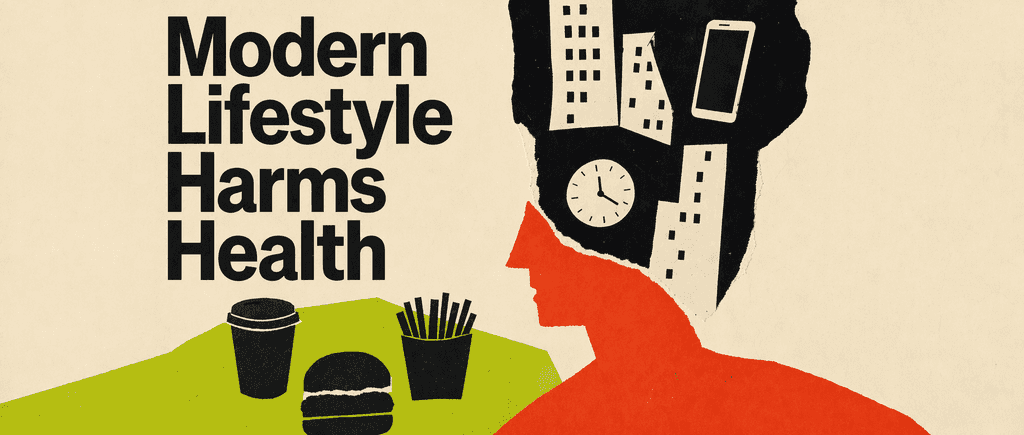
Chronic constipation isn't just about fiber-it's a systems breakdown where visceral fat, inflammation, and microbial extinction create self-perpetuating cycles that resist traditional treatments.

Mejor cita de Gut Dysfunction as Systems Failure: The Inflammatory Loop
Constipation isn't just about 'not going enough'; it's an intricate web where gut motility, immune signaling, energy storage, and microbial ecology all dance together. For those with metabolic dysfunction, it represents a distinct phenotype that requires addressing the inflammatory, metabolic, and microbial components simultaneously to break the self-perpetuating cycle.
Generated by Jerry
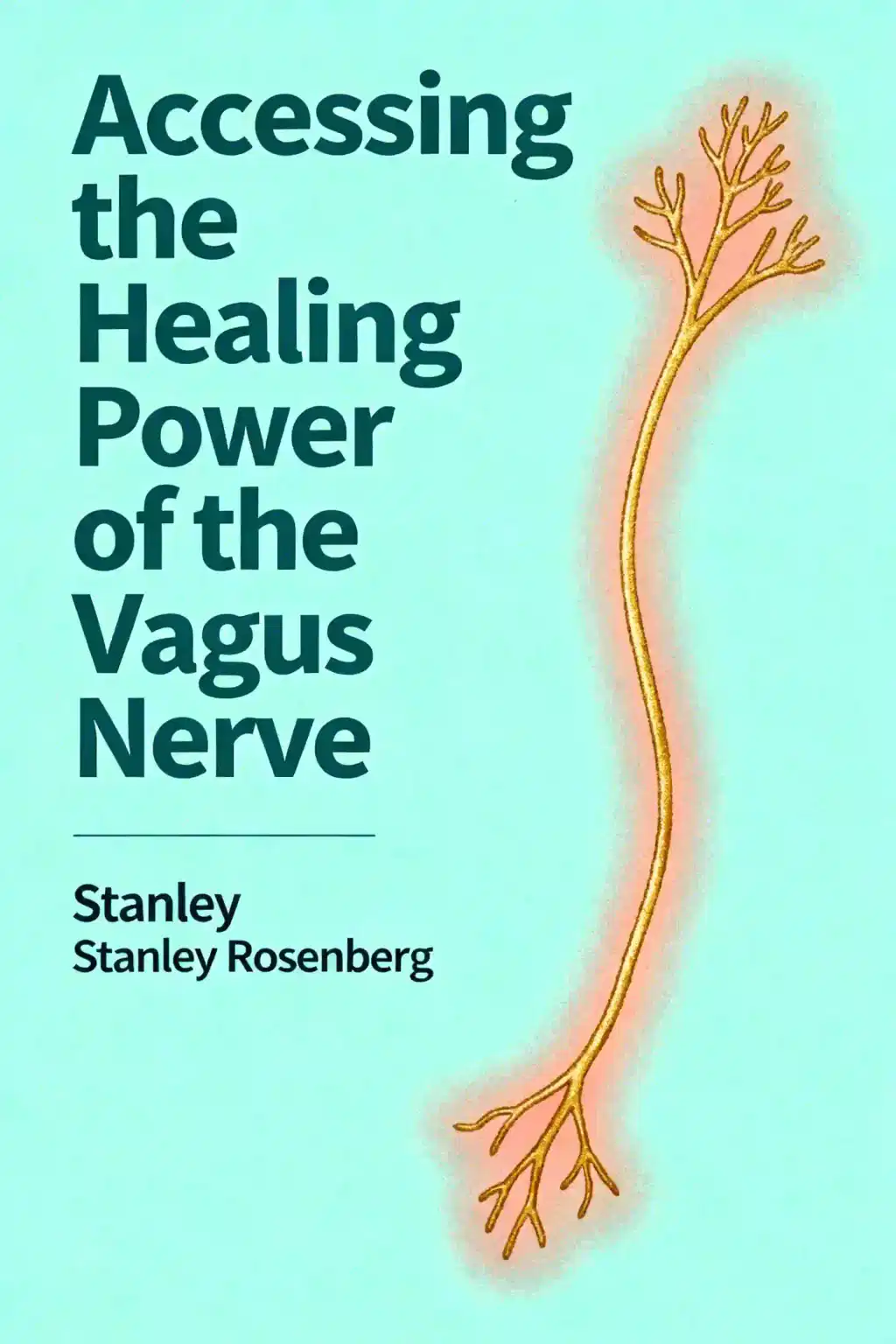
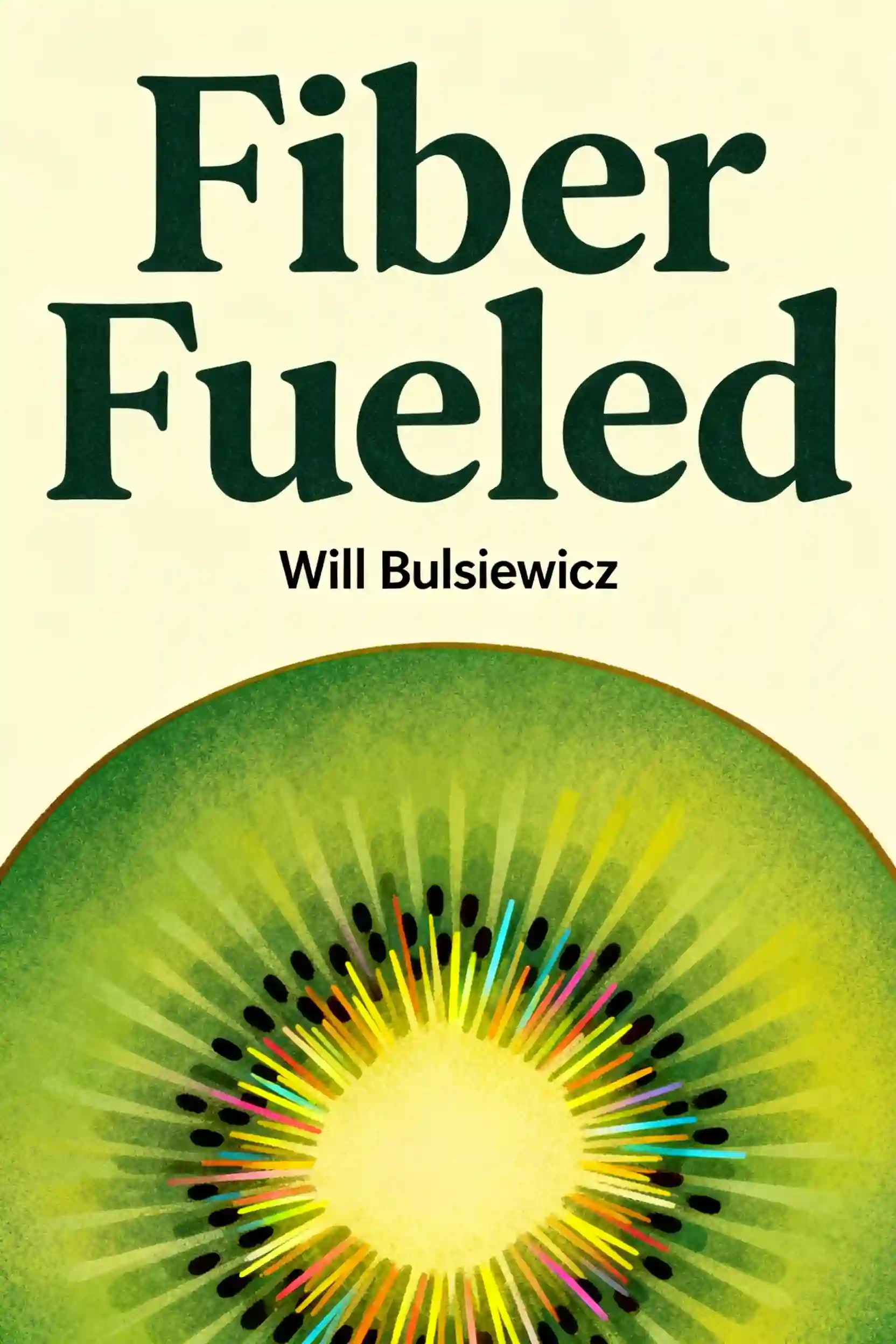
chronic gut dysfunction and constipation as a systems problem where motility, immune signaling, and energy storage co-evolve, using Fiber Fueled by Will Bulsiewicz to argue that the issue is driven by low microbial diversity and insufficient fermentable substrates that can be restored through fiber variety and short-chain fatty acid signaling, The Good Gut by Justin and Erica Sonnenburg to frame constipation as a downstream effect of an industrialized diet that starves microbes and creates microbial extinctions across generations, The Plant-Based Diet for Beginners by Gabriel Kahn to emphasize whole-food plant intake as a mechanical solution via stool bulk and osmotic effects, and Metabolical by Robert Lustig to link visceral adiposity and chronic inflammation to metabolic signaling failures. The episode will explore how these frameworks diverge on mechanism, examine the blind spot of transit time as both cause and consequence, and explain why people with central adiposity represent a distinct constipation phenotype because visceral fat amplifies inflammatory cytokines and disrupts vagal tone. It will detail how microbiome composition mediates this loop through SCFA balance, present actionable management strategies including prioritizing fiber diversity over quantity by rotating legumes, intact grains, nuts, seeds, and resistant starches, and outline the integrative triad model where visceral fat increases inflammatory drag, inflammation slows transit, and slow transit reshapes the microbiome toward further inflammation, concluding that breaking the loop requires simultaneous interventions of dietary fiber diversity plus metabolic de-inflammation via reduced refined sugars and improved insulin sensitivity.





Creado por exalumnos de la Universidad de Columbia en San Francisco
"Instead of endless scrolling, I just hit play on BeFreed. It saves me so much time."


"I never knew where to start with nonfiction—BeFreed’s book lists turned into podcasts gave me a clear path."


"Perfect balance between learning and entertainment. Finished ‘Thinking, Fast and Slow’ on my commute this week."
"Crazy how much I learned while walking the dog. BeFreed = small habits → big gains."
"Reading used to feel like a chore. Now it’s just part of my lifestyle."

"Feels effortless compared to reading. I’ve finished 6 books this month already."
"BeFreed turned my guilty doomscrolling into something that feels productive and inspiring."

"BeFreed turned my commute into learning time. 20-min podcasts are perfect for finishing books I never had time for."
"BeFreed replaced my podcast queue. Imagine Spotify for books — that’s it. 🙌"

"It is great for me to learn something from the book without reading it."
"The themed book list podcasts help me connect ideas across authors—like a guided audio journey."
"Makes me feel smarter every time before going to work"
Creado por exalumnos de la Universidad de Columbia en San Francisco
"Instead of endless scrolling, I just hit play on BeFreed. It saves me so much time."
"I never knew where to start with nonfiction—BeFreed’s book lists turned into podcasts gave me a clear path."
"Perfect balance between learning and entertainment. Finished ‘Thinking, Fast and Slow’ on my commute this week."
"Crazy how much I learned while walking the dog. BeFreed = small habits → big gains."
"Reading used to feel like a chore. Now it’s just part of my lifestyle."
"Feels effortless compared to reading. I’ve finished 6 books this month already."
"BeFreed turned my guilty doomscrolling into something that feels productive and inspiring."
"BeFreed turned my commute into learning time. 20-min podcasts are perfect for finishing books I never had time for."
"BeFreed replaced my podcast queue. Imagine Spotify for books — that’s it. 🙌"
"It is great for me to learn something from the book without reading it."
"The themed book list podcasts help me connect ideas across authors—like a guided audio journey."
"Makes me feel smarter every time before going to work"
"Instead of endless scrolling, I just hit play on BeFreed. It saves me so much time."
"I never knew where to start with nonfiction—BeFreed’s book lists turned into podcasts gave me a clear path."
"Perfect balance between learning and entertainment. Finished ‘Thinking, Fast and Slow’ on my commute this week."
"Crazy how much I learned while walking the dog. BeFreed = small habits → big gains."
"Reading used to feel like a chore. Now it’s just part of my lifestyle."
"Feels effortless compared to reading. I’ve finished 6 books this month already."
"BeFreed turned my guilty doomscrolling into something that feels productive and inspiring."
"BeFreed turned my commute into learning time. 20-min podcasts are perfect for finishing books I never had time for."
"BeFreed replaced my podcast queue. Imagine Spotify for books — that’s it. 🙌"
"It is great for me to learn something from the book without reading it."
"The themed book list podcasts help me connect ideas across authors—like a guided audio journey."
"Makes me feel smarter every time before going to work"
"Instead of endless scrolling, I just hit play on BeFreed. It saves me so much time."
"I never knew where to start with nonfiction—BeFreed’s book lists turned into podcasts gave me a clear path."
"Perfect balance between learning and entertainment. Finished ‘Thinking, Fast and Slow’ on my commute this week."
"Crazy how much I learned while walking the dog. BeFreed = small habits → big gains."
"Reading used to feel like a chore. Now it’s just part of my lifestyle."
"Feels effortless compared to reading. I’ve finished 6 books this month already."
"BeFreed turned my guilty doomscrolling into something that feels productive and inspiring."
"BeFreed turned my commute into learning time. 20-min podcasts are perfect for finishing books I never had time for."
"BeFreed replaced my podcast queue. Imagine Spotify for books — that’s it. 🙌"
"It is great for me to learn something from the book without reading it."
"The themed book list podcasts help me connect ideas across authors—like a guided audio journey."
"Makes me feel smarter every time before going to work"