Struggling with punctuation clutter and digital distractions? Learn to master the em dash and build deep work habits to reclaim your attention.
Mejor cita de Em dash usage and reclaiming your focus
“
The way we spend our attention is, literally, the way we spend our lives. If we spend it in a state of constant interruption, that is the life we are living.
”
M
Generated by Michelle
Pregunta de entrada

Voces del presentador
Lena
Miles
Fuentes de conocimiento
Preguntas frecuentes
According to research from UC Irvine, it takes an average of 23 minutes and 15 seconds to return to a state of deep focus after checking a single notification. This delay occurs because of "attention residue," a neurological state where part of your brain remains stuck on the previous task, email, or social media comment even after you have physically returned to your primary work.
Shallow work consists of logistically necessary but low-value tasks that are often performed while distracted, such as scrolling through Slack, answering routine emails, or filling out spreadsheets. In contrast, deep work is the ability to focus without distraction on cognitively demanding tasks that create new value, improve your skills, and are difficult for others to replicate.
Digital notifications trigger the release of dopamine, which is the "molecule of anticipation" that keeps users in a loop of constant checking without reaching satisfaction. This cycle prevents the brain from entering a "flow state" necessary for myelination. Myelin is a fatty tissue that wraps around nerve fibers to make neural signals faster and more accurate; it is only triggered during deep concentration and is essential for building high-level expertise.
Organizations are moving toward "human-centered technology governance" through radical interventions. For example, Volkswagen has implemented email server shutdowns during off-hours, and Daimler uses a "Mail on Holiday" system that deletes incoming emails while employees are on vacation to prevent inbox backlog. Other companies, like Intel and Dropbox, have established "Quiet Time" blocks or "meeting-free Wednesdays" to provide sanctuaries for uninterrupted cognitive work.
Cognitive offloading is the practice of using external tools, like reminders or to-do lists, to reduce the "mental RAM" required to store information. While over-relying on tools for simple tasks can be a disadvantage, "optimal offloading" allows a person to externalize shallow, routine information so the brain can reserve its energy for complex, creative thinking. This is best managed through metacognitive training, where you learn to accurately predict when your memory actually needs digital assistance.
Creado por exalumnos de la Universidad de Columbia | en San Francisco
BeFreed Reúne a una Comunidad Global de Mentes Curiosas
4.7
valoración media
Más de 7,84 mil valoraciones de la app
Comunidad BeFreed
En serio, todavía no he explorado la app a fondo, pero después de usarla estos últimos días estoy impresionadísima… BeFreed está en otro nivel comparada con cualquier otra app de aprendizaje que haya usado. Te engancha muchísimo y de verdad mejora la concentración, ¡ideal para los que no paran de hacer scroll!
@ladyInfinity
Compré BeFreed hace exactamente 23 días y lo he usado todos los días desde entonces. Se ha integrado por completo en mi rutina diaria de trabajo y aprendizaje.
@jayallen
La verdad es que la app ha superado todas mis expectativas. Puedo pedirle que genere audio sobre cualquier tema, sea cual sea, y el resultado es impresionante. Mi campo profesional es una especialización en psicoterapia y es multidisciplinario; aun así, las respuestas son muy precisas.
@Raguipa
Lo que más valoro es cuánto ha reducido mi scroll: paso menos tiempo buscando y más tiempo absorbiendo información. La combinación de audiolibros completos, podcasts y los planes de aprendizaje es brillante.
@colonyofcreatorsNGO
Llevo 24 años siendo instructor de aprendizaje acelerado PhotoReading… los libros, la lectura y el aprendizaje son lo mío, y BeFreed ha hecho un gran trabajo ofreciendo un enfoque innovador para transmitir información de una forma fácil de consumir.
@BeFreed user
No es solo una app de resúmenes de libros: he usado la opción de lectura divertida y es un resumen mucho mejor y una forma más fácil de captar las ideas que la manera tradicional; solo eso ya vale la pena.
@austinakon
Me encanta esta app. La he usado varios días y no puedo dejar de escuchar. Una forma buenísima de empezar.
@jcrules328
Me gusta mucho el programa; llevo alrededor de un mes probándolo y siento que es una verdadera joya. Funciona genial porque puedo usar BeFreed para crear mis propios temas, y la voz es buenísima, con opciones de narración ilimitadas.
@DanielCZ
En serio, todavía no he explorado la app a fondo, pero después de usarla estos últimos días estoy impresionadísima… BeFreed está en otro nivel comparada con cualquier otra app de aprendizaje que haya usado. Te engancha muchísimo y de verdad mejora la concentración, ¡ideal para los que no paran de hacer scroll!
@ladyInfinity
Compré BeFreed hace exactamente 23 días y lo he usado todos los días desde entonces. Se ha integrado por completo en mi rutina diaria de trabajo y aprendizaje.
@jayallen
La verdad es que la app ha superado todas mis expectativas. Puedo pedirle que genere audio sobre cualquier tema, sea cual sea, y el resultado es impresionante. Mi campo profesional es una especialización en psicoterapia y es multidisciplinario; aun así, las respuestas son muy precisas.
@Raguipa
Lo que más valoro es cuánto ha reducido mi scroll: paso menos tiempo buscando y más tiempo absorbiendo información. La combinación de audiolibros completos, podcasts y los planes de aprendizaje es brillante.
@colonyofcreatorsNGO
Llevo 24 años siendo instructor de aprendizaje acelerado PhotoReading… los libros, la lectura y el aprendizaje son lo mío, y BeFreed ha hecho un gran trabajo ofreciendo un enfoque innovador para transmitir información de una forma fácil de consumir.
@BeFreed user
No es solo una app de resúmenes de libros: he usado la opción de lectura divertida y es un resumen mucho mejor y una forma más fácil de captar las ideas que la manera tradicional; solo eso ya vale la pena.
@austinakon
Me encanta esta app. La he usado varios días y no puedo dejar de escuchar. Una forma buenísima de empezar.
@jcrules328
Me gusta mucho el programa; llevo alrededor de un mes probándolo y siento que es una verdadera joya. Funciona genial porque puedo usar BeFreed para crear mis propios temas, y la voz es buenísima, con opciones de narración ilimitadas.
@DanielCZ
Me encanta poder recibir información e ideas útiles y condensadas en un audio estilo podcast de 8 a 15 minutos. No soy muy fan de los podcasts por tanto relleno, pero esto va directo al grano.
@BeFreed user
Estoy terminando mi doctorado y tengo que leer muchísimo material desconocido… Con BeFreed simplemente escribes un prompt y la app encuentra las fuentes por ti y genera un podcast en audio. El proceso de BeFreed me parece más ágil que el de NotebookLM.
@Brad
Suelo buscar en YouTube algo que escuchar mientras preparo el desayuno, salgo a caminar o voy al trabajo, ¡y BeFreed ofrece un enfoque aún más certero, sin anuncios y sin relleno!
@BeFreed user
Lo mejor de esta plataforma es su versatilidad. Literalmente no hay tema que quede fuera. Le lanzas lo que sea y lo maneja… Es raro encontrar una herramienta de aprendizaje sin limitaciones que de verdad cumpla lo que promete.
@jayallen
BeFreed es fantástica. Su diseño intuitivo hace que pase menos tiempo navegando y más tiempo aprendiendo. La mezcla de audiolibros, podcasts y planes de aprendizaje es una combinación genial que ha cambiado por completo mi rutina diaria.
@BeFreed user
Al principio me llevó un rato entender cómo crear podcasts en italiano y ¡boom! ¡Es genial! Puedo pedirle que me explique cualquier tema y lo hace súper bien y con mucha inteligencia.
@matteo77
BeFreed se ha convertido en mi app diaria de audiolibros… Lo que más me gusta es que pones tu texto y te devuelve un audio que puedes escuchar donde sea.
@kotanzu1
Me encanta poder recibir información e ideas útiles y condensadas en un audio estilo podcast de 8 a 15 minutos. No soy muy fan de los podcasts por tanto relleno, pero esto va directo al grano.
@BeFreed user
Estoy terminando mi doctorado y tengo que leer muchísimo material desconocido… Con BeFreed simplemente escribes un prompt y la app encuentra las fuentes por ti y genera un podcast en audio. El proceso de BeFreed me parece más ágil que el de NotebookLM.
@Brad
Suelo buscar en YouTube algo que escuchar mientras preparo el desayuno, salgo a caminar o voy al trabajo, ¡y BeFreed ofrece un enfoque aún más certero, sin anuncios y sin relleno!
@BeFreed user
Lo mejor de esta plataforma es su versatilidad. Literalmente no hay tema que quede fuera. Le lanzas lo que sea y lo maneja… Es raro encontrar una herramienta de aprendizaje sin limitaciones que de verdad cumpla lo que promete.
@jayallen
BeFreed es fantástica. Su diseño intuitivo hace que pase menos tiempo navegando y más tiempo aprendiendo. La mezcla de audiolibros, podcasts y planes de aprendizaje es una combinación genial que ha cambiado por completo mi rutina diaria.
@BeFreed user
Al principio me llevó un rato entender cómo crear podcasts en italiano y ¡boom! ¡Es genial! Puedo pedirle que me explique cualquier tema y lo hace súper bien y con mucha inteligencia.
@matteo77
BeFreed se ha convertido en mi app diaria de audiolibros… Lo que más me gusta es que pones tu texto y te devuelve un audio que puedes escuchar donde sea.
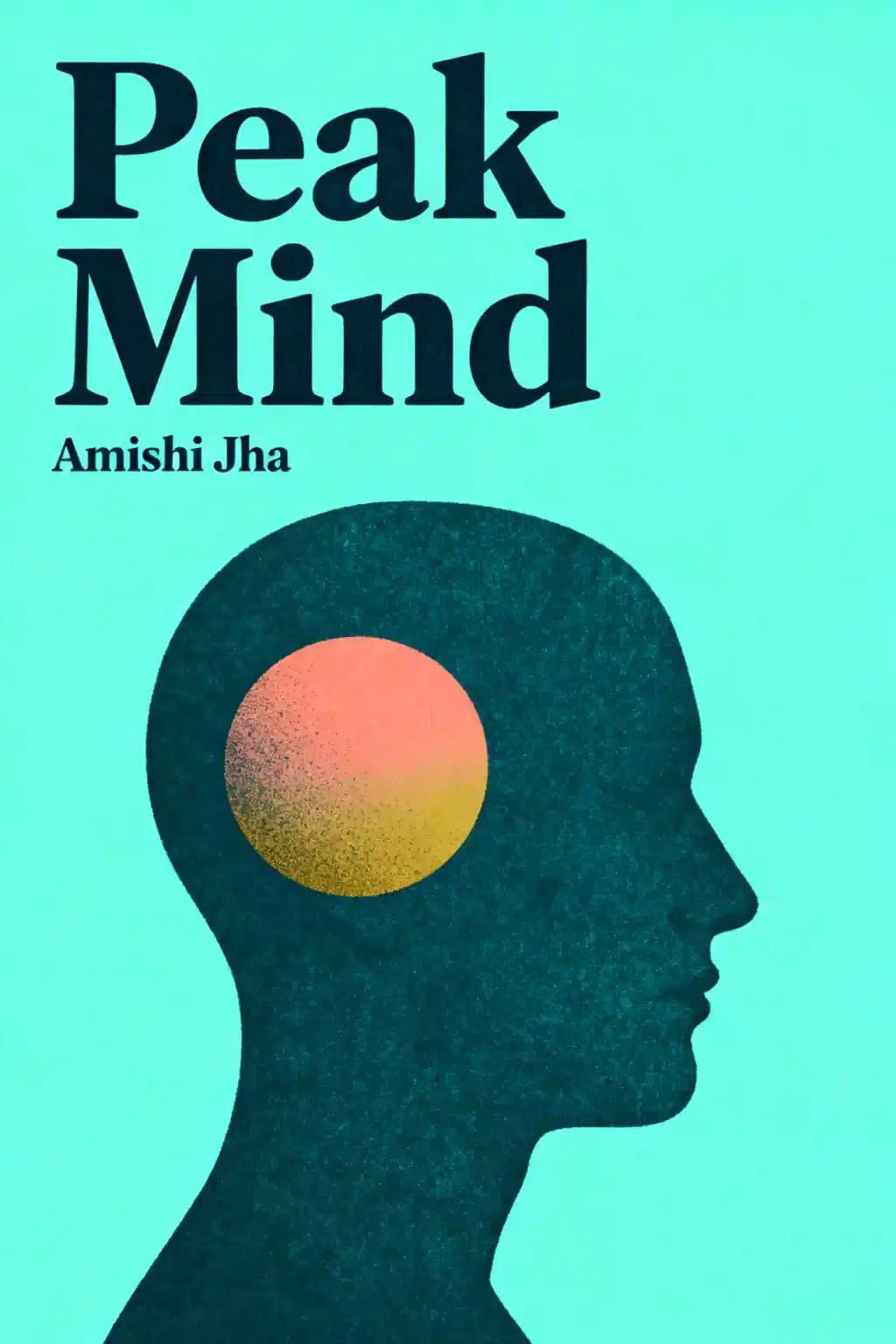
Discover how to build deep concentration skills using insights from 'Deep Work' and 'Get Momentum.' Learn practical strategies to overcome digital distraction and focus on what truly matters.
Discover how to break free from digital distraction and master the rare skill of deep concentration. Learn practical strategies to produce elite-level work while reclaiming your most precious resource: attention.
Discover the hidden 'Focus Tax' and learn practical strategies to rebuild your attention span, master deep work, and stop losing hours to minor distractions.
Discover the neuroscience behind scattered attention and learn practical techniques to rewire your brain for deeper focus. From 12-minute daily practices to digital boundaries, transform your mental clarity and reclaim your life.
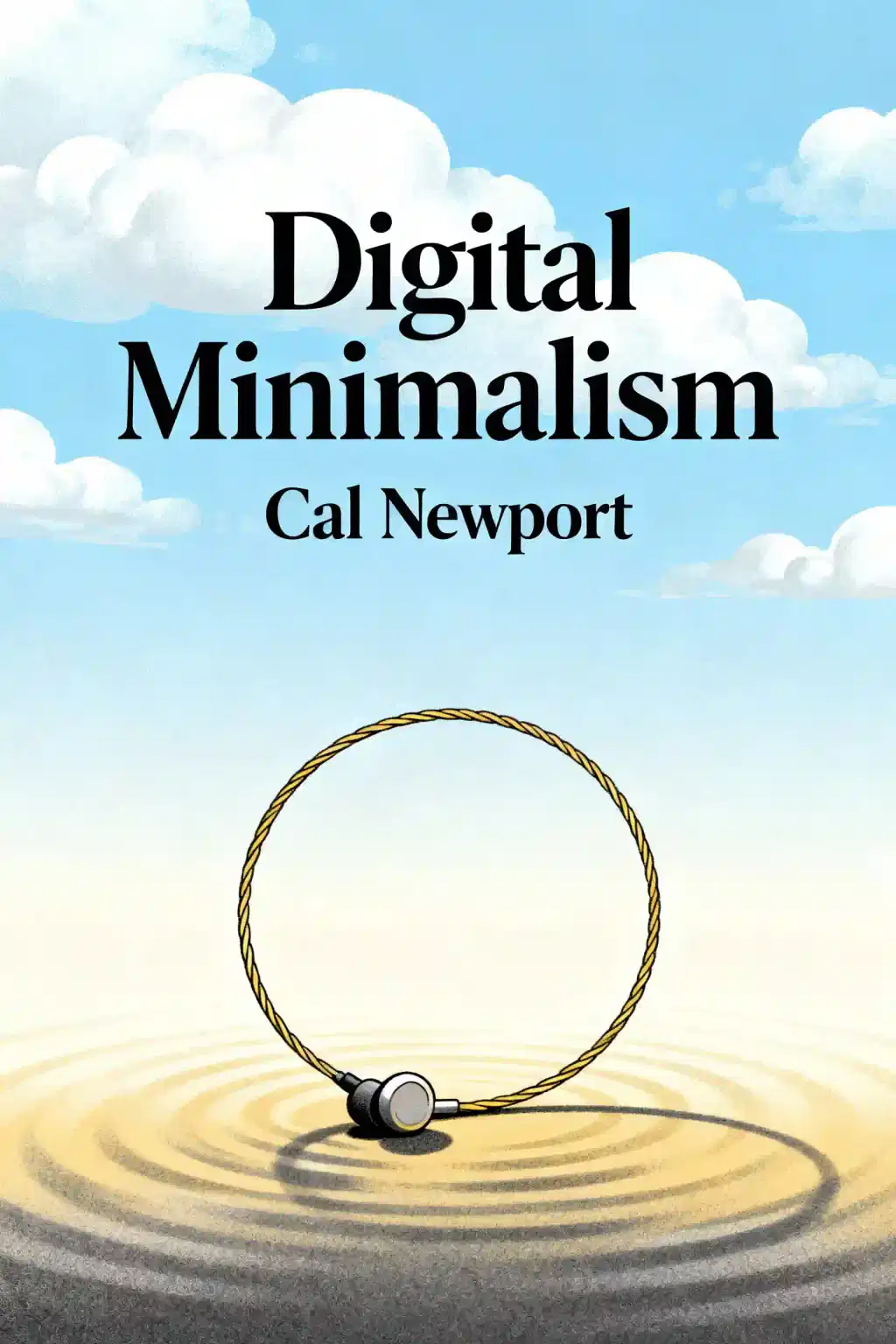
Constant notifications leave our attention fragmented and exhausted. Learn how a thirty-day reset can help you clear digital noise and regain autonomy.
Constant digital distractions make meaningful work feel impossible. Learn to reclaim your attention and turn deep concentration into a competitive edge.
Discover the neuroscience behind attention and learn research-backed strategies to achieve peak cognitive performance in our distraction-filled world. Transform scattered focus into sustained productivity.