Dark psychology and the hidden levers of influence
Why do we feel forced to buy things we don't need? Learn how dark empaths map your vulnerabilities and how to spot the tactics used to influence you.

Mejor cita de Dark psychology and the hidden levers of influence
Influence only becomes manipulation when it relies on deception, exploitation, or hidden intent. It prioritizes the enactor’s control over another person’s personal autonomy, treating them as an object to be managed rather than a subject with their own goals.
Generated by Viper
Dark psychology

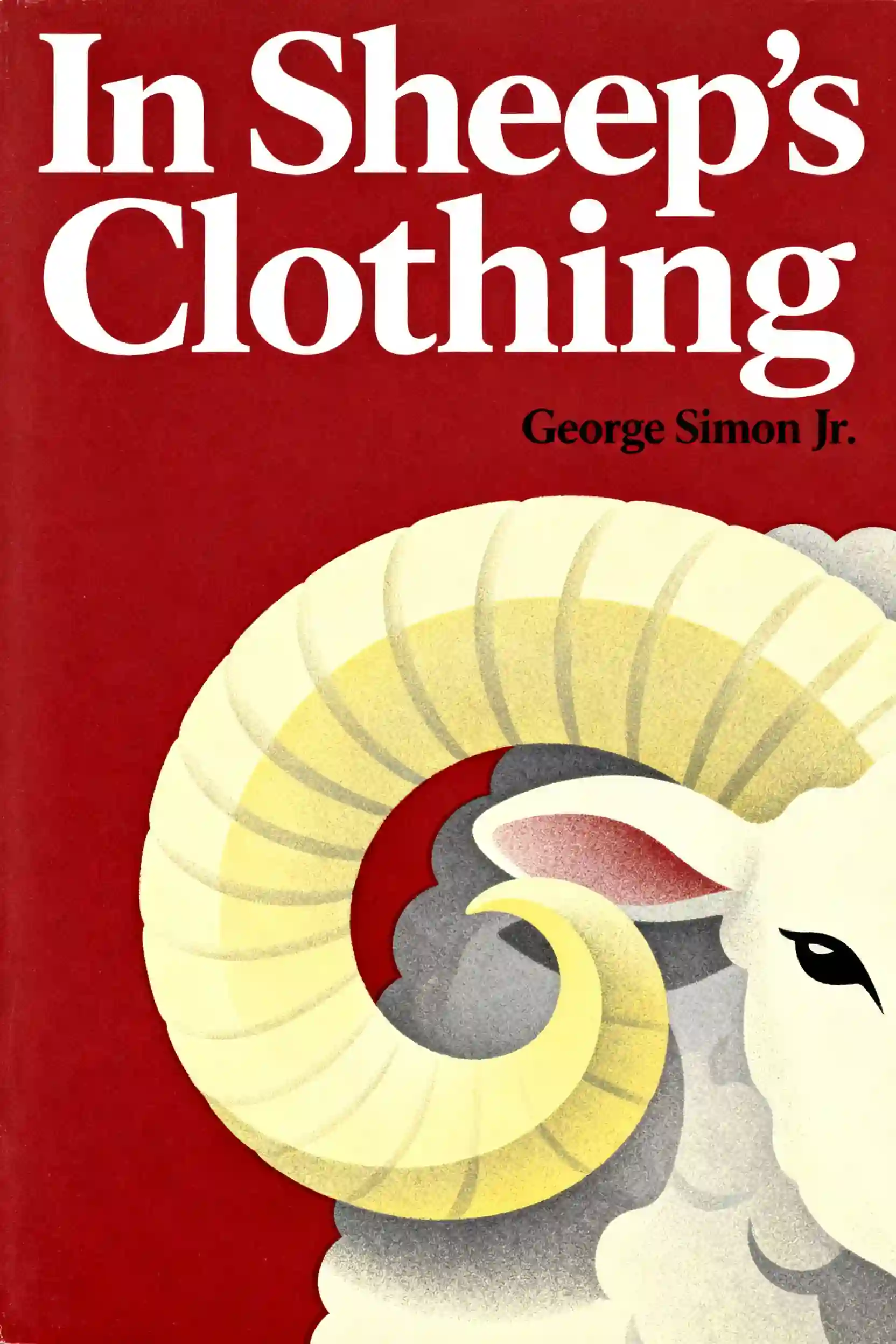
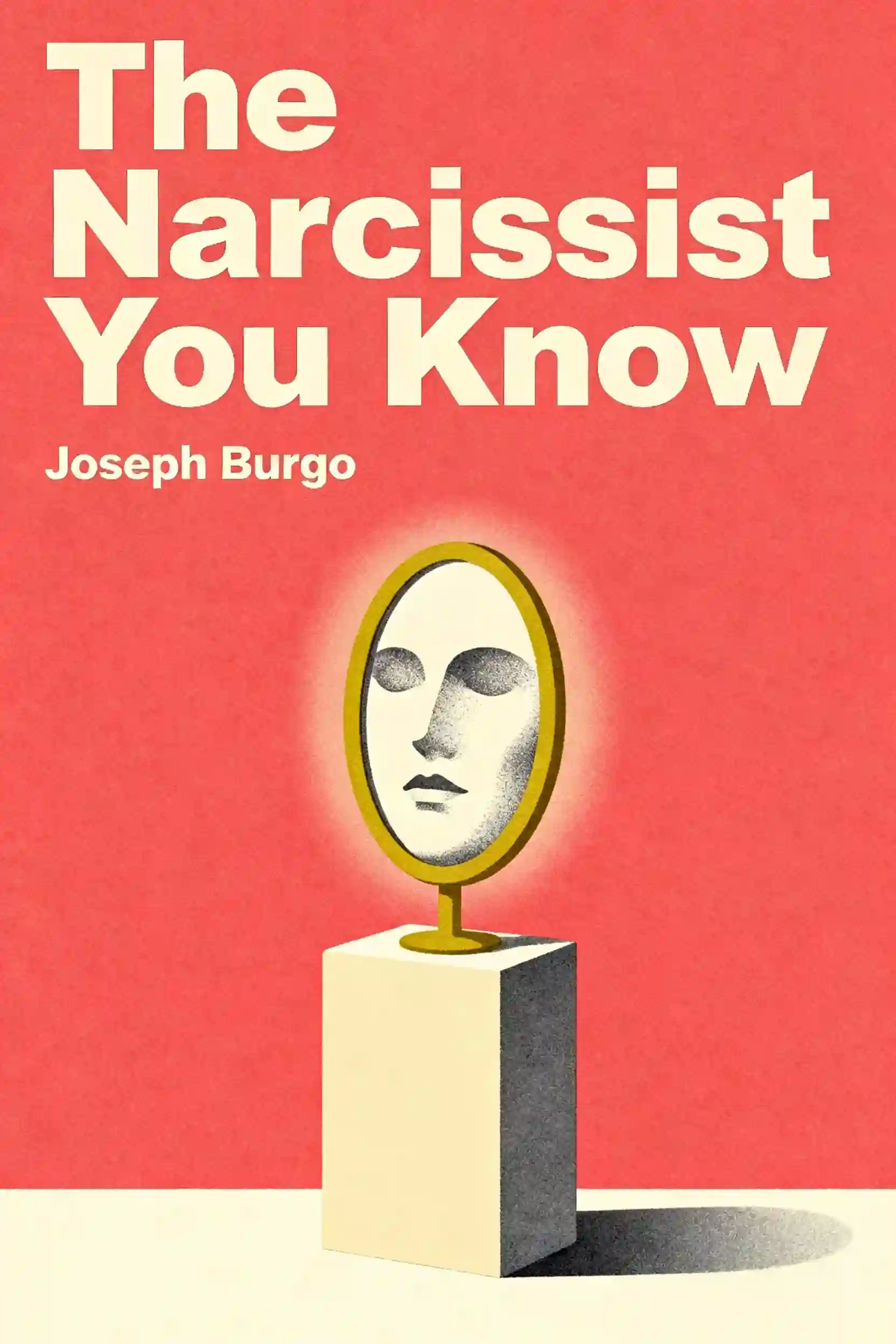
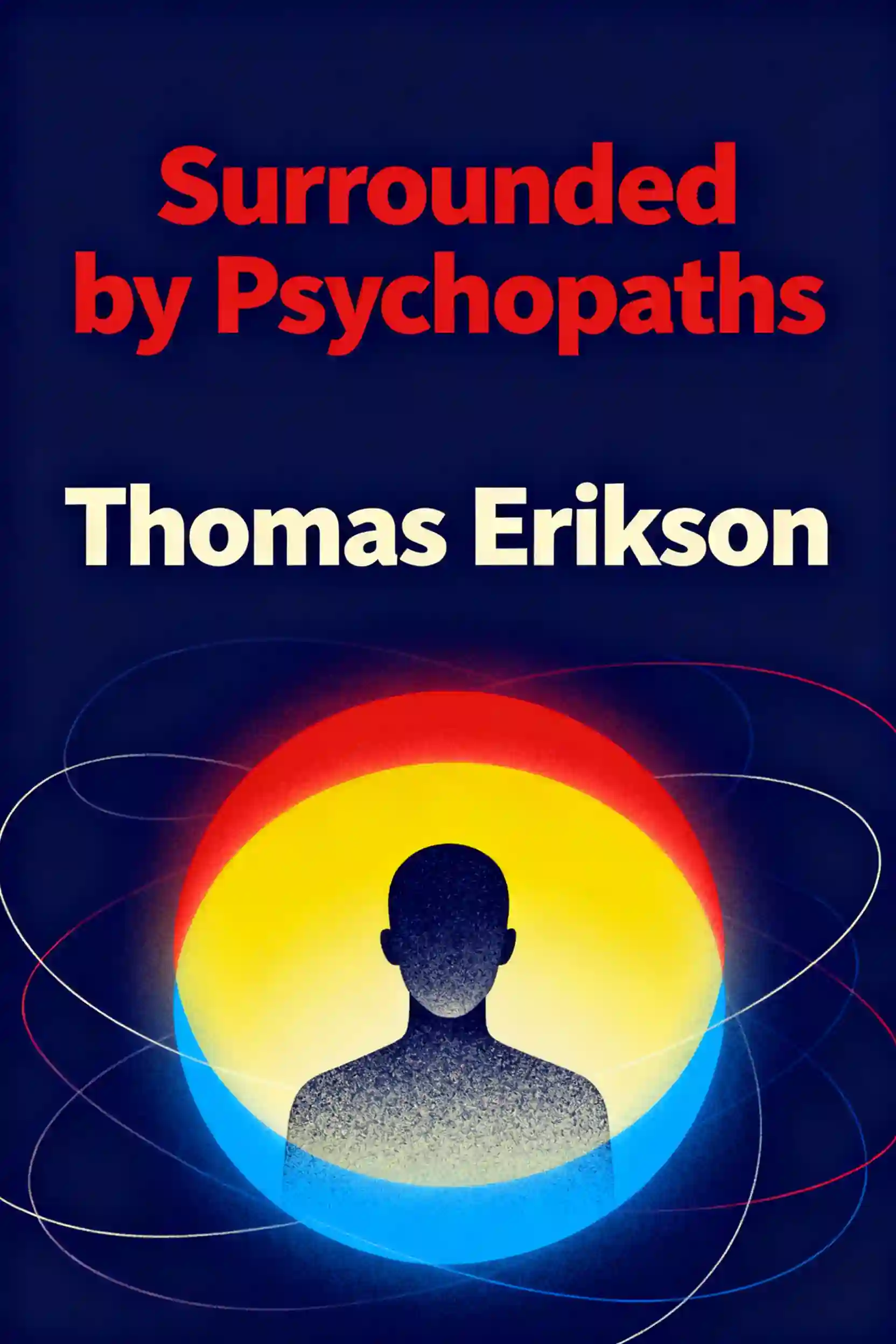
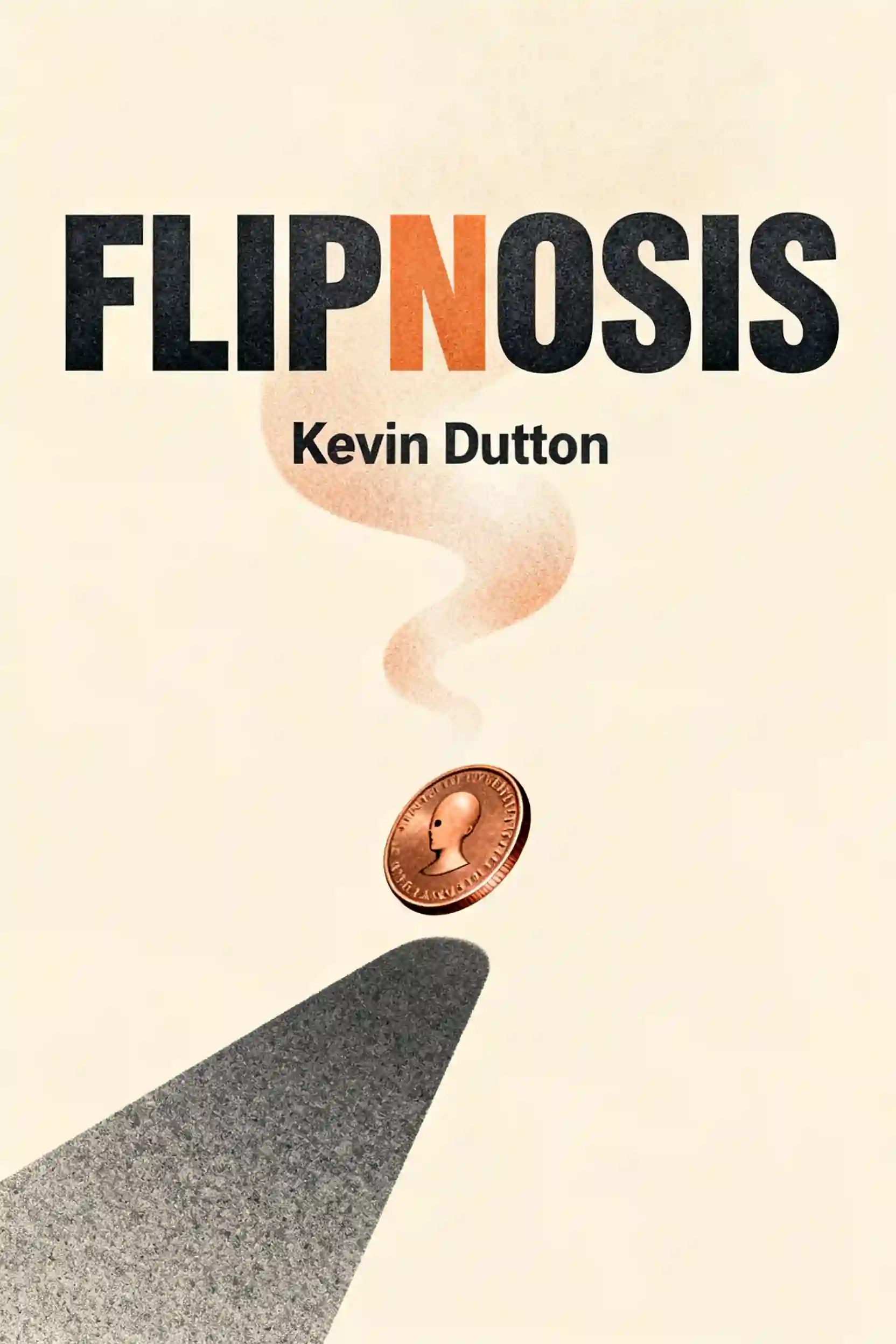
Preguntas frecuentes
The manipulation formula is a structured sequence used to gain control over an individual, defined as Trust plus Information plus Leverage plus Psychological Confusion plus Dependency, all multiplied by the manipulator’s character traits. It begins with building trust to lower a victim's defenses, often through mirroring. Once trust is established, the manipulator gathers information to map the victim's vulnerabilities. These vulnerabilities become "leverage," which is the critical variable that converts general influence into specific, directional control.
Manipulators identify an individual's weak points—such as fears, unmet needs, or past traumas—through a process called vulnerability mapping. They often use strategic self-disclosure, sharing a fake or real secret to trigger the rule of reciprocity and encourage the victim to open up. To see how much control they can exert, they employ boundary testing by committing small rule breaks, such as showing up late or making inappropriate jokes, to observe if the victim excuses the behavior or tries to smooth things over.
The primary distinction lies in transparency and the preservation of personal autonomy. Persuasion is a "partnership" dynamic based on logical arguments and an open exchange of ideas where the intent is clear and the person is free to say no without emotional penalty. Manipulation, however, relies on deception, exploitation, or hidden intent to bypass a person's informed choice. While persuasion feels like being inspired or convinced, manipulation often results in a "slow erosion of self-trust" and a feeling of being tricked or coerced.
The Dark Triad consists of Machiavellianism, narcissism, and psychopathy. In the workplace, these traits impact employees differently depending on their rank. Front-line employees often withdraw and enter "protection mode" when they perceive psychopathic traits in a leader due to a lack of empathy and emotional coldness. Conversely, managers may actually invest more in a relationship with a Machiavellian senior leader if they perceive that leader's manipulative tendencies as "political skill" that can secure resources for their unit.
Gaslighting is a psychological warfare strategy that uses language to make a victim doubt their own perceptions of reality, leading to epistemic uncertainty. It exploits the "Cooperative Principle," where victims naturally try to rationalize a manipulator's lies rather than assuming they are being deceived. By using assertive speech acts and institutional authority, the gaslighter insists that the victim's memory or senses are the problem. This creates a painful state of cognitive dissonance that often forces the victim to internalize the manipulator's version of reality just to find mental relief.
Creado por exalumnos de la Universidad de Columbia en San Francisco
BeFreed Reúne a una Comunidad Global de Mentes Curiosas


"Instead of endless scrolling, I just hit play on BeFreed. It saves me so much time."


"I never knew where to start with nonfiction—BeFreed’s book lists turned into podcasts gave me a clear path."


"Perfect balance between learning and entertainment. Finished ‘Thinking, Fast and Slow’ on my commute this week."
"Crazy how much I learned while walking the dog. BeFreed = small habits → big gains."
"Reading used to feel like a chore. Now it’s just part of my lifestyle."

"Feels effortless compared to reading. I’ve finished 6 books this month already."
"BeFreed turned my guilty doomscrolling into something that feels productive and inspiring."

"BeFreed turned my commute into learning time. 20-min podcasts are perfect for finishing books I never had time for."
"BeFreed replaced my podcast queue. Imagine Spotify for books — that’s it. 🙌"

"It is great for me to learn something from the book without reading it."
"The themed book list podcasts help me connect ideas across authors—like a guided audio journey."
"Makes me feel smarter every time before going to work"
Creado por exalumnos de la Universidad de Columbia en San Francisco
BeFreed Reúne a una Comunidad Global de Mentes Curiosas
"Instead of endless scrolling, I just hit play on BeFreed. It saves me so much time."
"I never knew where to start with nonfiction—BeFreed’s book lists turned into podcasts gave me a clear path."
"Perfect balance between learning and entertainment. Finished ‘Thinking, Fast and Slow’ on my commute this week."
"Crazy how much I learned while walking the dog. BeFreed = small habits → big gains."
"Reading used to feel like a chore. Now it’s just part of my lifestyle."
"Feels effortless compared to reading. I’ve finished 6 books this month already."
"BeFreed turned my guilty doomscrolling into something that feels productive and inspiring."
"BeFreed turned my commute into learning time. 20-min podcasts are perfect for finishing books I never had time for."
"BeFreed replaced my podcast queue. Imagine Spotify for books — that’s it. 🙌"
"It is great for me to learn something from the book without reading it."
"The themed book list podcasts help me connect ideas across authors—like a guided audio journey."
"Makes me feel smarter every time before going to work"
"Instead of endless scrolling, I just hit play on BeFreed. It saves me so much time."
"I never knew where to start with nonfiction—BeFreed’s book lists turned into podcasts gave me a clear path."
"Perfect balance between learning and entertainment. Finished ‘Thinking, Fast and Slow’ on my commute this week."
"Crazy how much I learned while walking the dog. BeFreed = small habits → big gains."
"Reading used to feel like a chore. Now it’s just part of my lifestyle."
"Feels effortless compared to reading. I’ve finished 6 books this month already."
"BeFreed turned my guilty doomscrolling into something that feels productive and inspiring."
"BeFreed turned my commute into learning time. 20-min podcasts are perfect for finishing books I never had time for."
"BeFreed replaced my podcast queue. Imagine Spotify for books — that’s it. 🙌"
"It is great for me to learn something from the book without reading it."
"The themed book list podcasts help me connect ideas across authors—like a guided audio journey."
"Makes me feel smarter every time before going to work"
"Instead of endless scrolling, I just hit play on BeFreed. It saves me so much time."
"I never knew where to start with nonfiction—BeFreed’s book lists turned into podcasts gave me a clear path."
"Perfect balance between learning and entertainment. Finished ‘Thinking, Fast and Slow’ on my commute this week."
"Crazy how much I learned while walking the dog. BeFreed = small habits → big gains."
"Reading used to feel like a chore. Now it’s just part of my lifestyle."
"Feels effortless compared to reading. I’ve finished 6 books this month already."
"BeFreed turned my guilty doomscrolling into something that feels productive and inspiring."
"BeFreed turned my commute into learning time. 20-min podcasts are perfect for finishing books I never had time for."
"BeFreed replaced my podcast queue. Imagine Spotify for books — that’s it. 🙌"
"It is great for me to learn something from the book without reading it."
"The themed book list podcasts help me connect ideas across authors—like a guided audio journey."
"Makes me feel smarter every time before going to work"