
Foreign Exchange Risk Management for Indian Companies
Learn how Indian companies manage foreign exchange risk using forward contracts, futures, options, and swaps to protect international business operations.

Mejor cita de Foreign Exchange Risk Management for Indian Companies
In the globalized economy, currency management isn't a luxury; it’s a necessity for survival. You can’t control the wind, but you can definitely control your sails by using forwards, futures, and natural hedges to protect your hard-earned margins.

Esta lección de audio fue creada por un miembro de la comunidad BeFreed
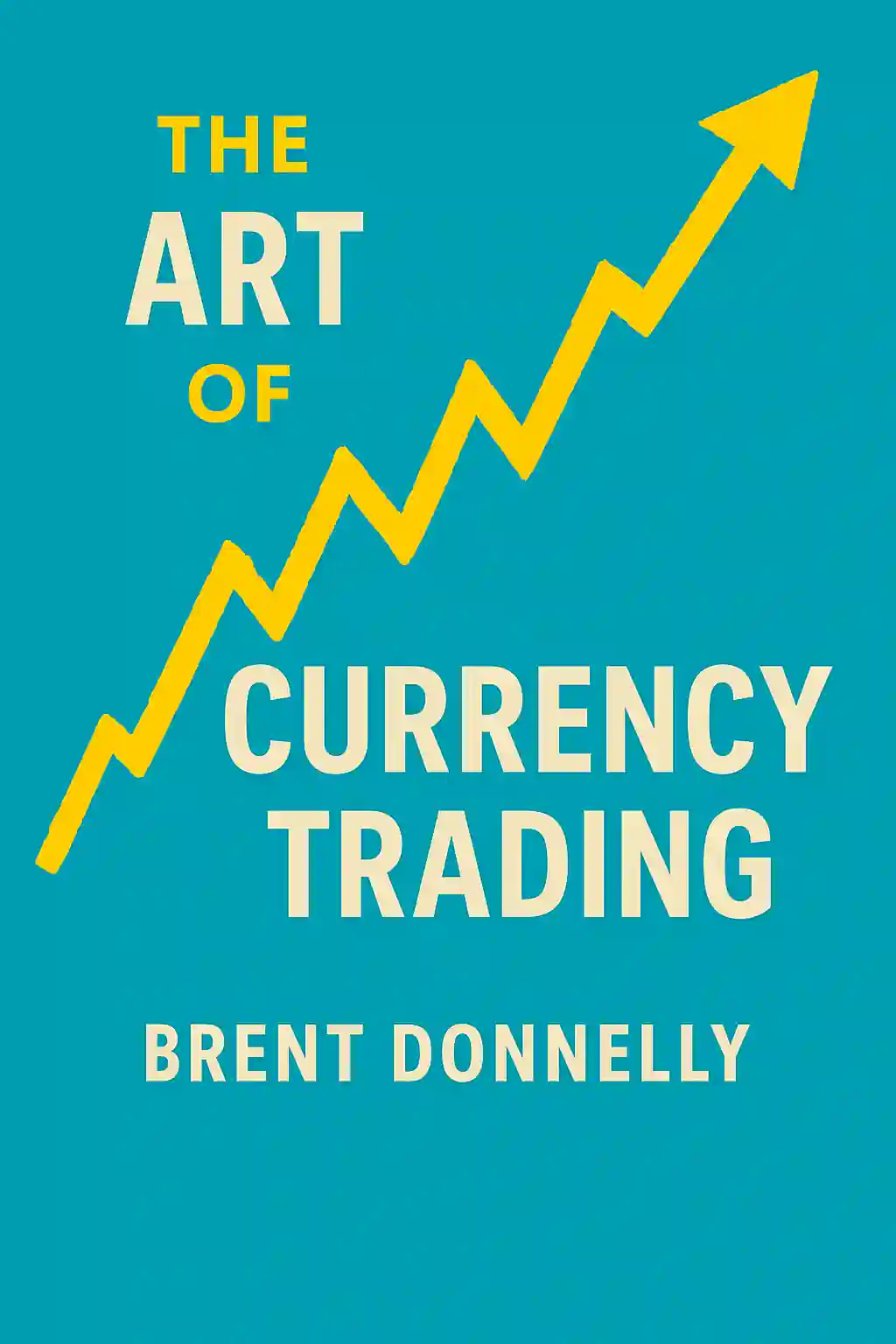
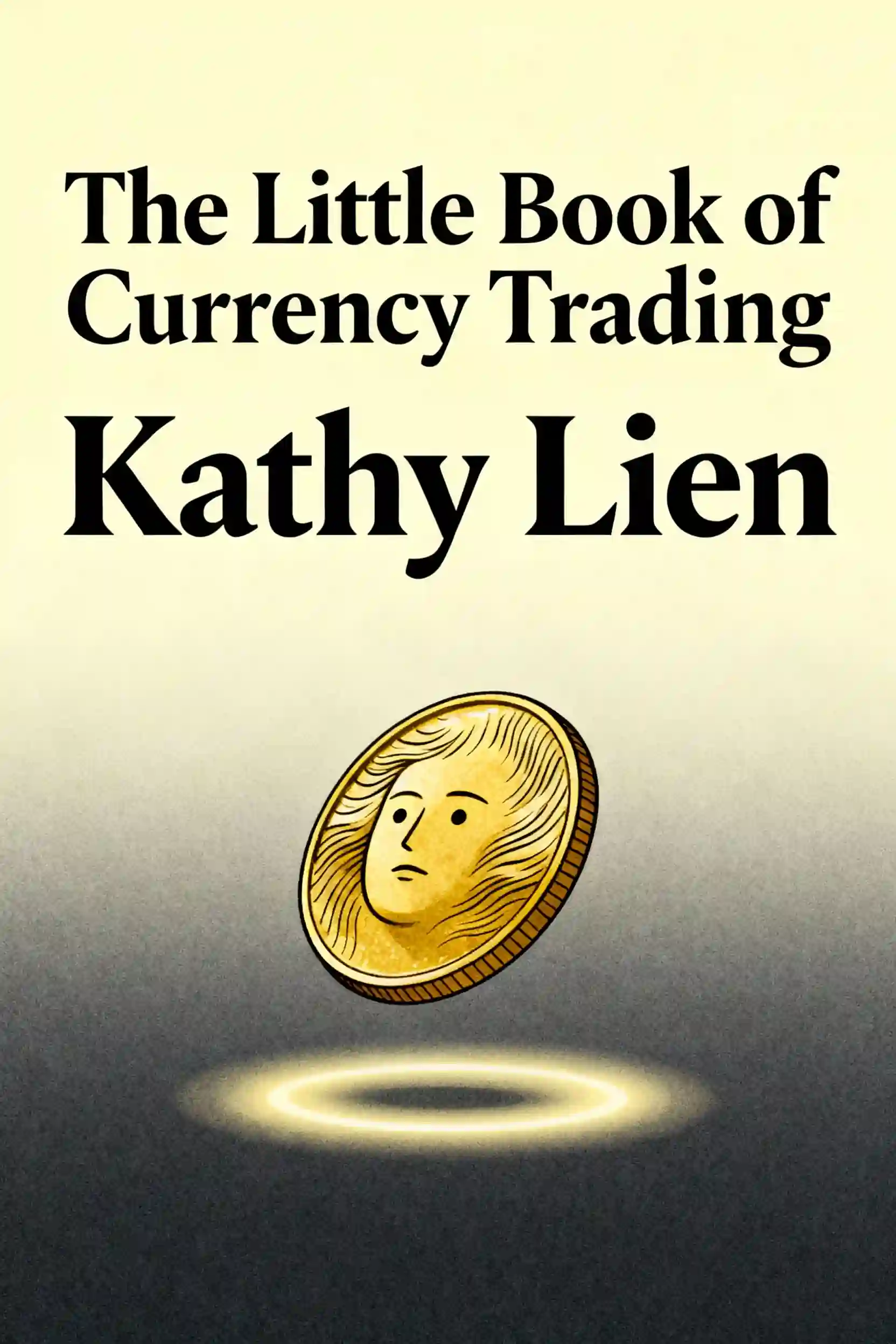
This subtopic would explain the importance of foreign exchange risk management for Indian companies operating internationally, discussing the types of foreign exchange risks, and the strategies and instruments used to mitigate these risks, such as forward contracts, futures, options, and swaps.


Preguntas frecuentes
Foreign exchange risk management is crucial for Indian companies operating internationally because fluctuations in currency values can significantly impact profit margins and financial stability. By implementing robust FX risk mitigation strategies, businesses can protect themselves against unpredictable market volatility. This proactive approach ensures that international business strategies remain viable and that the costs of imported goods or the value of export revenues remain predictable over time.
Indian companies utilize several financial instruments to mitigate foreign exchange risks, including forward contracts, futures, options, and currency swaps. Forward contracts allow businesses to lock in an exchange rate for a future date, while futures and options provide standardized or flexible ways to hedge against currency movements. Currency swaps are also used to exchange interest rate or principal payments in different currencies, helping firms manage long-term exposure.
Forward contracts are a primary tool for foreign exchange risk management, allowing Indian companies to fix an exchange rate for a specific future transaction. This eliminates uncertainty regarding future cash flows, as the company knows exactly how much it will pay or receive in INR regardless of market fluctuations. By using forward contracts, businesses can stabilize their budgeting processes and protect their bottom line from adverse movements in the global currency markets.
Futures and options are essential components of an international business strategy for managing currency volatility. Futures provide a standardized, exchange-traded method to hedge against price changes, while options offer the right, but not the obligation, to exchange currency at a set rate. These instruments give Indian companies the flexibility to benefit from favorable exchange rate movements while limiting potential losses, making them vital for sophisticated FX risk mitigation and financial planning.
Descubre más

Risk Arbitrage
Risk arbitrage is a sophisticated investment strategy that allows traders to profit from corporate events and market inefficiencies surrounding M&A activity. This learning plan is ideal for finance professionals, aspiring hedge fund analysts, and active investors seeking to understand how institutional players generate returns from deal-making and special situations while managing downside risk.

Hedge Portfolio Risk with Derivatives
This learning plan equips investors and financial professionals with essential hedging and risk mitigation techniques to protect portfolios against adverse market movements. It's particularly valuable for portfolio managers, risk analysts, institutional investors, and sophisticated traders who need to understand how derivative instruments can create offsetting positions to manage downside exposure while maintaining upside potential.

Futures and options
Derivatives trading represents a critical skill set for investors seeking to enhance returns, manage risk, and navigate complex market conditions. This learning path is essential for active traders, portfolio managers, and sophisticated investors who want to move beyond basic buy-and-hold strategies to leverage the flexibility and capital efficiency that futures and options provide.

Basic Hedging
This learning plan is essential for investors and finance professionals who want to protect their portfolios from market volatility and downside risk. Whether you're managing personal investments or working in institutional finance, understanding hedging strategies is critical for preserving capital during market downturns while still participating in upside opportunities.

The Global Trade and Currency Game
This learning plan is essential for investors and finance professionals navigating the complexities of a globalized economy. It provides the analytical tools needed to understand how trade imbalances and currency shifts impact asset values, making it ideal for those managing international portfolios.

Finance Podcast Series for Indian Pros
This series is essential for Indian professionals seeking to bridge the gap between basic savings and sophisticated wealth creation. It combines market-specific investment strategies with corporate finance expertise to accelerate both personal net worth and career trajectory.

Options Trading: Puts & Sells
Options trading offers powerful tools for generating income, hedging positions, and leveraging market movements with defined risk—but requires specialized knowledge that goes beyond traditional stock investing. This comprehensive learning plan is designed for intermediate investors, active traders, and portfolio managers who want to add sophisticated options strategies to their toolkit. Whether you're seeking to generate consistent income from your existing holdings or build advanced trading capabilities, this curriculum provides the technical foundation and risk management discipline needed to trade options successfully.

Macro Forces and Portfolio Decisions
In an era of high volatility, understanding the intersection of monetary policy and global conflict is essential for capital preservation. This plan is designed for investors and analysts who need to translate macroeconomic signals into actionable portfolio adjustments.
Creado por exalumnos de la Universidad de Columbia en San Francisco
"Instead of endless scrolling, I just hit play on BeFreed. It saves me so much time."


"I never knew where to start with nonfiction—BeFreed’s book lists turned into podcasts gave me a clear path."


"Perfect balance between learning and entertainment. Finished ‘Thinking, Fast and Slow’ on my commute this week."
"Crazy how much I learned while walking the dog. BeFreed = small habits → big gains."
"Reading used to feel like a chore. Now it’s just part of my lifestyle."

"Feels effortless compared to reading. I’ve finished 6 books this month already."
"BeFreed turned my guilty doomscrolling into something that feels productive and inspiring."

"BeFreed turned my commute into learning time. 20-min podcasts are perfect for finishing books I never had time for."
"BeFreed replaced my podcast queue. Imagine Spotify for books — that’s it. 🙌"

"It is great for me to learn something from the book without reading it."
"The themed book list podcasts help me connect ideas across authors—like a guided audio journey."
"Makes me feel smarter every time before going to work"
Creado por exalumnos de la Universidad de Columbia en San Francisco
"Instead of endless scrolling, I just hit play on BeFreed. It saves me so much time."
"I never knew where to start with nonfiction—BeFreed’s book lists turned into podcasts gave me a clear path."
"Perfect balance between learning and entertainment. Finished ‘Thinking, Fast and Slow’ on my commute this week."
"Crazy how much I learned while walking the dog. BeFreed = small habits → big gains."
"Reading used to feel like a chore. Now it’s just part of my lifestyle."
"Feels effortless compared to reading. I’ve finished 6 books this month already."
"BeFreed turned my guilty doomscrolling into something that feels productive and inspiring."
"BeFreed turned my commute into learning time. 20-min podcasts are perfect for finishing books I never had time for."
"BeFreed replaced my podcast queue. Imagine Spotify for books — that’s it. 🙌"
"It is great for me to learn something from the book without reading it."
"The themed book list podcasts help me connect ideas across authors—like a guided audio journey."
"Makes me feel smarter every time before going to work"
"Instead of endless scrolling, I just hit play on BeFreed. It saves me so much time."
"I never knew where to start with nonfiction—BeFreed’s book lists turned into podcasts gave me a clear path."
"Perfect balance between learning and entertainment. Finished ‘Thinking, Fast and Slow’ on my commute this week."
"Crazy how much I learned while walking the dog. BeFreed = small habits → big gains."
"Reading used to feel like a chore. Now it’s just part of my lifestyle."
"Feels effortless compared to reading. I’ve finished 6 books this month already."
"BeFreed turned my guilty doomscrolling into something that feels productive and inspiring."
"BeFreed turned my commute into learning time. 20-min podcasts are perfect for finishing books I never had time for."
"BeFreed replaced my podcast queue. Imagine Spotify for books — that’s it. 🙌"
"It is great for me to learn something from the book without reading it."
"The themed book list podcasts help me connect ideas across authors—like a guided audio journey."
"Makes me feel smarter every time before going to work"
"Instead of endless scrolling, I just hit play on BeFreed. It saves me so much time."
"I never knew where to start with nonfiction—BeFreed’s book lists turned into podcasts gave me a clear path."
"Perfect balance between learning and entertainment. Finished ‘Thinking, Fast and Slow’ on my commute this week."
"Crazy how much I learned while walking the dog. BeFreed = small habits → big gains."
"Reading used to feel like a chore. Now it’s just part of my lifestyle."
"Feels effortless compared to reading. I’ve finished 6 books this month already."
"BeFreed turned my guilty doomscrolling into something that feels productive and inspiring."
"BeFreed turned my commute into learning time. 20-min podcasts are perfect for finishing books I never had time for."
"BeFreed replaced my podcast queue. Imagine Spotify for books — that’s it. 🙌"
"It is great for me to learn something from the book without reading it."
"The themed book list podcasts help me connect ideas across authors—like a guided audio journey."
"Makes me feel smarter every time before going to work"


