Beyond the Apology: Rebuilding Trust After Betrayal
Move past the 'I'm sorry' cycle and discover the structured path to healing. Learn how to restore safety, practice transparency, and rebuild a shattered relationship through the three pillars of revival.

Mejor cita de Beyond the Apology: Rebuilding Trust After Betrayal
Trust isn't a gift you just give—it’s a pattern you build. You can't 'I’m sorry' your way out of a trauma; it takes small, boring consistency that eventually tells the nervous system it is safe to come out now.
Generated by Brittney
Healing your relationship after lies and betrayal

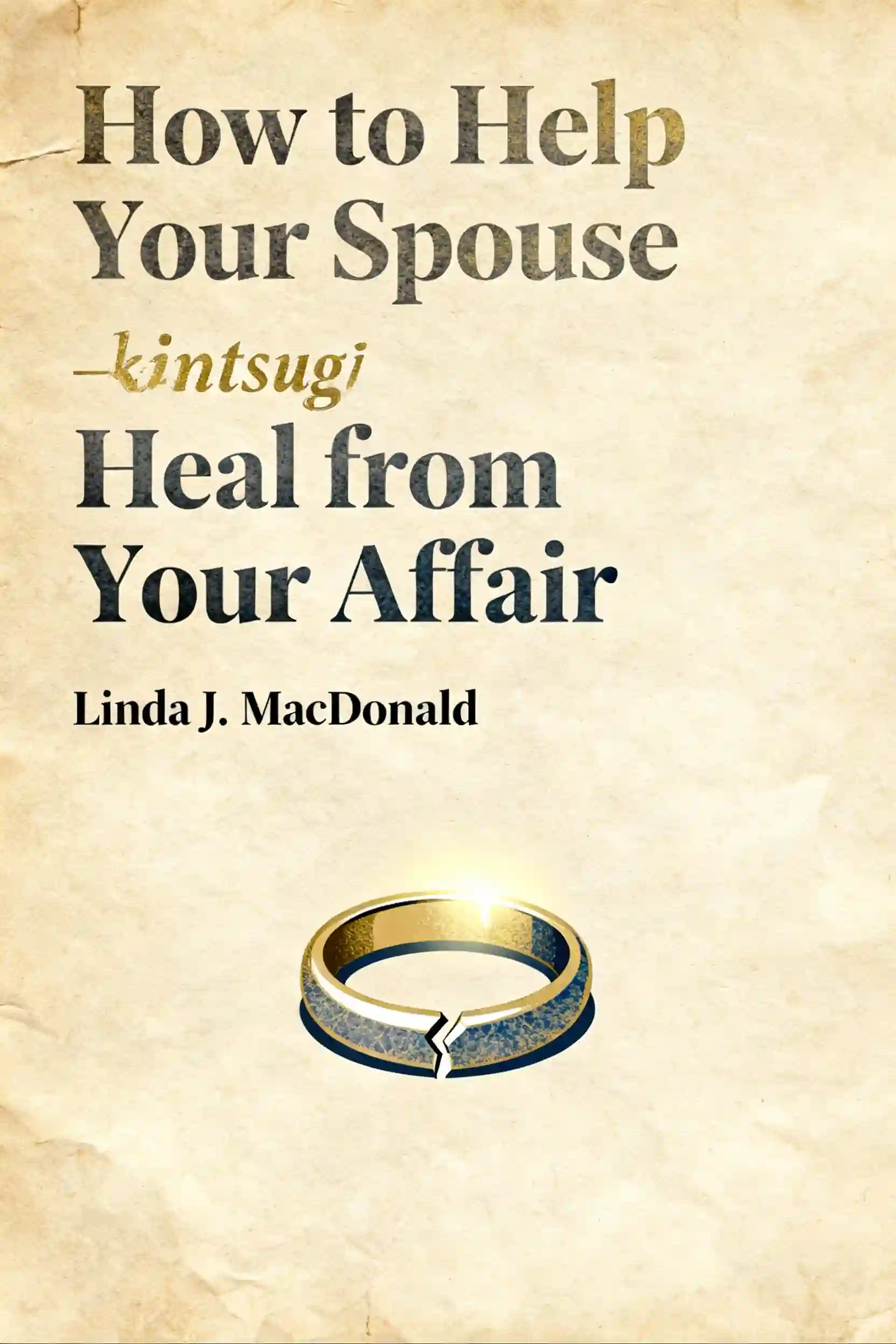
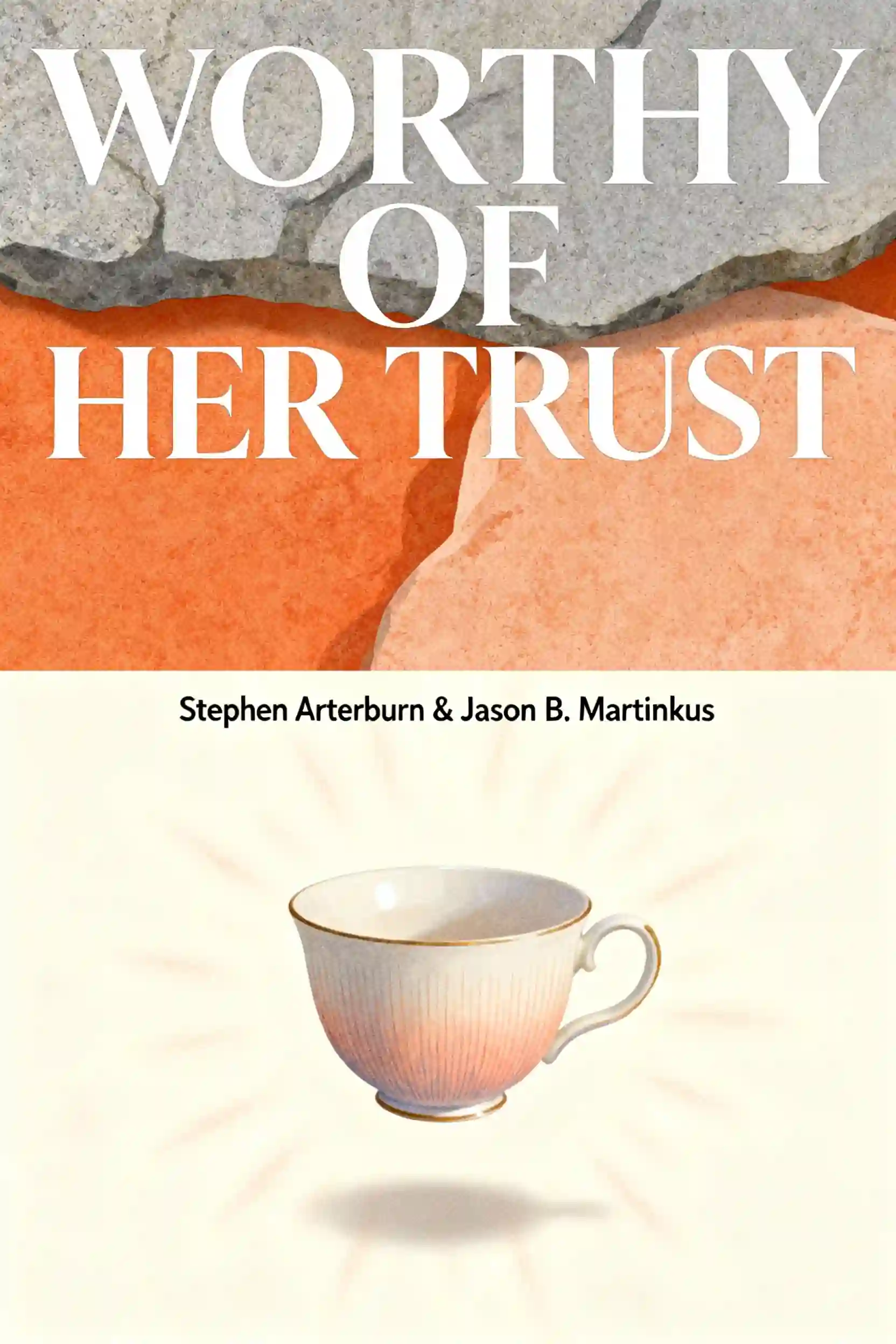
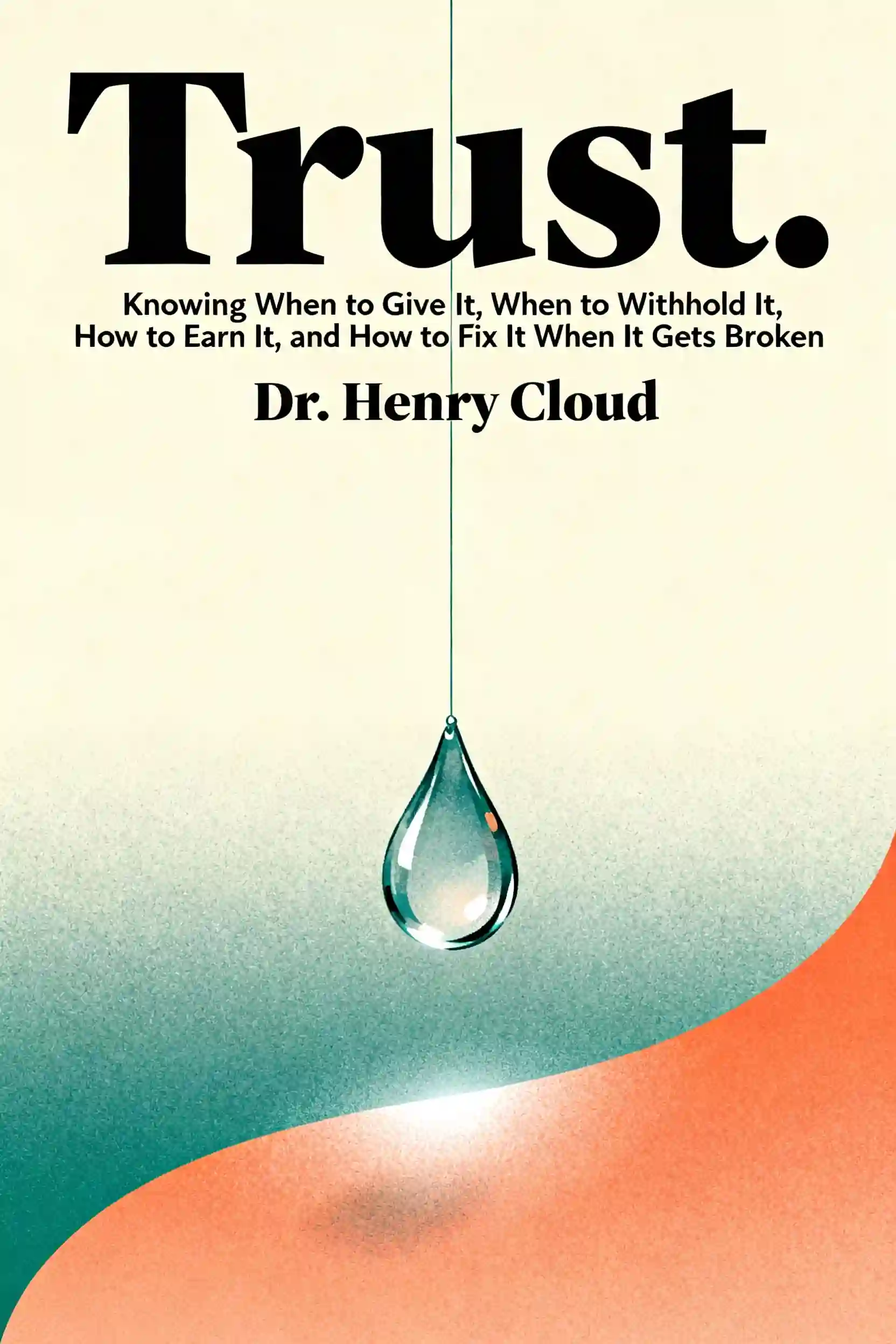
Preguntas frecuentes
A simple apology is often insufficient because betrayal causes a "nervous system injury" that activates the brain's social-pain network similarly to physical pain. It shatters the victim's "assumptive world," leading them to question their own judgment and memories of the entire relationship. Because the hurt partner now perceives their spouse as a source of danger rather than comfort, words alone cannot bypass the body's survival state; trust must be rebuilt through consistent patterns of behavior rather than a single verbal statement.
Trickle truth occurs when the person who committed the betrayal reveals the facts in tiny, painful fragments over a long period rather than being fully honest all at once. This is highly damaging because every new discovery acts as a fresh wound that resets the "trauma clock" for the hurt partner. Experts recommend a structured "therapeutic disclosure" instead, which is a controlled, full sharing of the truth that allows the couple to end the old secretive relationship and begin building a new one on a foundation of total honesty.
Transparency is often misunderstood as a form of interrogation or punishment, but its true purpose is to reduce the uncertainty that keeps the hurt partner’s nervous system on high alert. Voluntary transparency happens when the partner who broke the trust offers information—such as their location or schedule—before being asked. This shifts the dynamic from the hurt partner acting as a "detective" to the other partner acting as a "collaborator," providing a mental map that allows the victim's nervous system to rest and eventually feel safe.
When a partner is triggered, their body enters a "fight or flight" state known as dysregulation, making them biologically unable to process logical reassurance or promises. "Regulation before reassurance" means the priority should be helping the partner's body feel physically safe through calm presence and eye contact rather than jumping immediately into defensiveness or explanations. Only after the nervous system has settled can the brain actually hear and process words of comfort or insight.
The roadmap for healing consists of Atonement, Attunement, and Attachment. Atonement requires the partner who strayed to take full, non-defensive ownership of their actions and maintain absolute honesty. Attunement involves identifying and addressing the negative relationship patterns, such as stonewalling or criticism, that existed beneath the surface. Finally, Attachment focuses on "rituals of connection"—small, consistent acts of intimacy and time together—that slowly signal to the nervous system that it is safe to be vulnerable again.
Creado por exalumnos de la Universidad de Columbia en San Francisco
"Instead of endless scrolling, I just hit play on BeFreed. It saves me so much time."


"I never knew where to start with nonfiction—BeFreed’s book lists turned into podcasts gave me a clear path."


"Perfect balance between learning and entertainment. Finished ‘Thinking, Fast and Slow’ on my commute this week."
"Crazy how much I learned while walking the dog. BeFreed = small habits → big gains."
"Reading used to feel like a chore. Now it’s just part of my lifestyle."

"Feels effortless compared to reading. I’ve finished 6 books this month already."
"BeFreed turned my guilty doomscrolling into something that feels productive and inspiring."

"BeFreed turned my commute into learning time. 20-min podcasts are perfect for finishing books I never had time for."
"BeFreed replaced my podcast queue. Imagine Spotify for books — that’s it. 🙌"

"It is great for me to learn something from the book without reading it."
"The themed book list podcasts help me connect ideas across authors—like a guided audio journey."
"Makes me feel smarter every time before going to work"
Creado por exalumnos de la Universidad de Columbia en San Francisco
"Instead of endless scrolling, I just hit play on BeFreed. It saves me so much time."
"I never knew where to start with nonfiction—BeFreed’s book lists turned into podcasts gave me a clear path."
"Perfect balance between learning and entertainment. Finished ‘Thinking, Fast and Slow’ on my commute this week."
"Crazy how much I learned while walking the dog. BeFreed = small habits → big gains."
"Reading used to feel like a chore. Now it’s just part of my lifestyle."
"Feels effortless compared to reading. I’ve finished 6 books this month already."
"BeFreed turned my guilty doomscrolling into something that feels productive and inspiring."
"BeFreed turned my commute into learning time. 20-min podcasts are perfect for finishing books I never had time for."
"BeFreed replaced my podcast queue. Imagine Spotify for books — that’s it. 🙌"
"It is great for me to learn something from the book without reading it."
"The themed book list podcasts help me connect ideas across authors—like a guided audio journey."
"Makes me feel smarter every time before going to work"
"Instead of endless scrolling, I just hit play on BeFreed. It saves me so much time."
"I never knew where to start with nonfiction—BeFreed’s book lists turned into podcasts gave me a clear path."
"Perfect balance between learning and entertainment. Finished ‘Thinking, Fast and Slow’ on my commute this week."
"Crazy how much I learned while walking the dog. BeFreed = small habits → big gains."
"Reading used to feel like a chore. Now it’s just part of my lifestyle."
"Feels effortless compared to reading. I’ve finished 6 books this month already."
"BeFreed turned my guilty doomscrolling into something that feels productive and inspiring."
"BeFreed turned my commute into learning time. 20-min podcasts are perfect for finishing books I never had time for."
"BeFreed replaced my podcast queue. Imagine Spotify for books — that’s it. 🙌"
"It is great for me to learn something from the book without reading it."
"The themed book list podcasts help me connect ideas across authors—like a guided audio journey."
"Makes me feel smarter every time before going to work"
"Instead of endless scrolling, I just hit play on BeFreed. It saves me so much time."
"I never knew where to start with nonfiction—BeFreed’s book lists turned into podcasts gave me a clear path."
"Perfect balance between learning and entertainment. Finished ‘Thinking, Fast and Slow’ on my commute this week."
"Crazy how much I learned while walking the dog. BeFreed = small habits → big gains."
"Reading used to feel like a chore. Now it’s just part of my lifestyle."
"Feels effortless compared to reading. I’ve finished 6 books this month already."
"BeFreed turned my guilty doomscrolling into something that feels productive and inspiring."
"BeFreed turned my commute into learning time. 20-min podcasts are perfect for finishing books I never had time for."
"BeFreed replaced my podcast queue. Imagine Spotify for books — that’s it. 🙌"
"It is great for me to learn something from the book without reading it."
"The themed book list podcasts help me connect ideas across authors—like a guided audio journey."
"Makes me feel smarter every time before going to work"