Asking for help feels hard for a reason
We often overestimate the burden of asking for help. Learn to spot hyper-independence traps and use micro-asks to build a stronger support system.

Mejor cita de Asking for help feels hard for a reason
We think we’re being noble or 'low maintenance,' but we’re actually shrinking our world. Support doesn't erase our strength; it adds to it.
Generated by Shanie
Help me to understand why I don't like asking others for help. How can I ask for help without feeling ashamed or scared?

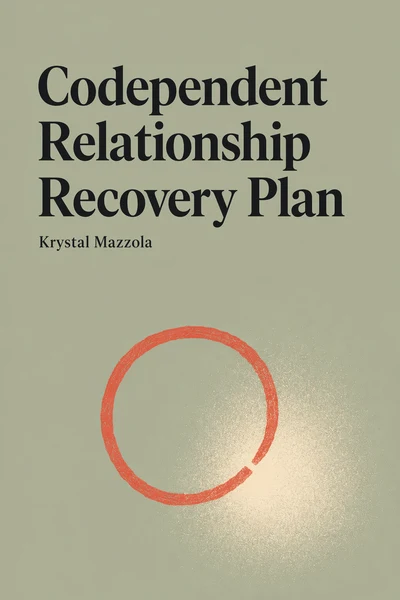
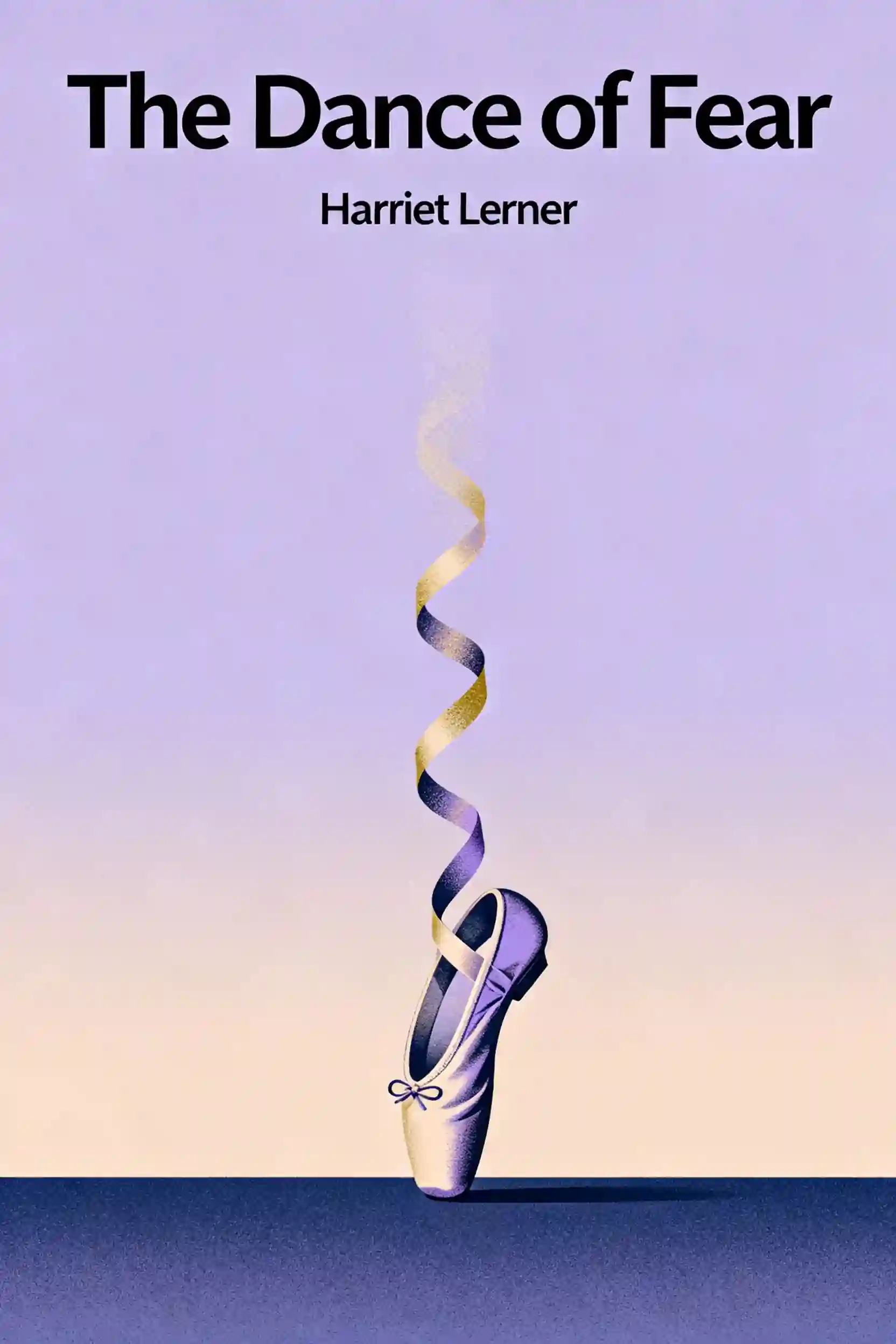
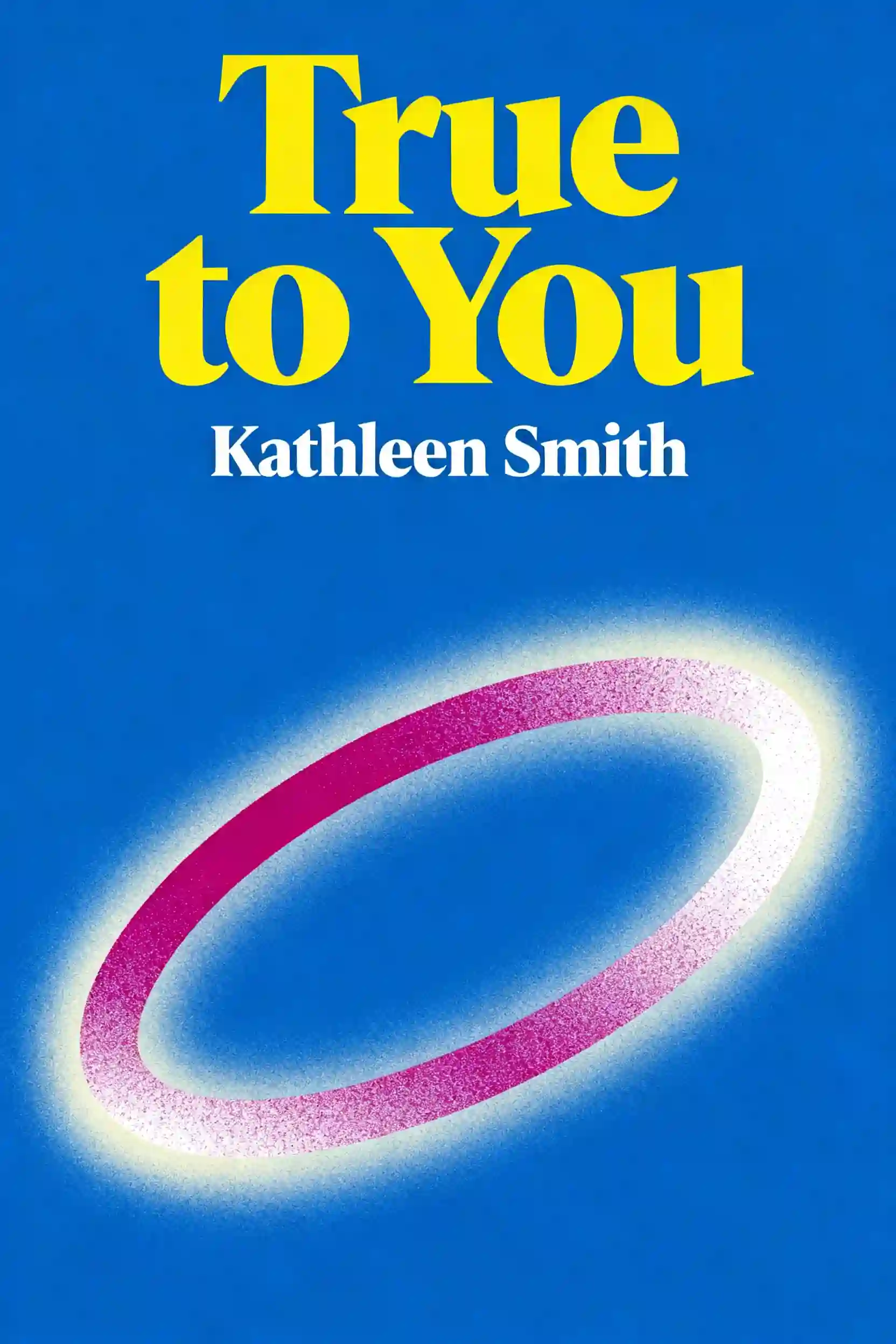
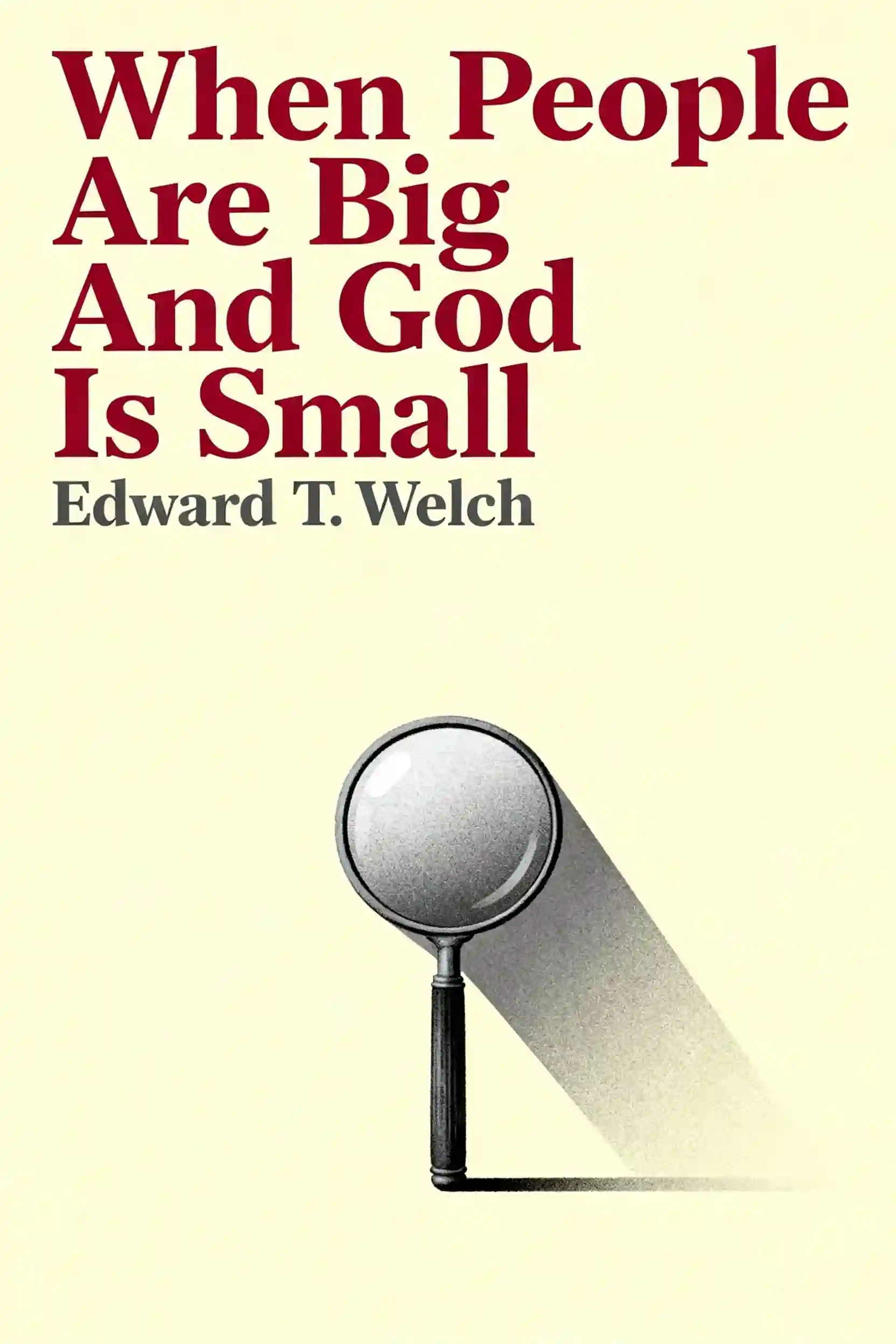

Preguntas frecuentes
This discomfort often stems from "self-reliance conditioning," where the nervous system is programmed to view dependency as a high-risk activity. For many, accepting help feels like losing the "high ground" or giving someone a weapon that could be used against them later. This reaction is frequently rooted in past experiences where asking for help led to criticism, rejection, or the feeling of being a burden, causing the brain to develop a survival strategy of hyper-independence to maintain a sense of safety and control.
While you might think being "low maintenance" is a virtue, it can actually create a "glass wall" between you and your loved ones. True intimacy and belonging require reciprocity and vulnerability; without them, relationships often stay on the surface. By refusing help, you may unintentionally signal to others that you don't trust them or that they have nothing of value to offer, which can leave friends feeling unneeded and shut out.
A micro-ask is a very low-stakes request used as "training wheels" for vulnerability. Instead of asking for something major, you start with small, specific tasks—like asking for a restaurant recommendation, requesting a coffee while a friend is out, or asking a colleague to help troubleshoot a minor technical issue. These small "reps" help rewire your nervous system and build the muscle of receiving without the high emotional stakes of a major life intervention.
One of the most effective ways to reduce the feeling of being a burden is to use specificity and clarity. Instead of making vague requests, define exactly what you need and, just as importantly, what you don't need (e.g., "I just need you to listen for five minutes, I don't need advice"). This "contained" approach removes the guesswork for the helper, giving them a clear path to success and making the interaction feel like a win-win rather than an open-ended debt.
It is common to experience a "post-help hangover" where you feel exposed or tempted to over-explain and apologize for needing assistance. The script suggests practicing a "clean thank you"—simply saying "Thank you, that really helped me" and then stopping. By resisting the urge to over-compensate or immediately "pay back" the debt, you allow the gratitude to land and prove to your nervous system that being supported does not diminish your worth.
Creado por exalumnos de la Universidad de Columbia en San Francisco
"Instead of endless scrolling, I just hit play on BeFreed. It saves me so much time."


"I never knew where to start with nonfiction—BeFreed’s book lists turned into podcasts gave me a clear path."


"Perfect balance between learning and entertainment. Finished ‘Thinking, Fast and Slow’ on my commute this week."
"Crazy how much I learned while walking the dog. BeFreed = small habits → big gains."
"Reading used to feel like a chore. Now it’s just part of my lifestyle."

"Feels effortless compared to reading. I’ve finished 6 books this month already."
"BeFreed turned my guilty doomscrolling into something that feels productive and inspiring."

"BeFreed turned my commute into learning time. 20-min podcasts are perfect for finishing books I never had time for."
"BeFreed replaced my podcast queue. Imagine Spotify for books — that’s it. 🙌"

"It is great for me to learn something from the book without reading it."
"The themed book list podcasts help me connect ideas across authors—like a guided audio journey."
"Makes me feel smarter every time before going to work"
Creado por exalumnos de la Universidad de Columbia en San Francisco
"Instead of endless scrolling, I just hit play on BeFreed. It saves me so much time."
"I never knew where to start with nonfiction—BeFreed’s book lists turned into podcasts gave me a clear path."
"Perfect balance between learning and entertainment. Finished ‘Thinking, Fast and Slow’ on my commute this week."
"Crazy how much I learned while walking the dog. BeFreed = small habits → big gains."
"Reading used to feel like a chore. Now it’s just part of my lifestyle."
"Feels effortless compared to reading. I’ve finished 6 books this month already."
"BeFreed turned my guilty doomscrolling into something that feels productive and inspiring."
"BeFreed turned my commute into learning time. 20-min podcasts are perfect for finishing books I never had time for."
"BeFreed replaced my podcast queue. Imagine Spotify for books — that’s it. 🙌"
"It is great for me to learn something from the book without reading it."
"The themed book list podcasts help me connect ideas across authors—like a guided audio journey."
"Makes me feel smarter every time before going to work"
"Instead of endless scrolling, I just hit play on BeFreed. It saves me so much time."
"I never knew where to start with nonfiction—BeFreed’s book lists turned into podcasts gave me a clear path."
"Perfect balance between learning and entertainment. Finished ‘Thinking, Fast and Slow’ on my commute this week."
"Crazy how much I learned while walking the dog. BeFreed = small habits → big gains."
"Reading used to feel like a chore. Now it’s just part of my lifestyle."
"Feels effortless compared to reading. I’ve finished 6 books this month already."
"BeFreed turned my guilty doomscrolling into something that feels productive and inspiring."
"BeFreed turned my commute into learning time. 20-min podcasts are perfect for finishing books I never had time for."
"BeFreed replaced my podcast queue. Imagine Spotify for books — that’s it. 🙌"
"It is great for me to learn something from the book without reading it."
"The themed book list podcasts help me connect ideas across authors—like a guided audio journey."
"Makes me feel smarter every time before going to work"
"Instead of endless scrolling, I just hit play on BeFreed. It saves me so much time."
"I never knew where to start with nonfiction—BeFreed’s book lists turned into podcasts gave me a clear path."
"Perfect balance between learning and entertainment. Finished ‘Thinking, Fast and Slow’ on my commute this week."
"Crazy how much I learned while walking the dog. BeFreed = small habits → big gains."
"Reading used to feel like a chore. Now it’s just part of my lifestyle."
"Feels effortless compared to reading. I’ve finished 6 books this month already."
"BeFreed turned my guilty doomscrolling into something that feels productive and inspiring."
"BeFreed turned my commute into learning time. 20-min podcasts are perfect for finishing books I never had time for."
"BeFreed replaced my podcast queue. Imagine Spotify for books — that’s it. 🙌"
"It is great for me to learn something from the book without reading it."
"The themed book list podcasts help me connect ideas across authors—like a guided audio journey."
"Makes me feel smarter every time before going to work"







![Facing Codependence [ABRIDGED]](/_next/image?url=https%3A%2F%2Fd3lvzgn0lx7rb2.cloudfront.net%2Fcovers%2F1d91cc59-653c-487c-bb06-0a03ac09820d%2Fimage_resized.webp&w=1024&q=50)