Born from a private sector collapse, Amtrak now navigates a complex landscape of record ridership, crumbling Civil War-era infrastructure, and the constant friction of sharing tracks with freight giants.
Mejor cita de Amtrak: The High-Stakes Battle for American Rail
“
Amtrak is caught between a mandate to provide a public service and a constant pressure to turn a profit, all while owning only a tiny fraction of the tracks they use.
”
A
Generated by angela
Pregunta de entrada
Give me a very brief overview of Amtrak‘s history and the difficulties this company is facing now
Voces del presentador
Lena
Miles
Fuentes de conocimiento
Preguntas frecuentes
Amtrak was formed by the federal government in 1971 as a quasi-public corporation to prevent the total collapse of passenger rail in the United States. By 1970, private railroads were losing millions of dollars and had reduced the number of passenger trains from 9,000 to just 450. The private companies were desperate to offload the financial burden of passenger service to focus on profitable freight shipping, so the government stepped in to preserve a national network that would have otherwise ceased to exist.
Amtrak owns only about three percent of the tracks it uses, primarily in the Northeast Corridor. For the vast majority of its routes, Amtrak operates as a "guest" on tracks owned by private freight railroads. Although federal law technically grants passenger trains preference, freight dispatchers often prioritize their own miles-long cargo trains. Because these massive freight trains frequently do not fit into existing sidings, Amtrak trains are forced to pull over and wait, leading to significant delays that Amtrak cannot directly control.
Amtrak is structured as a for-profit corporation but is legally required to operate a national network, including long-distance routes that lose money. This creates a "paradox" where the company is criticized for financial losses while being forbidden from cutting the very routes that cause those losses. These money-losing routes are often politically necessary to maintain broad support in Congress, yet the resulting "deficit" is frequently used as an argument against providing the company with the long-term capital funding it needs for modernization.
The Northeast Corridor relies on aging infrastructure that, in some cases, dates back to the Civil War era. Key bottlenecks include the North River Tunnels under the Hudson River, which opened in 1910 and suffered significant saltwater damage during Hurricane Sandy, and century-old bridges in Maryland and Connecticut that occasionally get stuck in the open position. These "old and rusty" components limit train speeds and create a massive "state of good repair" backlog that requires billions of dollars in investment just to meet modern safety and reliability standards.
There is a common "subsidy myth" that suggests only rail requires government help. In reality, highways and airports are heavily subsidized through general tax revenue, public bonds, and government-funded systems like air traffic control. However, while society generally views roads and fire departments as public goods, Amtrak is often held to a double standard where it is expected to cover all its infrastructure and operating costs through ticket sales alone. This ignores "positive externalities" like reduced traffic congestion and lower carbon emissions that don't appear on a corporate balance sheet.
Creado por exalumnos de la Universidad de Columbia | en San Francisco
BeFreed Reúne a una Comunidad Global de Mentes Curiosas
4.7
valoración media
Más de 7,84 mil valoraciones de la app
Comunidad BeFreed
En serio, todavía no he explorado la app a fondo, pero después de usarla estos últimos días estoy impresionadísima… BeFreed está en otro nivel comparada con cualquier otra app de aprendizaje que haya usado. Te engancha muchísimo y de verdad mejora la concentración, ¡ideal para los que no paran de hacer scroll!
@ladyInfinity
Compré BeFreed hace exactamente 23 días y lo he usado todos los días desde entonces. Se ha integrado por completo en mi rutina diaria de trabajo y aprendizaje.
@jayallen
La verdad es que la app ha superado todas mis expectativas. Puedo pedirle que genere audio sobre cualquier tema, sea cual sea, y el resultado es impresionante. Mi campo profesional es una especialización en psicoterapia y es multidisciplinario; aun así, las respuestas son muy precisas.
@Raguipa
Lo que más valoro es cuánto ha reducido mi scroll: paso menos tiempo buscando y más tiempo absorbiendo información. La combinación de audiolibros completos, podcasts y los planes de aprendizaje es brillante.
@colonyofcreatorsNGO
Llevo 24 años siendo instructor de aprendizaje acelerado PhotoReading… los libros, la lectura y el aprendizaje son lo mío, y BeFreed ha hecho un gran trabajo ofreciendo un enfoque innovador para transmitir información de una forma fácil de consumir.
@BeFreed user
No es solo una app de resúmenes de libros: he usado la opción de lectura divertida y es un resumen mucho mejor y una forma más fácil de captar las ideas que la manera tradicional; solo eso ya vale la pena.
@austinakon
Me encanta esta app. La he usado varios días y no puedo dejar de escuchar. Una forma buenísima de empezar.
@jcrules328
Me gusta mucho el programa; llevo alrededor de un mes probándolo y siento que es una verdadera joya. Funciona genial porque puedo usar BeFreed para crear mis propios temas, y la voz es buenísima, con opciones de narración ilimitadas.
@DanielCZ
En serio, todavía no he explorado la app a fondo, pero después de usarla estos últimos días estoy impresionadísima… BeFreed está en otro nivel comparada con cualquier otra app de aprendizaje que haya usado. Te engancha muchísimo y de verdad mejora la concentración, ¡ideal para los que no paran de hacer scroll!
@ladyInfinity
Compré BeFreed hace exactamente 23 días y lo he usado todos los días desde entonces. Se ha integrado por completo en mi rutina diaria de trabajo y aprendizaje.
@jayallen
La verdad es que la app ha superado todas mis expectativas. Puedo pedirle que genere audio sobre cualquier tema, sea cual sea, y el resultado es impresionante. Mi campo profesional es una especialización en psicoterapia y es multidisciplinario; aun así, las respuestas son muy precisas.
@Raguipa
Lo que más valoro es cuánto ha reducido mi scroll: paso menos tiempo buscando y más tiempo absorbiendo información. La combinación de audiolibros completos, podcasts y los planes de aprendizaje es brillante.
@colonyofcreatorsNGO
Llevo 24 años siendo instructor de aprendizaje acelerado PhotoReading… los libros, la lectura y el aprendizaje son lo mío, y BeFreed ha hecho un gran trabajo ofreciendo un enfoque innovador para transmitir información de una forma fácil de consumir.
@BeFreed user
No es solo una app de resúmenes de libros: he usado la opción de lectura divertida y es un resumen mucho mejor y una forma más fácil de captar las ideas que la manera tradicional; solo eso ya vale la pena.
@austinakon
Me encanta esta app. La he usado varios días y no puedo dejar de escuchar. Una forma buenísima de empezar.
@jcrules328
Me gusta mucho el programa; llevo alrededor de un mes probándolo y siento que es una verdadera joya. Funciona genial porque puedo usar BeFreed para crear mis propios temas, y la voz es buenísima, con opciones de narración ilimitadas.
@DanielCZ
Me encanta poder recibir información e ideas útiles y condensadas en un audio estilo podcast de 8 a 15 minutos. No soy muy fan de los podcasts por tanto relleno, pero esto va directo al grano.
@BeFreed user
Estoy terminando mi doctorado y tengo que leer muchísimo material desconocido… Con BeFreed simplemente escribes un prompt y la app encuentra las fuentes por ti y genera un podcast en audio. El proceso de BeFreed me parece más ágil que el de NotebookLM.
@Brad
Suelo buscar en YouTube algo que escuchar mientras preparo el desayuno, salgo a caminar o voy al trabajo, ¡y BeFreed ofrece un enfoque aún más certero, sin anuncios y sin relleno!
@BeFreed user
Lo mejor de esta plataforma es su versatilidad. Literalmente no hay tema que quede fuera. Le lanzas lo que sea y lo maneja… Es raro encontrar una herramienta de aprendizaje sin limitaciones que de verdad cumpla lo que promete.
@jayallen
BeFreed es fantástica. Su diseño intuitivo hace que pase menos tiempo navegando y más tiempo aprendiendo. La mezcla de audiolibros, podcasts y planes de aprendizaje es una combinación genial que ha cambiado por completo mi rutina diaria.
@BeFreed user
Al principio me llevó un rato entender cómo crear podcasts en italiano y ¡boom! ¡Es genial! Puedo pedirle que me explique cualquier tema y lo hace súper bien y con mucha inteligencia.
@matteo77
BeFreed se ha convertido en mi app diaria de audiolibros… Lo que más me gusta es que pones tu texto y te devuelve un audio que puedes escuchar donde sea.
@kotanzu1
Me encanta poder recibir información e ideas útiles y condensadas en un audio estilo podcast de 8 a 15 minutos. No soy muy fan de los podcasts por tanto relleno, pero esto va directo al grano.
@BeFreed user
Estoy terminando mi doctorado y tengo que leer muchísimo material desconocido… Con BeFreed simplemente escribes un prompt y la app encuentra las fuentes por ti y genera un podcast en audio. El proceso de BeFreed me parece más ágil que el de NotebookLM.
@Brad
Suelo buscar en YouTube algo que escuchar mientras preparo el desayuno, salgo a caminar o voy al trabajo, ¡y BeFreed ofrece un enfoque aún más certero, sin anuncios y sin relleno!
@BeFreed user
Lo mejor de esta plataforma es su versatilidad. Literalmente no hay tema que quede fuera. Le lanzas lo que sea y lo maneja… Es raro encontrar una herramienta de aprendizaje sin limitaciones que de verdad cumpla lo que promete.
@jayallen
BeFreed es fantástica. Su diseño intuitivo hace que pase menos tiempo navegando y más tiempo aprendiendo. La mezcla de audiolibros, podcasts y planes de aprendizaje es una combinación genial que ha cambiado por completo mi rutina diaria.
@BeFreed user
Al principio me llevó un rato entender cómo crear podcasts en italiano y ¡boom! ¡Es genial! Puedo pedirle que me explique cualquier tema y lo hace súper bien y con mucha inteligencia.
@matteo77
BeFreed se ha convertido en mi app diaria de audiolibros… Lo que más me gusta es que pones tu texto y te devuelve un audio que puedes escuchar donde sea.
We often view history as inevitable, but the American story was built on fragile, high-stakes choices. Explore the turning points that shaped a nation.
Explore how the Gateway Project is transforming America's busiest rail corridor, boring new tunnels 275 feet below the Hudson River to prevent a $16 billion economic disaster.
From Columbus’s management failures to the grit of the Civil War, history is rarely a smooth narrative. Explore the human struggles that shaped a nation.
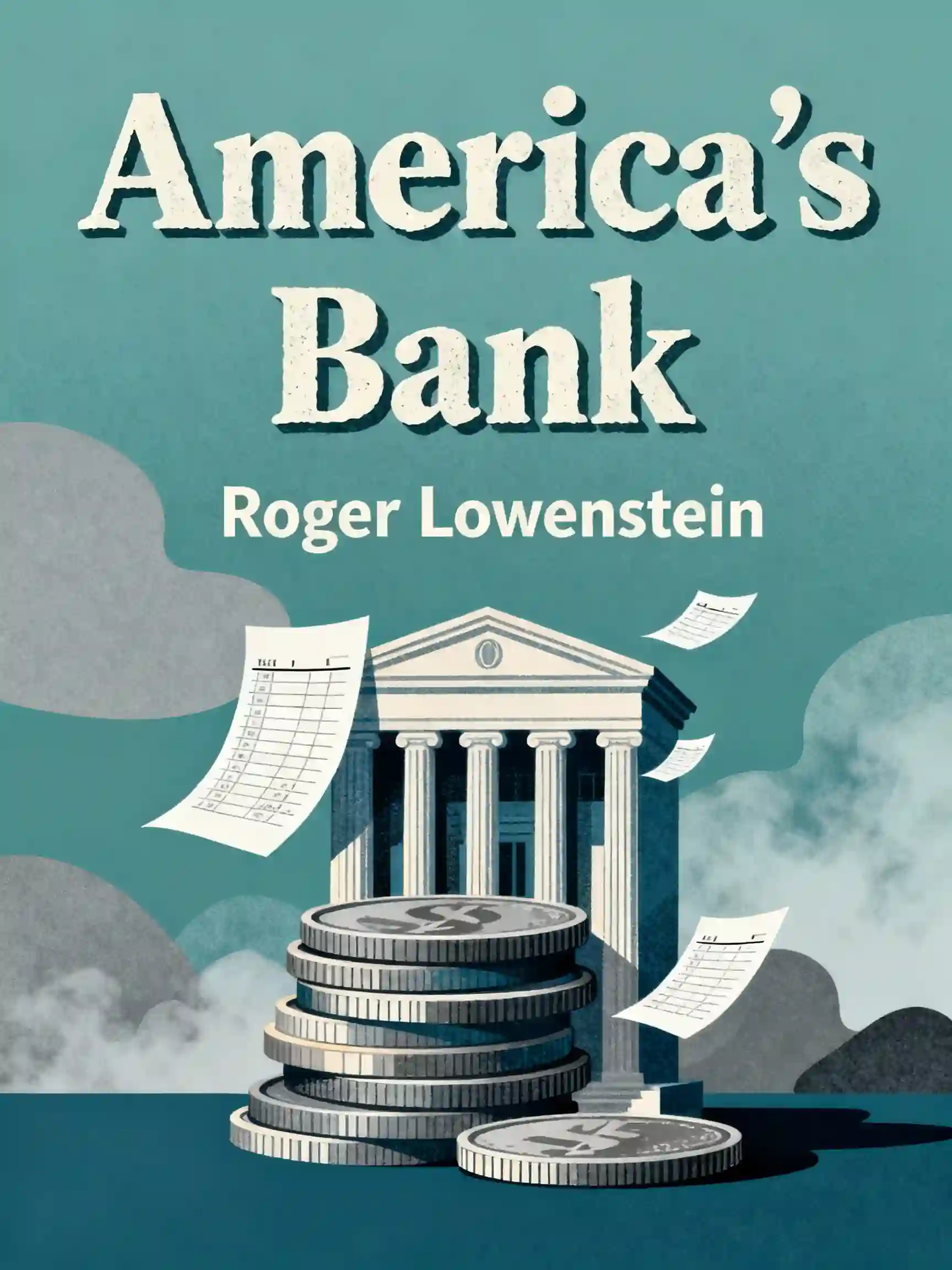
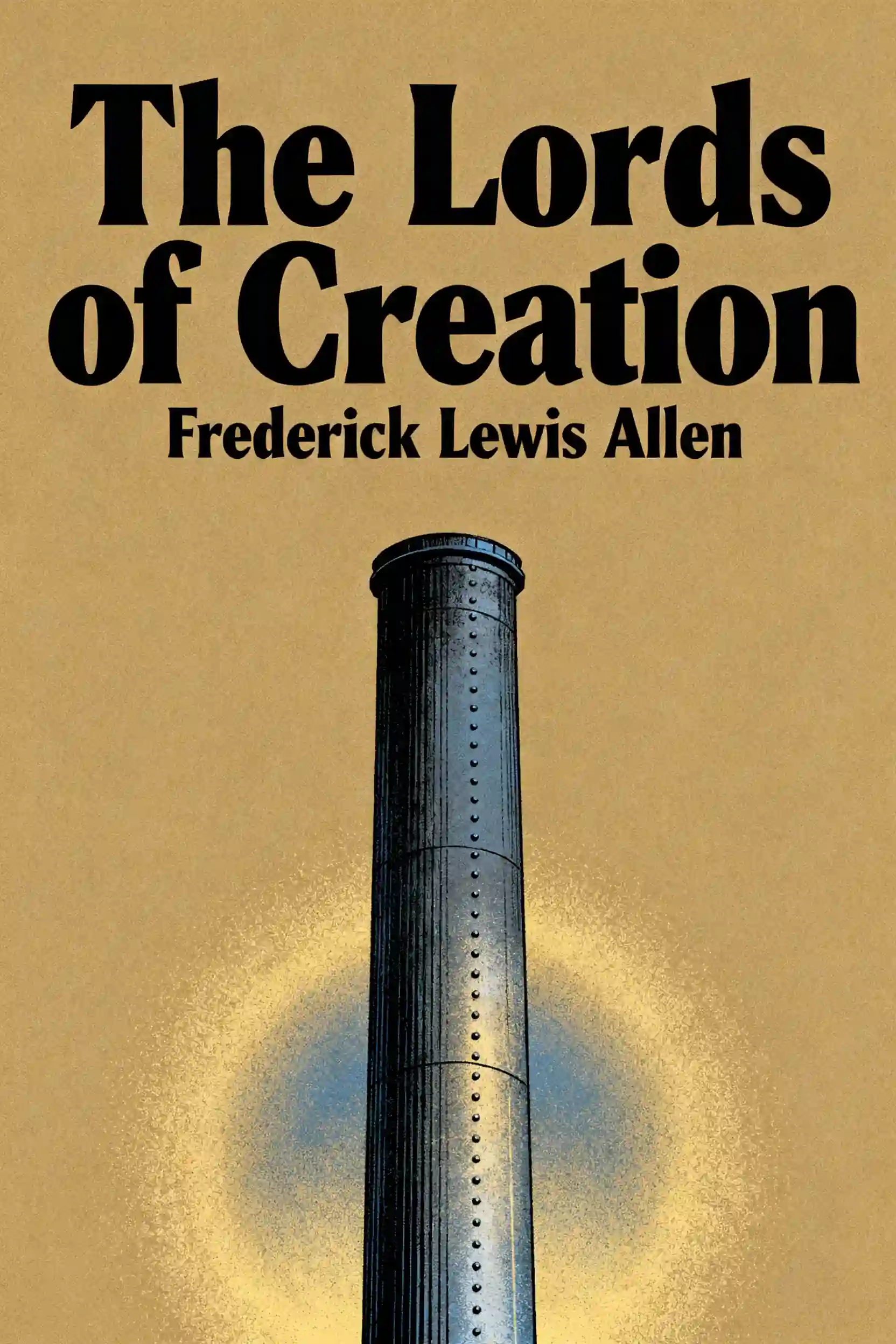
Infrastructure booms often collapse before they pay off. Explore why the AI capital curve is mirroring the 1870s and what happens if the money runs out.
Indian trains are shedding their old reputation for grime. Discover how bio-tech and real-time passenger apps are transforming the journey for millions.

















![[53a86b28-4040-4fbe-8b5d-618d0da0f098:c0000] What Happens When the AI Boom Runs Out of Money.txt p1-1](/_next/image?url=https%3A%2F%2Fd1y2du6z1jfm9e.cloudfront.net%2Fassets%2Fpodcast%2Fyellow.png&w=1024&q=50)
![[53a86b28-4040-4fbe-8b5d-618d0da0f098:c0001] What Happens When the AI Boom Runs Out of Money.txt p1-1](/_next/image?url=https%3A%2F%2Fd1y2du6z1jfm9e.cloudfront.net%2Fassets%2Fpodcast%2Fpurple.png&w=1024&q=50)