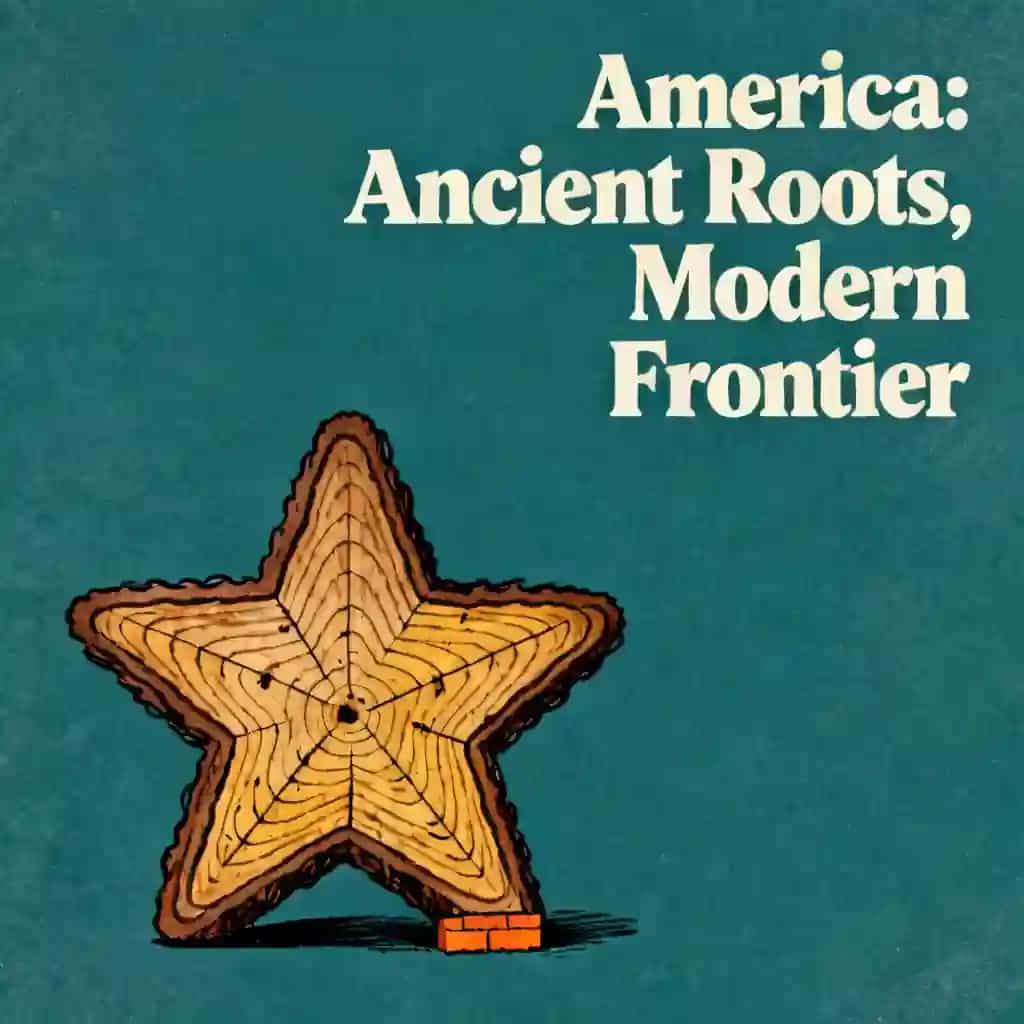
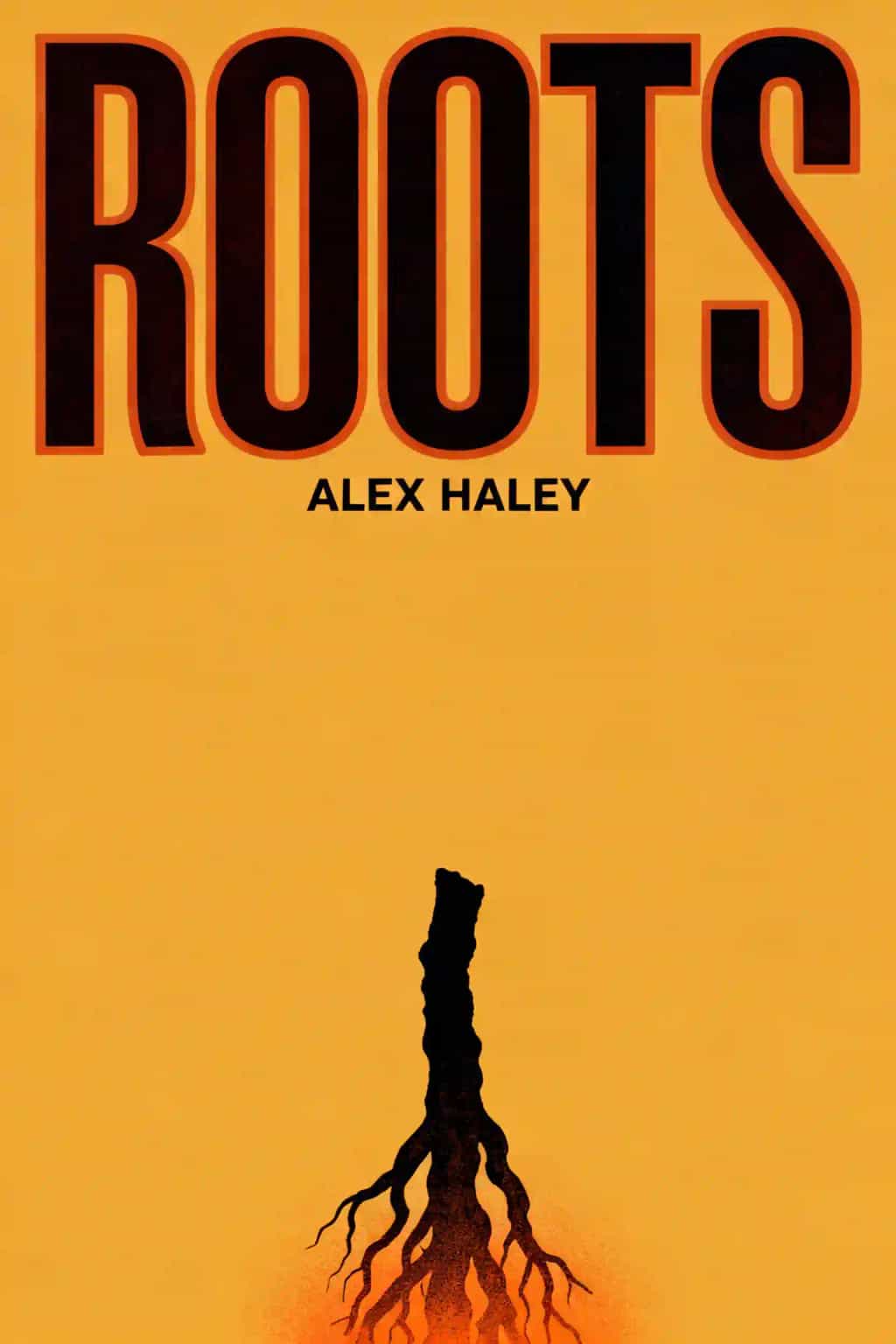
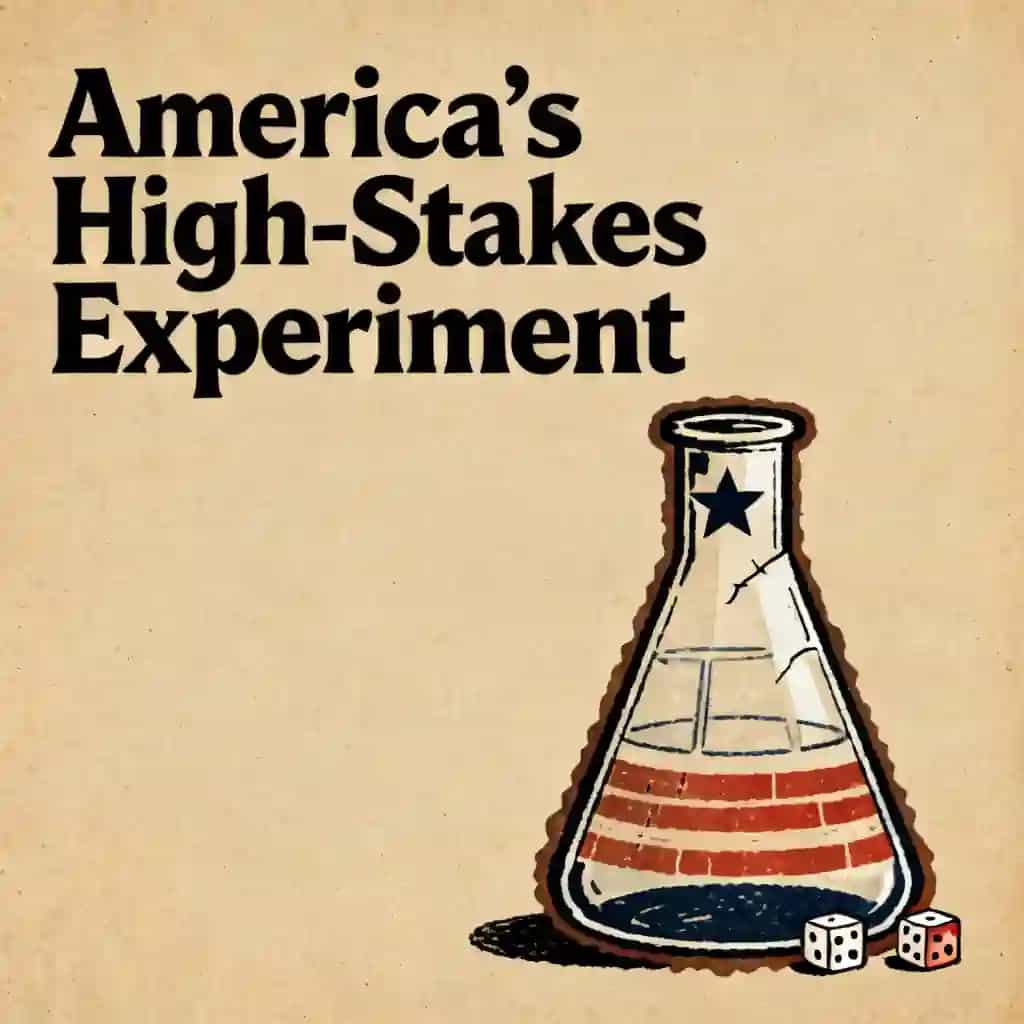
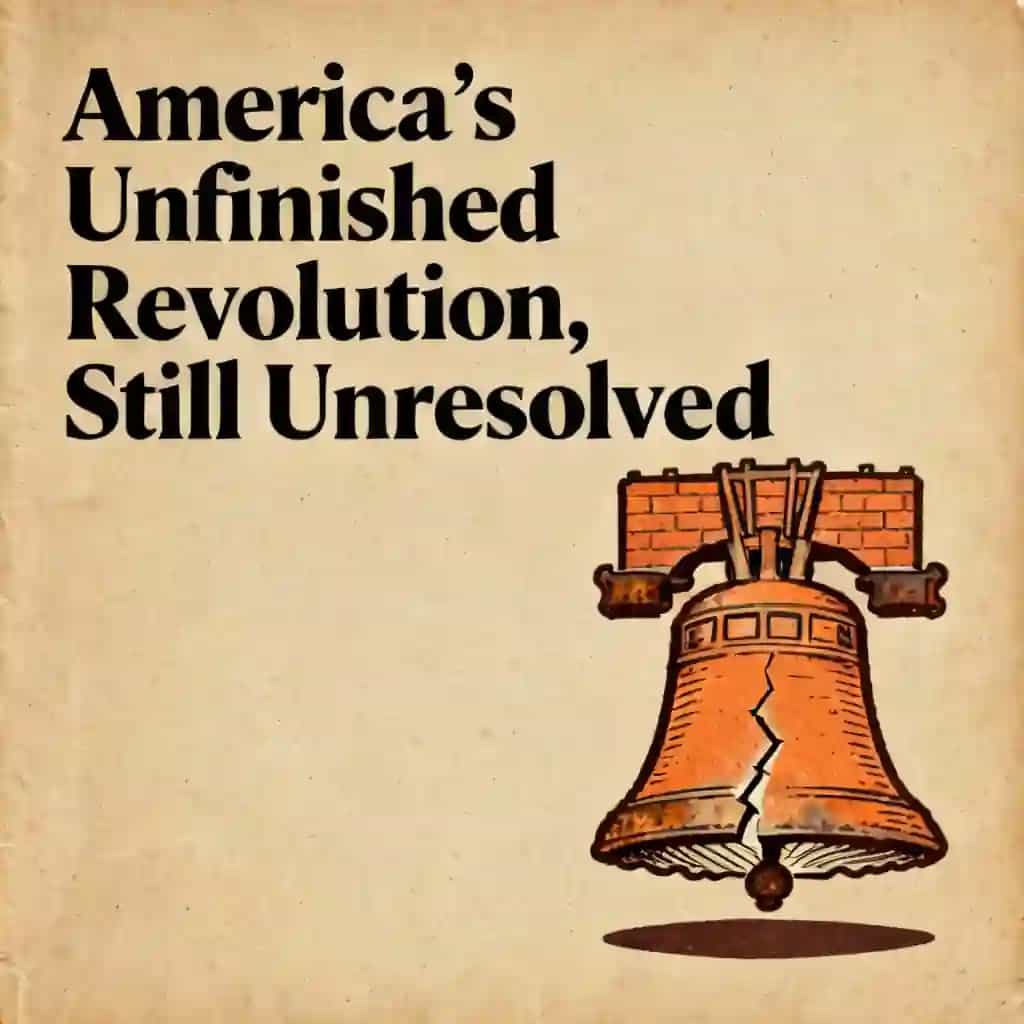
American history is more than just thirteen colonies
We often overlook the ancient cities and global rivalries that shaped early America. Discover how a messy collision of worlds created a living legacy.

Mejor cita de American history is more than just thirteen colonies
The Declaration of Independence set a bar so high that the country is still struggling to clear it today; it planted a seed for a future the founders couldn't even fully imagine yet.
Generated by Trav
American history

Preguntas frecuentes
Cahokia was a massive Indigenous city located near present-day St. Louis that reached its peak around the 12th century. It is a significant historical landmark because its population of 20,000 was actually larger than the population of London at that same time. This highlights that the Americas were home to sophisticated, densely populated, and culturally distinct civilizations long before European explorers arrived.
The Civil War is considered a second founding because it fundamentally remade the Constitution to address deep-seated flaws regarding inequality and slavery. While the original document contained pro-slavery clauses, the post-war Reconstruction Amendments—the 13th, 14th, and 15th—abolished slavery, established birthright citizenship, and guaranteed equal protection under the law. This era shifted the federal government's role into becoming the primary protector of individual rights against state overreach.
Describing the Constitution as a living document refers to its "marvelous elasticity," which allows it to be interpreted and reinterpreted by each new generation. Because the Founders could not have envisioned modern advancements like the internet or airplanes, the document was designed to endure by evolving through judicial interpretation and the amendment process. This flexibility ensures that the country's foundational principles can be applied to contemporary challenges.
The patenting of the cotton gin in 1794 created a massive internal conflict by making cotton production incredibly profitable. This economic shift led to the rapid expansion of slavery in the South just as Northern states were moving away from the institution. This created a deepening geographic and moral divide that made every instance of national expansion, such as the addition of new states, a high-stakes battleground over the future of slavery.
The "trilogy," often called the Charters of Freedom, consists of the Declaration of Independence, the Constitution, and the Bill of Rights. The Declaration served as a radical "break-up letter" to King George III, the Constitution established the framework for a stronger central government after the failure of the Articles of Confederation, and the Bill of Rights added specific protections for individual liberties like freedom of speech and religion.
Creado por exalumnos de la Universidad de Columbia en San Francisco
"Instead of endless scrolling, I just hit play on BeFreed. It saves me so much time."


"I never knew where to start with nonfiction—BeFreed’s book lists turned into podcasts gave me a clear path."


"Perfect balance between learning and entertainment. Finished ‘Thinking, Fast and Slow’ on my commute this week."
"Crazy how much I learned while walking the dog. BeFreed = small habits → big gains."
"Reading used to feel like a chore. Now it’s just part of my lifestyle."

"Feels effortless compared to reading. I’ve finished 6 books this month already."
"BeFreed turned my guilty doomscrolling into something that feels productive and inspiring."

"BeFreed turned my commute into learning time. 20-min podcasts are perfect for finishing books I never had time for."
"BeFreed replaced my podcast queue. Imagine Spotify for books — that’s it. 🙌"

"It is great for me to learn something from the book without reading it."
"The themed book list podcasts help me connect ideas across authors—like a guided audio journey."
"Makes me feel smarter every time before going to work"
Creado por exalumnos de la Universidad de Columbia en San Francisco
"Instead of endless scrolling, I just hit play on BeFreed. It saves me so much time."
"I never knew where to start with nonfiction—BeFreed’s book lists turned into podcasts gave me a clear path."
"Perfect balance between learning and entertainment. Finished ‘Thinking, Fast and Slow’ on my commute this week."
"Crazy how much I learned while walking the dog. BeFreed = small habits → big gains."
"Reading used to feel like a chore. Now it’s just part of my lifestyle."
"Feels effortless compared to reading. I’ve finished 6 books this month already."
"BeFreed turned my guilty doomscrolling into something that feels productive and inspiring."
"BeFreed turned my commute into learning time. 20-min podcasts are perfect for finishing books I never had time for."
"BeFreed replaced my podcast queue. Imagine Spotify for books — that’s it. 🙌"
"It is great for me to learn something from the book without reading it."
"The themed book list podcasts help me connect ideas across authors—like a guided audio journey."
"Makes me feel smarter every time before going to work"
"Instead of endless scrolling, I just hit play on BeFreed. It saves me so much time."
"I never knew where to start with nonfiction—BeFreed’s book lists turned into podcasts gave me a clear path."
"Perfect balance between learning and entertainment. Finished ‘Thinking, Fast and Slow’ on my commute this week."
"Crazy how much I learned while walking the dog. BeFreed = small habits → big gains."
"Reading used to feel like a chore. Now it’s just part of my lifestyle."
"Feels effortless compared to reading. I’ve finished 6 books this month already."
"BeFreed turned my guilty doomscrolling into something that feels productive and inspiring."
"BeFreed turned my commute into learning time. 20-min podcasts are perfect for finishing books I never had time for."
"BeFreed replaced my podcast queue. Imagine Spotify for books — that’s it. 🙌"
"It is great for me to learn something from the book without reading it."
"The themed book list podcasts help me connect ideas across authors—like a guided audio journey."
"Makes me feel smarter every time before going to work"
"Instead of endless scrolling, I just hit play on BeFreed. It saves me so much time."
"I never knew where to start with nonfiction—BeFreed’s book lists turned into podcasts gave me a clear path."
"Perfect balance between learning and entertainment. Finished ‘Thinking, Fast and Slow’ on my commute this week."
"Crazy how much I learned while walking the dog. BeFreed = small habits → big gains."
"Reading used to feel like a chore. Now it’s just part of my lifestyle."
"Feels effortless compared to reading. I’ve finished 6 books this month already."
"BeFreed turned my guilty doomscrolling into something that feels productive and inspiring."
"BeFreed turned my commute into learning time. 20-min podcasts are perfect for finishing books I never had time for."
"BeFreed replaced my podcast queue. Imagine Spotify for books — that’s it. 🙌"
"It is great for me to learn something from the book without reading it."
"The themed book list podcasts help me connect ideas across authors—like a guided audio journey."
"Makes me feel smarter every time before going to work"