AI Intelligent Tutoring Systems for Personalized Learning Support
Explore how AI-powered intelligent tutoring systems provide personalized one-on-one support, real-time feedback, and guidance to help learners bridge knowledge gaps.

Mejor cita de AI Intelligent Tutoring Systems for Personalized Learning Support
We’ve known since the eighties that one-on-one tutoring is the gold standard, but it was always too expensive to scale. Now, we’re seeing these AI-powered systems provide that same level of personalized feedback and guidance to move a student from a 'D' to a 'C' grade.
Generated by VIKASH KUMAR JAIN
Using AI-powered intelligent tutoring systems to provide one-on-one support, real-time feedback, and guidance, helping learners to overcome knowledge gaps and achieve their learning objectives

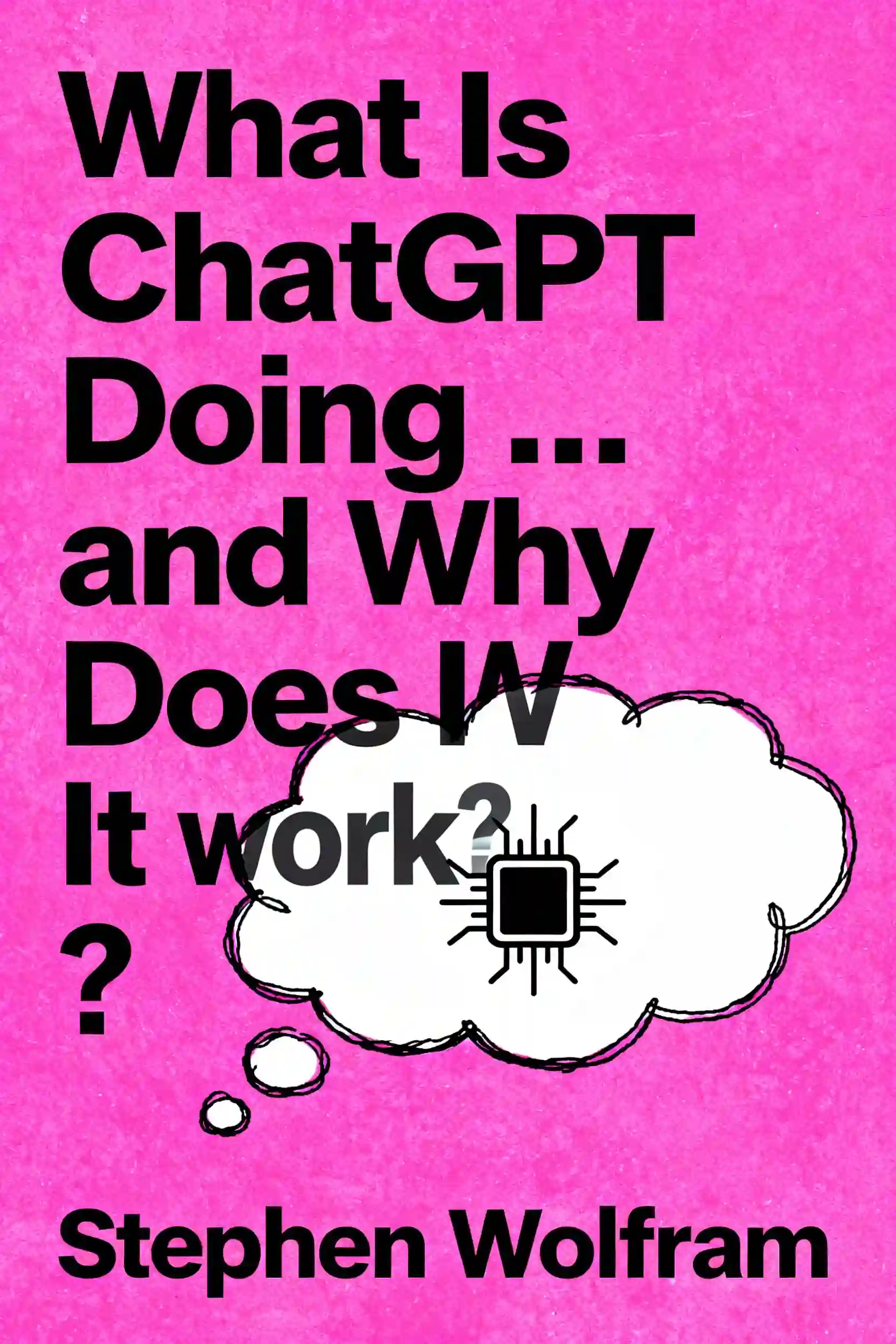
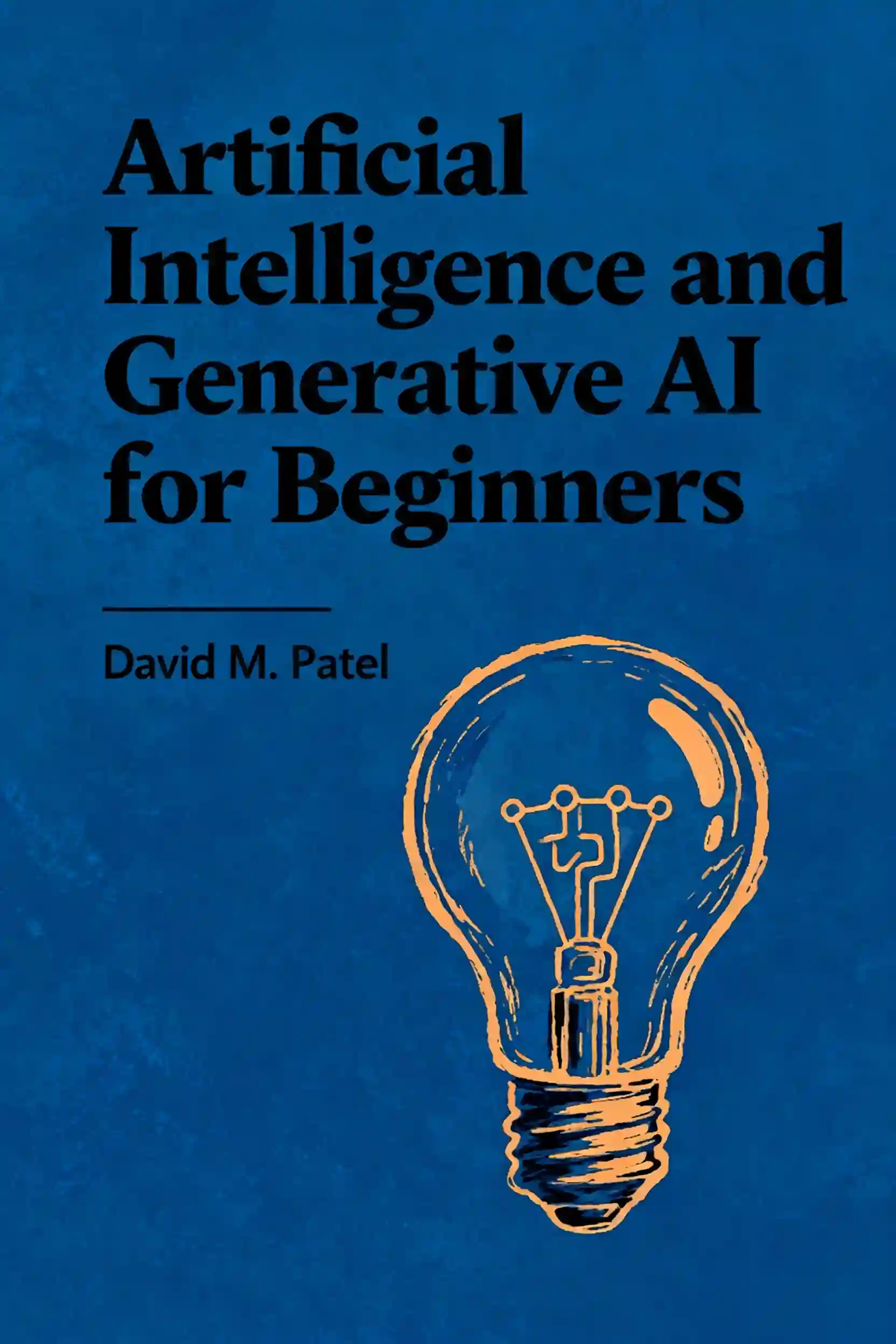
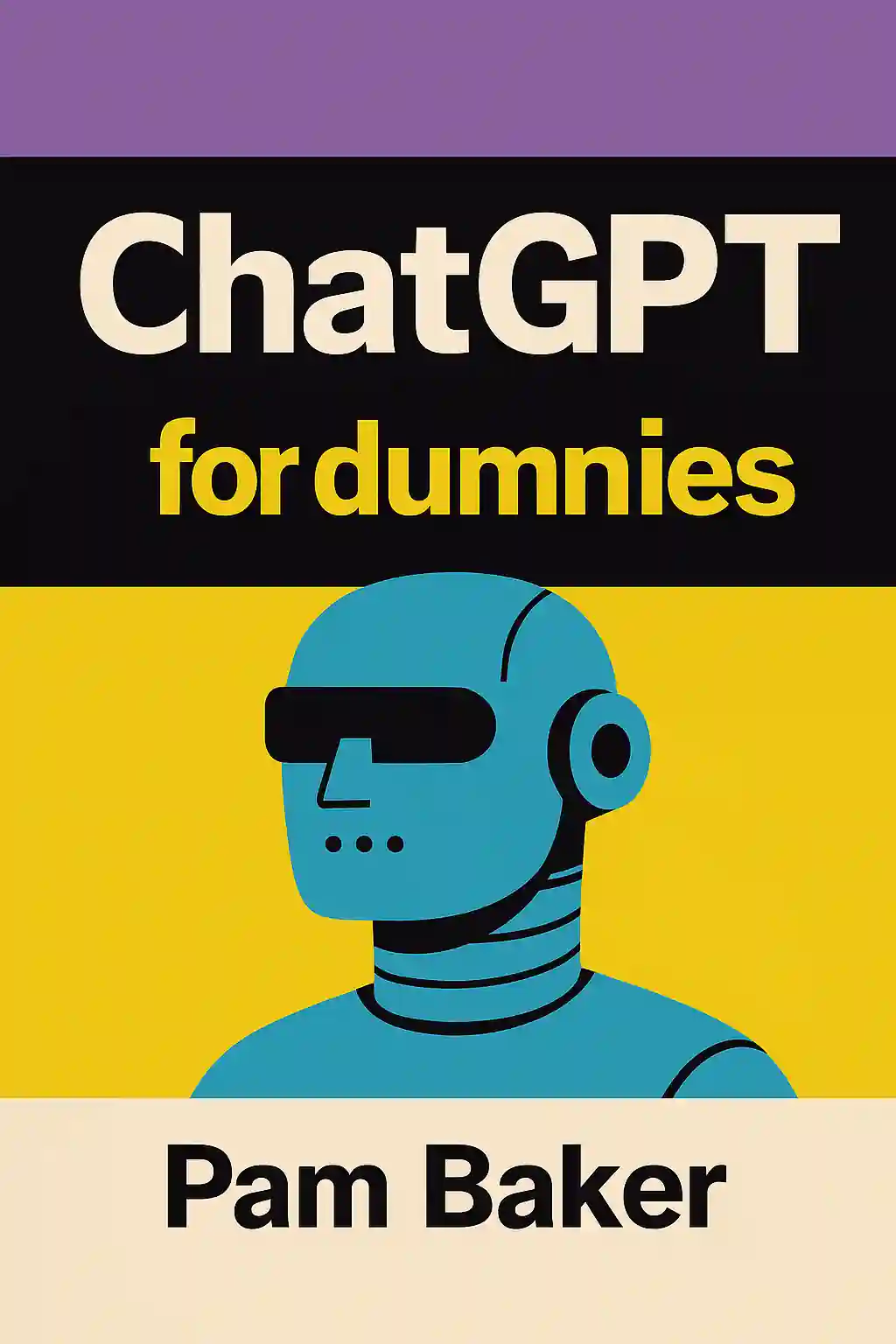
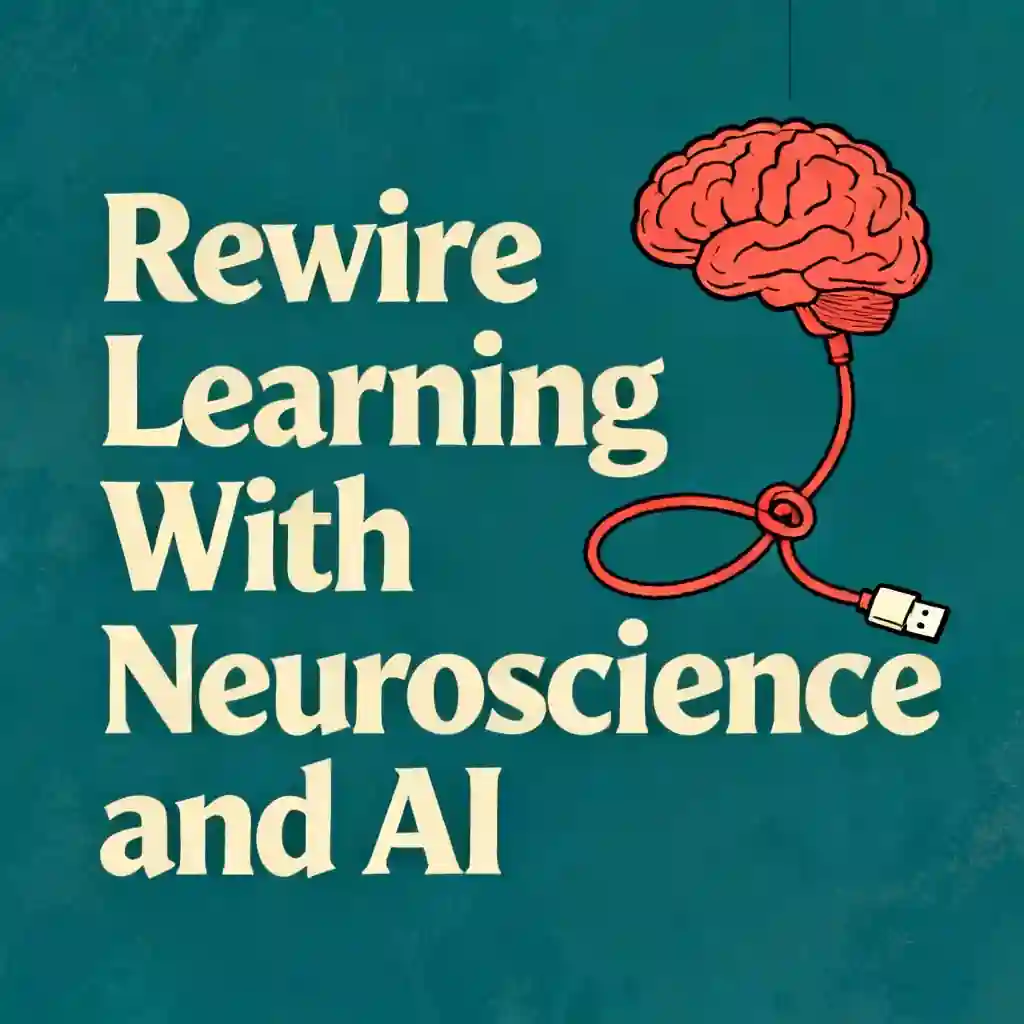
Preguntas frecuentes
AI-powered intelligent tutoring systems are advanced educational tools designed to provide personalized learning support to students. By leveraging artificial intelligence, these systems offer one-on-one guidance and real-time feedback, simulating the experience of a human tutor. This technology helps learners navigate complex subjects by adapting to their unique pace and style, ensuring they stay on track to meet their specific learning objectives efficiently.
Real-time feedback is a core component of intelligent tutoring systems that allows for immediate correction and guidance. Instead of waiting for graded assignments, learners receive instant insights into their performance, which helps them understand mistakes as they happen. This continuous loop of feedback reinforces positive learning habits and ensures that students can adjust their approach instantly to better achieve their educational goals.
Yes, AI in education excels at knowledge gap analysis by tracking a learner's progress and identifying specific areas where they struggle. Once a gap is identified, the intelligent tutoring system provides targeted support and resources to address those weaknesses. This personalized approach ensures that no foundational concepts are missed, allowing the learner to build a stronger overall understanding of the subject matter.
One-on-one AI support offers a scalable way to provide individualized attention to every student. These systems adapt to the learner's specific needs, providing customized explanations and guidance that a traditional classroom setting might lack. By focusing on the individual's unique challenges and learning objectives, AI tutors help students overcome obstacles more quickly and build the confidence necessary for long-term academic success.
Creado por exalumnos de la Universidad de Columbia en San Francisco
"Instead of endless scrolling, I just hit play on BeFreed. It saves me so much time."


"I never knew where to start with nonfiction—BeFreed’s book lists turned into podcasts gave me a clear path."


"Perfect balance between learning and entertainment. Finished ‘Thinking, Fast and Slow’ on my commute this week."
"Crazy how much I learned while walking the dog. BeFreed = small habits → big gains."
"Reading used to feel like a chore. Now it’s just part of my lifestyle."

"Feels effortless compared to reading. I’ve finished 6 books this month already."
"BeFreed turned my guilty doomscrolling into something that feels productive and inspiring."

"BeFreed turned my commute into learning time. 20-min podcasts are perfect for finishing books I never had time for."
"BeFreed replaced my podcast queue. Imagine Spotify for books — that’s it. 🙌"

"It is great for me to learn something from the book without reading it."
"The themed book list podcasts help me connect ideas across authors—like a guided audio journey."
"Makes me feel smarter every time before going to work"
Creado por exalumnos de la Universidad de Columbia en San Francisco
"Instead of endless scrolling, I just hit play on BeFreed. It saves me so much time."
"I never knew where to start with nonfiction—BeFreed’s book lists turned into podcasts gave me a clear path."
"Perfect balance between learning and entertainment. Finished ‘Thinking, Fast and Slow’ on my commute this week."
"Crazy how much I learned while walking the dog. BeFreed = small habits → big gains."
"Reading used to feel like a chore. Now it’s just part of my lifestyle."
"Feels effortless compared to reading. I’ve finished 6 books this month already."
"BeFreed turned my guilty doomscrolling into something that feels productive and inspiring."
"BeFreed turned my commute into learning time. 20-min podcasts are perfect for finishing books I never had time for."
"BeFreed replaced my podcast queue. Imagine Spotify for books — that’s it. 🙌"
"It is great for me to learn something from the book without reading it."
"The themed book list podcasts help me connect ideas across authors—like a guided audio journey."
"Makes me feel smarter every time before going to work"
"Instead of endless scrolling, I just hit play on BeFreed. It saves me so much time."
"I never knew where to start with nonfiction—BeFreed’s book lists turned into podcasts gave me a clear path."
"Perfect balance between learning and entertainment. Finished ‘Thinking, Fast and Slow’ on my commute this week."
"Crazy how much I learned while walking the dog. BeFreed = small habits → big gains."
"Reading used to feel like a chore. Now it’s just part of my lifestyle."
"Feels effortless compared to reading. I’ve finished 6 books this month already."
"BeFreed turned my guilty doomscrolling into something that feels productive and inspiring."
"BeFreed turned my commute into learning time. 20-min podcasts are perfect for finishing books I never had time for."
"BeFreed replaced my podcast queue. Imagine Spotify for books — that’s it. 🙌"
"It is great for me to learn something from the book without reading it."
"The themed book list podcasts help me connect ideas across authors—like a guided audio journey."
"Makes me feel smarter every time before going to work"
"Instead of endless scrolling, I just hit play on BeFreed. It saves me so much time."
"I never knew where to start with nonfiction—BeFreed’s book lists turned into podcasts gave me a clear path."
"Perfect balance between learning and entertainment. Finished ‘Thinking, Fast and Slow’ on my commute this week."
"Crazy how much I learned while walking the dog. BeFreed = small habits → big gains."
"Reading used to feel like a chore. Now it’s just part of my lifestyle."
"Feels effortless compared to reading. I’ve finished 6 books this month already."
"BeFreed turned my guilty doomscrolling into something that feels productive and inspiring."
"BeFreed turned my commute into learning time. 20-min podcasts are perfect for finishing books I never had time for."
"BeFreed replaced my podcast queue. Imagine Spotify for books — that’s it. 🙌"
"It is great for me to learn something from the book without reading it."
"The themed book list podcasts help me connect ideas across authors—like a guided audio journey."
"Makes me feel smarter every time before going to work"