Explore why traditional self-discipline fails the ADHD brain. Learn how executive function and dopamine impact focus and why systems beat willpower for success.
Mejor cita de ADHD and the Discipline Myth: Rethinking Executive Function
“
Self-discipline with ADHD isn’t about building a bigger willpower muscle; it’s about moving from a mindset of 'I need to do everything right' to 'I need to keep showing up' by using external structures rather than internal force.
”
J
Generated by Jantje
Pregunta de entrada
Hoe lun jeet adhd toch zelf discipline regelen. Daar gaat het vaak mis
Traditional self-discipline often relies on forcing focus through willpower, which runs counter to ADHD brain biology. For an ADHD brain, the struggle to get things done is not a character flaw or a lack of care; it is an issue with executive function and how the brain processes dopamine. When tasks feel vague or boring, the brain struggles to find the necessary signal to start, making the 'how' of productivity feel incredibly elusive.
Dopamine plays a critical role in how the ADHD brain finds its 'go' signal for tasks. Because the ADHD brain thrives on things that are new, interesting, or urgent, it can be difficult to engage with tasks that are merely important but not exciting. This biological reality means that the gears of productivity don't turn the same way as they do for others, often leading to distractions like deep-sea squid research instead of intended work.
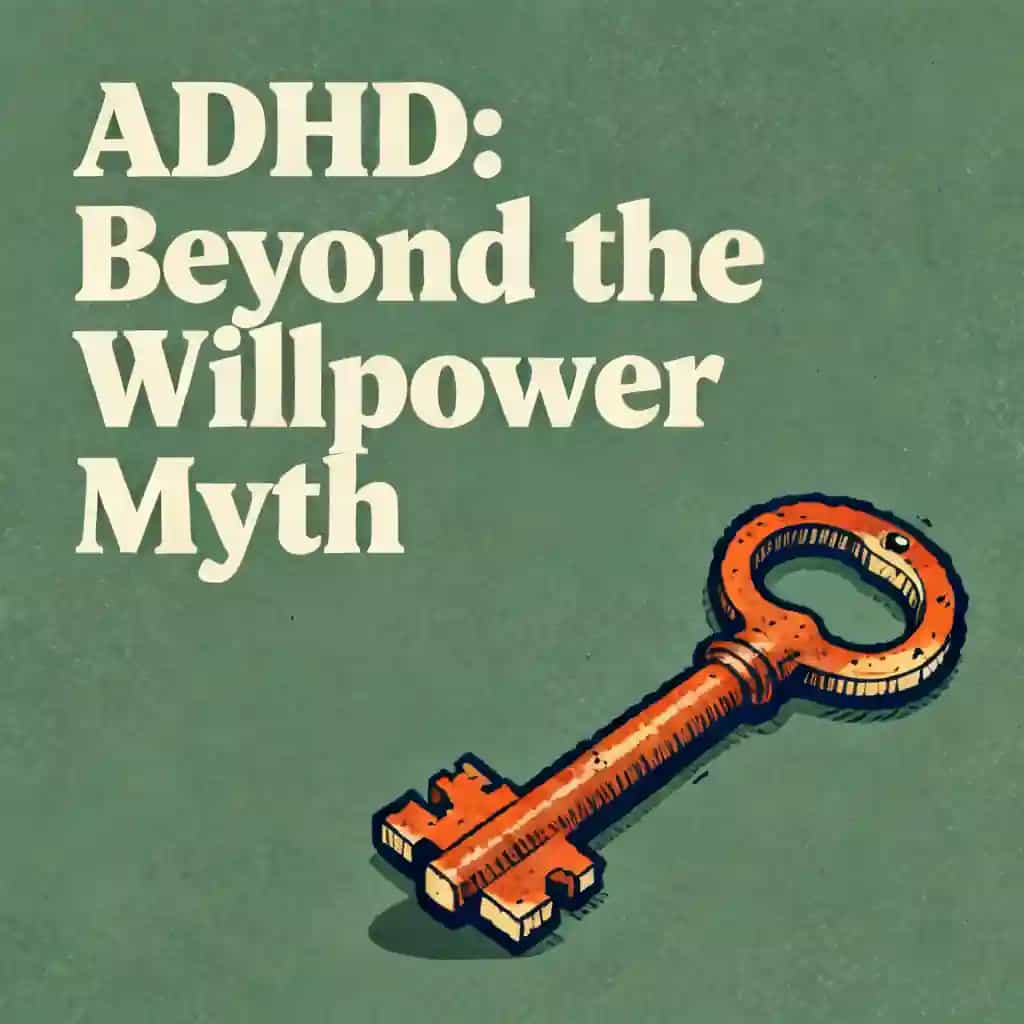
The 'discipline myth' suggests that focus is a moral muscle you either have or you don't. However, rethinking this through the lens of executive function reveals that it is actually about how the brain regulates itself. Instead of trying to build a bigger willpower muscle, which often leads to guilt and frustration, individuals should focus on building better systems that align with their biology rather than fighting against it.
Moving past guilt requires understanding that distraction is a result of brain biology rather than a moral failing. The guilt associated with being 'four tabs deep' into a distraction often does more damage than the distraction itself. By recognizing that the ADHD brain requires interest or urgency to engage, individuals can stop relying on traditional willpower and start implementing systems that work with their natural executive function.
Creado por exalumnos de la Universidad de Columbia | en San Francisco
BeFreed Reúne a una Comunidad Global de Mentes Curiosas
4.7
valoración media
Más de 7,84 mil valoraciones de la app
Comunidad BeFreed
En serio, todavía no he explorado la app a fondo, pero después de usarla estos últimos días estoy impresionadísima… BeFreed está en otro nivel comparada con cualquier otra app de aprendizaje que haya usado. Te engancha muchísimo y de verdad mejora la concentración, ¡ideal para los que no paran de hacer scroll!
@ladyInfinity
Compré BeFreed hace exactamente 23 días y lo he usado todos los días desde entonces. Se ha integrado por completo en mi rutina diaria de trabajo y aprendizaje.
@jayallen
La verdad es que la app ha superado todas mis expectativas. Puedo pedirle que genere audio sobre cualquier tema, sea cual sea, y el resultado es impresionante. Mi campo profesional es una especialización en psicoterapia y es multidisciplinario; aun así, las respuestas son muy precisas.
@Raguipa
Lo que más valoro es cuánto ha reducido mi scroll: paso menos tiempo buscando y más tiempo absorbiendo información. La combinación de audiolibros completos, podcasts y los planes de aprendizaje es brillante.
@colonyofcreatorsNGO
Llevo 24 años siendo instructor de aprendizaje acelerado PhotoReading… los libros, la lectura y el aprendizaje son lo mío, y BeFreed ha hecho un gran trabajo ofreciendo un enfoque innovador para transmitir información de una forma fácil de consumir.
@BeFreed user
No es solo una app de resúmenes de libros: he usado la opción de lectura divertida y es un resumen mucho mejor y una forma más fácil de captar las ideas que la manera tradicional; solo eso ya vale la pena.
@austinakon
Me encanta esta app. La he usado varios días y no puedo dejar de escuchar. Una forma buenísima de empezar.
@jcrules328
Me gusta mucho el programa; llevo alrededor de un mes probándolo y siento que es una verdadera joya. Funciona genial porque puedo usar BeFreed para crear mis propios temas, y la voz es buenísima, con opciones de narración ilimitadas.
@DanielCZ
En serio, todavía no he explorado la app a fondo, pero después de usarla estos últimos días estoy impresionadísima… BeFreed está en otro nivel comparada con cualquier otra app de aprendizaje que haya usado. Te engancha muchísimo y de verdad mejora la concentración, ¡ideal para los que no paran de hacer scroll!
@ladyInfinity
Compré BeFreed hace exactamente 23 días y lo he usado todos los días desde entonces. Se ha integrado por completo en mi rutina diaria de trabajo y aprendizaje.
@jayallen
La verdad es que la app ha superado todas mis expectativas. Puedo pedirle que genere audio sobre cualquier tema, sea cual sea, y el resultado es impresionante. Mi campo profesional es una especialización en psicoterapia y es multidisciplinario; aun así, las respuestas son muy precisas.
@Raguipa
Lo que más valoro es cuánto ha reducido mi scroll: paso menos tiempo buscando y más tiempo absorbiendo información. La combinación de audiolibros completos, podcasts y los planes de aprendizaje es brillante.
@colonyofcreatorsNGO
Llevo 24 años siendo instructor de aprendizaje acelerado PhotoReading… los libros, la lectura y el aprendizaje son lo mío, y BeFreed ha hecho un gran trabajo ofreciendo un enfoque innovador para transmitir información de una forma fácil de consumir.
@BeFreed user
No es solo una app de resúmenes de libros: he usado la opción de lectura divertida y es un resumen mucho mejor y una forma más fácil de captar las ideas que la manera tradicional; solo eso ya vale la pena.
@austinakon
Me encanta esta app. La he usado varios días y no puedo dejar de escuchar. Una forma buenísima de empezar.
@jcrules328
Me gusta mucho el programa; llevo alrededor de un mes probándolo y siento que es una verdadera joya. Funciona genial porque puedo usar BeFreed para crear mis propios temas, y la voz es buenísima, con opciones de narración ilimitadas.
@DanielCZ
Me encanta poder recibir información e ideas útiles y condensadas en un audio estilo podcast de 8 a 15 minutos. No soy muy fan de los podcasts por tanto relleno, pero esto va directo al grano.
@BeFreed user
Estoy terminando mi doctorado y tengo que leer muchísimo material desconocido… Con BeFreed simplemente escribes un prompt y la app encuentra las fuentes por ti y genera un podcast en audio. El proceso de BeFreed me parece más ágil que el de NotebookLM.
@Brad
Suelo buscar en YouTube algo que escuchar mientras preparo el desayuno, salgo a caminar o voy al trabajo, ¡y BeFreed ofrece un enfoque aún más certero, sin anuncios y sin relleno!
@BeFreed user
Lo mejor de esta plataforma es su versatilidad. Literalmente no hay tema que quede fuera. Le lanzas lo que sea y lo maneja… Es raro encontrar una herramienta de aprendizaje sin limitaciones que de verdad cumpla lo que promete.
@jayallen
BeFreed es fantástica. Su diseño intuitivo hace que pase menos tiempo navegando y más tiempo aprendiendo. La mezcla de audiolibros, podcasts y planes de aprendizaje es una combinación genial que ha cambiado por completo mi rutina diaria.
@BeFreed user
Al principio me llevó un rato entender cómo crear podcasts en italiano y ¡boom! ¡Es genial! Puedo pedirle que me explique cualquier tema y lo hace súper bien y con mucha inteligencia.
@matteo77
BeFreed se ha convertido en mi app diaria de audiolibros… Lo que más me gusta es que pones tu texto y te devuelve un audio que puedes escuchar donde sea.
@kotanzu1
Me encanta poder recibir información e ideas útiles y condensadas en un audio estilo podcast de 8 a 15 minutos. No soy muy fan de los podcasts por tanto relleno, pero esto va directo al grano.
@BeFreed user
Estoy terminando mi doctorado y tengo que leer muchísimo material desconocido… Con BeFreed simplemente escribes un prompt y la app encuentra las fuentes por ti y genera un podcast en audio. El proceso de BeFreed me parece más ágil que el de NotebookLM.
@Brad
Suelo buscar en YouTube algo que escuchar mientras preparo el desayuno, salgo a caminar o voy al trabajo, ¡y BeFreed ofrece un enfoque aún más certero, sin anuncios y sin relleno!
@BeFreed user
Lo mejor de esta plataforma es su versatilidad. Literalmente no hay tema que quede fuera. Le lanzas lo que sea y lo maneja… Es raro encontrar una herramienta de aprendizaje sin limitaciones que de verdad cumpla lo que promete.
@jayallen
BeFreed es fantástica. Su diseño intuitivo hace que pase menos tiempo navegando y más tiempo aprendiendo. La mezcla de audiolibros, podcasts y planes de aprendizaje es una combinación genial que ha cambiado por completo mi rutina diaria.
@BeFreed user
Al principio me llevó un rato entender cómo crear podcasts en italiano y ¡boom! ¡Es genial! Puedo pedirle que me explique cualquier tema y lo hace súper bien y con mucha inteligencia.
@matteo77
BeFreed se ha convertido en mi app diaria de audiolibros… Lo que más me gusta es que pones tu texto y te devuelve un audio que puedes escuchar donde sea.
Stop fighting your brain with 'willpower.' Learn how Gabrielle Newman uses the gut-brain axis and nervous system regulation to build routines that stick.
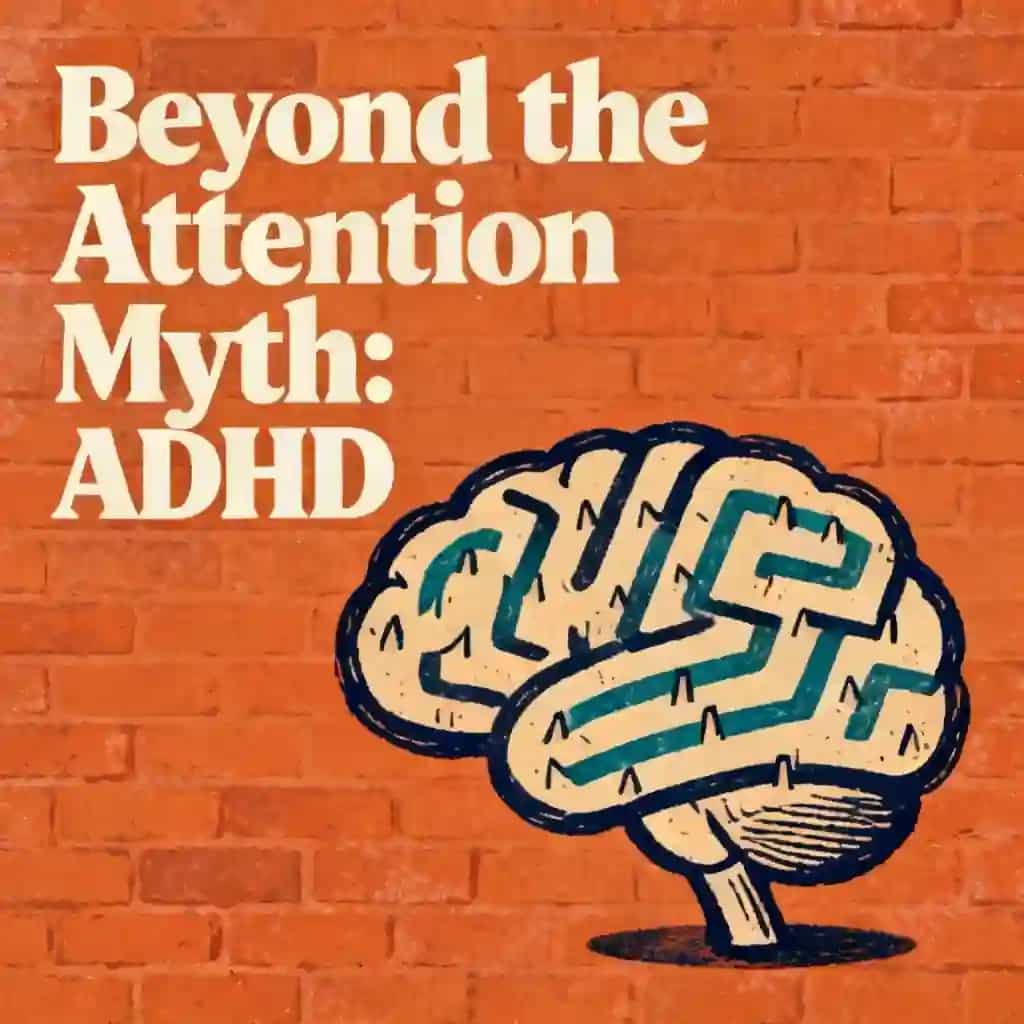
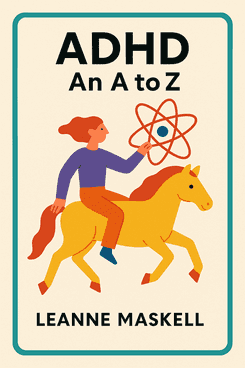
Discover how ADHD isn't about lacking attention but controlling it, affecting both children and adults. Learn about brain differences, treatment options, and practical strategies for success in daily life.
Discover why traditional confidence advice fails ADHD brains and learn practical systems that work with your unique operating system to build lasting self-assurance.
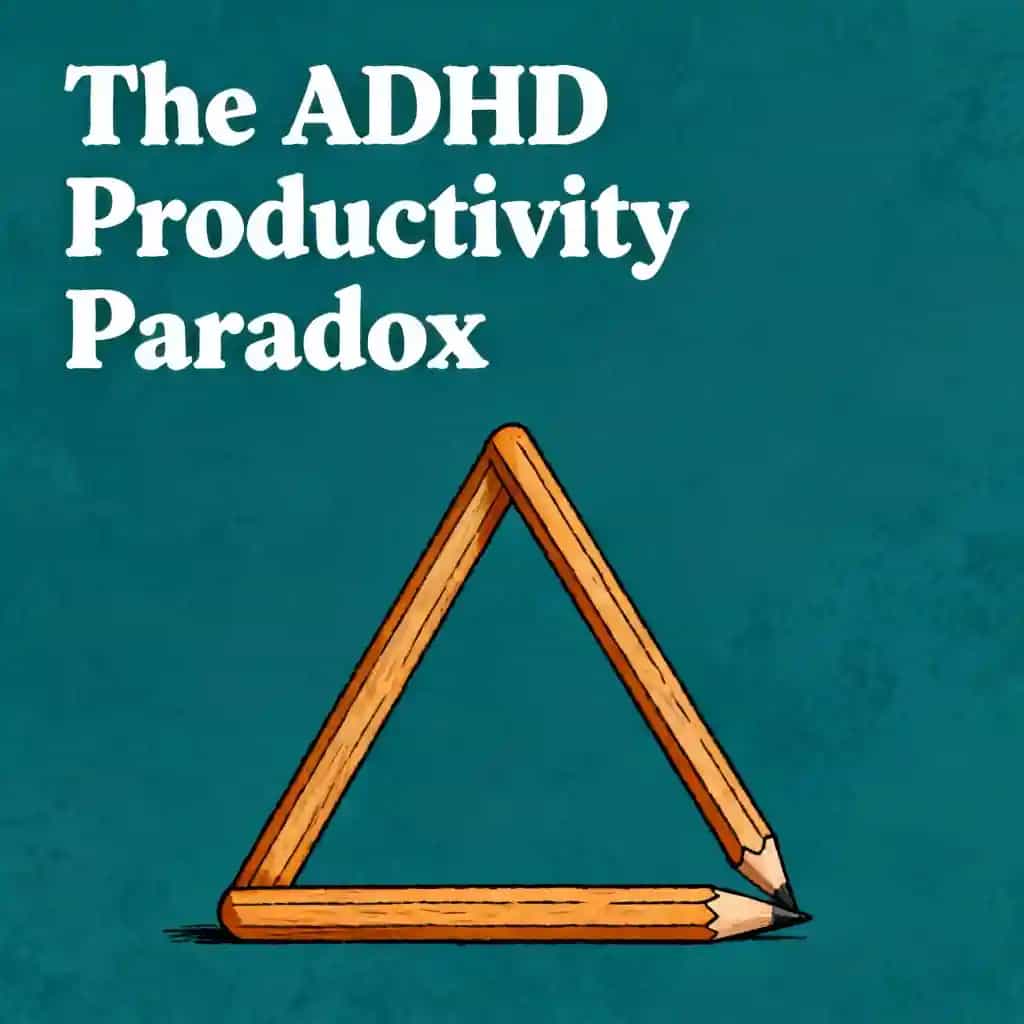
Discover why traditional productivity systems fail ADHD brains and learn to build flexible workflows that work with your unique wiring, not against it.















![[PDF] The Important Role of Executive Functioning and Self-Regulation in ...](/_next/image?url=https%3A%2F%2Fd1y2du6z1jfm9e.cloudfront.net%2Fassets%2Fpodcast%2Fpurple.png&w=1024&q=50)