Accelerated Learning for Adults: Strategies and Techniques
Master accelerated learning for adults with proven strategies for rapid skill acquisition, cognitive techniques, and effective study habits for lifelong success.

Mejor cita de Accelerated Learning for Adults: Strategies and Techniques
Frustration and confusion aren’t signs that you’re failing; they are the biological prerequisites for your brain to physically change. If you aren't making errors, you aren't learning—you're just rehearsing what you already know.
Generated by Matt
I want to leanrn more on accelerated learning as an adult.

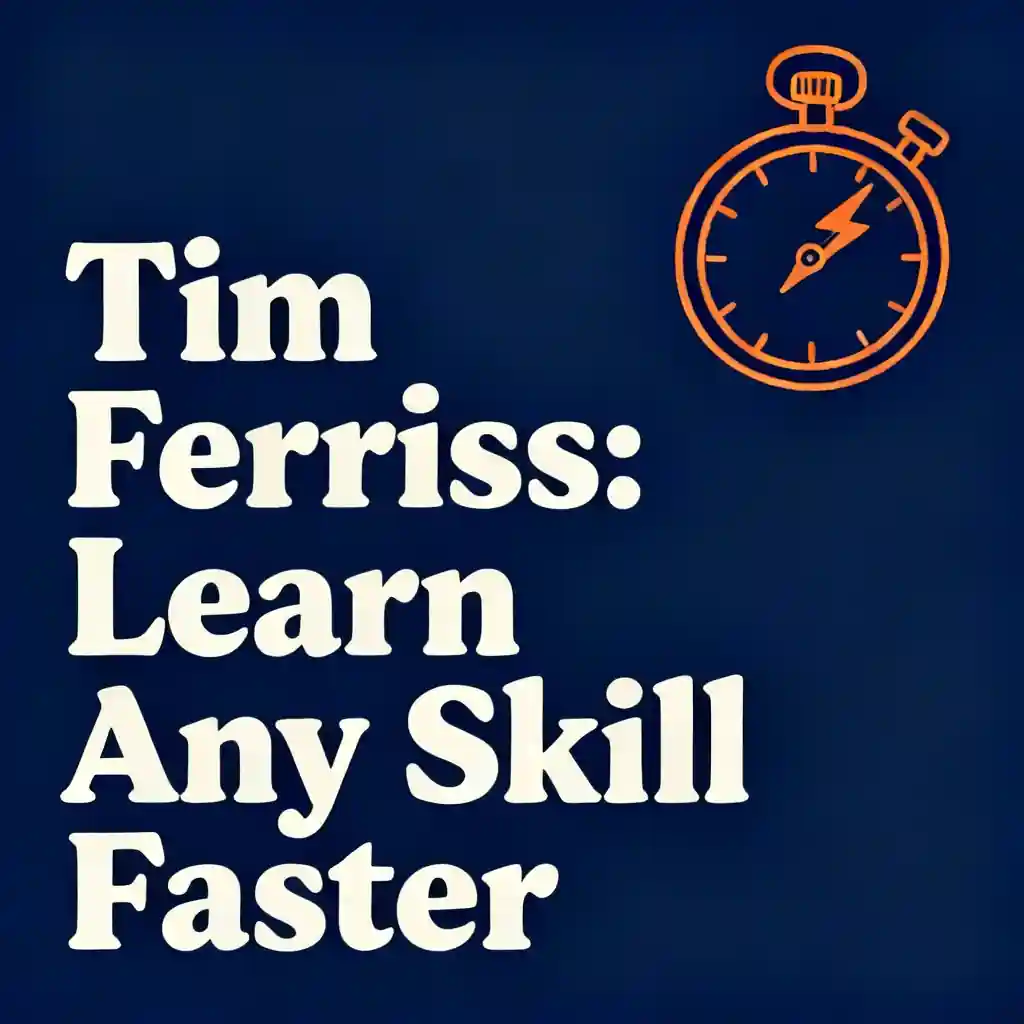
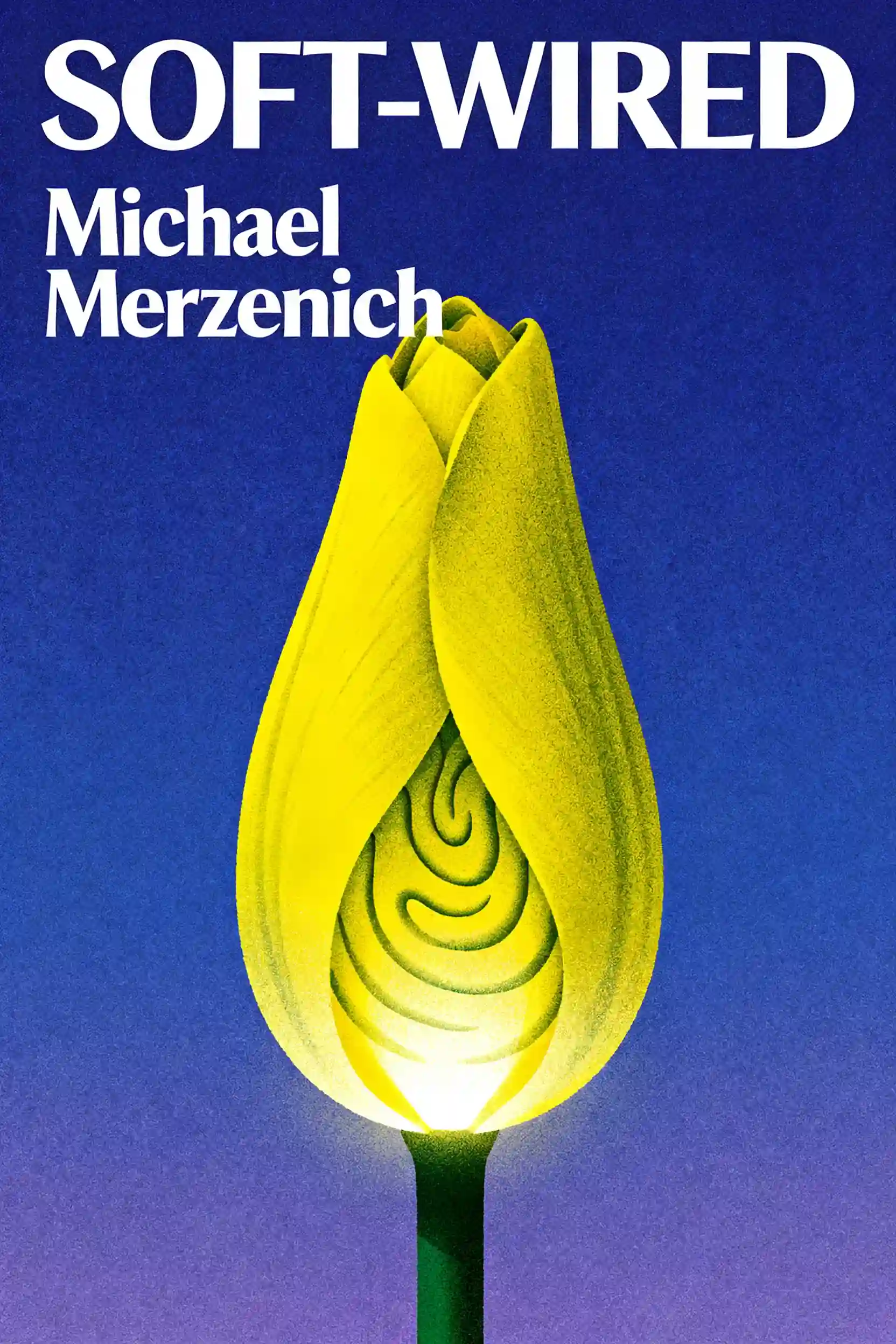
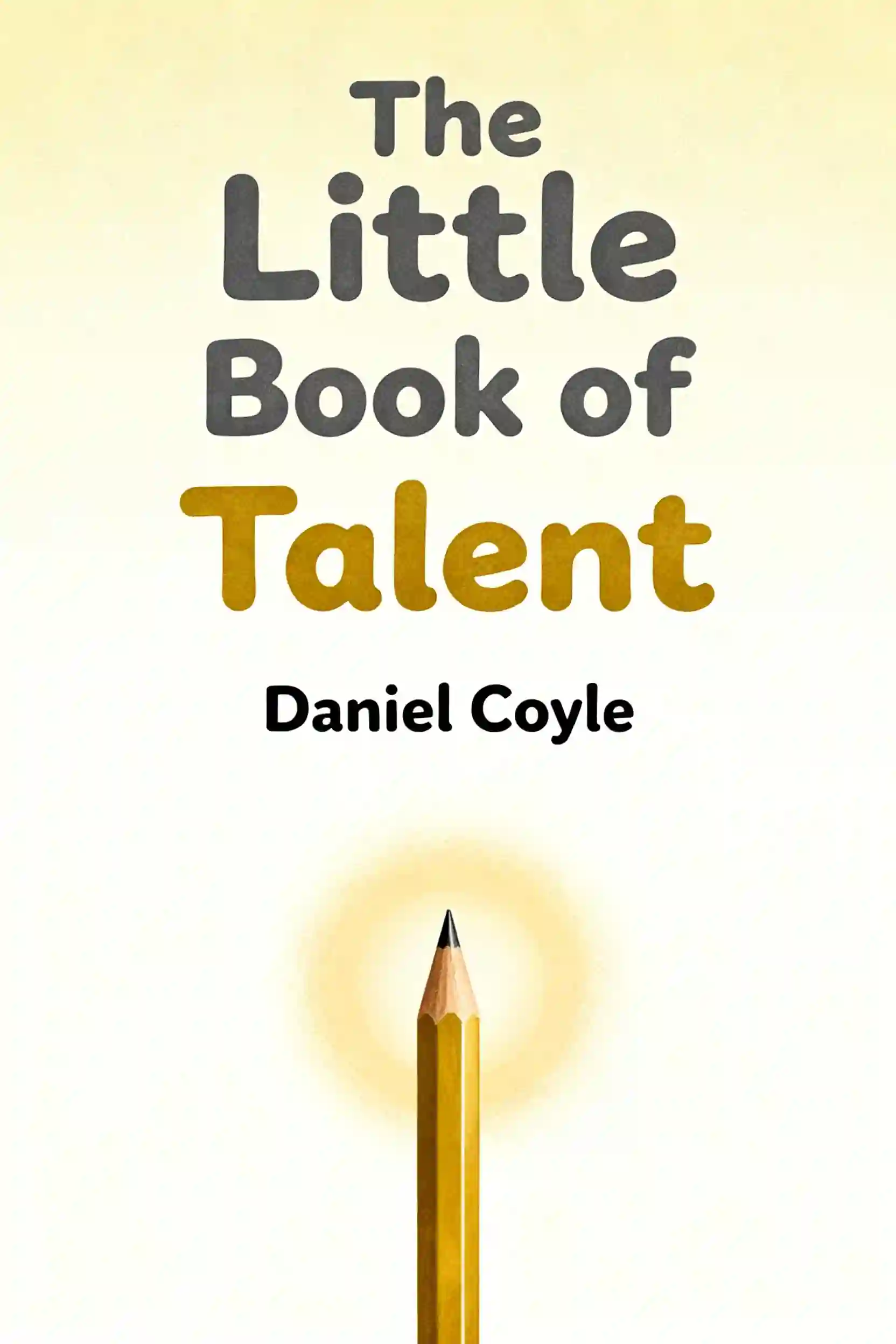
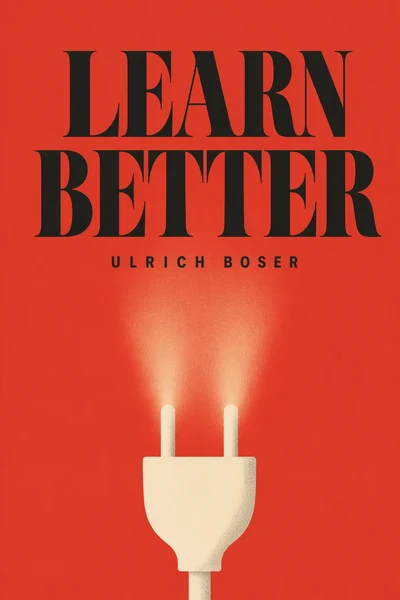
Preguntas frecuentes
Accelerated learning for adults is a systematic approach to acquiring new skills and knowledge more efficiently than traditional methods. By utilizing specific cognitive learning techniques and adult learning strategies, individuals can bypass common educational plateaus. This process focuses on how the brain naturally processes information, allowing for rapid skill acquisition and better long-term retention, which is essential for busy professionals and lifelong learners.
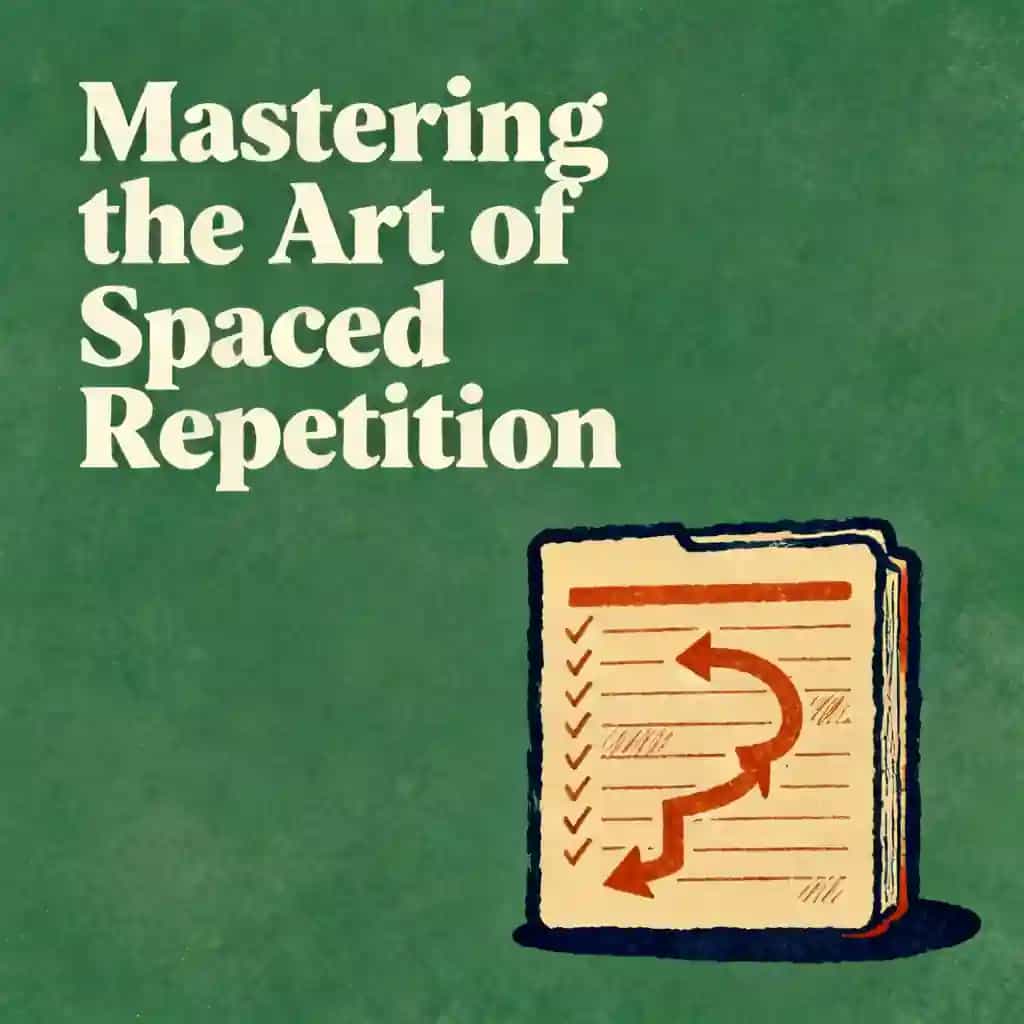
To improve rapid skill acquisition, you should focus on high-impact cognitive learning techniques such as active recall and spaced repetition. These methods help transition information from short-term to long-term memory more effectively than passive reading. Additionally, breaking down complex subjects into smaller, manageable components allows adults to build mastery quickly while maintaining effective study habits that fit into a demanding schedule.
The best study habits for adults involve creating a structured environment that minimizes distractions and maximizes focus. Implementing techniques like the Pomodoro method or immersion learning can significantly enhance your results. Because adult learning strategies often require balancing work and education, consistency is more important than duration; short, frequent sessions are typically more effective for lifelong learning than infrequent, long cramming sessions.
Creado por exalumnos de la Universidad de Columbia en San Francisco
"Instead of endless scrolling, I just hit play on BeFreed. It saves me so much time."


"I never knew where to start with nonfiction—BeFreed’s book lists turned into podcasts gave me a clear path."


"Perfect balance between learning and entertainment. Finished ‘Thinking, Fast and Slow’ on my commute this week."
"Crazy how much I learned while walking the dog. BeFreed = small habits → big gains."
"Reading used to feel like a chore. Now it’s just part of my lifestyle."

"Feels effortless compared to reading. I’ve finished 6 books this month already."
"BeFreed turned my guilty doomscrolling into something that feels productive and inspiring."

"BeFreed turned my commute into learning time. 20-min podcasts are perfect for finishing books I never had time for."
"BeFreed replaced my podcast queue. Imagine Spotify for books — that’s it. 🙌"

"It is great for me to learn something from the book without reading it."
"The themed book list podcasts help me connect ideas across authors—like a guided audio journey."
"Makes me feel smarter every time before going to work"
Creado por exalumnos de la Universidad de Columbia en San Francisco
"Instead of endless scrolling, I just hit play on BeFreed. It saves me so much time."
"I never knew where to start with nonfiction—BeFreed’s book lists turned into podcasts gave me a clear path."
"Perfect balance between learning and entertainment. Finished ‘Thinking, Fast and Slow’ on my commute this week."
"Crazy how much I learned while walking the dog. BeFreed = small habits → big gains."
"Reading used to feel like a chore. Now it’s just part of my lifestyle."
"Feels effortless compared to reading. I’ve finished 6 books this month already."
"BeFreed turned my guilty doomscrolling into something that feels productive and inspiring."
"BeFreed turned my commute into learning time. 20-min podcasts are perfect for finishing books I never had time for."
"BeFreed replaced my podcast queue. Imagine Spotify for books — that’s it. 🙌"
"It is great for me to learn something from the book without reading it."
"The themed book list podcasts help me connect ideas across authors—like a guided audio journey."
"Makes me feel smarter every time before going to work"
"Instead of endless scrolling, I just hit play on BeFreed. It saves me so much time."
"I never knew where to start with nonfiction—BeFreed’s book lists turned into podcasts gave me a clear path."
"Perfect balance between learning and entertainment. Finished ‘Thinking, Fast and Slow’ on my commute this week."
"Crazy how much I learned while walking the dog. BeFreed = small habits → big gains."
"Reading used to feel like a chore. Now it’s just part of my lifestyle."
"Feels effortless compared to reading. I’ve finished 6 books this month already."
"BeFreed turned my guilty doomscrolling into something that feels productive and inspiring."
"BeFreed turned my commute into learning time. 20-min podcasts are perfect for finishing books I never had time for."
"BeFreed replaced my podcast queue. Imagine Spotify for books — that’s it. 🙌"
"It is great for me to learn something from the book without reading it."
"The themed book list podcasts help me connect ideas across authors—like a guided audio journey."
"Makes me feel smarter every time before going to work"
"Instead of endless scrolling, I just hit play on BeFreed. It saves me so much time."
"I never knew where to start with nonfiction—BeFreed’s book lists turned into podcasts gave me a clear path."
"Perfect balance between learning and entertainment. Finished ‘Thinking, Fast and Slow’ on my commute this week."
"Crazy how much I learned while walking the dog. BeFreed = small habits → big gains."
"Reading used to feel like a chore. Now it’s just part of my lifestyle."
"Feels effortless compared to reading. I’ve finished 6 books this month already."
"BeFreed turned my guilty doomscrolling into something that feels productive and inspiring."
"BeFreed turned my commute into learning time. 20-min podcasts are perfect for finishing books I never had time for."
"BeFreed replaced my podcast queue. Imagine Spotify for books — that’s it. 🙌"
"It is great for me to learn something from the book without reading it."
"The themed book list podcasts help me connect ideas across authors—like a guided audio journey."
"Makes me feel smarter every time before going to work"

![MAKE IT STICK , BROWN, PETER C. [Hardcover] HARVARD UNIVERSITY PRESS](/_next/image?url=https%3A%2F%2Fd3lvzgn0lx7rb2.cloudfront.net%2Fcovers%2Fa3c49b6b-abd7-4c1b-afb2-09b323ee76c0%2Fimage_resized.webp&w=1024&q=50)