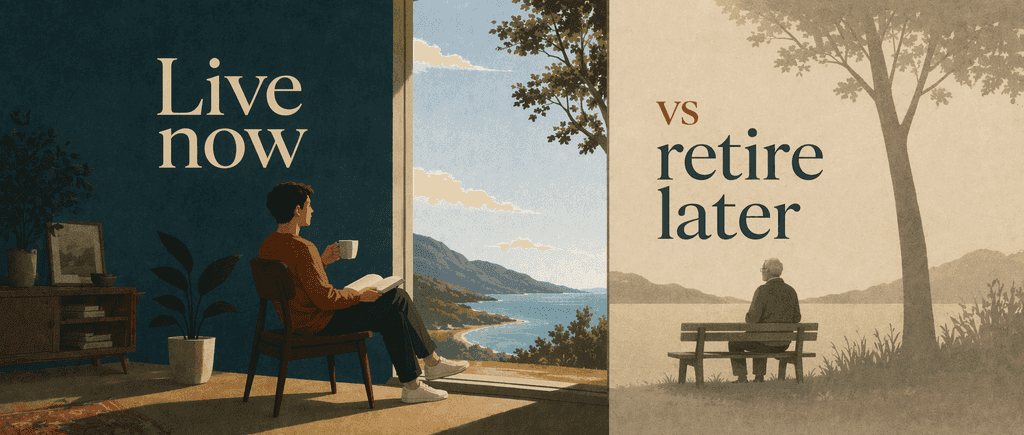
Younger Next Year for Women: Live Strong, Fit, Sexy, and Smart--Until You're 80 and Beyond

Resumen de Younger Next Year for Women
Transform your aging process with "Younger Next Year," the award-nominated guide that The Washington Post calls "irresistible" and "life-changing." Blending medical science with motivation, this 4.31-rated phenomenon has readers exercising into their 80s - proving that retirement is just the beginning.
- The Dwindles represent gradual decline you can actively fight back against.
- Younger Next Year argues you can avoid seventy percent of aging problems.
- Exercise six days weekly is the master signaller for cellular growth.
- Harry's Rules demand serious strength training not just casual walking or gardening.
- Lodge and Crowley prove your body chooses growth or decay daily.
- Real food not processed crap fuels your biological clock reversal strategy.
- Younger Next Year shows community connections keep you mentally and emotionally young.
- Quality exercise matters more than quantity for reversing biological aging markers.
- Your sense of purpose matters as much as physical strength maintenance.
- Chris Crowley and Dr. Lodge teach aging boldly with curiosity and enthusiasm.
- Building muscle prevents injury and maintains balance as you grow older.
- The limbic brain needs physical activity signals to trigger body regeneration.
Sobre el autor de Younger Next Year for Women
Henry Sears Lodge Jr., M.D. (1958–2017) was the co-author of Younger Next Year and a renowned internist, aging expert, and professor of medicine at Columbia University Medical Center.
Born in Boston and trained at the University of Pennsylvania and Columbia's College of Physicians and Surgeons, Dr. Lodge dedicated his career to understanding how lifestyle choices—rather than genetics—determine health and vitality in later life. His work focused on preventive medicine, exercise physiology, and the biology of aging, which he translated into practical, science-backed advice for Baby Boomers seeking to maintain strength and independence.
Dr. Lodge co-wrote the acclaimed Younger Next Year series with patient-turned-collaborator Chris Crowley, including Younger Next Year for Women and Younger Next Year: The Exercise Program. He founded New York Physicians, a leading multi-specialty medical group, and was named among the Best Doctors in America. His work has been featured in national media, and he lectured internationally on aging and wellness. The Younger Next Year books have sold over two million copies and been translated into 21 languages.
Preguntas frecuentes sobre Younger Next Year for Women
What is Younger Next Year about?
Younger Next Year by Chris Crowley and Dr. Henry S. Lodge is a science-backed guide that shows how adults over 50 can functionally reverse biological aging through lifestyle changes. The book argues that aging is natural but deterioration is not, teaching readers to maintain the vitality of a 50-year-old well into their 80s through exercise, nutrition, social connections, and purpose. The authors deliver this message through an engaging dialogue format between patient (Crowley) and physician (Lodge).
Who wrote Younger Next Year and what are their credentials?
Younger Next Year was co-authored by Chris Crowley, a retired Manhattan lawyer and former patient, and Dr. Henry S. Lodge, a highly respected internist and Columbia Medical School faculty member. Their collaboration combines Crowley's relatable, humorous storytelling with Lodge's deep scientific expertise on aging and physiology. The book emerged from Lodge's successful treatment of Crowley, who had "let himself go" after retirement but dramatically reversed his decline through Lodge's program.
Who should read Younger Next Year?
Younger Next Year is ideal for adults in their late 40s through 70s who want to prevent or reverse age-related decline. The book particularly resonates with Baby Boomers facing metabolic slowdown, weight gain, and decreased mobility as career and family demands have pushed self-care aside. However, as Chris Crowley emphasizes throughout the book, "it's never too late to start," making it valuable for anyone seeking to reclaim their vitality.
Is Younger Next Year worth reading?
Younger Next Year is worth reading for its actionable, science-backed approach to aging that has sold over 2 million copies and been translated into 21 languages. Unlike fitness fads or miracle diets, the book offers sustainable habits proven to reduce normal age-related decay by 70% and illness by over 50%. The conversational tone combining Crowley's wit with Lodge's medical authority makes complex science accessible and motivating, inspiring readers to take immediate action.
What are "the dwindles" in Younger Next Year?
"The dwindles" is a term coined in Younger Next Year to describe the gradual physical, mental, and emotional decline that occurs when people stop caring for themselves. Rather than presenting this as inevitable, Crowley and Lodge frame it as an empowering call to action—each healthy choice you make fights back against the dwindles. The concept brings urgency without fear, showing that regular exercise, meaningful connections, and purposeful living actively prevent deterioration.
What are Harry's Rules in Younger Next Year?
Harry's Rules are Dr. Lodge's core program principles for functional rejuvenation in Younger Next Year. The rules include exercising six days per week (combining aerobic activity and strength training), eating real whole foods instead of processed junk, maintaining meaningful social connections, and committing to activities that give life purpose. Following these rules doesn't just improve physical health—they enhance memory, cognition, and mood by affecting the brain at the cellular level.
What are the three main pillars of Younger Next Year?
Younger Next Year is built on three essential pillars: daily physical exercise, proper nutrition, and emotional connection. The exercise component emphasizes movement six days per week including strength training for balance and injury prevention. The nutrition pillar focuses on eating real, whole foods that nourish rather than restrictive dieting. The emotional/limbic pillar stresses that caring, connecting, and commitment to purpose are equally important as physical fitness for successful aging.
Does Younger Next Year work for both men and women?
Younger Next Year has separate editions optimized for each gender, with the original targeting men and a companion volume "Younger Next Year for Women" published in 2005. The women's edition includes updated neuroscience showing how Harry's Rules specifically affect female brain health, memory, and cognition, particularly during and after menopause. Both versions share the same core principles—exercise, diet, and connection—while addressing gender-specific biological and hormonal considerations that affect aging.
What type of exercise does Younger Next Year recommend?
Younger Next Year recommends exercising six days per week, combining both aerobic activity and strength training. The authors emphasize that extreme workouts aren't necessary—consistency matters more than intensity, and you should find movement that feels good to you. Strength training is particularly crucial for everyone, not just gym enthusiasts, as building muscle prevents injuries, improves balance, and maintains overall vitality as you age.
What are the main criticisms of Younger Next Year?
Common criticisms of Younger Next Year include repetitive content that could have been presented more concisely and lack of visual aids like charts for understanding heart rate targets. Some readers note the material becomes redundant across chapters, requiring them to calculate their own fitness metrics. Additionally, skeptics question whether Dr. Lodge's premature death from prostate cancer at age 58 undermines the book's premise, though the authors always acknowledged their lifestyle reduces risk by half, not entirely.
How does Younger Next Year explain the science of aging?
Younger Next Year presents the latest aging science through an accessible dialogue between patient and physician. Dr. Lodge explains that our bodies receive biological signals to either grow or decay—exercise sends "grow" signals while sedentary behavior triggers decline. The book emphasizes "squaring the curve" of aging, meaning maintaining the same functional capacity at 80 as at 50 rather than gradual deterioration. This approach shows aging is natural but the typical weakness, joint pain, and apathy are largely preventable.
Why is Younger Next Year still relevant in 2025?
Younger Next Year remains relevant in 2025 because its core message—that lifestyle choices dramatically impact biological aging—is more validated than ever by longevity research. As modern life becomes increasingly sedentary with remote work and digital entertainment, the book's emphasis on daily movement and social connection addresses growing health epidemics. The 15th anniversary edition includes updated neuroscience on how exercise affects brain health, making it particularly timely as cognitive decline concerns rise with aging populations.
Siente el libro a través de la voz del autor
Convierte el conocimiento en ideas atractivas y llenas de ejemplos
Captura ideas clave en un instante para un aprendizaje rápido
Disfruta el libro de una manera divertida y atractiva
Personajes en Younger Next Year for Women
- Henry S. Lodge M.D.Author and medical expert on aging and biology
Temas clave en Younger Next Year for Women
- biological age reversal
- cellular decay prevention
- chronic disease prevention
- aerobic base building
- geriatric fitness science
Citas de Younger Next Year for Women
Up to 70% of normal physical decline isn't inevitable but optional.
Exercise is more effective than any single medication.
Our bodies evolved for constant movement.
Aerobic exercise isn't just one component of health-it's the foundation.
The habit and routine are what lead to success, not willpower.
Explora Tu Forma de Aprender
 Modo Resumen Rápido
Lee o escucha el resumen de Younger Next Year for Women en 9 minutos
Desglosa las ideas clave de Younger Next Year for Women en puntos fáciles de entender para comprender cómo los equipos innovadores crean, colaboran y crecen.

 Modo Divertido
Lecciones de Younger Next Year for Women Contadas en Historias de 20 Min
Experimenta Younger Next Year for Women a través de narraciones vívidas que convierten las lecciones de innovación en momentos que recordarás y aplicarás.
 Modo Personalizar
Experimenta Younger Next Year for Women con tu propio estilo de aprendizaje
Pregunta cualquier cosa, elige tu estilo de aprendizaje y co-crea ideas que realmente resuenen contigo.
Creado por exalumnos de la Universidad de Columbia en San Francisco
"Instead of endless scrolling, I just hit play on BeFreed. It saves me so much time."


"I never knew where to start with nonfiction—BeFreed’s book lists turned into podcasts gave me a clear path."


"Perfect balance between learning and entertainment. Finished ‘Thinking, Fast and Slow’ on my commute this week."
"Crazy how much I learned while walking the dog. BeFreed = small habits → big gains."
"Reading used to feel like a chore. Now it’s just part of my lifestyle."

"Feels effortless compared to reading. I’ve finished 6 books this month already."
"BeFreed turned my guilty doomscrolling into something that feels productive and inspiring."

"BeFreed turned my commute into learning time. 20-min podcasts are perfect for finishing books I never had time for."
"BeFreed replaced my podcast queue. Imagine Spotify for books — that’s it. 🙌"

"It is great for me to learn something from the book without reading it."
"The themed book list podcasts help me connect ideas across authors—like a guided audio journey."
"Makes me feel smarter every time before going to work"
Creado por exalumnos de la Universidad de Columbia en San Francisco
"Instead of endless scrolling, I just hit play on BeFreed. It saves me so much time."
"I never knew where to start with nonfiction—BeFreed’s book lists turned into podcasts gave me a clear path."
"Perfect balance between learning and entertainment. Finished ‘Thinking, Fast and Slow’ on my commute this week."
"Crazy how much I learned while walking the dog. BeFreed = small habits → big gains."
"Reading used to feel like a chore. Now it’s just part of my lifestyle."
"Feels effortless compared to reading. I’ve finished 6 books this month already."
"BeFreed turned my guilty doomscrolling into something that feels productive and inspiring."
"BeFreed turned my commute into learning time. 20-min podcasts are perfect for finishing books I never had time for."
"BeFreed replaced my podcast queue. Imagine Spotify for books — that’s it. 🙌"
"It is great for me to learn something from the book without reading it."
"The themed book list podcasts help me connect ideas across authors—like a guided audio journey."
"Makes me feel smarter every time before going to work"
"Instead of endless scrolling, I just hit play on BeFreed. It saves me so much time."
"I never knew where to start with nonfiction—BeFreed’s book lists turned into podcasts gave me a clear path."
"Perfect balance between learning and entertainment. Finished ‘Thinking, Fast and Slow’ on my commute this week."
"Crazy how much I learned while walking the dog. BeFreed = small habits → big gains."
"Reading used to feel like a chore. Now it’s just part of my lifestyle."
"Feels effortless compared to reading. I’ve finished 6 books this month already."
"BeFreed turned my guilty doomscrolling into something that feels productive and inspiring."
"BeFreed turned my commute into learning time. 20-min podcasts are perfect for finishing books I never had time for."
"BeFreed replaced my podcast queue. Imagine Spotify for books — that’s it. 🙌"
"It is great for me to learn something from the book without reading it."
"The themed book list podcasts help me connect ideas across authors—like a guided audio journey."
"Makes me feel smarter every time before going to work"
"Instead of endless scrolling, I just hit play on BeFreed. It saves me so much time."
"I never knew where to start with nonfiction—BeFreed’s book lists turned into podcasts gave me a clear path."
"Perfect balance between learning and entertainment. Finished ‘Thinking, Fast and Slow’ on my commute this week."
"Crazy how much I learned while walking the dog. BeFreed = small habits → big gains."
"Reading used to feel like a chore. Now it’s just part of my lifestyle."
"Feels effortless compared to reading. I’ve finished 6 books this month already."
"BeFreed turned my guilty doomscrolling into something that feels productive and inspiring."
"BeFreed turned my commute into learning time. 20-min podcasts are perfect for finishing books I never had time for."
"BeFreed replaced my podcast queue. Imagine Spotify for books — that’s it. 🙌"
"It is great for me to learn something from the book without reading it."
"The themed book list podcasts help me connect ideas across authors—like a guided audio journey."
"Makes me feel smarter every time before going to work"

Descargar resumen de Younger Next Year for Women
Obtén el resumen de Younger Next Year for Women como PDF o EPUB gratis. Imprímelo o léelo sin conexión en cualquier momento.