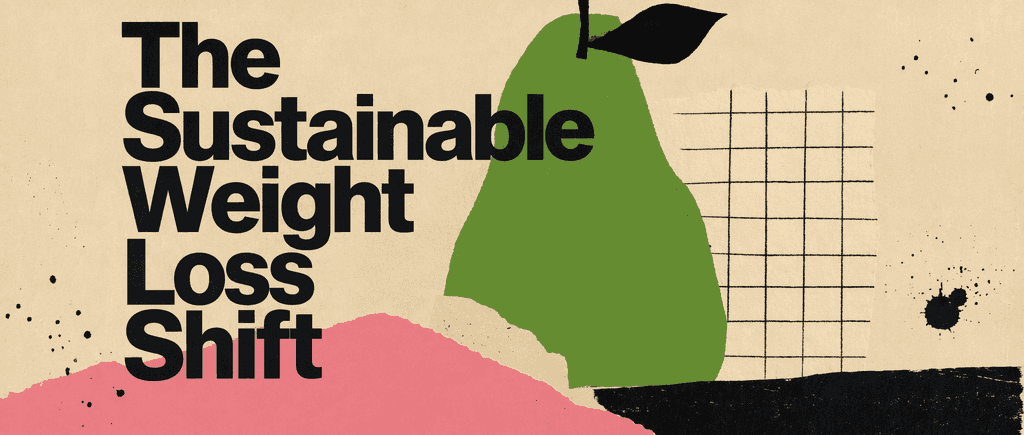
What are you hungry for?: the Chopra solution to permanent weight loss, well-being, and lightness of soul

Resumen de What are you hungry for?
In "What Are You Hungry For?", Deepak Chopra reveals why traditional diets fail by addressing the emotional hunger beneath overeating. This New York Times bestseller and PBS Special foundation offers Oprah-endorsed wisdom that transforms weight loss into a journey of fulfillment rather than deprivation.
- Deepak Chopra links overeating to inner starvation, not physical hunger.
- What Are You Hungry For rejects crash diets for conscious fulfillment.
- Chopra teaches that food cravings reveal deeper hungers for love and security.
- Overeating substitutes for unfulfilled emotional needs, according to Deepak Chopra.
- The book's central question transforms eating: what am I hungry for?
- Chopra argues that permanent weight loss requires finding fulfillment beyond food.
- Conscious eating means present moment awareness, not deprivation or willpower.
- Your body becomes a physical record of your life story choices.
- Bliss is a cultivatable state that eliminates emotional eating patterns.
- Chopra defines two eating motives: nutrient hunger or something else missing.
- What Are You Hungry For connects weight control to personal happiness.
- Awareness moves you from problem-level eating to solution-level living.
Sobre el autor de What are you hungry for?
Deepak Chopra, M.D., is the bestselling author of What Are You Hungry For? and a world-renowned pioneer in integrative medicine and holistic wellness. Born in India in 1946 and trained as an endocrinologist, Dr. Chopra served as Chief of Staff at New England Memorial Hospital before transitioning to alternative medicine in the 1980s.
His approach combines ancient Ayurvedic wisdom with modern mind-body science, addressing the themes of conscious eating, emotional fulfillment, and personal transformation that define this wellness guide.
Dr. Chopra gained mainstream recognition after a 1993 appearance on The Oprah Winfrey Show, recommended by Michael Jackson, which launched his work into global prominence. He has since become a Clinical Professor at UC San Diego, senior scientist with Gallup, and co-founded the Chopra Center for Wellbeing. He has authored over 95 books—including The Seven Spiritual Laws of Success and Quantum Healing—that have sold millions of copies and been translated into more than 43 languages. TIME magazine named him one of the top 100 most influential people in the world.
Preguntas frecuentes sobre What are you hungry for?
What is What Are You Hungry For by Deepak Chopra about?
What Are You Hungry For by Deepak Chopra explores the connection between emotional fulfillment and weight management. The book argues that overeating stems from "inner starvation"—a hunger for love, self-esteem, happiness, and security rather than actual physical hunger. Chopra presents a holistic approach to permanent weight loss by addressing deeper emotional and spiritual needs through conscious eating, mindfulness, and self-awareness.
Who should read What Are You Hungry For?
What Are You Hungry For is ideal for anyone struggling with emotional eating, yo-yo dieting, or using food as a coping mechanism. The book suits readers seeking a holistic approach to weight loss that addresses underlying emotional and spiritual needs rather than quick fixes. It's particularly valuable for those interested in integrative health, mindfulness practices, and Deepak Chopra's blend of mainstream and alternative medicine perspectives.
Is What Are You Hungry For by Deepak Chopra worth reading?
What Are You Hungry For offers a refreshing alternative to traditional diet books by focusing on fulfillment rather than deprivation. Readers appreciate its integrated approach combining awareness, emotional regulation, Ayurveda principles, and conscious eating. While some note it occasionally reads like promotional material for the Chopra Center, the core message—that "life is about fulfillment, and your stomach can never supply what's missing"—resonates powerfully with those seeking sustainable lifestyle changes.
What is the main message of What Are You Hungry For?
The central message of What Are You Hungry For is that overeating represents an attempt to satisfy non-food-related hungers. Deepak Chopra argues that when you find true fulfillment in life—through love, purpose, self-esteem, and peace—normal eating patterns naturally fall into place without deprivation or willpower. As Chopra states, "Life is about fulfillment. If your life isn't fulfilled, your stomach can never supply what's missing."
What is the concept of "inner starvation" in What Are You Hungry For?
Deepak Chopra introduces "inner starvation" as the emotional and spiritual emptiness that drives overeating. According to the book, people use food as a substitute for unfulfilled needs like love, security, happiness, and self-worth. This concept explains why traditional diets fail—they address physical hunger but ignore the deeper hungers that trigger emotional eating. True nourishment requires feeding the body, heart, mind, and spirit simultaneously.
How does Deepak Chopra define conscious eating in What Are You Hungry For?
Conscious eating in What Are You Hungry For means transforming your relationship with food from one of necessity or indulgence to mindfulness and creativity. Chopra emphasizes being present during meals, recognizing what you're truly hungry for, and making food choices that reflect your deeper values and life attitudes. The practice involves asking "What am I hungry for?" before eating, allowing true desires to guide nutritional choices rather than false cravings.
What are the key principles for nourishment in What Are You Hungry For?
Deepak Chopra outlines that true fulfillment requires nourishing four interconnected areas:
- the body with healthy food
- the heart with joy, compassion, and love
- the mind with knowledge
- the spirit with equanimity and self-awareness
This holistic framework rejects the narrow focus on calories and weight, instead emphasizing complete well-being. The book argues that addressing all four dimensions simultaneously creates the foundation for effortless weight management and lasting satisfaction.
How does What Are You Hungry For differ from traditional diet books?
What Are You Hungry For rejects crash dieting and deprivation approaches that dominate the weight loss industry. While Americans spend over $200 billion annually on weight loss solutions, obesity rates continue rising because traditional methods ignore emotional and spiritual factors. Deepak Chopra's approach targets fulfillment first, arguing that when deeper hungers are satisfied, healthy eating happens automatically without willpower or restriction. The book integrates mindfulness, spirituality, and holistic health rather than focusing solely on calories or meal plans.
What does Deepak Chopra say about food cravings in What Are You Hungry For?
Deepak Chopra explains that food cravings signal unfulfilled emotional or spiritual needs rather than genuine nutritional requirements. According to the book, when life lacks meaning or emotional satisfaction, people use eating to temporarily ignore inner emptiness. Chopra states: "We only put food in our mouths for two reasons: We are hungry for nutrients OR we're hungry for something else." Understanding what you're truly craving—connection, peace, joy, security—allows you to address the actual need instead of masking it with food.
How can What Are You Hungry For help with permanent weight loss?
What Are You Hungry For offers a step-by-step action plan for permanent weight loss by linking weight control to personal fulfillment. Deepak Chopra argues that when you solve the problem of fulfillment, normal eating falls into place automatically and the entire mind-body system achieves what it truly desires. The book provides tools for identifying deeper hungers, practicing mindful awareness during meals, and cultivating genuine satisfaction in all life areas. This approach eliminates the need for willpower or restrictive dieting by addressing root causes of overeating.
What is "The Way of Awareness" chapter about in What Are You Hungry For?
The Way of Awareness chapter explores how mindfulness practice transforms eating habits and overall well-being. Deepak Chopra highlights that being present in the moment, especially during meals, leads to deeper satisfaction and better understanding of true hungers. This section teaches readers to recognize the difference between physical hunger and emotional needs driving food consumption. By cultivating awareness, individuals can interrupt automatic eating patterns and make conscious choices aligned with genuine fulfillment rather than temporary comfort.
How does What Are You Hungry For address emotional eating and spiritual wellness?
What Are You Hungry For treats emotional eating as a symptom of spiritual disconnection and unfulfilled life purpose. Deepak Chopra connects weight issues to unmet needs for love, meaning, peace, and self-esteem that extend beyond physical nourishment. The book emphasizes that achieving "lightness of soul" and spiritual well-being naturally resolves eating problems by eliminating the emotional void that food cannot fill. Through mindfulness, self-awareness, and addressing deeper life satisfaction, readers can heal both body and spirit simultaneously.
Siente el libro a través de la voz del autor
Convierte el conocimiento en ideas atractivas y llenas de ejemplos
Captura ideas clave en un instante para un aprendizaje rápido
Disfruta el libro de una manera divertida y atractiva
Personajes en What are you hungry for?
- Deepak ChopraAuthor and physician who developed the approach
- KarenCase study who struggled with weight cycling
- TracyCase study dealing with mindless eating habits
- DanaCase study who used awareness to lose weight
Temas clave en What are you hungry for?
- emotional eating
- mind-body connection
- conscious consumption
- holistic weight loss
- neural pathway rewiring
Citas de What are you hungry for?
Making yourself feel worse never works.
Balance isn't boring-it's precious.
Weight loss must be connected with increasing happiness.
You are not your body but its creator.
Explora Tu Forma de Aprender
 Modo Resumen Rápido
Lee o escucha el resumen de What are you hungry for? en 9 minutos
Desglosa las ideas clave de What are you hungry for? en puntos fáciles de entender para comprender cómo los equipos innovadores crean, colaboran y crecen.

 Modo Divertido
Lecciones de What are you hungry for? Contadas en Historias de 25 Min
Experimenta What are you hungry for? a través de narraciones vívidas que convierten las lecciones de innovación en momentos que recordarás y aplicarás.
 Modo Personalizar
Experimenta What are you hungry for? con tu propio estilo de aprendizaje
Pregunta cualquier cosa, elige tu estilo de aprendizaje y co-crea ideas que realmente resuenen contigo.
Creado por exalumnos de la Universidad de Columbia en San Francisco
"Instead of endless scrolling, I just hit play on BeFreed. It saves me so much time."


"I never knew where to start with nonfiction—BeFreed’s book lists turned into podcasts gave me a clear path."


"Perfect balance between learning and entertainment. Finished ‘Thinking, Fast and Slow’ on my commute this week."
"Crazy how much I learned while walking the dog. BeFreed = small habits → big gains."
"Reading used to feel like a chore. Now it’s just part of my lifestyle."

"Feels effortless compared to reading. I’ve finished 6 books this month already."
"BeFreed turned my guilty doomscrolling into something that feels productive and inspiring."

"BeFreed turned my commute into learning time. 20-min podcasts are perfect for finishing books I never had time for."
"BeFreed replaced my podcast queue. Imagine Spotify for books — that’s it. 🙌"

"It is great for me to learn something from the book without reading it."
"The themed book list podcasts help me connect ideas across authors—like a guided audio journey."
"Makes me feel smarter every time before going to work"
Creado por exalumnos de la Universidad de Columbia en San Francisco
"Instead of endless scrolling, I just hit play on BeFreed. It saves me so much time."
"I never knew where to start with nonfiction—BeFreed’s book lists turned into podcasts gave me a clear path."
"Perfect balance between learning and entertainment. Finished ‘Thinking, Fast and Slow’ on my commute this week."
"Crazy how much I learned while walking the dog. BeFreed = small habits → big gains."
"Reading used to feel like a chore. Now it’s just part of my lifestyle."
"Feels effortless compared to reading. I’ve finished 6 books this month already."
"BeFreed turned my guilty doomscrolling into something that feels productive and inspiring."
"BeFreed turned my commute into learning time. 20-min podcasts are perfect for finishing books I never had time for."
"BeFreed replaced my podcast queue. Imagine Spotify for books — that’s it. 🙌"
"It is great for me to learn something from the book without reading it."
"The themed book list podcasts help me connect ideas across authors—like a guided audio journey."
"Makes me feel smarter every time before going to work"
"Instead of endless scrolling, I just hit play on BeFreed. It saves me so much time."
"I never knew where to start with nonfiction—BeFreed’s book lists turned into podcasts gave me a clear path."
"Perfect balance between learning and entertainment. Finished ‘Thinking, Fast and Slow’ on my commute this week."
"Crazy how much I learned while walking the dog. BeFreed = small habits → big gains."
"Reading used to feel like a chore. Now it’s just part of my lifestyle."
"Feels effortless compared to reading. I’ve finished 6 books this month already."
"BeFreed turned my guilty doomscrolling into something that feels productive and inspiring."
"BeFreed turned my commute into learning time. 20-min podcasts are perfect for finishing books I never had time for."
"BeFreed replaced my podcast queue. Imagine Spotify for books — that’s it. 🙌"
"It is great for me to learn something from the book without reading it."
"The themed book list podcasts help me connect ideas across authors—like a guided audio journey."
"Makes me feel smarter every time before going to work"
"Instead of endless scrolling, I just hit play on BeFreed. It saves me so much time."
"I never knew where to start with nonfiction—BeFreed’s book lists turned into podcasts gave me a clear path."
"Perfect balance between learning and entertainment. Finished ‘Thinking, Fast and Slow’ on my commute this week."
"Crazy how much I learned while walking the dog. BeFreed = small habits → big gains."
"Reading used to feel like a chore. Now it’s just part of my lifestyle."
"Feels effortless compared to reading. I’ve finished 6 books this month already."
"BeFreed turned my guilty doomscrolling into something that feels productive and inspiring."
"BeFreed turned my commute into learning time. 20-min podcasts are perfect for finishing books I never had time for."
"BeFreed replaced my podcast queue. Imagine Spotify for books — that’s it. 🙌"
"It is great for me to learn something from the book without reading it."
"The themed book list podcasts help me connect ideas across authors—like a guided audio journey."
"Makes me feel smarter every time before going to work"

Descargar resumen de What are you hungry for?
Obtén el resumen de What are you hungry for? como PDF o EPUB gratis. Imprímelo o léelo sin conexión en cualquier momento.