Capítulo 1
Breaking Free: The Journey to a Life Beyond the Bottle
The year was 2012 when Sarah Turner and Lucy Rocca found themselves united by a common mission-to help women trapped in the seductive yet destructive relationship with alcohol. Their book "The Sober Revolution" emerged from their shared experiences of alcohol dependency and subsequent liberation. Unlike many recovery narratives that focus exclusively on rock-bottom stories, this book speaks directly to high-functioning women with careers and families who've found themselves increasingly reliant on that evening glass (or bottle) of wine. Since its publication, the book has become something of a cultural touchstone, with celebrities like Lily Allen and Brene Brown citing it as influential in their own sobriety journeys. What makes this work particularly powerful is its rejection of the binary "alcoholic/non-alcoholic" label that prevents many from seeking help, instead framing sobriety as an empowering lifestyle choice that unlocks one's full potential.
Capítulo 2
The Dangerous Love Affair: Understanding Your Relationship with Alcohol
For many of us, alcohol resembles that charming yet ultimately destructive romantic partner-the one who seems irresistible despite countless red flags. We develop brilliant denial techniques to justify continuing the relationship, convincing ourselves that the occasional good times outweigh the increasingly frequent bad ones. Each morning after brings familiar feelings of shame and regret, yet by evening, we're back in alcohol's embrace, believing things will be different this time.
Like any toxic relationship, the cycle becomes predictable: fun, fighting, parting, making up, and around again. Many become addicted to this drama-the reckless behavior, broken promises, and impetuous decisions that seem brilliant after too many glasses. We set boundaries that we never maintain: no wine when out with friends, no mid-week drinking, no more than one bottle per sitting.
"My 'detoxes' were completely misguided," Lucy Rocca admits in the book. "Temporary breaks don't repair liver damage. Only moderate drinking or complete abstinence prevents that harm."
Consider this: if alcohol were a human partner who eroded your self-confidence, sabotaged worthwhile activities, came between you and your children, encouraged poor health habits, and kept you awake with negative thoughts-all while providing only occasional fun-you'd end the relationship without hesitation. Yet many of us continue this destructive dance for years, even decades.
For Lucy, the breaking point came after drinking three wine bottles and a cider alone, collapsing unconscious outside her home. A passing friend called an ambulance, and she woke in the hospital covered in vomit. That ended her twenty-year relationship with alcohol-she finally understood it would kill her if she continued.
The first step toward freedom is recognizing the true nature of this relationship. Not as a casual friendship you can maintain on better terms, but as a controlling, destructive force that demands complete separation.
Capítulo 3
The Crossroads: Making a Positive Commitment to Change
The equation is remarkably simple-if you love your life exactly as it is, maintain the status quo. If you hate aspects of your life, something major must change. The key insight that many miss is that you'll struggle to change anything significant while continuing to drink. Moderation rarely works for those with emotional dependency on alcohol-old habits inevitably resurface when life gets challenging, often leading to a destructive cycle of guilt, shame, and increased consumption.
You're standing at a crossroads-continue as before with predictable results, or take a completely new path toward a brighter future. This decision point often comes after a series of "rock bottom" moments: perhaps a devastating hangover, a relationship crisis, work performance issues, or health concerns. If you've decided to embrace sobriety, congratulations! This commitment will benefit you both immediately and long-term, though the journey requires courage, honesty, and persistence.
What might this new path hold? First, there's the profound journey of discovering who you truly are without alcohol's influence - your authentic personality, values, and desires that may have been masked for years. You'll find yourself rebuilding confidence that's been eroded by years of embarrassing behavior and regret. Many recovering individuals report rediscovering old passions or developing new ones: writing, art, sports, or entrepreneurship projects they'd postponed while drinking consumed their energy and focus.
The physical and emotional benefits are equally compelling. You'll likely experience improved sleep patterns, often within days of stopping. Many report losing significant weight without other lifestyle changes, simply from eliminating empty alcohol calories. Your skin may become clearer and more vibrant as hydration improves. Relationships often deepen as you engage in genuine, present-moment connections with loved ones, free from the fog of alcohol.
Many worry that sobriety means the end of fun, spontaneity, and social connection. Nothing could be further from the truth. Former drinkers often report richer social lives, deeper conversations, and more authentic friendships. They discover new forms of entertainment and relaxation: morning hikes, meditation, cooking classes, or sports leagues. Most importantly, they find that genuine joy and spontaneity come naturally when you're fully present in your life.
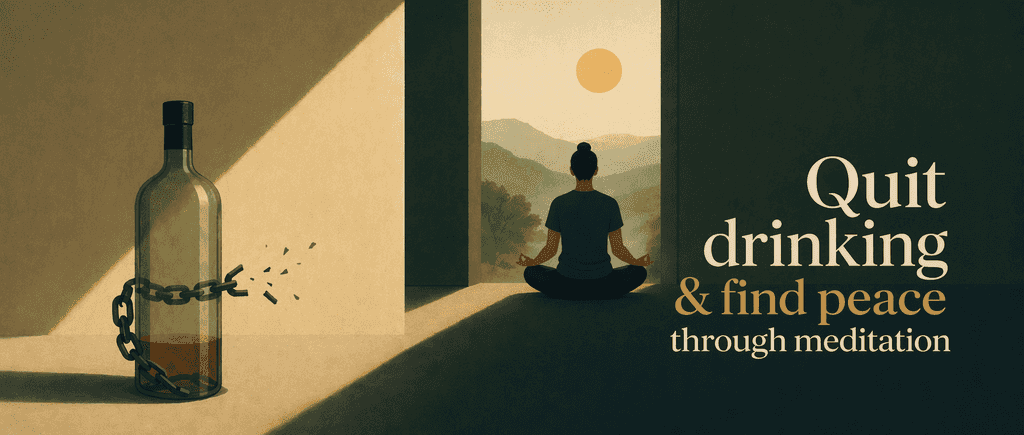
As you'll discover, true freedom comes from breaking alcohol's chains, not from temporary chemical escape. This valuable lifestyle choice could finally help you realize your full potential-the person you were always meant to be before alcohol diverted your path. The journey might seem daunting, but countless others have walked this path successfully, finding not just sobriety but a more fulfilling life than they ever imagined possible.
Capítulo 4
The Honeymoon Phase: Rediscovering Life's Simple Pleasures
The early days of sobriety often bring an exhilarating sense of freedom and discovery. The profound relief of waking without memory blackouts or debilitating hangovers can plaster a smile across your face for weeks. Physical improvements manifest quickly - clearer skin, brighter eyes, better sleep patterns, and a natural energy that surpasses any artificial boost alcohol once provided. You might wonder what you feared as your mental clarity sharpens and your body begins to heal itself.
"The joy of waking each day without mentally checking who I'd insulted or hurt was beyond compare," Lucy wrote on the Soberistas blog. "I literally jumped out of bed, a massive weight of anxiety lifted. Gone were fears of cancer or liver failure; the dreaded guilt from drunken stupidity had vanished-I felt free as a bird." This sentiment echoes countless others who describe their early sobriety as a rebirth of sorts, where each day brings new discoveries about themselves and their capabilities.
Social outings transform from anxiety-inducing uncertainties to experiences where you control the outcome. You begin to notice the genuine connections formed in clear-headed conversations, the ability to drive home safely at any time, and the joy of remembering entire evenings with friends. Breaking free from alcohol dependency resembles escaping a self-built prison-you suddenly realize how restricted you've been, with life previously revolving around drinking opportunities and recovery times.
During this period, many experience overwhelming happiness from simple pleasures that alcohol once dulled or obscured entirely. The crisp clarity of sunrises during morning runs, the intricate patterns of blossoming trees, the melodic sound of children's laughter - these moments take on new significance. Your senses heighten as you experience life fully present rather than through alcohol's haze. Food tastes more vibrant, music feels more moving, and emotions flow more naturally.
Despite occasional cravings, particularly during traditional drinking times like Friday evenings or social events, the commitment to improvement remains stronger than temporary temptation. Successful strategies include planning specific distractions - immersive video games, creative hobbies, sports activities, or finally watching those films you've been meaning to see. Many find that exercise becomes a natural replacement, providing both physical benefits and mental clarity.
The honeymoon phase typically brings financial benefits too - the money previously spent on alcohol can now fund new experiences or savings goals. Many report better work performance, improved relationships with family members, and a growing sense of self-trust. With proper preparation and support systems in place, you'll thoroughly enjoy this transformative period.
Eventually, though, you'll likely question your decision as nostalgia for drinking days emerges. The rose-tinted memories of "fun times" might surface, conveniently forgetting the darker moments that led to your decision to quit. This natural progression leads to the next challenging phase of your journey - one that requires different tools and strategies to navigate successfully.
Capítulo 5
Battling Doubt: Have I Made the Right Choice?
During early sobriety, denial works cunningly to rewrite personal history. Evenings that actually ended with being poured semi-conscious into taxis transform in memory to idyllic afternoons sipping champagne with friends. Romantic restaurant evenings where you appeared captivating and desirable replace memories of drinking excessively, starting arguments, flirting with strangers, and being bundled home to sleep it off.
This selective memory is a powerful tool of the addictive mind. The voice telling you "next time will be different" is lying-it's your alcohol dependency speaking, like an unsuitable partner begging for another chance with empty promises of change.
Well-meaning friends and family may question your decision, suggesting you never had a drinking problem. This happens because alcohol is ubiquitous in western culture, especially in the UK. Announcing sobriety can disappoint partners whose relationships were built on shared drinking experiences.
Remember: occasional trouble-free drinking evenings are flukes, not evidence you don't have a problem. Friends without addiction issues can't understand your struggle and may see moderation as simple willpower. "Groupthink" normalizes destructive drinking when everyone around you does it too.
Trust your own judgment-if you've felt anxiety about your drinking enough to want to quit, you're likely drinking too much. This is your decision alone. As sobriety progresses, self-awareness will flourish without alcohol's smothering effect.
When facing challenges-whether difficult days with children, relationship issues, or body image concerns-remember that alcohol only temporarily alleviates these problems while ultimately making them worse. Focus on the positive reasons for your sobriety commitment. The negative aspects you were trying to ease with alcohol will eventually disappear, and unchangeable life challenges become easier to manage with clarity.
Capítulo 6
Building Your Sober Foundation: New Interests and Authentic Connections
Building a lasting relationship with sobriety requires gradual foundation-building, similar to any meaningful long-term commitment. This process involves creating new neural pathways and lifestyle patterns that support your alcohol-free journey. You'll discover that alcohol acted as a "people-leveller," masking individuals' true characteristics and personalities. Without it, you may realize you don't actually enjoy certain people's company, while discovering genuine connections with others who share your values and authentic interests.
As a mother who experienced parenthood both as a drinker and non-drinker, Lucy found remarkable differences in patience, energy, and enjoyment with her children. Despite being thirteen years older with her second child, she discovered more patience and energy without alcohol's interference. Morning routines became peaceful rather than hangover-laden, and evening activities transformed from clock-watching until wine time to genuine engagement with her family. She found herself truly present for bedtime stories, homework sessions, and weekend activities, creating meaningful memories rather than just going through the motions.
Developing new interests is essential for maintaining sobriety. Replace drinking-centered activities with fulfilling alternatives that engage both mind and body. When Lucy stopped drinking, she read extensively, discovering authors and genres she'd previously overlooked. She established a daily running routine, starting with short distances and gradually building up to half-marathons. Meditation became a cornerstone of her morning ritual, providing clarity and emotional stability. These activities not only filled the time previously spent drinking but also contributed to her physical and mental well-being.
The voice of addiction will occasionally attempt to lure you back with selective memories of "good times" drinking. It might whisper that one drink won't hurt, or that special occasions require alcohol. Recognize these thoughts as dependency speaking, not evidence you've made the wrong choice. Keep a journal of your sober achievements and challenges to remind yourself of your progress and motivation.
Embrace sobriety proudly as a positive life choice rather than a restriction. You're not denying yourself anything-you're giving yourself the gift of living in reality, discovering your authentic self, and opening up your world beyond the evening "reward" of wine. This might mean exploring new hobbies, from creative pursuits like painting or writing to physical activities like yoga or rock climbing.
Many who've successfully quit drinking report that their relationships improve dramatically. Without alcohol's numbing effect, they become more present, patient, and emotionally available to partners and children. They find themselves having deeper conversations, resolving conflicts more effectively, and creating stronger bonds. They also discover who their true friends are-those who support their sobriety rather than undermining it for their own comfort. Some relationships may naturally fade away, while new ones form with people who share your values and lifestyle.
The key to building this foundation is replacing alcohol with activities that genuinely fulfill you. What did you love before drinking took center stage? Perhaps it was playing music, creating art, or participating in sports. What have you always wanted to try but never found the time? With the hours and mental clarity sobriety provides, possibilities abound. Consider joining clubs, taking classes, or volunteering for causes you care about. These activities not only fill your time but also connect you with like-minded individuals who can support your journey.
Capítulo 7
The Slippery Slope: Why Moderation Rarely Works
Can you occasionally have a sneaky drink without upsetting your sobriety? In short, no. The real benefits of an alcohol-free life come from complete sobriety, and if you've struggled with moderation before, it's unlikely to come easily now.
Three key factors make occasional drinking problematic: re-establishing self-esteem, the journey of self-discovery, and avoiding the slippery slope. These are unattainable if you disrupt your commitment to sobriety.
Re-establishing self-esteem is crucial because regular drinking damages it through embarrassing behavior, alcohol-induced anxiety and depression, and physical deterioration. After quitting drinking, it takes approximately a year to fully restore damaged self-esteem. Every time you drink and lose control, you act in ways that are out of character, waking up consumed by self-hatred.
The journey of self-discovery is impossible while drinking regularly. Like a controlling relationship, alcohol gradually diminishes your confidence until you can only feel comfortable socially with a drink in hand. Your world shrinks to accommodate your addiction, preventing personal growth as your need for alcohol outweighs other interests.
Avoiding the slippery slope means recognizing that for a binge-drinker, moderation is rarely possible. Attempts at controlled drinking only increase obsession with alcohol. The forbidden fruit takes up more thinking time than before, and when your period of abstinence ends, you drink more than intended. Each excessive drinking episode reinforces the brain pathways supporting dependence, making it harder to break the habit.
The only solution is avoiding that first drink entirely. Your sober mind might believe one drink is manageable, but once alcohol enters your system, the rational mind becomes tainted and the internal "booze devil" takes over. Complete sobriety offers clarity, increased energy, and freedom from the constant mental battle.
Capítulo 8
Developing New Coping Mechanisms: Exercise, Meditation, and Creativity
The doubts about long-term sobriety typically emerge from two opposite emotional states: extreme joy and deep misery. When something wonderful or terrible happens, the voice calling for wine grows loudest. Even boredom triggers drinking urges, creating a vicious cycle where alcohol prevents meaningful activity, prolonging the ennui.
After quitting, many experience a sense of unfairness, envying those drinking casually in bars. However, these people either don't share your concerns about alcohol's negative effects or haven't yet recognized their own dependency issues. Rather than resenting them, remember you're one step ahead-avoiding the inevitable consequences they'll face.
Cravings are normal during adjustment to sobriety. After decades of using alcohol to mask negative emotions, emotional maturity becomes frozen. Regular drinking prevents facing challenges that help us grow stronger. The key is developing new coping mechanisms before difficult situations arise.
Physical exercise, particularly running, offers tremendous benefits for those in recovery. It genuinely eradicates stress (unlike alcohol which increases it), helps control weight, creates social opportunities outside of drinking environments, boosts confidence through achieving previously impossible goals, and enhances mood through endorphin release.
Meditation provides another powerful tool. Many drink to silence their constantly busy minds, but meditation offers a healthier alternative for quieting mental chatter. Learning to recognize negative thoughts as separate from yourself gives you power to deal with them appropriately rather than succumbing to them.
Creative pursuits fill the time previously spent drinking while rebuilding self-esteem through achievement. Since becoming alcohol-free, many discover powerful urges to create again-something they loved before drinking took over. With sobriety comes abundant free time, mental clarity, and desire for productivity.
Whether through exercise, meditation, or creative pursuits, build your personal arsenal of coping strategies for when temptation strikes. These healthy alternatives not only distract during cravings but fundamentally change how you process emotions and stress.
Capítulo 9
The Transformation: How Sobriety Brings Out Your Best Self
The most profound changes from sobriety appear in two life-changing areas: the time you spend thinking and the time you spend doing.
Anyone with even a small alcohol dependency will recognize "Internal Booze Chatter"-that incessant mental dialogue debating drinking strategies, promises, denials, and regrets. This mental noise occupies vast amounts of brain space, preventing productive thoughts. During temporary breaks from drinking, many obsessively count down until they can drink again, feeling imprisoned by sobriety rather than by alcohol.
Only when you shift from seeing alcohol as adding something to your life to understanding how much it detracts does this chatter subside. Since quitting, many report explosive creativity and deeper thinking about life's meaning, goals, and future-thoughts that were impossible when their minds were consumed with planning for or recovering from drinking.
This clarity forces processing of buried emotions, particularly guilt about prioritizing alcohol over responsibilities and relationships. Though painful, working through these feelings helps accept the past and commit to never repeating those mistakes.
Looking back, it's remarkable how much life is wasted either drinking or dealing with hangovers. When caught in heavy drinking's maelstrom, it's nearly impossible to see how thoroughly alcohol controls your life. Whether socializing, celebrating, grieving, or simply bored, alcohol gradually takes the lead role without our noticing.
When alcohol no longer fills life's gaps, you're suddenly faced with empty time-but don't panic and run for the wine aisle! If you allow yourself thinking time, ideas for meaningful activities naturally emerge. Living alcohol-free opens incredible possibilities for personal development. Learning to dance, writing a book, starting a business, or changing careers-these activities not only fill time but boost self-esteem.
Like the friend who finally leaves Mr. Unsuitable and blossoms, removing alcohol allows fulfillment of your potential. The vicious cycle reverses the moment you choose sobriety, entering instead a virtuous circle where confidence grows as shameful incidents disappear. Being sober means regaining control-you become empowered rather than remaining alcohol's slave.
Capítulo 10
Real Stories, Real Transformation: The Power of Shared Experience
The book's most compelling aspect may be its collection of authentic recovery stories. From Alison, who drank two bottles of wine daily plus vodka while on sick leave for depression, to Claudia, the epitome of upper middle-class perfection whose annual medical checkup revealed alcoholic liver disease. From Alice, who began secret drinking after a traumatic miscarriage, to Ruth, whose arrest for morning-after drunk driving shattered her self-assured world.
These stories reveal a crucial truth: alcohol dependency doesn't discriminate. It affects successful professionals, stay-at-home mothers, rural farmers' wives, and corporate executives alike. What unites these diverse experiences is how alcohol gradually took control, promising relief while delivering increasing misery.
More importantly, these narratives demonstrate that recovery is possible regardless of how entrenched the dependency has become. Claudia, four years alcohol-free, is full of joie de vivre and grateful she was diagnosed before irreversible liver damage occurred. Alice retook her medical exams and now works as a locum GP while raising twins. Ruth remains alcohol-free six years later, is married with twin boys, and recognizes how close she came to destroying her life completely.
These transformations didn't happen through moderation attempts or temporary breaks. They came through complete commitment to alcohol-free living and developing new ways to navigate life's challenges. Each person discovered that what they feared losing by quitting drinking-social connection, stress relief, confidence, fun-they actually gained in authentic, sustainable forms.
Their stories offer hope that no matter how long or how heavily you've been drinking, a different life awaits on the other side of that final glass. Not a life of deprivation and struggle, but one of genuine freedom, connection, and possibility.
Capítulo 11
Joining the Revolution: Practical Steps Toward Alcohol-Free Living
There's nothing to fear from a life free from alcohol's trap. Those anxieties about quitting are merely delusions caused by addiction itself. When you live without alcohol poisoning your body and mind, you'll notice numerous pleasing results: better sleep, brighter skin, more energy, and an even mood. Most importantly, you'll develop a strong sense of clarity you never realized was missing.
The key to long-term sobriety is to "Own Your Sobriety"-be proud of it and celebrate the remarkable improvements in your life. Make friends with other ex-drinkers through communities like Soberistas.com to build a support network.
Announcing your decision to become a non-drinker can cause anxiety since alcohol is deeply embedded in social gatherings and celebrations. Some slightly bend the truth citing health or weight loss reasons, others remain quiet while discreetly ordering non-alcoholic options, and some temporarily use excuses like being the designated driver or taking antibiotics.
While these tactics buy time during initial adjustment, eventual honesty proves most empowering. Using excuses perpetuates the notion that sobriety is strange or unusual. By openly discussing your alcohol-free choice, you help normalize sobriety for others who may be struggling.
The transition to sobriety presents initial challenges, but rejecting alcohol offers a liberating long-term solution to issues many face: low self-esteem, confidence issues, anxiety, and depression. By adopting an alcohol-free lifestyle, you empower yourself with freedom of choice, nurture a calmer mental state, and become more patient and understanding in your relationships.
Becoming a non-drinker means climbing back into the driving seat of your life. It means replacing a substance that promised everything but delivered nothing with authentic experiences that genuinely fulfill. It means joining a quiet revolution of people who've discovered that life's richness comes not from escaping reality, but from engaging with it fully, clearly, and purposefully.