Capítulo 1
The Sleep Revolution: Unlocking the Power of Rest
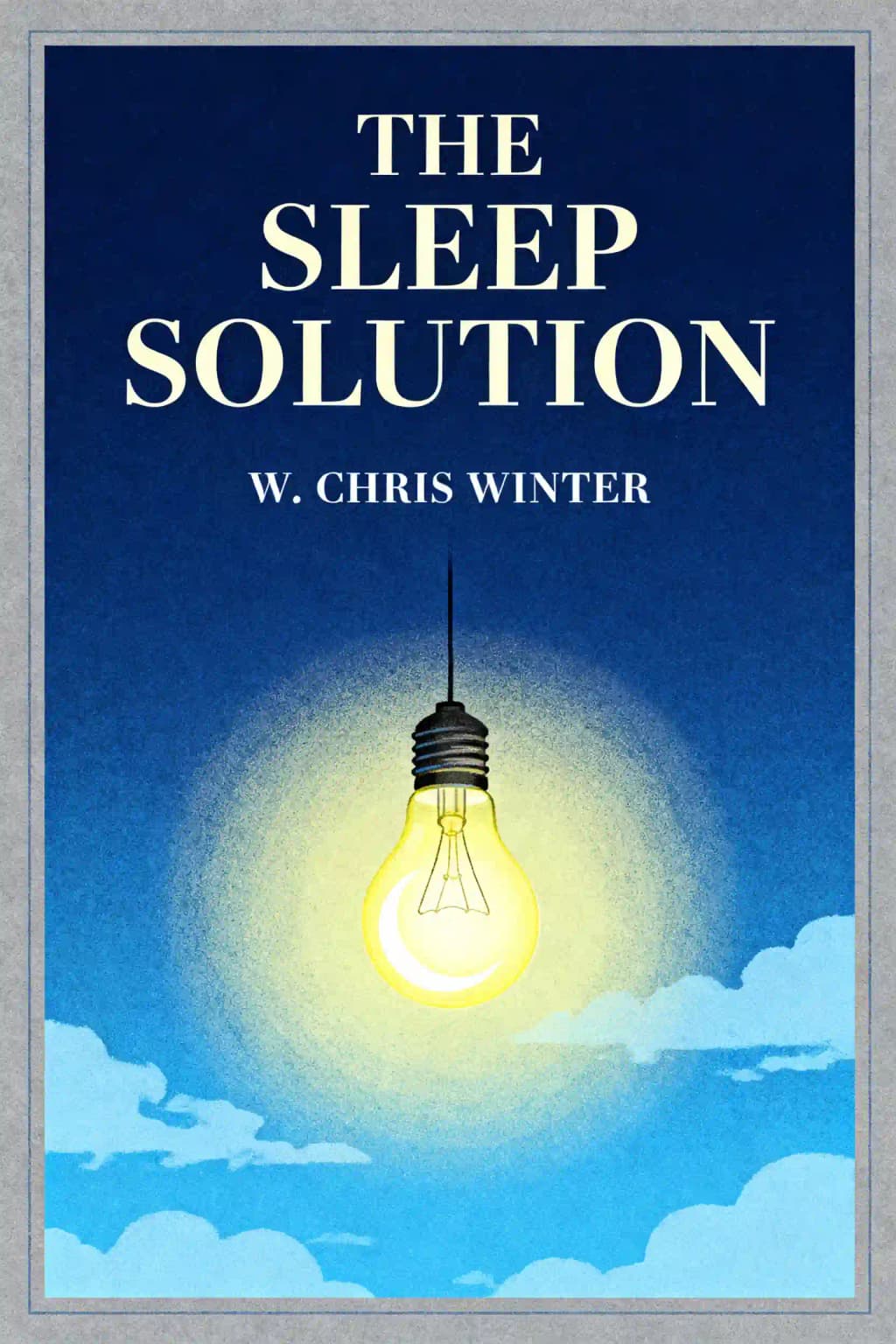
Imagine being told you have just days to live because you've lost the ability to sleep. This rare condition, Fatal Familial Insomnia, is a terrifying reality for a handful of people worldwide. While your sleep problems are almost certainly not this dire, Dr. W. Chris Winter's groundbreaking book "The Sleep Solution" argues that most sleep disorders are among the most treatable conditions in medicine-yet remain woefully misunderstood and undertreated. As a neurologist who has helped professional athletes, celebrities, and thousands of regular patients solve their sleep problems, Winter brings a refreshing perspective to a field dominated by misconceptions. The book has become a favorite among sleep specialists and patients alike, with celebrities like Arianna Huffington praising its practical wisdom. Since its 2017 publication, it has transformed how we think about sleep-not as an elusive luxury, but as a fundamental skill that can be developed and improved with the right approach.
Capítulo 2
Sleep: The Foundation of All Health
Have you ever played Mad Libs? Dr. Winter uses this childhood game to illustrate how sleep connects to virtually every aspect of our health. The template goes something like this: "Poor sleep quality increases your risk of developing ______" or "Sleep disorders can worsen symptoms of ______." The remarkable thing is that you could insert almost any medical condition-from heart disease to depression to cancer-and the statement would be scientifically accurate.
Sleep's impact on our brain health is particularly profound. The brain's glymphatic system-a waste removal network discovered in 2015-works 60% more efficiently during sleep than wakefulness. This system clears out proteins like amyloid beta, which accumulates in Alzheimer's disease. When we don't sleep well, this crucial cleaning process becomes compromised, potentially contributing to neurodegenerative disorders. Interestingly, research shows that sleeping on your side optimizes this waste removal process.
The connection between sleep and weight has become increasingly clear in recent years. While we've long known obesity can cause poor sleep (once called Pickwickian syndrome), newer research reveals that poor sleep actually leads to weight gain through multiple mechanisms. Studies involving millions of subjects show that sleeping fewer than six hours and staying up past midnight correlates with higher obesity rates. As sleep duration drops, waist size increases. The hormones ghrelin (which stimulates hunger) and leptin (which signals fullness) become dysregulated with poor sleep, leading to overeating. One sobering study found that for every hour of sleep lost, individuals gained 2.1 points on their BMI.
Our cardiovascular system suffers tremendously from poor sleep quality. Sleep disorders increase risk for heart attack, elevated blood pressure, heart failure, and stroke. Any condition fragmenting sleep can elevate blood pressure. Sleep apnea can trigger atrial fibrillation, where the heart beats in an uncoordinated rhythm, potentially leading to blood clots and strokes. Treating sleep apnea can reduce atrial fibrillation recurrence from 82% to 42%. When breathing is compromised during sleep, the chest cavity creates excessive negative pressure, pulling blood back into the heart abnormally and eventually leading to heart failure if left untreated.
The relationship between sleep and mood is particularly striking. For patients with obstructive sleep apnea, depression rates can drop dramatically with treatment (from 73% to 4%). Sleep disruption is so strongly linked to mental health conditions that some professionals won't diagnose depression without sleep issues present.
Perhaps most unsettling is the emerging link between sleep dysfunction and cancer. While poor sleep quality connects to various cancers, the strongest connection appears with breast cancer. Sleep disturbances like shift work may be both a risk factor for developing breast cancer and a predictor of treatment outcomes. The World Health Organization has classified shift work as a probable carcinogen, listing it alongside hazards like paint fumes in terms of cancer risk.
Our immune system's function is intimately tied to sleep quality and quantity. Studies show people sleeping six hours or fewer are more likely to develop colds when exposed to rhinovirus compared to those sleeping seven-plus hours. Disturbed sleep is also a risk factor for developing autoimmune disorders and significantly impacts the body's ability to regulate blood sugar, creating substantial diabetes risk.
Capítulo 3
Understanding Sleep as a Primary Drive
What would you do for a good night's sleep? For many struggling with sleep problems, the answer is "almost anything." This desperation stems from sleep being a primary drive-as essential as food, water, and sex. Like these other drives, sleep is inevitable and necessary for survival.
Many patients who claim they "don't sleep" are actually sleeping but not perceiving it effectively. The fundamental truth everyone must accept: you sleep. Research shows humans simply cannot function on extremely limited sleep for extended periods. Studies where subjects received only 4-6 hours of sleep for just two weeks showed significant performance deterioration, with many subjects falling asleep during attention tasks despite not recognizing their own impairment.
Sleep is a biological drive that cannot be denied indefinitely. The Guinness Book of World Records no longer recognizes sleep-deprivation records due to the dangers involved. Record holder Randy Gardner (11 days, 24 minutes in 1964) experienced microsleeps, hallucinations, cognitive impairments, and paranoia. DJ Peter Tripp's 201-hour stunt left lasting psychological effects, including believing he was an impostor of himself. Unlike hunger, which can be overcome in cases of anorexia or hunger strikes, the brain retains final control over sleep and will eventually force it upon us.
How much sleep do we actually need? The simple answer is: enough. Not too little (or you'll fall asleep at dinner) and not too much (or you'll lie awake waiting to fall asleep). Sleep needs are highly individualized, like caloric requirements. According to research, sleep needs change throughout our lifetime, generally declining as we age. The National Sleep Foundation's recommendations vary by age: newborns (14-17 hours), infants (12-15 hours), toddlers (11-14 hours), preschoolers (10-13 hours), school-age children (9-11 hours), teens (8-10 hours), adults (7-9 hours), and older adults (7-8 hours).
Despite common belief that we sleep less than our ancestors, research analyzing time diaries from 1975-2006 found little evidence of decreased sleep time. Similarly, a 2015 study of hunter-gatherer societies found they averaged only 6 hours and 25 minutes of sleep nightly, on the low end of modern Western averages.
Capítulo 4
The Critical Difference: Sleepiness vs. Fatigue
Have you ever told someone you're "sleepy" when what you really meant was "tired"? This distinction isn't just semantic-it's crucial for addressing sleep problems. Sleepiness refers specifically to having a high sleep tendency-being likely to fall asleep. This differs significantly from fatigue, though many people use these terms interchangeably.
Someone who describes themselves as sleepy but takes four hours to fall asleep isn't experiencing true sleepiness by this definition, as they have a low rather than high drive to sleep. Fatigue is like a football player after a tough game-physically drained but not necessarily ready to sleep. This distinction matters because fatigued people often go to bed early feeling exhausted but struggle to fall asleep, creating a recipe for insomnia.
The Fatigue Severity Scale helps measure fatigue levels through nine questions about how fatigue impacts daily functioning. Importantly, while poor sleep can cause fatigue, many other conditions can too-from hypothyroidism to depression to vitamin deficiencies. If improving sleep doesn't resolve fatigue, medical investigation may be needed.
Sleepiness is a widespread problem with consequences ranging from nodding off in church to catastrophic accidents like the Exxon Valdez oil spill, where sleep deprivation was a contributing factor. Sleepiness has three main causes: certain drugs, sleep deprivation, and sleep dysfunction. Sleep deprivation often results from modern habits like binge-watching TV or overcommitting to work. When you're sleep deprived, your brain eventually takes control, forcing sleep at inappropriate times-while driving, during meetings, or even during sex.
Sleep dysfunction is like having a hole behind your chin while eating-you can consume food continuously but remain starving because nothing is being properly digested. Conditions like sleep apnea cause brief awakenings that fragment sleep so severely that its restorative effects are negated. This creates a downward spiral: poor quality sleep leaves you sleepy, but you can't satisfy that sleepiness because your sleep remains dysfunctional.
While mild sleep issues can be compensated for with extra sleep, severe dysfunction can't be fixed by simply sleeping longer-like putting water in a gas tank. Contrary to popular belief, healthy adults typically need only 6-7 hours of sleep, not the often-cited 8 hours. Those with sleep disorders often feel they need 9+ hours to function, which skews perception of normal sleep requirements.
Capítulo 5
The Science of Sleep Regulation
Our bodies produce sleepiness through two primary systems working in concert. The homeostatic system, mediated by adenosine, creates increasing pressure to sleep the longer we stay awake-similar to how the urge to urinate grows stronger over time. Adenosine accumulates in the brain during wakefulness, with physical activity accelerating this buildup. Caffeine blocks adenosine receptors, temporarily masking sleepiness (which explains energy drinks' effectiveness).
Meanwhile, the circadian system regulates our day-night sleep patterns through melatonin production. When our eyes detect darkness, signals travel from specialized retinal cells to the suprachiasmatic nucleus (the brain's timekeeper), which prompts the pineal gland to release sleep-inducing melatonin. The circadian pacemakers counteract homeostatic sleep pressure during the day, allowing us to remain alert, but eventually relent as bedtime approaches.
This explains why we experience a small sleepiness peak after lunch (the basis for siestas in some cultures) before the circadian system temporarily rescues our alertness. These evolutionarily sophisticated, chemically-driven systems are highly preserved across species but can be disrupted by our modern lifestyles.
Capítulo 6
Understanding Sleep Architecture
Have you ever wondered what actually happens when you drift off to sleep? Sleep stages are widely misunderstood, with terms like "deep sleep" and "REM sleep" often used interchangeably despite being completely different phenomena. Sleep perception and reality frequently diverge-patients often claim they haven't slept at all while their partners report hearing them snore all night.
Living people exist in either wakefulness or sleep, with sleep divided into three distinct phases: light sleep (the foundation and passageway between other states), deep sleep (most restorative), and dream sleep (REM). Light sleep serves as the doorway to both deep and dream sleep, with direct transitions between wakefulness and deep/dream sleep being uncommon.
In the early 1950s, graduate student Eugene Aserinsky discovered rapid eye movements in sleeping children, which his advisor Nathaniel Kleitman confirmed. This became known as REM sleep. Using electrodes to measure brain activity, they found REM sleep brain patterns mirrored wakefulness, though with minimal muscle activity. About 70% of subjects awakened during REM reported dreaming, establishing it as primarily "dream sleep."
We typically spend about 25% of our night in REM sleep, occurring in 20-40 minute cycles that lengthen as night progresses, with the longest cycle happening just before morning awakening. REM sleep appears crucial for memory processing and pain regulation, with studies showing REM-deprived subjects experience increased pain sensitivity. Fascinatingly, during REM sleep, humans temporarily lose thermoregulation ability, becoming essentially "cold-blooded" like reptiles.
Light sleep forms the foundation of our nightly sleep architecture. Divided into stages N1 and N2, it represents the state between consciousness and deeper sleep states. N1 is the transition from wakefulness to sleep, comprising about 5% of sleep time with slowing brain waves and rolling eye movements. N2 represents a deeper light sleep stage characterized by sleep spindles and K-complexes, accounting for almost half our sleep time. All other sleep stages flow through N2, making it central to sleep architecture.
Deep sleep, or N3 sleep, is the most restorative phase despite being poorly understood by many. Characterized by slow delta waves, it constitutes about 25% of an adult's night, occurring primarily in the first half of sleep. This is when growth hormone production peaks, helping strengthen muscles, fortify bones, aid injury recovery, and boost immune function. As we age, deep sleep naturally declines, diminishing these restorative benefits.
Sleep stages flow in predictable patterns visualized through hypnograms. These diagrams show how sleep normally transitions through different stages, with N2 sleep playing a central role. Normal sleep follows specific pathways, while abnormal transitions (like jumping directly from wake to REM or REM to wake) indicate sleep disorders.
Capítulo 7
The Battle Between Sleep and Wakefulness
Vigilance (or arousal) refers to the wakefulness-promoting systems in our brains that allow us to consciously remain awake. These systems can work too weakly in some people, causing accidents from inadequate alertness, or too strongly in others, preventing sleep when needed. Vigilance functions as either an ally when sleep works properly or an adversary when it doesn't.
It can change rapidly-like when you're nodding off in a meeting but suddenly become wide awake when your boss calls you out. The chemical underpinnings of wakefulness include histamine, dopamine, and orexin, which oppose the sleep-promoting chemicals adenosine and melatonin in a constant balancing act that determines whether we stay awake or fall asleep.
Sleep and wakefulness operate as two opposing forces in our brains. Sleepiness builds continuously throughout the day as adenosine accumulates, while vigilance (wakefulness) can fluctuate based on circumstances. When sleepiness overtakes vigilance, sleep occurs naturally. For people with excessive daytime sleepiness, vigilance struggles to overcome mounting sleepiness.
Conversely, insomnia sufferers may feel exhausted but experience heightened vigilance at bedtime-often triggered by bedroom cues that create sleep pressure and anxiety. This vigilance prevents sleep initiation despite accumulated sleepiness, creating a frustrating cycle where the more they worry about sleep, the more vigilant they become.
Capítulo 8
When Perception Doesn't Match Reality
Sleep state misperception, also called paradoxical insomnia, occurs when people believe they're getting little to no sleep despite actually sleeping normally. This disconnect between perception and reality creates significant distress for sufferers who genuinely believe they're awake all night. The brain's inability to recognize periods of sleep creates a time-travel effect where hours can pass unnoticed.
One of Dr. Winter's first private practice patients insisted she hadn't slept for six months-not just poorly, but at all. Despite his attempts to explain that this was physiologically impossible, she remained convinced, citing her awareness of watching the clock change throughout the night. A sleep study revealed she actually slept nearly seven hours, like "a drunk fraternity brother." When confronted with video evidence, she angrily left his office, unable to reconcile her perception with reality.
This phenomenon-paradoxical insomnia-represents a genuine disconnect between actual sleep and the feeling of having slept. Many anxious, light sleepers experience this mismatch between perception and reality, radically underestimating their sleep time. While these individuals are technically sleeping, not feeling like you sleep is still abnormal and can be psychologically devastating. Everyone deserves to experience that wonderful amnesia that sleep typically brings-that time-travel sensation from lights-out to morning alarm.
Capítulo 9
The Rhythm of Life: Circadian Biology
Our bodies, like football teams that anticipate opponents' moves, function best when they can anticipate rather than merely react to changes. Circadian rhythms-internal processes that cycle approximately every 24 hours-allow this anticipation. These fundamental biological mechanisms appear in virtually all living organisms, from humans to plants and fungi, demonstrating their evolutionary importance for survival.
In 2007, the New England Patriots were caught illegally videotaping opponents' signals-a practice that gave them anticipatory advantage. Similarly, our bodies need to anticipate events like eating rather than simply reacting. Circadian rhythms (from Latin circa "about" + dian "day") govern virtually all bodily functions and require minimal calibration.
These internal clocks exist across species-even plants like the heliotrope demonstrate an ability to open and close with the sun's movement, even when kept in darkness. Our internal rhythm runs slightly longer than 24 hours (24 hours and 11 minutes), requiring daily "corrections" from environmental cues called zeitgebers. The sun is the strongest zeitgeber, but mealtimes, exercise, social interactions, and temperature also help synchronize our internal clocks.
Problems arise when these cues suddenly change, as with jet lag or shift work. Shift work disorder can cause more severe sleepiness than even narcolepsy or sleep apnea, as demonstrated by Multiple Sleep Latency Tests. Shift workers typically lose six hours of sleep weekly compared to regular workers, creating significant health challenges that remain difficult to treat effectively.
Capítulo 10
Creating Your Sleep Sanctuary: Environment Matters
Sleep hygiene forms the foundation for fixing all sleep problems, though it may not be sufficient on its own. It involves controlling your sleep behaviors and environment to optimize sleep-essentially controlling what you can control. Many patients claim they've "tried everything" regarding sleep hygiene yet still struggle to sleep. This is because good sleep hygiene is like cleaning your house before a party-necessary but not sufficient for success if the party concept itself is flawed.
Creating an ideal sleep environment starts with making your bedroom extremely dark, eliminating even the smallest light sources from clock radios, phones, and especially televisions. TVs in bedrooms are particularly problematic as they produce intense light, noise, and can condition you to need them for sleep. Studies show our brains continue processing information from sounds even after falling asleep, so a quiet environment is crucial.
Electronic devices should be turned off completely hours before bedtime, as research shows e-readers delay sleep onset by about ten minutes and reduce REM sleep compared to reading printed materials. If you must use electronics, consider blue-light blocking apps like f.lux or wearing Uvex blue-blocker glasses to minimize circadian disruption.
Your bed must be comfortable, though the perfect mattress varies by individual preference. Don't get suckered into buying an expensive bed as a miracle cure-focus on what feels comfortable to you. Invest in high-quality bedding with high thread count sheets and cozy blankets you love. Temperature regulation is crucial-night owls often feel warmer at night than morning types, so choose appropriate bedding.
Your bed partners-human or animal-can significantly impact your sleep quality. While some spouses are ideal sleep companions, many disrupt sleep through snoring, cover-stealing, movement, bathroom trips, or early alarms. Remember: beds are for only two activities-sleep and sex. If your partner prevents either, something must change. You have three options: do nothing (which will worsen the problem and breed resentment), convince your partner to seek help for their disruptive behaviors, or sleep separately.
When it comes to sleep-destroying habits, smoking and drinking top the list. Nicotine is a stimulant that worsens sleep quality-stop smoking, especially near bedtime. Caffeine is equally problematic, with research showing consumption even six hours before bed can reduce sleep time by an hour. Alcohol, ironically America's most popular sleep aid, is terrible for sleep. While it may help you fall asleep faster, it disrupts the second half of your night as it metabolizes, worsens breathing problems including snoring and apneas, and causes nighttime awakenings.
Timing and food choices significantly impact sleep quality. The National Sleep Foundation recommends avoiding eating within 2-3 hours of bedtime to prevent indigestion and reflux. High-protein foods can keep you awake, while high-carbohydrate foods promote sleepiness through blood sugar and insulin spikes. Research confirms that high-glycemic-index foods consumed four hours before sleep reduce time to fall asleep.
Adults benefit from bedtime routines just as children do. Consistent routines signal your brain what's coming next. Start your day with morning exercise, preferably outdoors in sunlight, to establish when your day begins and help your brain plan the next 24 hours. Before bed, try relaxing exercises or meditation. To quiet a busy mind, designate an hour in the evening to write down your to-do list and worries, then mentally "lock them away" until morning.
Capítulo 11
Conquering Insomnia: From Understanding to Action
Insomnia isn't simply "not sleeping"-it's not liking your sleep. The diagnosis is uniquely patient-controlled, unlike most medical conditions. The true definition consists of two components: not sleeping when you want to sleep, and caring deeply about this difficulty. Many insomnia patients selectively remember bad nights while forgetting good ones, focusing intensely on sleep difficulties while healthy sleepers barely notice occasional poor sleep.
Anxiety consistently emerges as the primary cause of insomnia. People with slight anxiety tendencies are predisposed to sleep struggles-their "hamster-wheel minds" resist shutting down. Insomnia sufferers frequently mention their inability to quiet their minds, as evidenced by their language in online forums where the word "mind" appears repeatedly in discussions about sleep difficulties.
After suffering from insomnia for 3-6 months, going to bed becomes a negative task filled with dread and frustration. Eventually, the original cause of insomnia becomes irrelevant as people develop anxiety about their inability to sleep.
Cognitive behavioral therapy (CBT) is highly effective for treating insomnia by addressing the bad beliefs, anxiety, and poor habits central to the condition. CBT-I includes several components: sleep education to understand sleep science; good sleep hygiene practices; stimulus control (using bed only for sleep); sleep restriction to match time in bed with actual sleep needs; relaxation training to help patients "chill at night"; and cognitive therapy to eliminate irrational beliefs about sleep.
Hard insomnia is a soulless beast that sucks hope and happiness from life. Unlike regular insomnia which is typically a symptom of something else, hard insomnia can be difficult or seemingly impossible to pin down. Most sufferers have been "bad sleepers" for years, trying countless medications that provide little sustained relief yet continuing to take them anyway.
The concept of "insomnia identity" explains why some people with sleep problems suffer more than others. Similar to how students who identify as "bad at math" perform poorly despite ability, those who adopt an identity as "insomniacs" rather than "people who have trouble sleeping" tend to focus only on bad nights while ignoring good ones. Research shows that poor sleepers with high distress about their sleep experience more depression, fatigue, and cognitive impairment than poor sleepers with low distress-even when their actual sleep quality is identical.
After twenty years studying sleep, Dr. Winter has distilled insomnia to one fundamental emotion: fear. He illustrates this with a childhood story about attempting to sleep in a backyard playhouse but becoming too frightened, despite there being no rational danger. This mirrors how insomnia operates-the fear of not sleeping becomes a self-fulfilling prophecy.
Good sleepers maintain a "whatever" attitude toward sleep-an inner belief they'll be okay regardless of how the night goes. This fearlessness about sleep is what insomnia sufferers must cultivate to break their cycle.
Capítulo 12
Beyond Insomnia: Other Sleep Disorders
Winter addresses the common misconception that sleep apnea is the only cause of excessive daytime sleepiness. He describes encountering patients who, after testing negative for sleep apnea, are left without answers about their persistent drowsiness. Many healthcare providers operate under the false equation "No sleep apnea = normal sleep," overlooking numerous other sleep disorders.
Restless legs syndrome (RLS) affects about 10% of adults and causes unbearable sensations in the legs that feel like internal itching or insects crawling deep inside. These sensations worsen when sitting or lying down, making sleep nearly impossible. The condition is related to dopamine, a neurotransmitter that helps regulate wakefulness and muscle activity. Despite being documented since 1685 by Thomas Willis, RLS has been largely ignored by doctors.
Narcolepsy is a neurological disorder caused by deficiency of orexin, a brain chemical that helps maintain wakefulness. Patients experience excessive daytime sleepiness with sudden sleep attacks, hallucinations when falling asleep or waking up, cataplexy (sudden muscle weakness triggered by emotions), sleep paralysis, and disrupted nighttime sleep. Unlike popular misconceptions, narcolepsy patients remain conscious during cataplexy episodes.
Many sufferers don't realize their condition is abnormal, assuming everyone experiences constant sleepiness. Without diagnosis, they struggle academically and socially, feeling "dumb" despite typically being intelligent and motivated individuals. Fortunately, several medications can help, including stimulants (Ritalin, Adderall), wakefulness-promoting drugs (Provigil/modafinil, Nuvigil/armodafinil), and Xyrem (similar to GHB).
In REM behavior disorder, the brain fails to send the signal that creates paralysis during sleep, allowing individuals to physically act out their dreams. This condition is significant because it can be an early warning sign of Parkinson's disease, making it important not to ignore symptoms like someone suddenly reenacting past experiences during sleep.
Sleep studies are valuable diagnostic tools that monitor various aspects of sleep including breathing, brain activity, and muscle movement. While they represent only a tiny sample of a person's lifetime sleep (about 0.00009 percent for a thirty-year-old), they can provide crucial insights into sleep problems. The process involves attaching leads with glue to measure electrical impulses from the brain and muscles, combined with devices tracking breathing, blood oxygen, and heart rate.
Home sleep testing (HST) has gained popularity as an alternative to in-lab studies, allowing patients to sleep in their own beds. These portable devices typically monitor five outputs: airflow, breathing effort, oxygen saturation, pulse, and snoring. However, they have significant limitations-most notably, they don't actually measure sleep. Without tracking brain waves, eye movements, or muscle tone, HSTs can't determine if a patient is sleeping or for how long, potentially underestimating sleep apnea severity.
Achieving great sleep takes time, just like building muscle or learning a language. Whether you're sleeping better already or still working toward it, be patient with the process and continue applying what you've learned. The journey to better sleep isn't about quick fixes but rather developing a sustainable relationship with this fundamental aspect of human health.