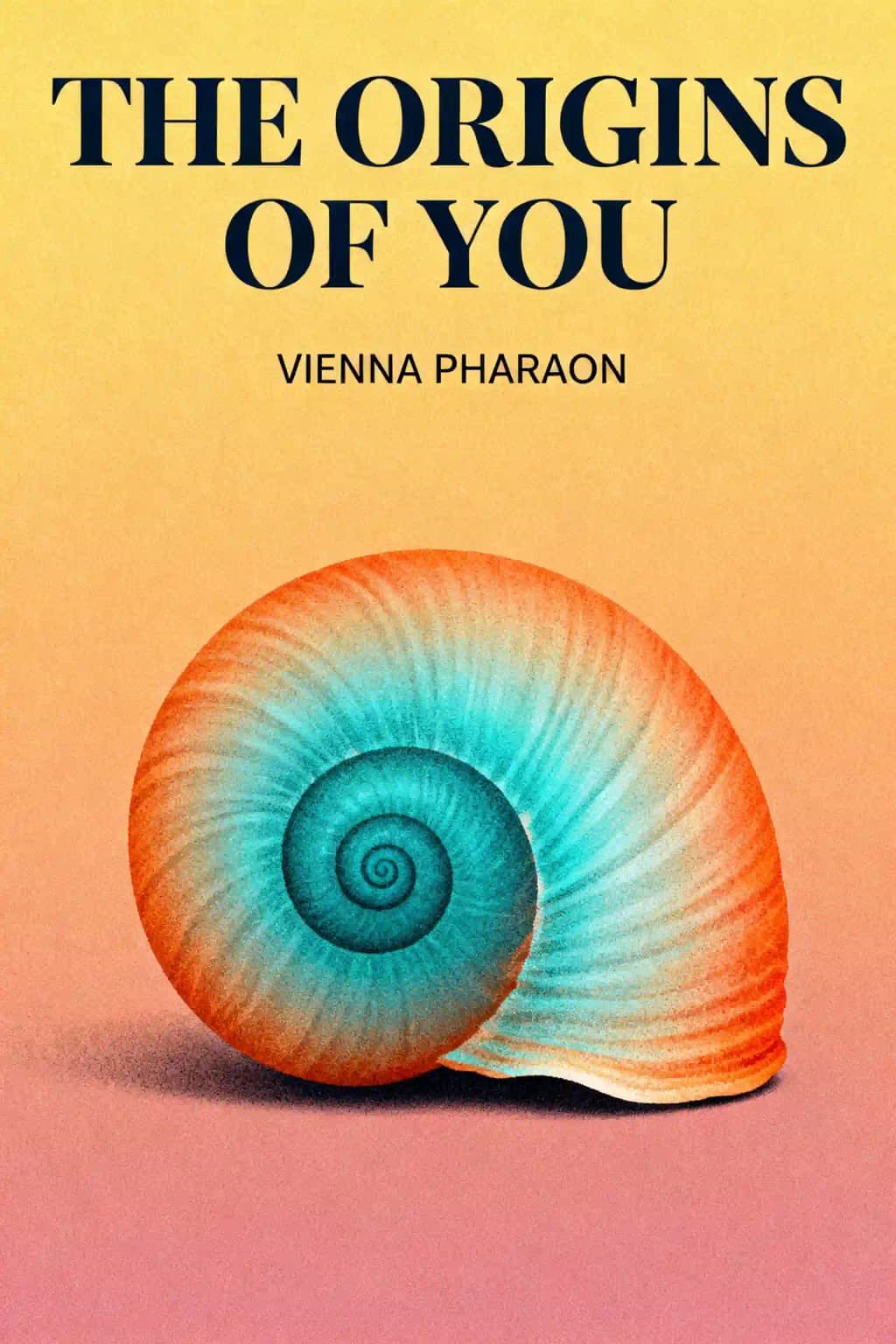
Origins of You
How Our Families Build Us and Break Us and How We Can Change the Cycle for Good
Resumen de Origins of You
In "The Origins of You," renowned therapist Vienna Pharaon reveals how childhood wounds shape adult relationships. With 683,000+ Instagram followers, her compassionate framework has sparked a mental health revolution. What family pattern is secretly controlling your life choices?

Temas clave en Origins of You
- family of origin
- intergenerational trauma
- attachment patterns
- childhood origin wounds
- reparenting techniques
Citas de Origins of You
We cannot heal what we refuse to acknowledge.
Your unhealed past directs your present life.
Attachment trumps authenticity.
Time alone doesn't heal all wounds.
Wounds don't disappear because we ignore them.
Personajes en Origins of You
- Vienna PharaonAuthor and therapist with 15 years of experience
- NatashaTherapy client struggling with relationship doubt
- ClydeNatasha's partner
- Dr. Gabor MateExpert cited regarding authenticity and attachment
- Brene BrownAuthor cited regarding resistance to family work
Sobre el Autor
Sobre el autor de Origins of You
Vienna Pharaon is a licensed marriage and family therapist and bestselling author of The Origins of You: How Breaking Family Patterns Can Liberate the Way We Live and Love.
A prominent voice in relationship psychology, she specializes in helping individuals and couples heal childhood wounds and transform intergenerational patterns through her four-step origin healing practice.
With over 25,000 clinical hours and 675,000 Instagram followers, Pharaon combines therapeutic expertise with accessible social media guidance on topics like self-worth, trust, and emotional safety. Her work has been featured on ABC’s Good Morning America, and she hosts the popular podcast This Keeps Happening, where she explores recurring relational challenges.
The Origins of You debuted as a national bestseller, cementing Pharaon’s reputation as a leading authority on bridging family history with modern emotional wellness.
Descargar resumen de Origins of You
Obtén el resumen de Origins of You como PDF o EPUB gratis. Imprímelo o léelo sin conexión en cualquier momento.
Preguntas Frecuentes Sobre Este Libro
The Origins of You explores how childhood emotional wounds, or "origin wounds," shape adult relationships and behaviors. Licensed therapist Vienna Pharaon provides a framework to identify and heal these patterns through a four-step process: witnessing, acknowledging, grieving, and pivoting. The book combines client stories, introspection exercises, and actionable tools to help readers break cyclical family dynamics and foster healthier connections.
This book is ideal for individuals grappling with repetitive relationship struggles, therapy enthusiasts, or anyone seeking to understand how childhood experiences influence their adult lives. It’s particularly valuable for readers interested in self-guided healing tools, including worksheets and reflective prompts.
Yes—Pharaon’s expertise as a New York-based therapist and her practical approach make it a compelling resource. The blend of psychological frameworks, relatable case studies, and structured exercises offers tangible steps for personal growth, earning praise for its clarity and actionable insights.
Origin wounds are early experiences that disrupt feelings of safety, belonging, or self-worth, often rooted in family dynamics. Examples include parental neglect or critical messaging that shapes self-perception. Pharaon argues these wounds unconsciously dictate adult behaviors until consciously addressed.
The method involves:
- Witnessing: Identifying the wound’s source.
- Acknowledging: Validating its impact.
- Grieving: Processing associated emotions.
- Pivoting: Adopting new patterns.
This structured approach helps readers move from awareness to sustainable change.
By tracing current conflicts to unresolved childhood wounds, the book helps readers recognize why they react to partners, friends, or colleagues in specific ways. For example, trust issues might stem from early betrayals, enabling healthier communication and boundary-setting.
Yes—each chapter includes guided introspection, conversation frameworks, and worksheets to apply concepts like identifying core wounds or mapping family patterns. These tools make abstract ideas actionable.
Some readers note the book emphasizes past trauma analysis over present-focused strategies, which may feel heavy for those preferring forward-looking methods. However, its balanced mix of theory and practice mitigates this concern for most.
A standout line: “Your past doesn’t have to dictate your future, but ignoring it will keep you trapped.” This underscores the book’s thesis that conscious reckoning with origin wounds is essential for liberation.
Unlike generic advice, Pharaon’s work delves into family systems theory, offering a unique lens for understanding behavior. It complements books like Attached (focusing on attachment styles) by addressing deeper generational patterns.
Indirectly—by addressing self-sabotaging behaviors linked to origin wounds (e.g., fear of failure from childhood criticism), readers can build confidence and decision-making skills applicable to professional growth.
Pharaon’s dual focus on practical tools (e.g., conflict resolution scripts) and emotional depth sets it apart. The inclusion of client narratives and culturally relevant examples enhances relatability, bridging academic concepts to everyday life.