Resumen de Little Book of Talent
Forget innate talent. Daniel Coyle's 52-tip masterclass reveals how anyone can develop extraordinary skills through smart practice. Endorsed by vocal coach Linda Septien (who trained Demi Lovato), this book has transformed elite sports teams and military ops by cracking the code of high performance.
- Talent blooms through deep practice, not innate gifts, by rewiring brain myelin.
- Ignite motivation by linking your identity to high performers’ habits and mindsets.
- Break skills into chunks, master each component, then combine for complex mastery.
- Steal techniques from experts by obsessively studying their specific, repeatable actions.
- Seek master coaches who deliver immediate, behavior-focused feedback, not vague praise.
- Practice at the edge of failure—errors drive faster myelin growth than perfection.
- Talent hotbeds succeed by prioritizing group progress over individual natural ability.
- Use brief, intense practice sessions (45-60 minutes) to maximize neural wiring efficiency.
- Transform dull drills into "deep practice" with real-time self-correction and focus.
- Childhood success often derails talent development; treat early wins as experiments.
- Film your practice sessions to create objective feedback loops for rapid improvement.
- Replace "I’m not talented" with "I haven’t built this skill yet."
Sobre el autor de Little Book of Talent
Daniel Coyle, bestselling author of The Little Book of Talent and a leading expert in talent development and high-performance cultures, combines decades of journalism with hands-on research to decode the science of skill-building. Born in St. Louis and based in Homer, Alaska, Coyle’s work blends psychology, sports, and organizational behavior, informed by his advisory role with the Cleveland Guardians MLB team and studies of elite groups like the Navy SEALs and top-tier companies.
A contributing editor at Outside magazine, his insights have been featured in The New York Times, Sports Illustrated, and popular podcasts like The Way of Champions.
Coyle’s acclaimed titles, including The Talent Code and The Culture Code (named a Best Business Book by Bloomberg and Amazon), explore how individuals and groups achieve excellence through deliberate practice and psychological safety. His actionable frameworks are utilized by educators, coaches, and Fortune 500 leaders worldwide. The Little Book of Talent, a concise guide to accelerating skill mastery, has been translated into multiple languages and remains a staple for anyone seeking to unlock potential through evidence-based strategies.
Preguntas frecuentes sobre Little Book of Talent
What is The Little Book of Talent by Daniel Coyle about?
The Little Book of Talent by Daniel Coyle is a concise, actionable guide to skill development, offering 52 field-tested tips derived from studying high-performing individuals and "talent hotbeds." It focuses on practical strategies like deep practice, embracing struggle, and optimizing repetition, distilling neuroscience and real-world success into bite-sized, executable advice for rapid improvement.
Who should read The Little Book of Talent?
This book is ideal for athletes, coaches, educators, and anyone seeking to improve skills efficiently. Its no-fluff approach benefits learners at any stage, from beginners to professionals, particularly those who prefer actionable steps over theoretical explanations.
Is The Little Book of Talent worth reading?
Yes—readers praise its brevity, clarity, and practicality. Reviewers highlight its value for skill-building in sports, music, and professional development. Critics note it lacks depth in scientific explanations, but most agree it delivers high-impact advice in under two hours.
What are the main concepts in The Little Book of Talent?
Key ideas include:
- Deep Practice: Slow, error-focused repetition to rewire neural pathways.
- Ignition: Using motivation triggers like role models to sustain effort.
- Master Coaching: Learning through observation and feedback.
How does The Little Book of Talent compare to The Talent Code?
While The Talent Code explores the science behind skill acquisition, The Little Book of Talent serves as a practical handbook with step-by-step strategies. Both emphasize deep practice, but the latter prioritizes actionable tips over theory.
What are key quotes from The Little Book of Talent?
Notable lines include:
- “Mistakes are the guideposts to improvement”—emphasizing errors as learning tools.
- “Don’t just practice until you get it right. Practice until you can’t get it wrong”—highlighting mastery through repetition.
How can The Little Book of Talent help with career development?
The book’s focus on deliberate practice and feedback loops applies to workplace skills like public speaking, leadership, and technical abilities. Tips like “steal from the best” encourage modeling successful peers to accelerate growth.
What are criticisms of The Little Book of Talent?
Some readers find the advice overly simplistic or repetitive. Others wish for more scientific context, as the book skips detailed explanations in favor of brevity.
How does Daniel Coyle’s background influence The Little Book of Talent?
Coyle’s experience advising the Cleveland Indians and studying groups like Navy SEALs informs the book’s focus on replicable, real-world methods. His journalism career ensures accessible, story-driven explanations.
Can The Little Book of Talent help with sports performance?
Absolutely. Strategies like “chunking” (breaking skills into components) and “probing” (testing limits) are widely used by athletes. The book’s tips on mental visualization and short practice sessions align with sports psychology principles.
What makes The Little Book of Talent unique among self-help books?
Its combination of brevity and specificity stands out—each tip is distilled to 1-2 pages, making it ideal for quick reference. Unlike broader self-help guides, it targets skill-building mechanics with precision.
How relevant is The Little Book of Talent in 2025?
The principles remain timeless, particularly for remote learners and professionals adapting to AI-driven workplaces. Its emphasis on micro-skills and adaptability aligns with modern demands for continuous reskilling.
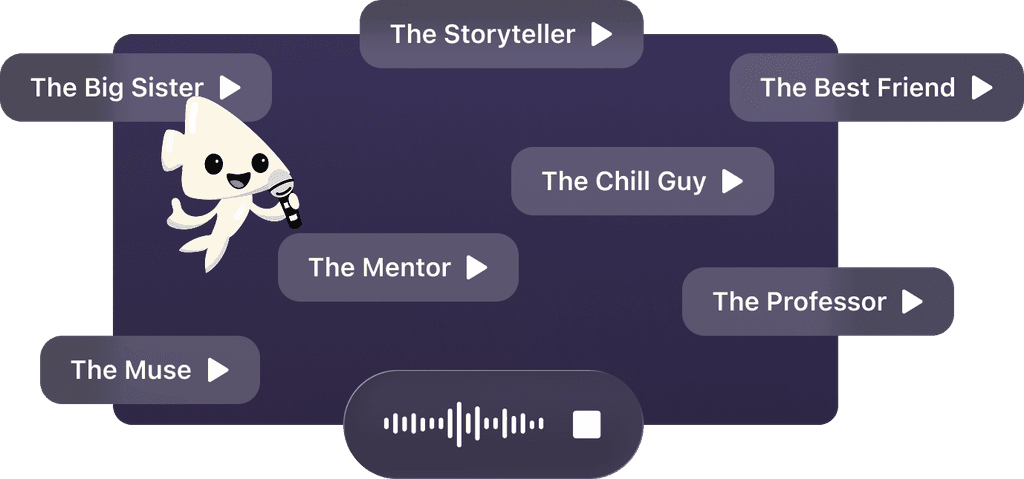
Siente el libro a través de la voz del autor
Convierte el conocimiento en ideas atractivas y llenas de ejemplos
Captura ideas clave en un instante para un aprendizaje rápido
Disfruta el libro de una manera divertida y atractiva
Personajes en Little Book of Talent
- Daniel CoyleAuthor and researcher of talent development
- Dr. George BartzokisUCLA neurologist studying neural circuits
- Se Ri PakSouth Korean golfer who inspired a generation
- Serena WilliamsElite athlete who uses the book's techniques
Temas clave en Little Book of Talent
- skill acquisition
- deliberate practice
- neural myelination
- talent hotbeds
- ignition triggers
Citas de Little Book of Talent
Struggle is not optional—it’s neurologically required.
Great teachers don’t talk that much; they create conditions for the students to teach themselves.
The best way to build a working model of a skill is to get close to someone who’s already doing it well.
Pick a target. Reach for it. Evaluate the gap between target and reach. Repeat.
Inspiration is for amateurs.
Explora Tu Forma de Aprender
 Modo Resumen Rápido
Lee o escucha el resumen de Little Book of Talent en 9 minutos
Desglosa las ideas clave de Little Book of Talent en puntos fáciles de entender para comprender cómo los equipos innovadores crean, colaboran y crecen.

 Modo Divertido
Lecciones de Little Book of Talent Contadas en Historias de 23 Min
Experimenta Little Book of Talent a través de narraciones vívidas que convierten las lecciones de innovación en momentos que recordarás y aplicarás.
 Modo Personalizar
Experimenta Little Book of Talent con tu propio estilo de aprendizaje
Pregunta cualquier cosa, elige tu estilo de aprendizaje y co-crea ideas que realmente resuenen contigo.
Creado por exalumnos de la Universidad de Columbia en San Francisco
"Instead of endless scrolling, I just hit play on BeFreed. It saves me so much time."


"I never knew where to start with nonfiction—BeFreed’s book lists turned into podcasts gave me a clear path."


"Perfect balance between learning and entertainment. Finished ‘Thinking, Fast and Slow’ on my commute this week."
"Crazy how much I learned while walking the dog. BeFreed = small habits → big gains."
"Reading used to feel like a chore. Now it’s just part of my lifestyle."

"Feels effortless compared to reading. I’ve finished 6 books this month already."
"BeFreed turned my guilty doomscrolling into something that feels productive and inspiring."

"BeFreed turned my commute into learning time. 20-min podcasts are perfect for finishing books I never had time for."
"BeFreed replaced my podcast queue. Imagine Spotify for books — that’s it. 🙌"

"It is great for me to learn something from the book without reading it."
"The themed book list podcasts help me connect ideas across authors—like a guided audio journey."
"Makes me feel smarter every time before going to work"
Creado por exalumnos de la Universidad de Columbia en San Francisco
"Instead of endless scrolling, I just hit play on BeFreed. It saves me so much time."
"I never knew where to start with nonfiction—BeFreed’s book lists turned into podcasts gave me a clear path."
"Perfect balance between learning and entertainment. Finished ‘Thinking, Fast and Slow’ on my commute this week."
"Crazy how much I learned while walking the dog. BeFreed = small habits → big gains."
"Reading used to feel like a chore. Now it’s just part of my lifestyle."
"Feels effortless compared to reading. I’ve finished 6 books this month already."
"BeFreed turned my guilty doomscrolling into something that feels productive and inspiring."
"BeFreed turned my commute into learning time. 20-min podcasts are perfect for finishing books I never had time for."
"BeFreed replaced my podcast queue. Imagine Spotify for books — that’s it. 🙌"
"It is great for me to learn something from the book without reading it."
"The themed book list podcasts help me connect ideas across authors—like a guided audio journey."
"Makes me feel smarter every time before going to work"
"Instead of endless scrolling, I just hit play on BeFreed. It saves me so much time."
"I never knew where to start with nonfiction—BeFreed’s book lists turned into podcasts gave me a clear path."
"Perfect balance between learning and entertainment. Finished ‘Thinking, Fast and Slow’ on my commute this week."
"Crazy how much I learned while walking the dog. BeFreed = small habits → big gains."
"Reading used to feel like a chore. Now it’s just part of my lifestyle."
"Feels effortless compared to reading. I’ve finished 6 books this month already."
"BeFreed turned my guilty doomscrolling into something that feels productive and inspiring."
"BeFreed turned my commute into learning time. 20-min podcasts are perfect for finishing books I never had time for."
"BeFreed replaced my podcast queue. Imagine Spotify for books — that’s it. 🙌"
"It is great for me to learn something from the book without reading it."
"The themed book list podcasts help me connect ideas across authors—like a guided audio journey."
"Makes me feel smarter every time before going to work"
"Instead of endless scrolling, I just hit play on BeFreed. It saves me so much time."
"I never knew where to start with nonfiction—BeFreed’s book lists turned into podcasts gave me a clear path."
"Perfect balance between learning and entertainment. Finished ‘Thinking, Fast and Slow’ on my commute this week."
"Crazy how much I learned while walking the dog. BeFreed = small habits → big gains."
"Reading used to feel like a chore. Now it’s just part of my lifestyle."
"Feels effortless compared to reading. I’ve finished 6 books this month already."
"BeFreed turned my guilty doomscrolling into something that feels productive and inspiring."
"BeFreed turned my commute into learning time. 20-min podcasts are perfect for finishing books I never had time for."
"BeFreed replaced my podcast queue. Imagine Spotify for books — that’s it. 🙌"
"It is great for me to learn something from the book without reading it."
"The themed book list podcasts help me connect ideas across authors—like a guided audio journey."
"Makes me feel smarter every time before going to work"

Descargar resumen de Little Book of Talent
Obtén el resumen de Little Book of Talent como PDF o EPUB gratis. Imprímelo o léelo sin conexión en cualquier momento.