

Resumen de The Butcher and the Wren
A forensic thriller where an autopsy technician hunts a serial killer in Louisiana's bayou. This instant NYT bestseller (#2) by podcast star Alaina Urquhart delivers authentic morgue details that made Aaron Mahnke call it "skilled and evocative." Can you stomach what lurks beneath?
- Alaina Urquhart's autopsy experience creates unmatched forensic authenticity in thriller fiction.
- The Butcher and the Wren delivers psychological cat-and-mouse suspense perfectly.
- Dr. Wren Muller hunts serial killers using real forensic pathology methods.
- Urquhart proves autopsy technicians write the most realistic crime thrillers available.
- The novel balances graphic medical detail with profound dignity for victims.
- Alternating perspectives show both killer psychology and forensic detective brilliance.
- Wren symbolizes how intelligence conquers physical disadvantage against deadly predators.
- The Butcher and the Wren blends Louisiana gothic with medical horror effectively.
- Forensic precision enhances rather than diminishes edge-of-your-seat thriller suspense.
- Urquhart's debut showcases why morgue workers understand death's darkest mysteries.
- The novel demonstrates serial killer profiling through authentic autopsy room insights.
- Medical experimentation horror reaches new heights with professional forensic credibility.
Sobre el autor de The Butcher and the Wren
Alaina Urquhart is the bestselling author of The Butcher and the Wren and a working autopsy technician who brings real-world forensic expertise to psychological horror fiction. This gripping thriller follows forensic pathologist Dr. Wren Muller as she hunts a sadistic serial killer through the Louisiana bayou, blending medical precision with supernatural dread.
With degrees in psychology, biology, and criminal justice, Urquhart channels her morgue experience into chillingly authentic crime narratives. She co-hosts the chart-topping true crime podcast Morbid alongside Ash Kelley, as well as the horror podcast Scream, reaching millions of listeners who appreciate her science-driven approach to dark storytelling.
Her follow-up novel, The Butcher Game, continues Dr. Muller's case files. Based in Boston, Urquhart's debut has been praised by the Daily Mail as "impressively detailed" and "captivating," with readers noting that only an autopsy technician could provide such vivid, bone-chilling authenticity.
Preguntas frecuentes sobre The Butcher and the Wren
What is The Butcher and the Wren by Alaina Urquhart about?
The Butcher and the Wren is a psychological thriller following forensic pathologist Dr. Wren Muller as she hunts a serial killer named Jeremy, known as the Bayou Butcher, who abducts and tortures victims in the Louisiana swamps. The novel features alternating perspectives between hunter and hunted, building toward a shocking revelation that Wren is actually a previous survivor of Jeremy's crimes seven years earlier.
Who is Alaina Urquhart and what is her background?
Alaina Urquhart is an autopsy technician, mystery writer, and co-host of the popular true crime podcast Morbid. She holds degrees in psychology, biology, and criminal justice, and also hosts the Parcast original crime countdown and horror podcast Scream. Her unique professional experience working in a morgue brings authentic medical detail and forensic accuracy to her thriller writing.
Who should read The Butcher and the Wren?
The Butcher and the Wren is ideal for true crime enthusiasts, horror fans, and thriller readers who appreciate psychological suspense and don't mind graphic content. Readers who enjoy cat-and-mouse narratives, forensic details, and dark atmospheric settings will find this particularly engaging. However, those sensitive to gore, medical procedures, or torture scenes should approach with caution due to the book's explicit nature.
Is The Butcher and the Wren worth reading?
The Butcher and the Wren delivers a fast-paced, tension-filled thriller that keeps readers engaged through its alternating perspectives and shocking twists. Alaina Urquhart's authentic autopsy expertise adds realistic forensic detail that elevates the narrative beyond typical serial killer fiction. While graphic in places, the story balances visceral content with intelligent plotting and a cliffhanger ending that leaves readers wanting more.
What is the major plot twist in The Butcher and the Wren?
The central twist reveals that Dr. Wren Muller is actually Emily, a survivor who escaped Jeremy's torture seven years earlier after using another victim's body to absorb electricity from a fence. This connection transforms the investigation from a standard hunt into a deeply personal confrontation. The twist reframes earlier chapters and adds psychological complexity to both protagonist and antagonist relationships.
How does Alaina Urquhart's autopsy background influence The Butcher and the Wren?
Alaina Urquhart's real-world experience as an autopsy technician provides The Butcher and the Wren with precise forensic details that most thriller writers cannot authentically replicate. Her knowledge shapes how Wren analyzes bodies, discovers the killer refrigerated victims to manipulate time-of-death estimates, and interprets medical evidence. This expertise creates visceral, technically accurate scenes that ground the horror in procedural realism while maintaining narrative tension.
What makes Jeremy (the Bayou Butcher) different from other thriller villains?
Jeremy stands out through his methodical approach combining medical knowledge with sadistic games—he releases victims into the bayou and hunts them after injecting paralyzing agents like synthetically modified Jamaican ginger. Unlike impulsive killers, Jeremy taunts authorities with cryptic clues, plants evidence at future crime scenes, and stays consistently ahead of investigators. His intelligence, organization, and twisted medical experiments create a uniquely terrifying antagonist.
Is The Butcher and the Wren part of a series?
The Butcher and the Wren is the first book in Alaina Urquhart's Dr. Wren Muller series, published in 2022. The novel ends on a deliberate cliffhanger with Jeremy escaping after faking his death, setting up continuation. The sequel, The Butcher Game, was published in 2024, continuing Wren's pursuit of the killer. The series structure allows deeper exploration of the cat-and-mouse dynamic.
How graphic and disturbing is The Butcher and the Wren?
The Butcher and the Wren contains explicit violence, detailed torture sequences, and graphic medical procedures that some readers may find disturbing. Scenes include victims being hunted through swamps, spinal cord severing, throat slitting, and autopsy descriptions written with clinical precision. Alaina Urquhart balances graphic content with narrative purpose rather than exploitation, but the book demands strong tolerance for gore and psychological horror.
What is the alternating perspective structure in The Butcher and the Wren?
The Butcher and the Wren alternates chapters between Dr. Wren Muller's investigation and Jeremy's perspective as the killer. This dual narrative allows readers inside both characters' minds, creating dramatic irony as connections emerge before characters realize them. The structure builds suspense by revealing Jeremy's plans while showing Wren piecing together forensic clues, culminating in the revelation of their shared past.
What books are similar to The Butcher and the Wren by Alaina Urquhart?
Readers who enjoyed The Butcher and the Wren might appreciate:
- Thomas Harris's Silence of the Lambs for its forensic investigator hunting an intelligent serial killer
- Karin Slaughter's Grant County series featuring medical examiner Sara Linton
- James Lee Burke's Dave Robicheaux novels, for the atmospheric Louisiana setting
- Gillian Flynn's Sharp Objects, for the psychological cat-and-mouse dynamic
- Chelsea Cain's Archie Sheridan series for fans of graphic true-crime-inspired fiction
Why is the Louisiana bayou setting important in The Butcher and the Wren?
The Louisiana bayou setting provides The Butcher and the Wren with a dark, claustrophobic atmosphere that amplifies the horror and isolation. The swampy terrain becomes Jeremy's hunting ground where he releases victims, using natural obstacles like electric fences and murky water to his advantage. The bayou's decay and humidity mirror the story's themes of death and decomposition, while New Orleans elements like jazz festivals and cemeteries create distinctive crime scenes.
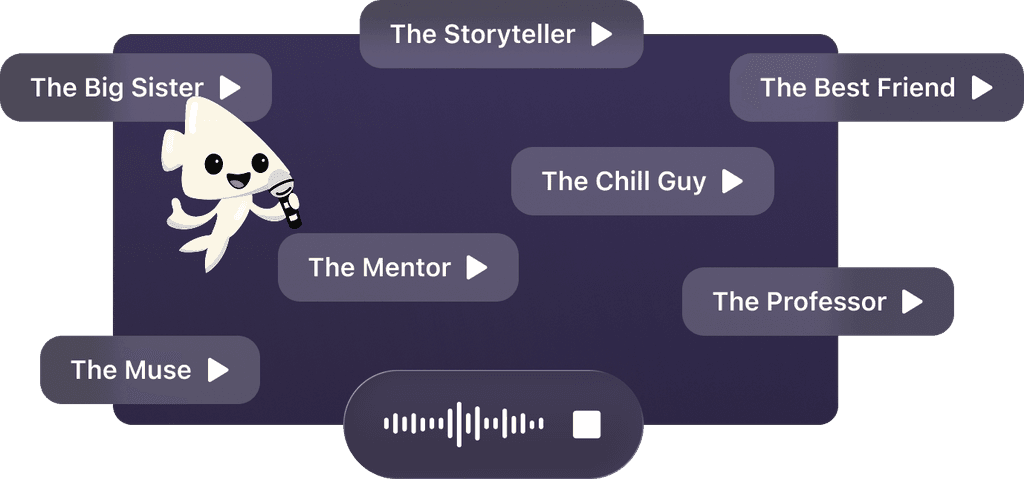
Siente el libro a través de la voz del autor
Convierte el conocimiento en ideas atractivas y llenas de ejemplos
Captura ideas clave en un instante para un aprendizaje rápido
Disfruta el libro de una manera divertida y atractiva
Personajes en The Butcher and the Wren
- Wren MullerA forensic pathologist hunting a serial killer
- Jeremy RoseA methodical serial killer known as the Butcher
- Emily MaloneyA biology student and the only victim to escape
- Detective LerouxA detective involved in the murder investigation
- Alaina UrquhartThe author and real-life autopsy technician
Temas clave en The Butcher and the Wren
- forensic pathology
- bayou serial killer
- medical experimentation horror
- cat and mouse hunt
- victim survival trauma
Citas de The Butcher and the Wren
His murders aren't impulsive acts but elaborate productions.
The victims...are neither prominent enough nor marginalized enough.
She was haunted by their namelessness and determined to give them closure.
The realization hits her like a physical blow.
Explora Tu Forma de Aprender
 Modo Resumen Rápido
Lee o escucha el resumen de The Butcher and the Wren en 8 minutos
Desglosa las ideas clave de The Butcher and the Wren en puntos fáciles de entender para comprender cómo los equipos innovadores crean, colaboran y crecen.

 Modo Divertido
Lecciones de The Butcher and the Wren Contadas en Historias de 21 Min
Experimenta The Butcher and the Wren a través de narraciones vívidas que convierten las lecciones de innovación en momentos que recordarás y aplicarás.
 Modo Personalizar
Experimenta The Butcher and the Wren con tu propio estilo de aprendizaje
Pregunta cualquier cosa, elige tu estilo de aprendizaje y co-crea ideas que realmente resuenen contigo.
Creado por exalumnos de la Universidad de Columbia en San Francisco
"Instead of endless scrolling, I just hit play on BeFreed. It saves me so much time."


"I never knew where to start with nonfiction—BeFreed’s book lists turned into podcasts gave me a clear path."


"Perfect balance between learning and entertainment. Finished ‘Thinking, Fast and Slow’ on my commute this week."
"Crazy how much I learned while walking the dog. BeFreed = small habits → big gains."
"Reading used to feel like a chore. Now it’s just part of my lifestyle."

"Feels effortless compared to reading. I’ve finished 6 books this month already."
"BeFreed turned my guilty doomscrolling into something that feels productive and inspiring."

"BeFreed turned my commute into learning time. 20-min podcasts are perfect for finishing books I never had time for."
"BeFreed replaced my podcast queue. Imagine Spotify for books — that’s it. 🙌"

"It is great for me to learn something from the book without reading it."
"The themed book list podcasts help me connect ideas across authors—like a guided audio journey."
"Makes me feel smarter every time before going to work"
Creado por exalumnos de la Universidad de Columbia en San Francisco
"Instead of endless scrolling, I just hit play on BeFreed. It saves me so much time."
"I never knew where to start with nonfiction—BeFreed’s book lists turned into podcasts gave me a clear path."
"Perfect balance between learning and entertainment. Finished ‘Thinking, Fast and Slow’ on my commute this week."
"Crazy how much I learned while walking the dog. BeFreed = small habits → big gains."
"Reading used to feel like a chore. Now it’s just part of my lifestyle."
"Feels effortless compared to reading. I’ve finished 6 books this month already."
"BeFreed turned my guilty doomscrolling into something that feels productive and inspiring."
"BeFreed turned my commute into learning time. 20-min podcasts are perfect for finishing books I never had time for."
"BeFreed replaced my podcast queue. Imagine Spotify for books — that’s it. 🙌"
"It is great for me to learn something from the book without reading it."
"The themed book list podcasts help me connect ideas across authors—like a guided audio journey."
"Makes me feel smarter every time before going to work"
"Instead of endless scrolling, I just hit play on BeFreed. It saves me so much time."
"I never knew where to start with nonfiction—BeFreed’s book lists turned into podcasts gave me a clear path."
"Perfect balance between learning and entertainment. Finished ‘Thinking, Fast and Slow’ on my commute this week."
"Crazy how much I learned while walking the dog. BeFreed = small habits → big gains."
"Reading used to feel like a chore. Now it’s just part of my lifestyle."
"Feels effortless compared to reading. I’ve finished 6 books this month already."
"BeFreed turned my guilty doomscrolling into something that feels productive and inspiring."
"BeFreed turned my commute into learning time. 20-min podcasts are perfect for finishing books I never had time for."
"BeFreed replaced my podcast queue. Imagine Spotify for books — that’s it. 🙌"
"It is great for me to learn something from the book without reading it."
"The themed book list podcasts help me connect ideas across authors—like a guided audio journey."
"Makes me feel smarter every time before going to work"
"Instead of endless scrolling, I just hit play on BeFreed. It saves me so much time."
"I never knew where to start with nonfiction—BeFreed’s book lists turned into podcasts gave me a clear path."
"Perfect balance between learning and entertainment. Finished ‘Thinking, Fast and Slow’ on my commute this week."
"Crazy how much I learned while walking the dog. BeFreed = small habits → big gains."
"Reading used to feel like a chore. Now it’s just part of my lifestyle."
"Feels effortless compared to reading. I’ve finished 6 books this month already."
"BeFreed turned my guilty doomscrolling into something that feels productive and inspiring."
"BeFreed turned my commute into learning time. 20-min podcasts are perfect for finishing books I never had time for."
"BeFreed replaced my podcast queue. Imagine Spotify for books — that’s it. 🙌"
"It is great for me to learn something from the book without reading it."
"The themed book list podcasts help me connect ideas across authors—like a guided audio journey."
"Makes me feel smarter every time before going to work"

Descargar resumen de The Butcher and the Wren
Obtén el resumen de The Butcher and the Wren como PDF o EPUB gratis. Imprímelo o léelo sin conexión en cualquier momento.


