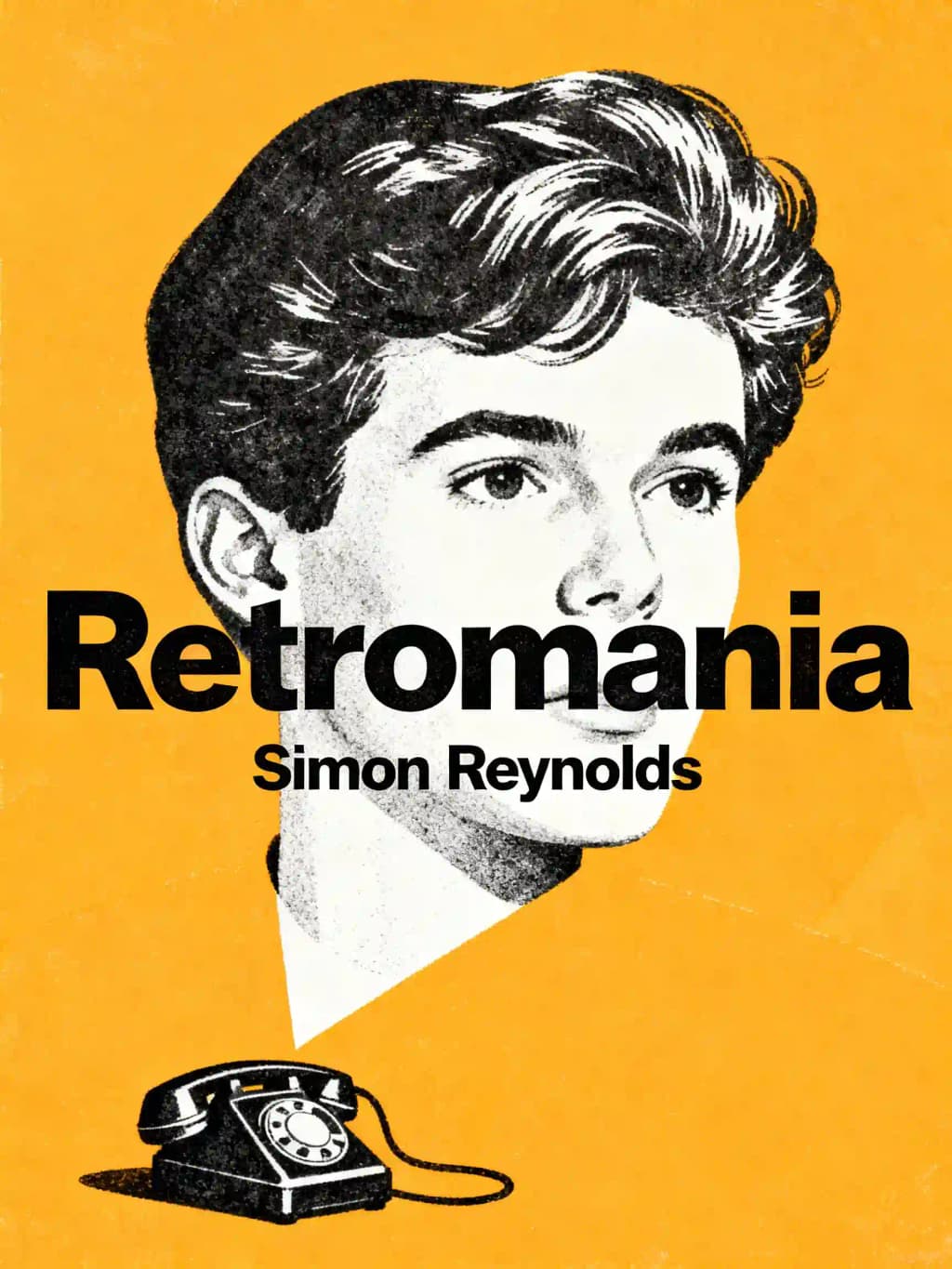
In "Retromania," Simon Reynolds diagnoses our cultural obsession with the past. This provocative exploration of pop's recycling addiction sparked fierce debates among musicians and critics alike. Are we sacrificing innovation for nostalgia? Discover why this book haunts cultural conversations a decade later.
Siente el libro a través de la voz del autor
Convierte el conocimiento en ideas atractivas y llenas de ejemplos
Captura ideas clave en un instante para un aprendizaje rápido
Disfruta el libro de una manera divertida y atractiva
Pop culture is caught in a time loop. We're living in an era where Spotify streams music history on demand, Hollywood churns out endless reboots, and yesterday's trends return with alarming speed. This obsession with our cultural past isn't just nostalgia - it may signal a fundamental crisis in creativity. Are we looking backward because we've run out of ways to move forward? Or has our constant recycling of the past actually prevented new forms from emerging? This paradox sits at the heart of "Retromania," where music critic Simon Reynolds examines how our relationship with cultural history has fundamentally changed. The 2000s weren't defined by innovation but by an unprecedented wave of recycling - band reunions, reissues, remakes, and retro styling dominated entertainment. Most troublingly, the interval between something happening and being revisited shrank dramatically, creating a peculiar temporal loop where events were being commemorated almost simultaneously with their occurrence. There's something profoundly contradictory about putting rock music in a museum. Rock's ephemeral, disruptive energy fundamentally clashes with the preservationist ethos of institutions, yet we've transformed even punk's insurrectionary power into lifeless artifacts behind glass. The rebellious energy that made rock meaningful has been neutralized, transformed into respectable history. This cultural preservation extends beyond museums to the stage, where aging bands perform classic albums in their entirety - a trend that represents both rebellion against digital music culture and lucrative nostalgia.
Desglosa las ideas clave de Retromania en puntos fáciles de entender para comprender cómo los equipos innovadores crean, colaboran y crecen.
Destila Retromania en pistas de memoria rápidas que resaltan los principios clave de franqueza, trabajo en equipo y resiliencia creativa.

Experimenta Retromania a través de narraciones vívidas que convierten las lecciones de innovación en momentos que recordarás y aplicarás.
Pregunta lo que quieras, elige la voz y co-crea ideas que realmente resuenen contigo.

Creado por exalumnos de la Universidad de Columbia en San Francisco
"Instead of endless scrolling, I just hit play on BeFreed. It saves me so much time."
"I never knew where to start with nonfiction—BeFreed’s book lists turned into podcasts gave me a clear path."
"Perfect balance between learning and entertainment. Finished ‘Thinking, Fast and Slow’ on my commute this week."
"Crazy how much I learned while walking the dog. BeFreed = small habits → big gains."
"Reading used to feel like a chore. Now it’s just part of my lifestyle."
"Feels effortless compared to reading. I’ve finished 6 books this month already."
"BeFreed turned my guilty doomscrolling into something that feels productive and inspiring."
"BeFreed turned my commute into learning time. 20-min podcasts are perfect for finishing books I never had time for."
"BeFreed replaced my podcast queue. Imagine Spotify for books — that’s it. 🙌"
"It is great for me to learn something from the book without reading it."
"The themed book list podcasts help me connect ideas across authors—like a guided audio journey."
"Makes me feel smarter every time before going to work"
Creado por exalumnos de la Universidad de Columbia en San Francisco

Obtén el resumen de Retromania como PDF o EPUB gratis. Imprímelo o léelo sin conexión en cualquier momento.