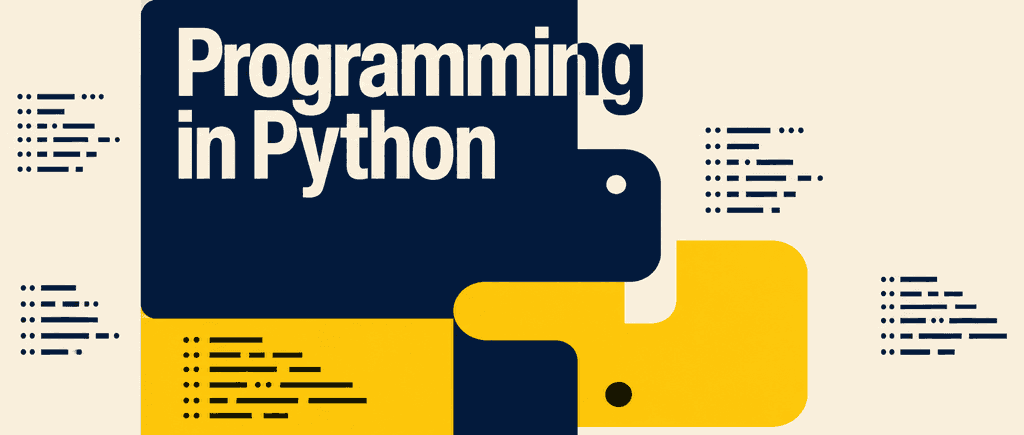
Learn Python in One Day and Learn It Well
Python for Beginners with Hands-on Project. The only book you need to start coding in Python immediately
Resumen de Learn Python in One Day and Learn It Well
Transform from coding novice to Python pro in just 24 hours. This 2014 guide revolutionized programming education with its hands-on approach, echoing Richard Branson's philosophy: "The best way of learning about anything is by doing." Ready to join the coding revolution?
Temas clave en Learn Python in One Day and Learn It Well
- python syntax basics
- programming for beginners
- cross-platform development
- software environment setup
- coding logic fundamentals
Citas de Learn Python in One Day and Learn It Well
Python 3 eliminates quirks that might confuse beginners.
Python stands as the accessible gateway to the future of technology.
Python's rise to prominence in the programming world is no accident.
Comments don't affect how your program runs, they're essential.
Python is both beginner-friendly and professionally powerful.
Personajes en Learn Python in One Day and Learn It Well
- Jamie ChanAuthor of the book and programming educator
- Guido van RossumCreator of the Python programming language
Sobre el Autor
Sobre el autor de Learn Python in One Day and Learn It Well
Jamie Chan, author of Learn Python in One Day and Learn It Well, is a programming educator renowned for simplifying coding concepts for beginners.
Specializing in tech guides, Chan creates hands-on resources that prioritize clarity and practical application, particularly for readers new to programming. Their work focuses on demystifying languages like Python, SQL, CSS, and C# through structured tutorials and project-based learning.
Chan’s companion Python Workbook reinforces these principles with targeted exercises, while their broader catalog—including Learn CSS in One Day and Learn It Well and SQL: Learn SQL (using MySQL) in One Day—establishes a framework for mastering web development fundamentals.
These books are widely used as entry points into coding, emphasizing real-world examples over theoretical jargon. Chan’s approach has made their guides staple recommendations for self-taught programmers and coding bootcamp students alike.
Descargar resumen de Learn Python in One Day and Learn It Well
Obtén el resumen de Learn Python in One Day and Learn It Well como PDF o EPUB gratis. Imprímelo o léelo sin conexión en cualquier momento.
Preguntas Frecuentes Sobre Este Libro
Learn Python in One Day and Learn It Well by Jamie Chan is a beginner-friendly guide to mastering Python fundamentals and applications. It covers syntax, data types, functions, modules, error handling, GUI development with Tkinter, and web frameworks like Flask/Django. The book emphasizes hands-on learning with practical examples and concludes with a project to build a real-world application, ensuring readers gain actionable coding skills.
This book is ideal for absolute beginners with no coding experience and intermediate programmers seeking a structured Python introduction. It’s tailored for self-learners who prefer concise, example-driven lessons and professionals aiming to quickly apply Python to tasks like GUI or web development.
Yes, the book is praised for breaking complex concepts into digestible steps, offering clear code examples, and including a capstone project to reinforce skills. Readers appreciate its focus on practical applications, though some note challenges in setting up Python environments.
Key topics include variables, data types (lists, tuples, dictionaries), loops, functions, modules, file I/O, error handling, and object-oriented programming (OOP). Advanced sections explore GUI development with Tkinter and web frameworks, providing a well-rounded foundation.
Chan demonstrates real-world usage through GUI development (via Tkinter) and web app creation with Flask/Django. Step-by-step guides and project-based learning ensure readers can build interactive interfaces and basic web applications by the end.
Yes, exception handling is covered in detail, teaching readers to manage errors using try/except blocks. Examples include diagnosing common issues like file access errors or invalid user inputs, promoting robust code practices.
The final project consolidates all concepts—variables, functions, modules, GUI—into a single application. This practical exercise reinforces retention and mirrors real development workflows, giving learners confidence to tackle independent projects.
While the main book focuses on foundational theory and projects, the Python Workbook offers coding exercises and two advanced projects for practice. Both complement each other, but the core book is sufficient for standalone learning.
A standout quote: "The best way of learning about anything is by doing" (paraphrasing Richard Branson). This philosophy drives the book’s project-first approach, prioritizing hands-on coding over abstract theory.
Yes, OOP concepts like classes, inheritance, and methods are explained with simplified examples. The author demystifies principles such as encapsulation and name mangling, making them accessible to beginners.
Downloadable source code for projects and appendices are available on the author’s website. These resources provide reference material for common Python functions and allow readers to test code without manual entry.
Some beginners note challenges in configuring Python environments, particularly installing Tkinter libraries. However, the content itself is widely praised for its clarity and practicality.