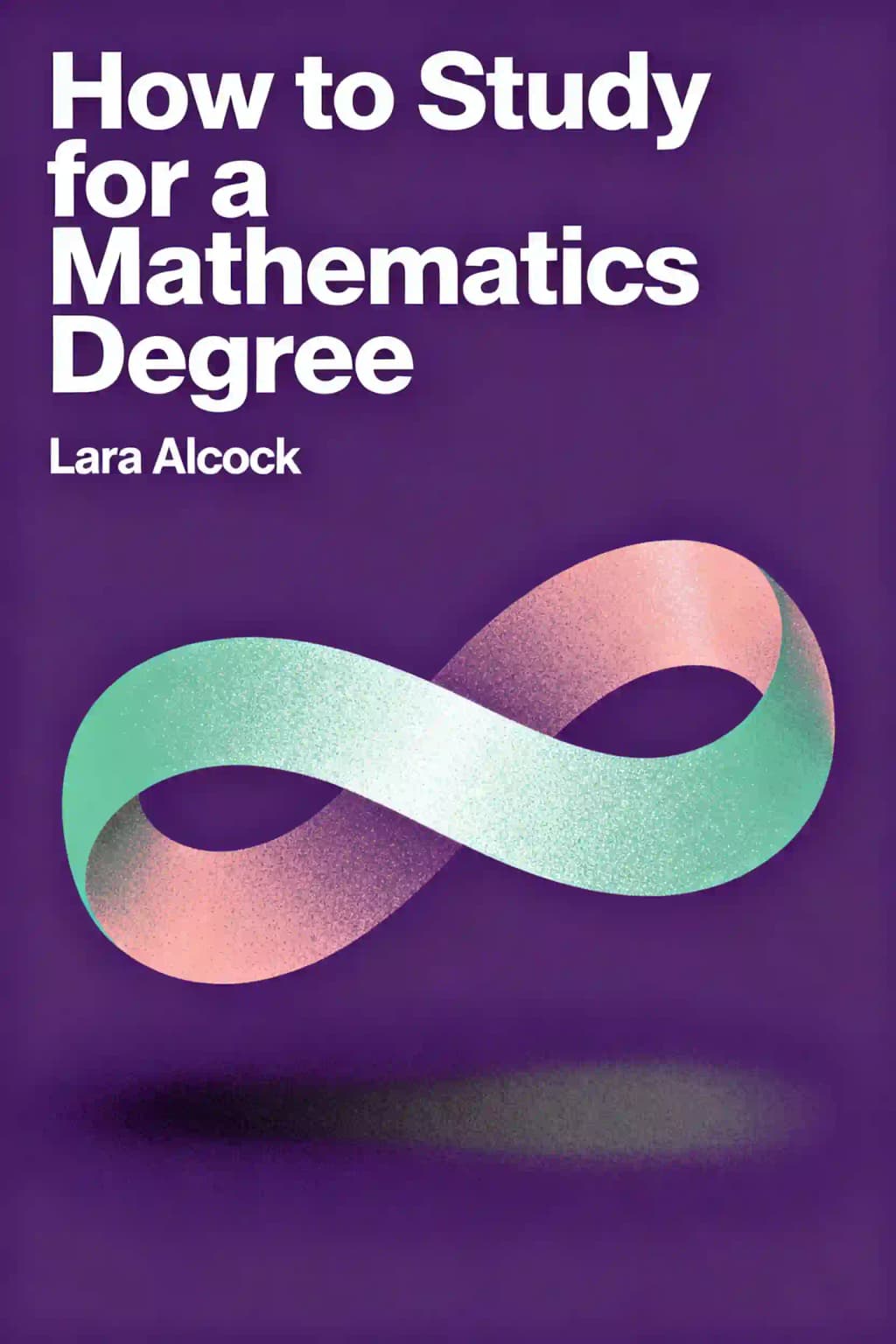
Struggling with university math? Lara Alcock's guide - rated 4.05/5 by over 200 students - transforms abstract concepts into manageable strategies. Oxford University-endorsed and described as a "life-saver" during first-term panic, it bridges the gap between school and degree-level mathematics.
Siente el libro a través de la voz del autor
Convierte el conocimiento en ideas atractivas y llenas de ejemplos
Captura ideas clave en un instante para un aprendizaje rápido
Disfruta el libro de una manera divertida y atractiva
Imagine confidently walking into your first university mathematics lecture, only to discover you've entered what feels like a foreign country where everyone speaks a different language. The familiar landscape of calculations and formulas has been replaced by abstract symbols and logical arguments that seem entirely alien. This jarring transition leaves countless bright students questioning their abilities-not because they lack talent, but because they're experiencing a profound shift that few are prepared for. University mathematics isn't simply "harder" high school math-it's fundamentally different. While you've spent years solving equations and performing calculations, university math demands an entirely new approach focused on abstract concepts, logical arguments, and rigorous proofs. It's like moving from learning vocabulary and grammar to analyzing literature and writing original compositions. The emphasis shifts from "how to solve this problem" to "why this theorem holds true" and "what essential properties define this mathematical object." This transformation is rarely made explicit, leaving many students to discover it through frustrating trial and error. What makes this transition particularly challenging is that your procedural skills-the very ones that likely made you successful in high school-are now just one component of a broader toolkit. The confusion you might feel isn't a sign of inadequacy but a normal part of adapting to a new way of thinking about mathematics itself.
Desglosa las ideas clave de How to Study for a Mathematics Degree en puntos fáciles de entender para comprender cómo los equipos innovadores crean, colaboran y crecen.
Destila How to Study for a Mathematics Degree en pistas de memoria rápidas que resaltan los principios clave de franqueza, trabajo en equipo y resiliencia creativa.

Experimenta How to Study for a Mathematics Degree a través de narraciones vívidas que convierten las lecciones de innovación en momentos que recordarás y aplicarás.
Pregunta lo que quieras, elige la voz y co-crea ideas que realmente resuenen contigo.

Creado por exalumnos de la Universidad de Columbia en San Francisco
"Instead of endless scrolling, I just hit play on BeFreed. It saves me so much time."
"I never knew where to start with nonfiction—BeFreed’s book lists turned into podcasts gave me a clear path."
"Perfect balance between learning and entertainment. Finished ‘Thinking, Fast and Slow’ on my commute this week."
"Crazy how much I learned while walking the dog. BeFreed = small habits → big gains."
"Reading used to feel like a chore. Now it’s just part of my lifestyle."
"Feels effortless compared to reading. I’ve finished 6 books this month already."
"BeFreed turned my guilty doomscrolling into something that feels productive and inspiring."
"BeFreed turned my commute into learning time. 20-min podcasts are perfect for finishing books I never had time for."
"BeFreed replaced my podcast queue. Imagine Spotify for books — that’s it. 🙌"
"It is great for me to learn something from the book without reading it."
"The themed book list podcasts help me connect ideas across authors—like a guided audio journey."
"Makes me feel smarter every time before going to work"
Creado por exalumnos de la Universidad de Columbia en San Francisco

Obtén el resumen de How to Study for a Mathematics Degree como PDF o EPUB gratis. Imprímelo o léelo sin conexión en cualquier momento.