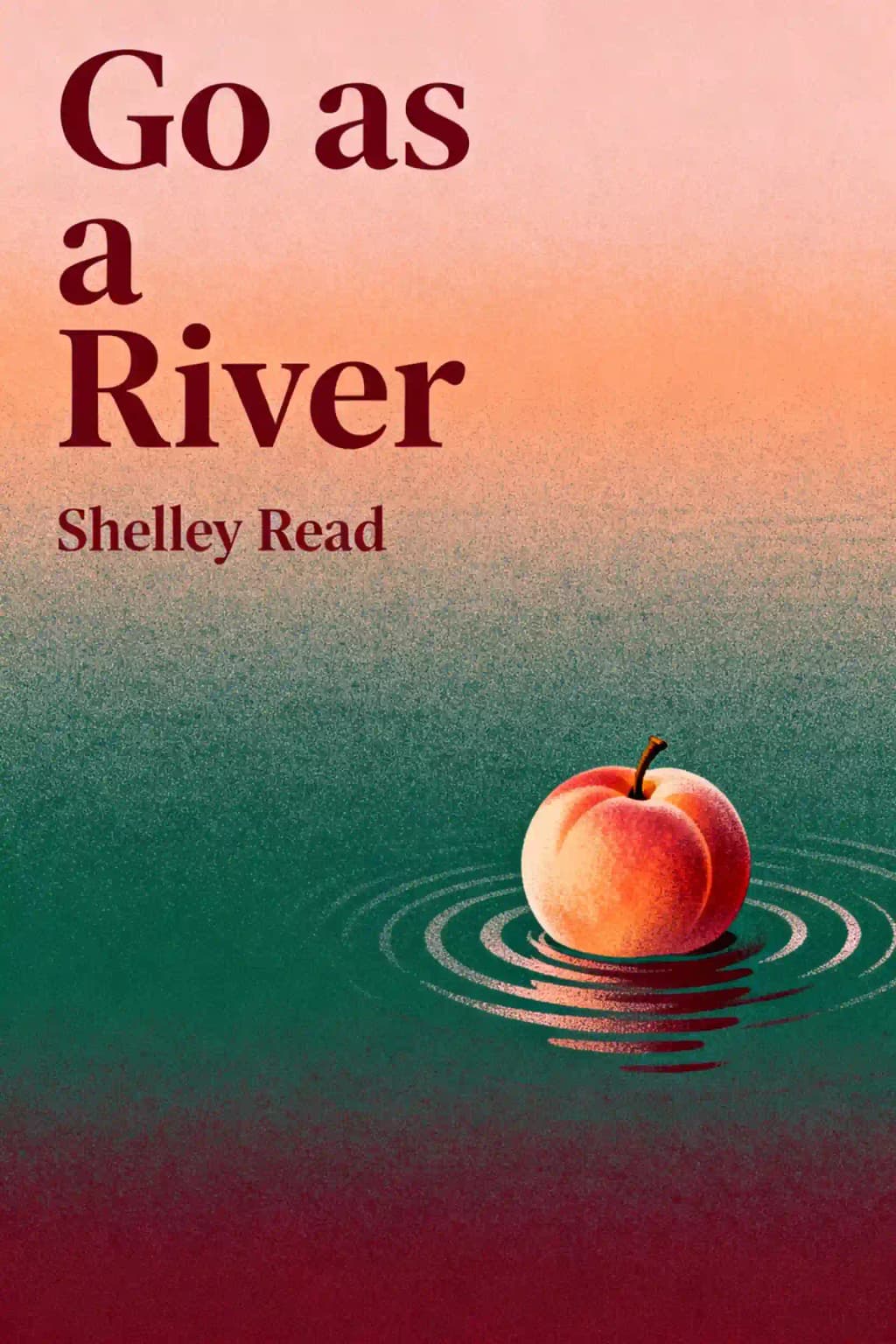
In "Go as a River," a young woman's resilience transforms tragedy into triumph against Colorado's rugged landscape. This million-copy bestseller, praised by "Lessons in Chemistry" author Bonnie Garmus as "completely unforgettable," draws from real historical events that changed an entire community forever.
Shelley Read is the internationally bestselling author of Go As a River, a literary coming-of-age novel set against the rugged beauty of 1960s Colorado.
A fifth-generation Coloradan and former senior lecturer at Western Colorado University for nearly three decades, Read taught writing, literature, and environmental studies while founding the university's Environment & Sustainability major. Her deep personal connection to the Western Slope and lifelong immersion in Colorado's wilderness directly shaped the novel's powerful sense of place and themes of resilience, displacement, and survival.
Read holds degrees in writing and literary studies from the University of Denver and Temple University and is a regular contributor to Crested Butte Magazine and Gunnison Valley Journal. Her debut won both the High Plains Book Award for Fiction and the Reading the West Book Award for Debut Fiction. Go As a River has been translated into 34 languages and optioned for film by Mazur Kaplan in partnership with Fifth Season.
Go as a River follows seventeen-year-old Victoria Nash, who runs her family's peach farm in 1940s Colorado. Her life changes forever when she meets Wilson Moon, a young drifter displaced from his tribal land. The novel spans four decades, chronicling Victoria's journey through impossible choices, tragic loss, and survival as she learns to flow forward like a river despite obstacles. Set against the historical backdrop of Colorado's Iola being flooded for the Blue Mesa Reservoir, it's a story of resilience, love, and finding home.
Go as a River is perfect for readers who enjoy literary historical fiction with deep emotional resonance and beautiful prose. Fans of Where the Crawdads Sing will appreciate the coming-of-age narrative set against wild natural landscapes. This book appeals to those interested in mid-century American West history, environmental displacement, and stories of women overcoming adversity. Book clubs will find abundant discussion material about family dynamics, prejudice, resilience, and the power of place in shaping identity.
Go as a River has become an international bestseller translated into 34 languages, earning the High Plains Book Award for Fiction and Reading the West Book Award for Debut Fiction. Readers praise its stunning prose, powerful symbolism, and deeply moving portrayal of resilience. The novel balances heartbreak with hope, offering a thought-provoking exploration of love, loss, and survival. While some content addresses difficult topics like emotional abuse and prejudice, the story's ultimate message of courage and redemption resonates powerfully with readers worldwide.
Shelley Read is a fifth-generation Coloradoan who lives in the Elk Mountains of Western Colorado. Before becoming an internationally bestselling novelist, she spent nearly 30 years as a teacher, journalist, and senior lecturer at Western Colorado University. Read holds degrees in writing and literary studies from the University of Denver and Temple University. Go as a River is her stunning debut novel, published in February 2023, which draws deeply from her intimate knowledge of Colorado's landscape and history.
The phrase "go as a river" represents living with resilience and adaptability, flowing forward despite obstacles. Wilson Moon tells Victoria this philosophy, taught by his grandfather, encouraging her to gather experiences and keep moving even when dammed by life's hardships. The river metaphor symbolizes rebirth, renewal, and continuing forward with everything you've gathered along the way. Just as a river finds its course around rocks and through valleys, Victoria learns to navigate loss, prejudice, and displacement while maintaining her essential nature.
Go as a River explores profound themes of coming-of-age, resilience, and survival against Colorado's harsh beauty. The novel addresses prejudice and racism through Victoria and Wilson's forbidden relationship, while examining family dynamics marked by emotional abuse and neglect. Environmental displacement features prominently as the government floods Iola for the Blue Mesa Reservoir. Other themes include sacrificial love, difficult decisions, second chances, reconciliation, and the unpredictability of life. The story ultimately celebrates human strength built from "small triumphs and infinite blunders."
The river functions as powerful symbolism throughout Shelley Read's novel, representing renewal, transformation, and life's continuous flow. Water physically connects locations across Colorado while symbolically connecting and changing lives. Just as rainstorms erode riverbanks and alter courses, single circumstances can completely transform a person's life. Victoria describes the drowned river that "keeps being a river even as it is forced to be a lake," mirroring her own journey of maintaining identity despite forced changes. The river embodies resilience and forward movement.
Go as a River is inspired by true events surrounding the destruction of Iola, Colorado in the 1960s when the government dammed the wild Gunnison River to create the Blue Mesa Reservoir. Shelley Read weaves this environmental displacement into Victoria Nash's personal story, showing how entire communities were evacuated and submerged underwater. The novel captures mid-century rural Colorado life, from peach farming to the politics of damming rivers. This historical backdrop provides authentic context for exploring themes of loss, displacement, and what happens when our foundational landscapes disappear.
Victoria Nash's story begins at seventeen, managing her family's peach farm after losing her mother. She meets Wilson Moon and falls in love despite prejudice against his Indigenous heritage. After tragedy strikes involving her brother Seth, Victoria flees to survive alone in Colorado's wilderness in a desperate act. She makes a heart-wrenching decision about her future, then returns to find her town being bought out for flooding. The narrative follows forty years as Victoria builds a new life in Paonia, carrying memories of places and people lost while learning to flow forward with dignity.
Several quotes capture Go as a River's emotional depth.
The Nash family's famous peach orchard grounds Victoria's early life in Iola, Colorado, representing home, heritage, and the agricultural life that shaped her. Peaches symbolize beauty and sweetness existing alongside hardship in rural farming communities. The orchard connects Victoria to her lost mother and family legacy before everything changes. When the government plans to flood Iola for the reservoir, the peach farm becomes another casualty of progress and environmental displacement, embodying what Victoria must leave behind as she learns to "go as a river."
Go as a River confronts mid-century racism through Victoria and Wilson Moon's relationship. Wilson, displaced from his tribal land, faces discrimination from Iola townspeople who shun him for his Indigenous heritage. Victoria's family also opposes their connection, revealing deep-seated prejudice in 1940s rural Colorado. The novel shows how intolerance shapes lives and limits possibilities, with tragic consequences. Through Victoria's journey, Shelley Read explores how love challenges prejudice while acknowledging the real dangers faced by those who cross social boundaries in intolerant communities.
Siente el libro a través de la voz del autor
Convierte el conocimiento en ideas atractivas y llenas de ejemplos
Captura ideas clave en un instante para un aprendizaje rápido
Disfruta el libro de una manera divertida y atractiva
'You go as a river,' he said, 'and you do the best you can with the life you've got.'
drowning of towns becomes a powerful metaphor for the submerged parts of ourselves.
I have never been less afraid in my life.
This flight represents not just an escape from potential shame but a profound rejection.
the willingness to endure unbearable pain to give one's child a chance at life.
Desglosa las ideas clave de Go As a River en puntos fáciles de entender para comprender cómo los equipos innovadores crean, colaboran y crecen.
Destila Go As a River en pistas de memoria rápidas que resaltan los principios clave de franqueza, trabajo en equipo y resiliencia creativa.

Experimenta Go As a River a través de narraciones vívidas que convierten las lecciones de innovación en momentos que recordarás y aplicarás.
Pregunta lo que quieras, elige la voz y co-crea ideas que realmente resuenen contigo.

Creado por exalumnos de la Universidad de Columbia en San Francisco
"Instead of endless scrolling, I just hit play on BeFreed. It saves me so much time."
"I never knew where to start with nonfiction—BeFreed’s book lists turned into podcasts gave me a clear path."
"Perfect balance between learning and entertainment. Finished ‘Thinking, Fast and Slow’ on my commute this week."
"Crazy how much I learned while walking the dog. BeFreed = small habits → big gains."
"Reading used to feel like a chore. Now it’s just part of my lifestyle."
"Feels effortless compared to reading. I’ve finished 6 books this month already."
"BeFreed turned my guilty doomscrolling into something that feels productive and inspiring."
"BeFreed turned my commute into learning time. 20-min podcasts are perfect for finishing books I never had time for."
"BeFreed replaced my podcast queue. Imagine Spotify for books — that’s it. 🙌"
"It is great for me to learn something from the book without reading it."
"The themed book list podcasts help me connect ideas across authors—like a guided audio journey."
"Makes me feel smarter every time before going to work"
Creado por exalumnos de la Universidad de Columbia en San Francisco

Obtén el resumen de Go As a River como PDF o EPUB gratis. Imprímelo o léelo sin conexión en cualquier momento.
In the sun-drenched peach orchards of 1948 Colorado, seventeen-year-old Victoria Nash's world revolves around tending her family's renowned fruit trees and caring for her father, volatile brother Seth, and disabled Uncle Og. Since her mother's death five years earlier, Victoria has shouldered all domestic responsibilities while watching their once-thriving farm fall into disrepair. Her days follow predictable rhythms until a chance encounter with Wilson Moon-a young man who's hopped a train to escape the coal mines-changes everything. Their connection is immediate and profound, defying the town's rigid racial boundaries and awakening Victoria to possibilities beyond her prescribed existence. In Wilson's gentle presence, Victoria discovers parts of herself previously dormant-curiosity, desire, and a yearning for freedom. Their relationship unfolds in secret meetings by Willow Creek, sheltered by the kindness of Ruby-Alice Akers, a local outcast who becomes their unexpected ally. For the first time, Victoria experiences what it means to be truly seen and valued for herself, rather than for what she can provide to others.