Capítulo 1
The Invisible Killer: How Electricity Powers Modern Disease
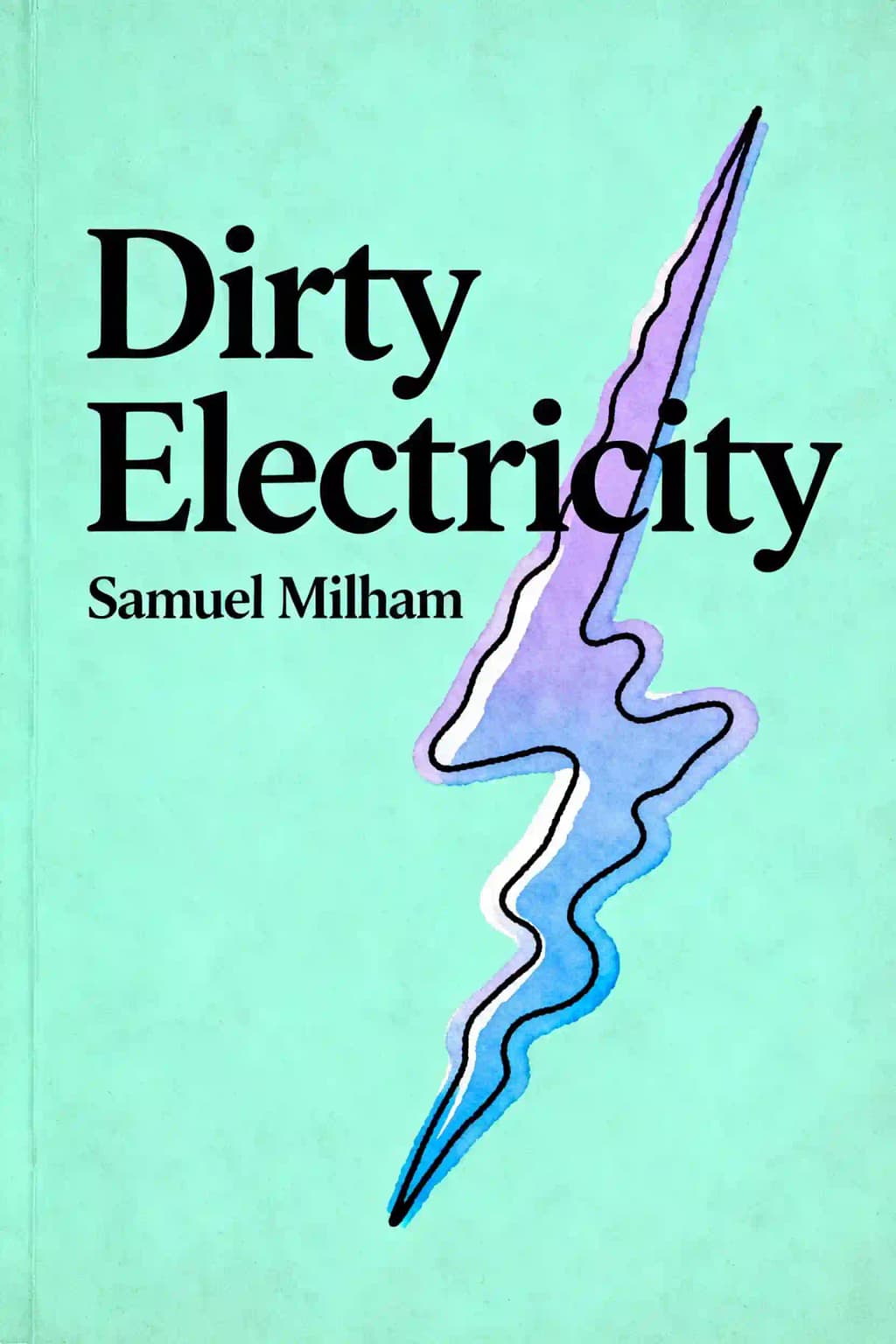
Thomas Edison's lightbulb illuminated our world, but did it also unleash an invisible epidemic? Dr. Samuel Milham's "Dirty Electricity" presents a shocking hypothesis: the same electrical grid powering our modern conveniences may be silently driving our most devastating diseases. This groundbreaking work has garnered attention from environmental health advocates like Erin Brockovich and has been cited in over 200 scientific publications since its 2010 release. What makes this book particularly compelling is how it transforms Milham's five decades of epidemiological research into a detective story, connecting seemingly unrelated disease patterns to a common, ubiquitous exposure. While conventional medicine focuses on genetics and lifestyle factors to explain "diseases of civilization," Milham's research suggests we've been overlooking the electromagnetic environment that constantly surrounds us. His findings challenge us to reconsider the true cost of our electrified world - a perspective increasingly relevant as we saturate our environment with ever more wireless technologies.
Capítulo 2
A Career Hunting Disease Patterns
Samuel Milham's journey into electromagnetic field (EMF) research began with simple curiosity about disease patterns. After earning his medical degree and public health training at prestigious institutions like Albany Medical College and Johns Hopkins University, Milham developed a reputation for uncovering hidden environmental health hazards through meticulous analysis of mortality data. His rigorous training in epidemiology and biostatistics would prove instrumental in his later groundbreaking discoveries.
His early research focused on identifying occupational disease risks, particularly cancers associated with specific professions. Milham pioneered computer software to analyze death certificates during the 1960s, a time when such technology was still in its infancy. He developed sophisticated coding systems to categorize occupations and causes of death, eventually creating databases covering hundreds of thousands of deaths across different occupations. This systematic approach revealed numerous previously unknown connections between workplace exposures and disease, including elevated cancer rates among farmers exposed to pesticides and increased respiratory diseases in metalworkers.
One pivotal discovery came when investigating Hodgkin's disease, a type of lymphoma. Milham found woodworkers had twice the risk of developing this cancer compared to matched controls. Through detailed analysis, he identified specific wood dust exposures and chemical treatments as potential contributing factors. This finding set him on a path of occupational mortality studies that would define his career and eventually lead him to electromagnetic fields. His methodology included innovative approaches to controlling for confounding factors and establishing dose-response relationships.
Another breakthrough occurred when studying childhood leukemia patterns. Milham noticed something peculiar - the characteristic age peak for childhood leukemia (occurring at ages 2-4) had emerged in the UK during the 1920s and in the US during the 1930s. This observation was particularly striking because it coincided with major societal changes. Years later, he would connect this pattern to the timeline of residential electrification in these countries, demonstrating that this leukemia peak appeared only after homes received electricity. He strengthened this finding by examining similar patterns in other industrialized nations and rural areas that received electricity later.
Throughout his career, Milham faced institutional resistance when his findings threatened powerful industries. Electric utilities, manufacturers, and even government agencies often disputed or attempted to discredit his research. Despite this opposition, his methodical approach to epidemiology - focusing on finding proper control groups and identifying temporal relationships between exposures and disease - allowed him to uncover connections others had missed for decades. He developed innovative statistical methods to account for potential biases and confounding factors, setting new standards for occupational health research.
His work was particularly notable for its use of what he called "natural experiments" - studying populations before and after exposure to specific environmental factors, which helped establish causality rather than mere correlation. This approach would prove invaluable in his later research on electromagnetic fields and their health effects.
Capítulo 3
The Electrification-Disease Connection
In a groundbreaking analysis, Milham examined mortality data from 1930-1940, a period when urban areas were nearly fully electrified while rural electrification varied dramatically across states. This created a natural experiment revealing stark health disparities that had gone unexplained for over 70 years.
The patterns were striking. In 1930, urban cancer death rates were 58.8% higher than rural rates. More revealing was that rural mortality strongly correlated with residential electrification levels. States with the highest rural electrification (like California and Massachusetts) had disease rates approaching urban levels, while states with minimal electrification (like Mississippi, where only 28% of homes had electricity) showed dramatically lower rates of "diseases of civilization."
This pattern held true across multiple conditions: cardiovascular disease, cancer, diabetes, and suicide all showed this urban-rural divide that correlated with electrification rather than other factors. By 1940, as rural electrification programs expanded, the urban-rural health gap began narrowing accordingly.
What makes this analysis particularly compelling is that it explains why these "diseases of civilization" emerged in lockstep with electrification rather than with other aspects of modernization. Countries industrialized at different times, but these disease patterns consistently followed electrical grid development rather than other industrial or lifestyle changes.
Milham argues this represents one of the most significant unrecognized public health issues of the modern era. By the time EMF epidemiology began in earnest in 1979, nearly the entire population was exposed, making it impossible to find truly unexposed control groups for comparison - a fundamental challenge that has hampered research ever since.
The timing of disease emergence provides further evidence. Childhood leukemia's characteristic age peak appeared first in metropolitan areas, then spread to rural areas as electrification expanded. Similarly, adult cancers like female breast cancer showed dramatic increases following residential electrification, with rates climbing from 1 in 20 women in the 1940s to 1 in 8 today.
Capítulo 4
Electrical Workers and Cancer Risk
Milham's interest in electromagnetic fields intensified after Nancy Wertheimer and Ed Leeper published their groundbreaking 1979 study linking residential magnetic fields to childhood cancer. Their research, which found that children living near high-current power lines had two to three times higher cancer rates, sparked Milham's curiosity about occupational EMF exposure. This pioneering work challenged the conventional wisdom that low-level electromagnetic fields were harmless.
His subsequent analysis revealed a consistent and troubling pattern: electricians, power linesmen, aluminum workers, telephone linemen, electric train operators, and others working with electricity showed significantly increased rates of leukemia, lymphoma, and brain tumors. The findings, published in the prestigious New England Journal of Medicine, documented cancer rates up to 300% higher than expected in these occupations. Though initially met with skepticism from the scientific establishment, the statistical significance and methodological rigor of the work demanded attention.
Particularly compelling was his investigation of aluminum reduction plant workers, which became a cornerstone of EMF research. These facilities use enormous electrical currents - often exceeding 200,000 amperes - to extract aluminum from ore through electrolysis, exposing workers to magnetic fields over 100 milligauss (most homes measure below 4mG). Workers at these plants showed dramatically increased rates of leukemia (up to 5 times normal), non-Hodgkin's lymphoma (3-4 times normal), and brain cancer (double the expected rate).
At Kaiser Aluminum's Tacoma plant, Milham confirmed five cases of B-cell lymphoma diagnosed over just seven years - representing a rate nearly 10 times higher than expected for a workforce of that size. Detailed blood analysis from workers revealed abnormal immune system markers, with unusual T-cell counts and helper/suppressor ratios suggesting their bodies were mounting chronic immune responses to EMF exposure. These immune system alterations persisted even during vacation periods, indicating long-term effects. Milham theorized that chronic immune stimulation eventually leads to system fatigue and failure, allowing lymphomas to develop.
Another revealing study examined mortality among amateur radio operators, providing insight into RF radiation effects. Using FCC license data, Milham conducted a cohort study of 67,829 "ham radio" enthusiasts from Washington and California spanning 1979-1984. The results confirmed increased lymphoma mortality (20% higher) and acute myeloid leukemia (60% higher), particularly among higher-class licensees with greater exposure to radio frequency radiation. The study was particularly valuable because it tracked a large population with well-documented exposure histories.
These occupational studies provided crucial evidence that electromagnetic fields could have biological effects at intensities far below those needed to heat tissue - contradicting the prevailing industry position that non-thermal EMF effects were impossible. The work demonstrated clear dose-response relationships and biological plausibility through immune system effects. Additional studies in electric utility workers, welders, and electronic technicians further reinforced these findings, establishing EMF exposure as a significant occupational health concern.
Capítulo 5
The La Quinta Middle School Investigation
The investigation that would ultimately reveal the mechanism behind electricity's health effects began with a 2004 newspaper article about cancer cases at La Quinta Middle School in California. Eleven teachers among a staff of just 37 had developed cancer - a rate far exceeding statistical expectations.
Despite his credentials and formal proposal, school administrators stonewalled Milham's investigation. Working with electronics engineer Lloyd Morgan, Milham arranged to visit the school to measure both standard magnetic fields and "dirty electricity" - high-frequency voltage transients riding on standard AC power.
While most classrooms showed normal magnetic field levels, they discovered extremely high levels of dirty electricity throughout the building. Most homes typically read under 100 Graham/Stetzer (G/S) units on specialized meters designed to measure these transients, but the school buildings averaged about 700 G/S units, with many outlets exceeding the meter's 2,000 unit maximum.
After reporting these findings, Milham received a hostile certified letter accusing him of trespassing and conducting "dangerous and destructive testing." Only after teachers filed a state complaint did California health officials become involved, confirming Milham's measurements with thirteen of fifty-one classrooms showing dirty electricity levels above 2,000 units.
The cancer statistics were alarming. Sixteen teachers in a cohort of 137 employed since the school's 1988 opening had been diagnosed with eighteen cancers. The observed-to-expected risk ratio for all cancers was 2.78, with malignant melanoma at 9.8, thyroid cancer at 13.3, and uterine cancer at 9.2 - all greatly elevated risks.
Most significantly, cancer risk showed no association with standard 60-Hz magnetic fields but correlated strongly with exposure to high-frequency voltage transients. Cancer risk increased with both cumulative exposure to dirty electricity and duration of employment, with each year of employment increasing cancer risk by 21 percent.
The findings, published in the American Journal of Industrial Medicine in 2008, suggested dirty electricity might be the missing link explaining the connection between electrification and disease. This hypothesis would help explain why some studies of standard power-frequency magnetic fields showed inconsistent results - they weren't measuring the most biologically active component of electromagnetic exposure.
Capítulo 6
What Is "Dirty Electricity" and Why Is It Harmful?
Standard electricity in North America flows as an alternating current at 60 cycles per second (60 Hz), ideally producing a smooth sine wave pattern. However, modern electronic devices - from computers and televisions to compact fluorescent lights and solar panel inverters - interrupt this flow, creating high-frequency voltage transients that ride along electrical wiring.
These transients, termed "dirty electricity," typically range from 2 kilohertz to 100 kilohertz. Unlike the smooth 60 Hz power, these higher frequencies can capacitively couple with the human body, inducing currents in tissues. Because they operate at higher frequencies, they can penetrate buildings and bodies more effectively than standard power frequencies.
Dirty electricity represents a relatively new phenomenon that has increased dramatically with the proliferation of electronic devices, dimmer switches, energy-efficient lighting, and variable speed motors. Edison's original electrical system used direct current, and early alternating current systems carried relatively clean power. Today's grid, however, carries an increasingly complex mixture of frequencies and transients.
The biological mechanisms through which dirty electricity affects health aren't fully understood, but several pathways appear likely. High-frequency transients may:
1. Disrupt cellular signaling by interfering with the subtle electrical communications between cells
2. Cause chronic stress responses, as indicated by changes in stress hormones and neurotransmitters
3. Generate reactive oxygen species (free radicals) that damage DNA and cellular structures
4. Impair melatonin production, affecting sleep and the body's natural cancer-fighting abilities
5. Trigger inflammatory responses that contribute to numerous chronic diseases
Particularly concerning is that dirty electricity, unlike standard power-frequency fields, can affect people throughout entire buildings due to how these transients propagate through wiring systems. A single source of dirty electricity - like a dimmer switch or a malfunctioning electronic device - can contaminate an entire electrical circuit.
The good news, as Milham discovered, is that specialized filters can reduce dirty electricity levels by 95% or more by shunting these high-frequency transients to ground. In several documented cases, installing these filters has been associated with rapid improvement in symptoms ranging from headaches and fatigue to more serious conditions like asthma and diabetes.
Capítulo 7
Beyond Cancer: The Wide-Ranging Health Effects
While cancer has been the most extensively studied outcome of electromagnetic field exposure, Milham's research suggests the health impacts extend much further, potentially explaining many "diseases of civilization" that increased dramatically during the 20th century.
Diabetes and obesity show particularly striking correlations with electrification. A 2011 Lancet paper revealed islands are significantly overrepresented among places with highest diabetes and obesity rates, likely due to their reliance on diesel generators producing dirty electricity. When Milham filtered a classroom with high dirty electricity levels, the teacher reported immediate improvements in student behavior and attention.
Neurodegenerative conditions also show connections to electromagnetic exposure. Milham's Washington State occupation mortality data revealed unusually high ALS (Lou Gehrig's disease) rates in Boeing engineers who worked surrounded by computers in likely high dirty electricity environments. ALS is also more common in electrical workers and those who've experienced serious electric shocks.
Even fertility appears affected by electromagnetic environments. Milham's research revealed that birth rates and fertility are inversely correlated with residential electrification levels. Third world electrification projects consistently resulted in lower fertility and birth rates - sometimes within a year of electrification. Animal studies show similar patterns: cows give less milk with increased EMF exposure, while both cows and pigs show fertility problems in such environments.
Particularly concerning is the potential impact on neurological development and behavior. When Milham filtered a hyperactive fourth-grade classroom from 5,000+ G/S units to below 50, the teacher reported immediate dramatic improvement in student behavior. This aligns with research showing associations between electromagnetic exposures and attention disorders, autism spectrum conditions, and learning difficulties.
Mental health may also be affected. Suicide rates show the same urban-rural divide as physical diseases in the early electrification data. Modern studies have found associations between electromagnetic field exposure and depression, anxiety, and sleep disorders - all potentially related to EMF-induced disruption of melatonin and neurotransmitter production.
In a 2011 study, Milham monitored urinary neurotransmitters in library workers before and after installing filters to reduce extremely high dirty electricity levels. After initial decreases, dopamine and phenylethylamine levels gradually rose above normal limits, consistent with findings that these neurotransmitters decrease in people living near cell towers. These changes suggest neuro-endocrine and immune system dysregulation from chronic EMF exposure.
Capítulo 8
Modern Technologies and Increasing Exposure
While Milham's research began with examining the health effects of standard electrical power, modern technologies have introduced new and potentially more problematic exposures. The explosive growth of wireless communications, in particular, has fundamentally changed our electromagnetic environment.
Cell phones, Wi-Fi networks, smart meters, and other wireless technologies operate at much higher frequencies than power lines and use pulsed or modulated signals that some research suggests may be more biologically active than continuous waves. These technologies have been deployed with minimal pre-market safety testing, creating what Milham calls an "uncontrolled experiment" on the population.
Particularly concerning are the devices we keep close to our bodies. Cell phones held against the head expose brain tissue to radiofrequency radiation at levels that, while complying with current safety standards, have been associated with increased risk of brain tumors in heavy, long-term users. Wireless laptops, tablets, and other devices used on the lap may expose reproductive organs to similar radiation.
Even our transportation systems have become sources of electromagnetic exposure. Milham discovered surprisingly high magnetic fields while driving, emanating not from the engine but from the steel-belted radial tires, which essentially function as spinning magnets. Most concerning was his finding that expensive Emdex meters used in EMF health studies missed these fields entirely, as they only detected a narrow frequency band around 60 Hz, while tire-generated fields at driving speeds were around 10 Hz.
The "smart grid" and renewable energy technologies introduce additional concerns. Solar panel inverters, which convert DC current from panels to AC for home use, can generate significant dirty electricity. Smart meters, which transmit usage data wirelessly to utilities, emit both radiofrequency radiation and can introduce dirty electricity onto home wiring.
Perhaps most alarming is the deployment of 5G wireless networks, which use higher frequencies and require much denser antenna placement than previous generations. While industry claims these systems are safe, Milham notes that proper safety testing has not been conducted, and some research suggests millimeter waves used in 5G may have unique biological effects, particularly on skin and eyes.
Capítulo 9
Practical Solutions for Reducing Exposure
Despite the seemingly ubiquitous nature of electromagnetic pollution, Milham emphasizes that practical solutions exist for reducing exposure without abandoning modern technology entirely. His approach focuses on strategic reduction rather than complete elimination.
For dirty electricity, specialized filters can be installed at the electrical panel or in individual outlets to reduce high-frequency voltage transients. These filters, developed by engineer Dave Stetzer and physicist Martin Graham, work by shunting transients to ground while allowing standard 60 Hz power to pass through. In Milham's experience, filtering an entire home typically costs $500-1,000 and can reduce dirty electricity by 95% or more. The most effective approach is to start with measuring problem areas using a microsurge meter, then strategically placing filters where readings are highest, typically near computers, televisions, and energy-efficient lighting.
For standard magnetic fields, increasing distance from sources is the simplest and most effective approach. Moving beds away from wall outlets, circuit breaker panels, and appliances can significantly reduce nighttime exposure. Even a few feet of additional distance can reduce magnetic field exposure by 50-80%. Unplugging devices when not in use eliminates both magnetic fields and potential dirty electricity sources. Special attention should be paid to bedroom arrangements, where people spend approximately one-third of their lives.
For wireless radiation, Milham provides comprehensive recommendations:
• Using wired internet connections instead of Wi-Fi when possible, particularly for stationary devices like desktop computers and smart TVs
• Keeping cell phones away from the body by using speaker mode or air-tube headsets, especially during calls
• Turning off wireless devices at night or when not in use, including Wi-Fi routers and smart home devices
• Using landlines for extended conversations to minimize cumulative exposure
• Avoiding cordless DECT phones, which emit continuous radiation from their base stations even when not in use
• Considering shielding materials for bedrooms to create low-EMF sleep sanctuaries, such as special paint, fabrics, and window films
• Setting up "technology-free zones" in homes, particularly in sleeping areas
• Using airplane mode on mobile devices when carrying them
At the community level, Milham advocates for systemic changes:
• Designing new buildings with dirty electricity levels in mind, incorporating proper shielding and wiring from the start
• Surveying and filtering schools, hospitals, and medical facilities, with particular attention to areas where sensitive populations spend time
• Including dirty electricity measurements in utility company surveys as a standard practice
• Rebuilding the electric grid with proper wiring to return currents without using the ground, which would significantly reduce ground current pollution
• Implementing more stringent exposure standards based on biological effects rather than just thermal effects
• Encouraging local governments to consider EMF levels in zoning decisions, particularly for cell tower placement
• Promoting public education about EMF exposure and mitigation strategies
For those concerned about exposure, Milham suggests several detection methods:
• A portable AM radio tuned to an "off" station can detect dirty electricity sources by producing static when near contaminated wiring or devices
• Using gauss meters to measure magnetic fields around the home
• Employing RF meters to detect wireless radiation sources
• Regular monitoring of bedroom areas to ensure mitigation efforts remain effective
He emphasizes that even partial implementation of these measures can significantly reduce overall exposure levels and potentially improve health outcomes.
Capítulo 10
The Politics of Electromagnetic Health Research
Throughout his career, Milham encountered significant resistance when his findings threatened powerful industries. The pattern became predictable: when his research identified health risks associated with electromagnetic fields, industry representatives would attack his methodology, fund counter-studies, or simply ignore the findings.
Particularly frustrating was watching utility companies use ratepayer money to hire expert witnesses who would testify under oath that EMFs were harmless, effectively using customers' money to work against their health interests. In legal cases where citizens opposed power line placement near homes, the deck was stacked against ordinary people who couldn't match the legal and scientific resources of utility companies.
Funding for independent EMF research has nearly disappeared in the United States. After the $25 million EMF RAPID program in the 1990s produced results suggesting biological effects from power-frequency fields, Congress terminated further research rather than address the implications. Today, much of the funding for EMF research comes from the telecommunications industry itself, creating obvious conflicts of interest.
The regulatory landscape is equally problematic. Current safety standards for electromagnetic exposures are based almost entirely on thermal effects - the ability of strong fields to heat tissue - while ignoring substantial evidence of biological effects at non-thermal levels. The Federal Communications Commission, which sets exposure limits for wireless devices, has no health expertise and relies heavily on industry input when establishing guidelines.
Milham notes the parallels between the EMF issue and earlier public health controversies involving tobacco, asbestos, and lead. In each case, industry denied health effects, manufactured uncertainty about the science, attacked researchers who found problems, and delayed regulatory action for decades while profits continued.
Despite these challenges, Milham remains cautiously optimistic. He notes that public awareness is growing, with grassroots organizations forming to advocate for safer technology and more protective standards. The emergence of electromagnetic hypersensitivity as a recognized condition in some countries suggests a growing acknowledgment of biological effects from fields once considered harmless.
The good news, Milham emphasizes, is that many EMF-related diseases may be preventable through environmental modifications if society chooses to pay attention. As he concludes, "Good science alone won't force sensible public policy - only citizens can do that."