Capítulo 1
The Gut-Brain Revolution: How Microbes Shape Your Mind
When David Perlmutter tells patients there's nothing left in his arsenal to treat grave neurological diseases, it's devastating. Yet amid this darkness, a revolutionary discovery offers hope. Brain-related diseases are increasing at alarming rates-death from brain disease has risen 66% in men and 92% in women since 1979. We spend roughly $200 billion annually caring for dementia patients. Mental disorders afflict one in four adults, with depression now the leading cause of disability worldwide. Multiple sclerosis affects 2.5 million people globally with no cure in sight, while autism has surged seven-to-eight-fold in just 15 years.
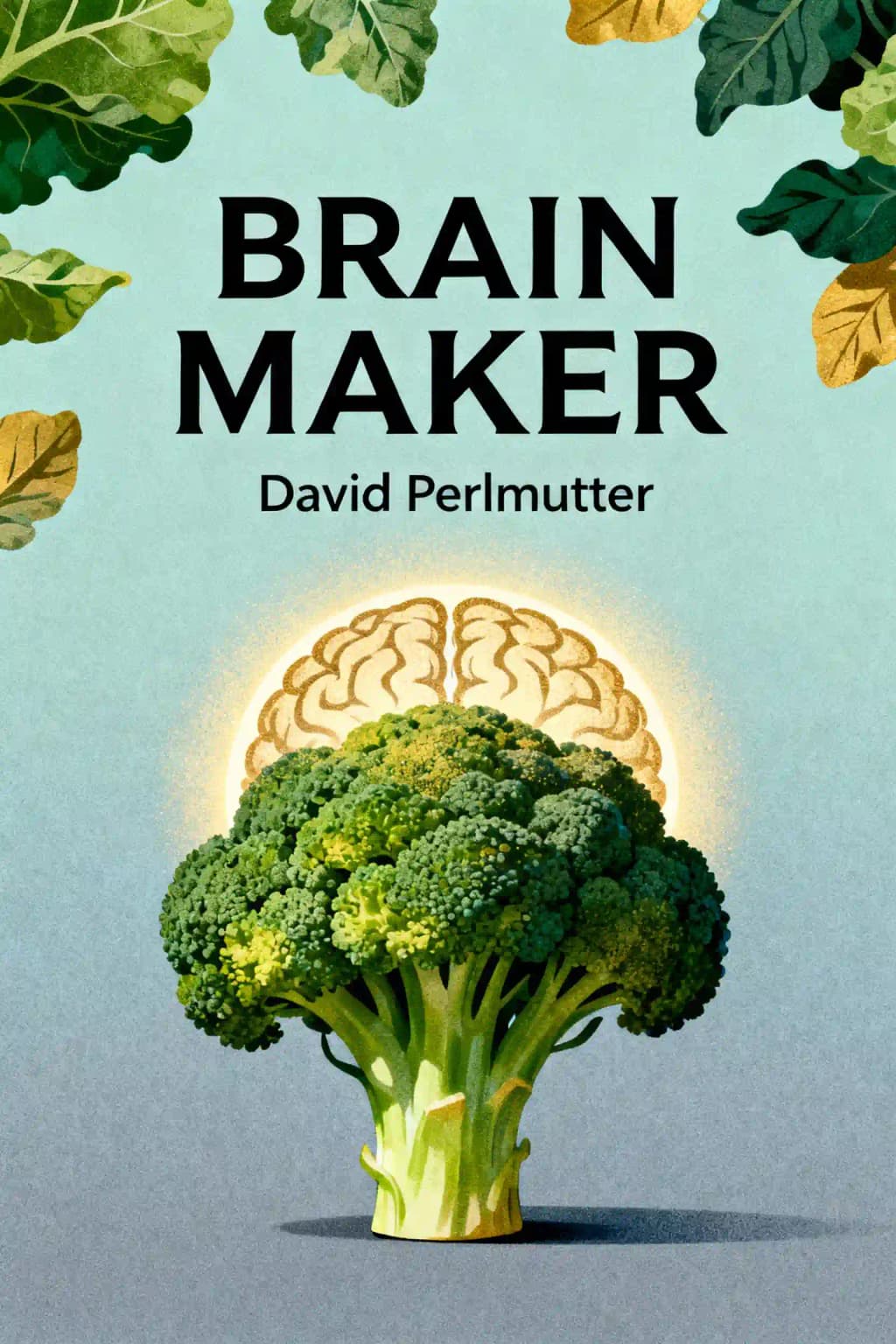
The groundbreaking revelation? Brain health is dictated by gut health. This isn't just another health trend-it's a paradigm shift backed by rigorous science. Beyonce reportedly incorporated fermented foods into her diet after learning about gut health benefits, while celebrities like Gwyneth Paltrow and Tom Brady have publicly advocated for microbiome-friendly eating. The book "Brain Maker" has been translated into over 30 languages and remained on bestseller lists for months, reflecting its cultural impact in reshaping how we understand neurological health. The microbiome-that complex ecosystem of bacteria living in our digestive tract-may hold the key to preventing and treating our most devastating brain disorders.
Capítulo 2
Your Inner Ecosystem: Meet Your Microbiome
We've historically viewed bacteria as agents of death, but some bugs aren't detrimental-they're fundamental to life. Hippocrates first said "All disease begins in the gut" long before we had scientific proof. Later, Nobel laureate Elie Mechnikov linked human longevity to bacterial balance, asserting that "death begins in the colon" and that good bacteria must outnumber bad.
Your body hosts roughly one hundred trillion microbes that outnumber your cells ten to one, containing over eight million genes-360 microbial genes for every human gene. This complex internal ecology, called the microbiome, is so crucial to health it's considered an organ itself. The NIH launched the Human Microbiome Project in 2008 to study how these organisms affect health and disease.
These intestinal organisms aren't just passive passengers-they're active participants in your immune functioning, detoxification, inflammation control, neurotransmitter production, metabolism, and more. The microbiome determines whether we're fat or thin, energetic or lethargic, and affects our mood, thoughts, and perception. No system is more sensitive to gut bacteria than the central nervous system.
Imagine your gut as a thriving metropolis with trillions of microscopic citizens, each playing specific roles in your body's economy. Some produce essential vitamins your body can't make on its own. Others break down otherwise indigestible fiber. Some protect you from invading pathogens by crowding them out or producing antimicrobial compounds. Still others communicate directly with your immune system, teaching it which organisms are friends and which are foes.
What's most remarkable is that this internal ecosystem isn't fixed-it's incredibly dynamic, responding to what you eat, how you live, and even how you think. Every time you consume antibiotics, processed foods, or experience chronic stress, you reshape this community. Conversely, when you eat fermented foods, consume plenty of fiber, or practice stress management, you nurture beneficial bacteria that support brain health.
I've witnessed dramatic health turnarounds through simple dietary modifications that restore a healthy microbiome-from MS patients regaining mobility to autistic children developing speech. These aren't anomalies or placebo effects-they represent the cutting edge of medical science that recognizes the gut as the control center for brain health.
Capítulo 3
Food as Information: Programming Your Microbiome
Food is the most important variable in human health, as the ancient adage suggests: "Let food be thy medicine and medicine be thy food." Anyone can transform their microbiome through dietary choices, and the effects can be surprisingly rapid.
Dr. Alessio Fasano, Harvard Medical School professor and Chief of Pediatric Gastroenterology at Massachusetts General Hospital, confirms that food is the single most significant factor affecting microbiome health and diversity. What we eat represents the greatest environmental challenge to our genome and microbiome.
Think of food not just as calories or nutrients, but as information-complex chemical messages that communicate with your genes and microbiome. Each meal is essentially programming your body, either toward health or disease. A diet rich in processed foods, refined carbohydrates, and artificial ingredients sends signals that promote inflammation and disrupt metabolic balance. Conversely, whole foods rich in fiber, polyphenols, and healthy fats provide instructions that support optimal brain function.
As I described in my previous book Grain Brain, brain degeneration stems from chronic inflammation and free radical damage. Your intestinal flora directly influences whether your body promotes or reduces inflammation. While pharmaceuticals can't effectively manage intestinal bacteria, dietary changes can rehabilitate your gut's microbiotic community within days.
The Brain Maker protocol includes six essential components: prebiotics (fiber-rich foods that feed beneficial bacteria), probiotics (live beneficial bacteria), fermented foods (natural sources of probiotics), low-carb foods (to maintain healthy blood sugar), gluten-free foods (to protect intestinal barrier function), and healthful fats (to support brain cell membranes and reduce inflammation). This practical regimen enhances brain-sustaining organisms and delivers noticeable benefits within weeks.
What makes this approach so revolutionary is that it addresses the root causes of neurological dysfunction rather than merely suppressing symptoms. Instead of focusing solely on neurotransmitter imbalances or amyloid plaques, we're looking deeper at the environmental factors that create these problems in the first place. And unlike pharmaceutical approaches that often come with significant side effects, supporting your microbiome works with your body's natural processes to restore balance and function.
Capítulo 4
When Gut Bacteria Go Rogue: The Inflammation Connection
When I think of my father, once a brilliant neurosurgeon now ravaged by Alzheimer's disease, I wonder what could have prevented this fate. The key process connecting gut microbiome to brain disease is inflammation-not the acute inflammation that helps heal wounds, but chronic, low-grade inflammation that silently damages tissues throughout the body, including the brain.
Alzheimer's affects 5.4 million Americans and costs $200 billion annually, not counting the emotional toll on families. Despite pharmaceutical companies investing "staggering amounts" in Alzheimer's drugs, medications repeatedly fail in testing. Even FDA-approved drugs for moderate to severe Alzheimer's have proven ineffective and are sometimes associated with greater functional decline compared to placebo.
Rather than focusing solely on treatments, we should prioritize prevention strategies already documented in scientific literature that could slash new Alzheimer's cases by more than half. Unfortunately, economic realities create barriers to promoting non-proprietary interventions like diet and exercise, despite their proven roles in brain preservation.
Inflammation-from the Latin "inflammare" meaning "to set on fire"-is the body's healing response, but when persistent, it causes illness. While we recognize inflammation in visible injuries, it's also implicated in numerous conditions including Alzheimer's, where brain inflammation occurs without typical pain signals. Scientific research has repeatedly demonstrated inflammation's fundamental role in Alzheimer's development. Inflammatory markers like cytokines (C-reactive protein, IL-6, and TNF-) can even predict cognitive decline.
The intestinal lining serves three critical functions: absorbing nutrients from food, blocking harmful particles from entering the bloodstream, and containing immunoglobulins that prevent bacteria and foreign proteins from attaching to the gut wall. When the tight junctions between intestinal cells fail-creating a "leaky gut"-the body becomes susceptible to inflammation and numerous conditions including arthritis, allergies, autoimmune diseases, and neurological disorders.
Lipopolysaccharide (LPS), a powerful inflammatory molecule found in the outer membrane of certain gut bacteria, becomes particularly dangerous when it enters the bloodstream through a compromised intestinal barrier. Scientists routinely use LPS to induce inflammation in laboratory studies of conditions ranging from Alzheimer's to depression. Research shows that LPS injections in animals lead to severe learning deficits and increased beta-amyloid in the brain's memory center-a hallmark of Alzheimer's disease. Alzheimer's patients have three times more LPS in their plasma than healthy individuals.
Your gut bacteria provide three critical protections against brain disease: First, they regulate inflammation throughout the body and brain by maintaining proper bacterial balance and diversity. Second, they maintain intestinal wall integrity, preventing gut permeability. Third, gut bacteria produce essential brain-supporting compounds including BDNF (brain-derived neurotrophic factor), B vitamins, and neurotransmitters like glutamate and GABA.
Capítulo 5
Depression Begins in the Gut: The Microbiome-Mood Connection
Depression has reached epidemic proportions-one in ten people takes psychiatric drugs for mood disorders, with one in four middle-aged women on antidepressants. Depression has become the leading cause of disability worldwide, affecting over 350 million people. In America alone, 30 million people were prescribed $12 billion worth of antidepressants last year-more than the GNP of half the world's countries.
Despite the 400% increase in antidepressant use over two decades, these medications only minimally treat symptoms while ignoring root causes. The pharmaceutical industry thrives on lifetime customers rather than cures. Most concerning, primary care physicians-not mental health professionals-write most antidepressant prescriptions.
The gut-brain connection isn't new-scientists in the early 20th century studied how gut-produced toxins affected mood and brain function, calling it "auto intoxication." Unfortunately, this research was abandoned as "unscientific" when pharmaceutical solutions emerged. Today, we've come full circle, with compelling evidence showing inflammation's role in depression.
Higher inflammatory markers dramatically increase depression risk and severity, placing it alongside other inflammatory disorders like Parkinson's, MS, and Alzheimer's. Studies show that triggering inflammation in healthy people instantly produces depressive symptoms, and patients receiving interferon treatments often develop depression. Antidepressants may actually work by decreasing inflammatory chemicals rather than affecting serotonin as previously thought.
Our modern Western diet-high in refined carbs and unhealthy fats-promotes inflammation, with high blood sugar being a major risk factor for depression. A landmark ten-year study showed diabetic women were 30% more likely to develop depression, with insulin users at 53% higher risk. Similarly, obesity correlates with a 55% increased depression risk, while depression raises obesity risk by 58%.
Groundbreaking research from McMaster University demonstrated that gut bacteria directly influence behavior and brain chemistry. Bacteria-free mice showed more risk-taking behavior, higher cortisol levels, and reduced BDNF-a chemical whose deficiency is linked to human anxiety and depression. Most remarkably, transplanting microbes between timid and bold mice actually switched their personalities. In humans, a UCLA study showed women who consumed probiotic yogurt twice daily for four weeks had decreased activity in brain regions processing emotions and bodily sensations when viewing disturbing images.
The gut-brain connection works bidirectionally-psychological stress can damage gut health, creating a vicious cycle. When stressed, the hypothalamic-pituitary-adrenal (HPA) axis triggers cortisol production, which disrupts gut bacteria, increases intestinal permeability, and enhances inflammatory cytokine production. These cytokines further damage the gut and directly stimulate the brain, increasing susceptibility to mood disorders.
Sleep and gut health are intimately connected through the circadian rhythm. Gut bacteria stimulate production of sleep-inducing cytokines that promote deep, restorative non-REM sleep. These cytokines follow circadian cycles regulated by gut bacteria, while cortisol levels naturally rise in early morning. When cortisol increases, gut bacteria inhibit cytokine production, triggering the transition from non-REM to REM sleep. Disrupted gut bacteria can therefore significantly impact sleep quality and circadian rhythms.
Capítulo 6
The Obesity-Microbiome Connection: Why Diets Often Fail
The obesity epidemic has reached staggering proportions, with 2.1 billion people worldwide now overweight or obese-a 145% increase since 1982. In the U.S., approximately two-thirds of adults are overweight or obese. The health consequences extend far beyond the psychological burden, increasing risk for cardiovascular disease, cancer, diabetes, and neurodegenerative ailments including Alzheimer's.
The key to understanding obesity may lie in our gut bacteria composition. Comparing Western children to those from rural sub-Saharan Africa (where obesity is virtually unknown) reveals striking differences in microbiome composition. Western guts are dominated by Firmicutes bacteria, which excel at extracting calories from food and controlling metabolic genes that promote calorie retention. African children have more Bacteroidetes, which specialize in breaking down plant fibers into usable energy.
The ratio between these bacterial groups (the F/B ratio) is now considered an "obesity biomarker." A 2013 groundbreaking Science study demonstrated this relationship dramatically: when gut bacteria from an obese human twin were transferred into slender mice, the mice grew fat, while bacteria from the lean twin kept mice slim when fed a healthy diet. Research consistently shows obese individuals have about 20% more Firmicutes, 90% fewer Bacteroidetes, and generally lack bacterial diversity compared to normal-weight individuals.
Obesity is fundamentally an inflammatory disease, just like dementia and depression. Fat tissue, particularly visceral fat surrounding internal organs, actively produces inflammatory cytokines rather than merely storing calories. This visceral fat becomes inflamed itself, housing inflammatory white blood cells and dumping inflammatory molecules directly into the liver, triggering more inflammation.
The health consequences are profound: the larger your waist-to-hip ratio, the smaller your hippocampus (memory center) and the higher your risk for small strokes. Fat-generated cytokines are the same inflammatory markers found in arthritis, heart disease, and dementia. High C-reactive protein levels correlate with up to three times the risk of developing Alzheimer's.
Blood sugar regulation is crucial for brain health. When cells are constantly exposed to high glucose levels from carbohydrate-heavy diets, they become insulin resistant by reducing insulin receptors. This forces the pancreas to produce more insulin, creating a vicious cycle leading to type 2 diabetes. High blood sugar directly harms the brain by depleting neurotransmitters, using up B vitamins, reducing magnesium, and triggering glycation-where sugar molecules bind to proteins to form AGEs (advanced glycation end products) that contribute to brain degeneration.
Gordon's groundbreaking twin study demonstrates the profound impact gut bacteria have on weight. When mice received microbes from an obese woman, they grew fatter than those with microbes from her lean twin, despite eating identical diets. Even more remarkably, when these mice shared cages, allowing the "obese" mice to acquire bacteria from their lean roommates through fecal consumption, both groups remained lean. However, this microbial transfer only worked when mice ate a healthy diet; those on a Western diet remained obese despite exposure to slimming bacteria.
Capítulo 7
Autism Through the Gut Lens: A New Understanding
Autism spectrum disorder affects an estimated 70 million people worldwide, including 3 million Americans, and continues to rise despite being identified nearly sixty years ago. This complex family of brain development disorders shares three classic characteristics: difficulties in social interaction, challenges with verbal and nonverbal communication, and repetitive behaviors.
Jason's case demonstrates the remarkable potential of microbiome-based treatments for autism. After initial improvements from probiotics and vitamin D, his mother pursued fecal microbial transplant (FMT) therapy-the most aggressive approach to reset a damaged microbiome. Using a healthy child donor, Jason underwent the procedure with astonishing results. A video sent to me showed a transformed child-vibrant, happy, jumping on a trampoline, and speaking engagingly. His mother reported dramatic improvements: increased conversation, initiation of dialogue, elimination of repetitive behaviors like handwringing, sustained attention span, and being "present" according to his teacher. For the first time, Jason was singing hymns in church.
Multiple studies confirm gastrointestinal conditions as hallmarks of autism. NIH research from 2012 found constipation in 85% and GI distress in 92% of children with autism, validating parental observations and revealing a "strong association between constipation and language impairment." CDC data shows children with autism are 3.5 times more likely to experience chronic diarrhea and constipation than their neurotypical peers.
Leaky gut is another common pattern, allowing pro-inflammatory molecules like LPS to enter the bloodstream, with one study finding higher LPS levels in severe autism cases. The microbiome composition in autism is distinctly different, with higher levels of clostridial species and lower beneficial bacteria like bifidobacteria.
Propionic acid (PPA), produced abundantly by Clostridia bacteria, appears to be a key neurotoxin in autism. PPA weakens intestinal tight junctions, increasing gut permeability and allowing it to enter the bloodstream where it triggers inflammation and immune activation. Once in circulation, PPA disrupts cell-to-cell signaling, compromises mitochondrial function, increases oxidative stress, and depletes crucial brain molecules including antioxidants, neurotransmitters, and omega-3 fats.
Dr. Derrick MacFabe's groundbreaking research has demonstrated PPA's dramatic effects: rats fed diets high in propionic acid developed brain changes similar to those in autism, while direct PPA injections caused immediate autism-like behaviors-repetitive movements, hyperactivity, social avoidance, anxiety, and object fixation-within minutes of administration. His team documented increased brain inflammation in these animals, leading MacFabe to describe autism as an "acquired disorder involving altered PPA metabolism."
Autism's complexity extends beyond Clostridia and PPA toxicity to fundamental issues with cellular energy production. Compelling research now links autism to mitochondrial dysfunction. A groundbreaking 2010 UC Davis study published in JAMA found children with autism have significantly impaired mitochondrial function compared to typically developing children. Their mitochondria consumed much less oxygen, showing they couldn't meet cellular energy demands-particularly problematic for energy-hungry brain neurons.
Environmental factors likely play a substantial role in autism's development, with epigenetics-the study of how gene expression changes without altering DNA sequence-now a hotbed of research. These epigenetic marks act like orchestra conductors, determining when and how strongly genes express themselves, with effects potentially passing to future generations. The period in utero and early childhood represents a window of particular vulnerability to environmental influences that can permanently alter biology.
Capítulo 8
Modern Threats to Gut Health: What's Damaging Your Microbiome
Our microbiome's health depends largely on what we're exposed to and what we consume. While we can't change our personal history, we can take charge through diet. This isn't just my opinion but is backed by rigorous science showing dietary changes directly correlate with alterations in gut bacteria. Canadian researchers found that diet explains 57% of structural variation in gut microbiota, while genetics accounts for only 12%.
Fructose has become one of the most common Western diet calories, mostly from manufactured sources rather than natural fruit. While our ancestors ate seasonal fruit, we haven't evolved to handle today's prodigious fructose consumption. A medium apple contains 70 calories of fiber-rich sugar, while a 12-ounce soda has 140 calories of pure sugar. Though fructose has a low glycemic index because it's metabolized by the liver, it causes long-term damage when consumed in large quantities from unnatural sources. It's linked to glucose intolerance, insulin resistance, high blood fats, and hypertension.
Gluten's impact extends beyond immediate inflammation. Dr. Fasano's research shows that gluten not only increases gut permeability but also breaks down the blood-brain barrier, allowing more inflammatory chemicals to reach the brain. I routinely test patients with unexplained neurological disorders for gluten sensitivity using specialized blood tests.
While I acknowledge antibiotics' life-saving importance (my father's bacterial endocarditis was cured by penicillin), I question how his microbiome changes might have contributed to his current Alzheimer's disease. We've swung from scarcity to overuse. Four of five Americans take antibiotics yearly-258 million prescriptions for 309 million people in 2010. Children under ten receive the most prescriptions.
Antibiotics damage the microbiome by instantly wiping out certain bacterial strains while allowing others (often obesity-promoting Firmicutes) to flourish. Dr. Martin Blaser's research shows that eliminating H. pylori with antibiotics led to weight gain and increased appetite-stimulating hormones in veterans.
Birth control pills, though revolutionary for women's liberation, significantly impact the gut microbiome through their daily, long-term use of synthetic hormones. After five years of use, the Pill can decrease thyroid hormone and testosterone levels, increase insulin resistance and inflammation, and deplete essential vitamins, minerals, and antioxidants. The depletion of vitamin B6, crucial for producing serotonin and GABA, helps explain why mood and anxiety disorders are common side effects.
Modern industrialized societies expose us to countless synthetic chemicals that accumulate in our bodies. Studies have found 232 synthetic chemicals in newborns' umbilical cord blood, with over 100,000 chemicals approved for commercial use in the U.S. in recent decades. Despite this staggering number, the EPA has only required safety testing on about 200 of the 84,000 chemicals listed in their inventory due to funding constraints and industry pressure.
Capítulo 9
Rebuilding Your Microbiome: The Brain Maker Protocol
I am frequently asked how long it takes to rehabilitate a dysfunctional microbiome. Research shows significant changes can occur in as little as six days after starting a new dietary protocol, though results vary based on your gut's current state and commitment to change. The following six essential keys, based on the latest science, will help sustain a healthy microbiome and transform not just your internal health but also your appearance, energy levels, and emotional wellbeing.
First, choose foods rich in probiotics. Fermented foods have provided probiotic bacteria in diets worldwide for thousands of years, from Persian wine-making 7,000 years ago to Chinese fermented cabbage 6,000 years ago. During lactic acid fermentation, beneficial bacteria convert sugar molecules into lactic acid, creating an acidic environment that kills harmful bacteria while the good bacteria multiply.
These probiotic-rich foods deliver bifidobacteria and lactobacilli strains that maintain gut lining integrity, balance pH, act as natural antimicrobials, regulate immunity, and control inflammation. They even make nutrients more bioavailable by liberating vitamins A, C, K, and B-complex from your food. The best probiotic foods include: live-cultured yogurt, kefir, kombucha tea, tempeh, kimchi, sauerkraut, pickles, pickled fruits and vegetables, and cultured condiments.
Second, go low-carb and embrace high-quality fat. Harvard researchers demonstrated the superiority of low-carb diets in a 2012 study where participants tried three different diets for a month each. The low-carb, high-fat diet (60% fat, 10% carbs, 30% protein) burned the most calories and doubled insulin sensitivity improvement compared to the low-fat diet. The low-fat diet actually triggered blood chemistry changes making participants vulnerable to weight gain.
The Brain Maker diet nourishes both a healthy microbiome and brain by balancing blood sugar, providing fiber from fruits and vegetables to feed good bacteria, avoiding inflammatory gluten, and emphasizing anti-inflammatory foods. Contrary to popular belief, this diet features vegetables as the main course (two-thirds of your plate) with protein (3-4 ounces) as a side dish.
Third, enjoy wine, tea, coffee, and chocolate in moderation. These foods provide powerful support for gut bacteria health through their rich polyphenol content. Black tea polyphenols increase beneficial bifidobacteria that stabilize gut permeability, explaining tea's anti-inflammatory properties. Green tea similarly boosts good bacteria while reducing harmful clostridial species. In a prominent four-week study, subjects receiving high doses of cocoa flavonoids showed dramatic increases in beneficial bacteria and decreases in Clostridia, accompanied by reduced C-reactive protein inflammation markers.
Fourth, choose foods rich in prebiotics. Prebiotics are non-digestible food ingredients that gut bacteria metabolize, producing health-promoting short-chain fatty acids. For every 100 grams of consumed prebiotic carbohydrates, approximately 30 grams of beneficial bacteria are produced. Prebiotic fermentation produces butyric acid (improving intestinal lining health), enhances mineral absorption, lowers gut pH (inhibiting pathogens), and strengthens immune function. Recommended prebiotic foods include acacia gum, raw chicory root, Jerusalem artichoke, dandelion greens, raw garlic, leeks, and onions.
Fifth, drink filtered water. Tap water contains gut-disrupting chemicals like chlorine that should be avoided. Investing in a household water filter is essential, whether it's a simple pitcher filter, under-sink unit, or whole-house system.
Sixth, fast every season. Our bodies can convert fat into ketones during starvation, with beta-hydroxybutyrate (beta-HBA) serving as superior brain fuel. This compound improves antioxidant function, increases mitochondria numbers, and stimulates new brain cell growth. Fasting activates the Nrf2 gene pathway, dramatically increasing antioxidant protection, detoxification, and mitochondrial growth while decreasing inflammation. The recommended protocol: a 24-hour water-only fast four times yearly, ideally during seasonal changes.
Capítulo 10
Beyond Diet: Supplements and Advanced Strategies
Navigating today's overwhelming probiotic market requires focusing on five core species that best support brain health: Lactobacillus plantarum, Lactobacillus acidophilus, Lactobacillus brevis, Bifidobacterium lactis, and Bifidobacterium longum.
These specific bacteria fortify the intestinal lining, reduce inflammatory LPS molecules, increase brain-growth hormone BDNF, and maintain bacterial balance. While oral probiotics are effective, I've had remarkable success with probiotic enemas for repopulating the gut and reestablishing the intestinal barrier-one of the most powerful interventions in my 30+ years of medical practice.
Each species offers unique benefits: L. plantarum (found in fermented vegetables) regulates immunity, controls inflammation, prevents leaky gut, and protects against food allergies; L. acidophilus (in yogurt) maintains bacterial balance and produces beneficial substances against pathogens; L. brevis (in sauerkraut) enhances immune function and increases BDNF; B. lactis improves digestive comfort and boosts immunity; and B. longum, one of our first colonizers at birth, reduces anxiety, maintains healthy cholesterol, enhances BDNF, and may help prevent colon cancer.
Probiotic enemas offer the most direct method to introduce beneficial bacteria into the bowel. This ancient therapeutic technique, dating back to Egyptian and Mayan civilizations, has helped countless patients restore gut health. Before attempting this procedure, obtain clearance from your doctor. Treatment frequency varies by individual needs. For someone who's undergone aggressive antibiotic therapy, I might recommend three weekly treatments for 4-6 weeks before reassessment.
When taking antibiotics, follow your doctor's prescription exactly-never stop early even if you feel better. Continue taking probiotics but "on the half time," meaning halfway between antibiotic doses. Include L. brevis in your probiotic regimen as many strains are antibiotic-resistant, helping maintain microbiome health during treatment.
Beyond probiotics, I recommend five supplements that support a healthy gut microbiome: 1) DHA (1,000mg daily)-an omega-3 fatty acid making up 90% of brain omega-3s and 50% of neuron membranes; 2) Turmeric (500mg twice daily)-enhances brain cell growth, activates antioxidant genes, and improves glucose metabolism; 3) Coconut oil-a brain superfuel that reduces inflammation; 4) Alpha-lipoic acid (300mg daily)-crosses the blood-brain barrier as a powerful antioxidant; and 5) Vitamin D-actually a hormone that protects neurons and regulates gut bacteria.
Capítulo 11
The Future of Microbiome Medicine
Despite our modern tendency to shut out nature and focus on the germ theory of disease, we must recognize that chronic conditions, especially neurological ones, are diseases of the body's entire system-including the microbiome. The 20th century medical paradigm focused solely on invading organisms without understanding the human host. Moving forward requires acknowledging that our health challenges can't be blamed on single germs or genetic mutations, but must consider the whole system.
While organ transplants are now commonplace in medicine, transplanting a healthy microbiome through fecal material represents a revolutionary intervention despite its "ick factor." The first formal report of fecal transplantation appeared in 1958, though references date back 1,700 years to Chinese alchemist Ge Hong. Recent innovations include pill-form transplants-a Harvard study showed 90% success treating C. difficile patients with frozen bacteria pills. Dr. Thomas Borody, a pioneer performing FMT for 25 years, has documented astonishing results including a multiple sclerosis patient who regained walking ability and bladder control after five FMT treatments.
Another groundbreaking medical development involves using parasitic worm eggs to treat inflammatory bowel disease (IBD), which affects 1.4 million Americans. Clinical trials in humans have begun following successful treatment of captive rhesus macaque monkeys with IBD using parasitic whipworm eggs. Research reveals these eggs restore balance to microbial communities on the intestinal wall, reducing inflammation by altering gene expression. Notably, IBD is rarely seen in underdeveloped countries where intestinal parasites are common-supporting the hygiene hypothesis that being too clean can backfire.
By the time you read this, the Human Microbiome Project initiated by NIH in 2008 will have mapped more microorganisms than we currently have on file. This coordinated effort across four major sequencing centers aims to identify microbial communities throughout the body in thousands of individuals, determining whether core microbiomes exist in different body regions and exploring relationships between health and microbiome changes.
We stand at a crossroads leading to the future, with the opportunity to harness the power of the microbiome-the human brain maker-for our betterment. The revolutionary understanding that brain health begins in the gut offers hope where traditional medicine has often failed. By nurturing our internal ecosystem through diet, lifestyle, and targeted interventions, we may finally gain ground against our most devastating neurological disorders.