Capítulo 1
The Science of Minimal Exercise for Maximum Results
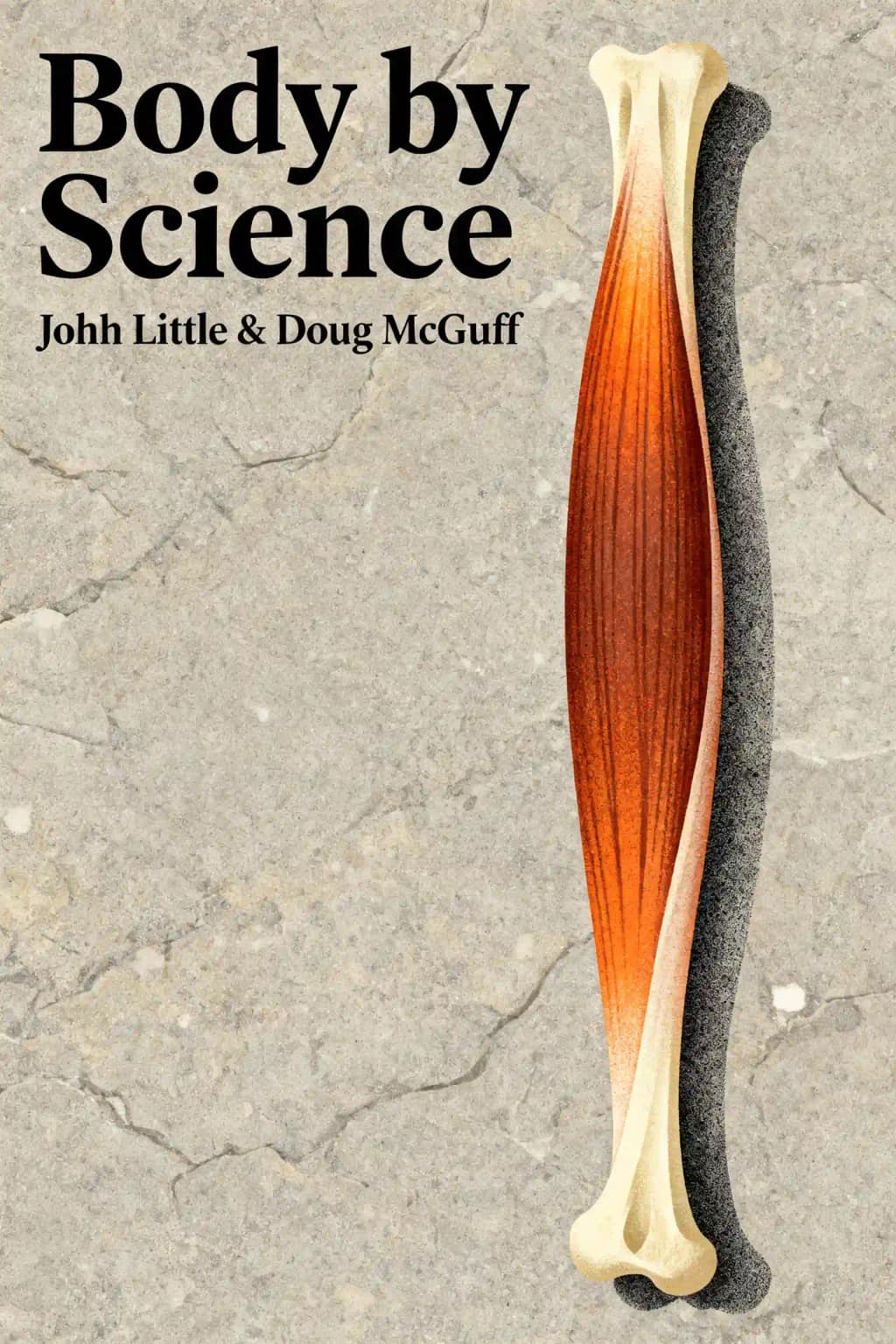
What if I told you that just 12 minutes of exercise per week could transform your body more effectively than hours of traditional workouts? This isn't a late-night infomercial claim but the evidence-backed conclusion of "Body By Science," the revolutionary fitness guide by Dr. Doug McGuff and John Little. Their work has attracted devotees ranging from Tim Ferriss to professional athletes seeking maximum results with minimal time investment. While most fitness books promise quick fixes through gimmicks, McGuff and Little deliver a methodical, research-driven approach that challenges nearly everything we've been told about exercise. Drawing from over 60,000 supervised workouts and groundbreaking studies from institutions like McMaster University, they've created what many consider the most efficient exercise protocol ever developed-one that's changing how we think about fitness in our time-starved world.
Capítulo 2
Turning Exercise Science Upside Down
The fitness industry has perpetuated a fundamental misconception for decades: that cardiovascular health requires specific "aerobic" activities like jogging or cycling performed at moderate intensity for extended periods. This belief stems from Dr. Kenneth Cooper's work in the 1960s, which popularized "aerobics" as the gold standard for cardiovascular conditioning. This traditional approach led millions to believe they needed to spend hours on treadmills or bikes to achieve cardiovascular fitness. However, groundbreaking research from McMaster University has completely upended this paradigm, challenging decades of conventional wisdom.
In these landmark studies, subjects performed just 2-3.5 minutes of actual exercise three times weekly-consisting of either four or seven 30-second "all-out" cycling bursts with recovery periods between each burst. The intensity was crucial - participants were pushed to their absolute maximum during these brief intervals. After merely two weeks (totaling 6-10.5 minutes of actual exercise), participants nearly doubled their endurance capacity, increasing from 26 to 51 minutes, while showing significant improvements in citrate synthase, an enzyme indicating enhanced oxygen utilization. These results were particularly striking because they challenged the deeply entrenched belief that cardiovascular adaptation requires long-duration training.
When skeptics questioned these findings, researchers conducted a comprehensive follow-up study comparing high-intensity sprint interval training (SIT) with conventional endurance training (ET). One group performed brief, intense cycling bursts totaling 6-9 minutes weekly, while another group performed traditional moderate cycling for 4.5-6 hours weekly-97.5% longer! The endurance group covered approximately 150 miles per week, while the sprint interval group covered less than 10 miles. Despite this enormous difference in time commitment and total work performed, both groups showed identical improvements in performance and muscle oxidative capacity. Additionally, both groups demonstrated similar improvements in insulin sensitivity and muscle glycogen content.
The implications are revolutionary for exercise science and public health: the cardiovascular system doesn't distinguish between types of muscular work. Whether cycling, running, lifting weights, or performing bodyweight exercises, your heart and lungs simply respond to energy demands created by working muscles. The key factor isn't duration but intensity-how aggressively you recruit and momentarily weaken muscle fibers within a defined timeframe. This insight has particular relevance for time-pressed individuals who previously believed effective cardiovascular training required hours of weekly commitment.
This explains why Dr. Cooper's own observations showed that clients running two miles in 14 minutes achieved better fitness outcomes than those taking 20 minutes to cover the same distance. The difference wasn't the activity itself but the intensity of effort, revealing a continuum where higher-intensity, shorter-duration exercise produces superior cardiovascular stimulus than lower-intensity, longer-duration activities. These findings have profound implications for exercise prescription, suggesting that brief, intense workouts can be as effective as - or even superior to - traditional endurance training for improving cardiovascular fitness, metabolic health, and overall conditioning.
The research also revealed additional benefits of high-intensity training, including enhanced fat oxidation, improved glucose metabolism, and increased mitochondrial density - all achieved with significantly less time commitment than traditional endurance training. This paradigm shift has led to the development of more time-efficient training protocols that can deliver optimal health benefits for busy individuals.
Capítulo 3
How "Cardio" Really Works: The Metabolic Truth
Our understanding of cardiovascular function is surprisingly recent. William Harvey first correctly described blood circulation in the 17th century, but the term "heart attack" wasn't clinically defined until 1912. Before 1920, coronary atherosclerosis was relatively uncommon according to cardiologist Paul Dudley White.
The conventional wisdom about "cardio" exercise rests on a fundamental misunderstanding of human metabolism. The cardiovascular system benefits through metabolic adaptations occurring within the cells it supports-not through direct structural changes to the heart itself. Contrary to popular belief, metabolism functions as an uninterrupted whole with intrinsically connected pathways that cannot be artificially separated.
During high-intensity exercise, muscles rapidly cycle through the glycolytic cycle, producing lactate that enters the bloodstream and travels to the liver. There it's converted back to glucose through gluconeogenesis in what's called the Cori cycle. The enzymes and transporters involved in this cycle can be trained through high-intensity exercise, providing survival benefits far greater than pure aerobic conditioning.
High-intensity exercise also produces lactic acid, releasing hydrogen ions that change hemoglobin's shape through the Bohr Effect. This reduces hemoglobin's oxygen affinity, improving oxygen delivery to tissues. With repeated intense training, the body synthesizes 2,3 diphosphoglycerate (2,3 DPG), creating a similar but longer-lasting effect-a metabolic adaptation that only occurs with high-intensity training.
Contrary to popular myth, high-intensity training effectively "burns fat." During intense exercise, hormones like adrenaline and glucagon activate hormone-sensitive lipase, releasing fatty acids from fat cells. These undergo beta-oxidation in muscles, forming thirty-five ATP molecules, while the glycerol produced can be converted to glucose, yielding an impressive ninety-six ATP molecules per fat molecule.
High-intensity exercise also promotes glycogenolysis-the breakdown of stored glycogen-which restores insulin sensitivity in muscle cells. During intense exertion, muscle fibers typically reserved for emergencies are activated, emptying significant glycogen from cells and allowing insulin to act on cell surfaces so glucose can reenter the muscle.
This process creates a significant glucose void that must be replenished, increasing insulin sensitivity for several days afterward. When glycogen stores become completely full without this emptying process, additional glucose can't be stored as glycogen and is instead metabolized as fat, potentially elevating cholesterol levels.
Capítulo 4
Redefining Health, Fitness, and Exercise
Despite being commonly used terms, both "fitness" and "health" lack precise definitions in scientific literature and medical textbooks. This ambiguity has led to widespread misconceptions in both medical practice and public understanding. More importantly, the relationship between these concepts is often misunderstood-there is no direct scientific link established between them, despite popular belief that they are inherently connected.
Health can be defined as "a physiological state with absence of disease that maintains necessary balance between catabolic and anabolic states." Our hunter-gatherer ancestors experienced predominantly catabolic states during food scarcity, which research shows actually promotes DNA repair, cellular cleanup processes, and metabolic efficiency. Modern research in longevity science has revealed that periodic fasting and caloric restriction, which mirror these ancestral patterns, can activate similar beneficial pathways. Fitness, by contrast, is "the bodily state of being physiologically capable of handling challenges above a resting threshold of activity." This encompasses various physical capabilities including strength, endurance, flexibility, and metabolic efficiency.
True exercise must be distinguished from mere physical activity through specific criteria and measurable outcomes. Exercise is "a specific activity that stimulates positive physiological adaptation enhancing fitness and health without undermining health in the process." Many popular activities fail this definition-studies show 60 percent of runners are injured annually, with one injury occurring per hundred hours of performance. The long-term damage often manifests after 15-20 years as joint pain, bone spurs, and chronic back issues. Similar patterns emerge in other high-impact activities like CrossFit, where injury rates can reach 73% among participants.
Professional athletes with supranormal fitness levels often achieve their performance through means that undermine health, creating a stark separation between peak performance and optimal health. Ancient examples include Greek runners Euchidas and Pheidippides, who both died immediately after completing extraordinary feats of endurance. Modern science confirms that long-distance runners face increased risks of cardiovascular disease, atrial fibrillation, cancer, liver disorders, muscle damage, kidney dysfunction, and spinal degeneration compared to less active individuals. Recent studies have shown that ultra-endurance athletes experience accelerated aging of their telomeres and increased oxidative stress markers.
As our potential lifespan increases to possibly 120 or 150 years, maintaining fitness and health becomes even more crucial. This requires shifting focus from exercise volume to precision-determining exactly how little exercise is needed to cultivate positive adaptations without the wear-and-tear consequences of prevalent approaches. Research in minimal effective dose exercise suggests that brief, intense sessions performed infrequently may provide optimal benefits while minimizing risk. This includes protocols like high-intensity interval training (HIIT) and time-efficient resistance training, which can produce significant adaptations in as little as 15 minutes per session.
Capítulo 5
The Big-Five Workout: Maximum Results, Minimum Time
Like a reliable investment strategy, the Big-Five workout provides consistent returns while requiring minimal time commitment. Based on recovery characteristics of 85-95% of the population and data from over 150,000 supervised training sessions, this program focuses on five compound movements that work virtually every major muscle group in the body.
The program consists exclusively of exercises that involve multiple joints and muscle groups: seated row, chest press, pulldown, overhead press, and leg press. These movements are simple to coordinate, allowing mental focus to be directed toward intensity rather than technique. Each targets different but complementary muscle groups-the seated row works the posterior torso musculature, the chest press engages the anterior torso muscles, the pulldown activates virtually all torso musculature, the overhead press emphasizes triceps and deltoids, and the leg press comprehensively works the entire lower body.
For optimal results, movements should be performed slowly and with control. Scientific evidence shows that faster movements diminish strength gains by relying on momentum rather than muscle fiber engagement. In a study by YMCA physiologist Wayne Wescott, subjects performing slower contractions showed a 59 percent increase in overall strength compared to 39 percent in the faster-contraction group.
Rather than merely counting repetitions, timing the duration from the beginning of a set until muscular failure provides a more precise measurement of progress. This "time under load" approach allows you to detect smaller improvements that might be missed by counting reps alone. The ideal time under load for most exercises falls between 45-90 seconds.
Breathing should be continuous and natural throughout each exercise. As difficulty increases and lactic acid accumulates, deliberately hyperventilate to prevent holding your breath. The Valsalva maneuver (holding breath while exerting) must be avoided because it unnecessarily raises blood pressure and provides internal mechanical assistance that undermines the goal of properly inroading the muscle.
The inroading process-deliberately weakening muscles through high-intensity contractions-creates a powerful stimulus for growth. Using approximately 75% of your maximum strength as resistance, each slow repetition gradually diminishes your strength until it falls below the resistance level. This represents a serious "threat" to your body, which responds by building greater strength reserves.
Most clients should aim for positive failure (the point where another repetition becomes impossible) from their very first workout. Well-conditioned trainees working to true failure should perform the Big-Five workout once every seven days, with individual factors like body mass and intensity level potentially requiring adjustments.
Moving quickly between exercises-typically 30 seconds to one minute-is encouraged for metabolic conditioning benefits. You should move briskly enough to be huffing and puffing, producing a profound metabolic effect without feeling light-headed or nauseated.
Capítulo 6
The Remarkable Benefits of Brief, Intense Training
Properly executed resistance training that builds muscle optimizes your body's entire metabolic system. The closer you get to realizing your muscular potential, the closer you get to optimizing all your supporting systems. Increased muscle mass delivers remarkable health benefits including improved waste processing, blood oxygenation, insulin control, bone density, metabolic rate, fat reduction, aerobic capacity, flexibility, and injury prevention.
Increased muscle mass plays a crucial role during life-threatening situations. Other organs increase their functional capacity proportionally with muscle gains, providing a higher "start point" from which atrophy would occur during critical illness. Dr. McGuff shares how strength training helped a colleague with severe emphysema transform from wheelchair-bound to fully ambulatory for six more productive years, simply by doubling his strength through proper training.
Strength training can increase gastrointestinal transit time by up to 56 percent after just three months, potentially lowering colon cancer risk. It also prevents the 2-5 percent per decade decline in resting metabolic rate. A Tufts University study showed seniors gaining three pounds of muscle while losing four pounds of fat over twelve weeks of strength training, increasing resting metabolism by 7 percent-burning an additional 108 calories daily as muscle requires about 35 calories per pound to maintain.
High-intensity training uniquely taps into higher-order muscle fibers where glycogen storage is greatest. This triggers adrenaline release that cleaves thousands of glycogen molecules for immediate use, creating room for bloodstream glucose to enter muscle cells. As insulin receptors become more sensitive, glucose and insulin levels in the bloodstream decrease, reversing the cycle of insulin resistance that leads to fat storage.
Strength training improves cholesterol profiles within weeks by addressing the underlying inflammation that necessitates cholesterol deployment. Rather than medicating symptoms, strength training treats the root cause by reducing glucose-insulin-driven inflammation, especially when combined with a low-refined-carbohydrate diet.
Contrary to old assumptions, properly performed strength training reduces resting blood pressure in mildly hypertensive adults without dangerous blood pressure increases. It also significantly increases bone mineral density, but only when performed with heavy loads. Beyond bone density improvements, stronger muscles protect against fractures by dissipating forces during falls.
Research demonstrates that high-intensity strength training is both feasible and beneficial for selected patients with well-controlled rheumatoid arthritis, leading to improvements in strength, pain, and fatigue without exacerbating disease activity or joint pain. Proper resistance training for lumbar muscles effectively treats lower-back pain, even in patients who failed multiple other treatments.
Enhanced flexibility comes naturally from proper strength training that applies resistance through a muscle's full range of motion. Unlike yoga or stretching, which can create joint laxity, strength training produces functional flexibility that protects joints. Many flexibility issues in adults stem from strength deficiencies rather than true flexibility limitations.
Capítulo 7
Enhancing Your Body's Response to Exercise
Contrary to popular belief, supplements alone cannot stimulate muscle growth. A 1975 Harvard study showed that even starving rats could build muscle when given sufficient exercise stimulus. The primary requirement is training with enough intensity to trigger the body's adaptive response. The Big-Five workout provides this stimulus, but muscle growth requires both proper stimulus and adequate recovery time-typically up to seven days.
Adequate sleep is crucial for recovery after intense workouts. During sleep, the body relaxes and repair processes proceed uninterrupted, enabling the desired training response. Proper hydration is vital since muscle is roughly 76 percent water. Good hydration maximizes blood volume, enhancing nutrient delivery to recovering muscles while removing waste products from intense contractions.
When dehydrated, blood volume becomes constricted, preventing sufficient oxygen delivery to tissues and causing acidosis. Proper hydration also supports hormonal adaptations triggered by resistance training. The cell membrane's phospholipid bilayer contains receptor sites that become maximally exposed when cells are well-hydrated, allowing optimal hormone interaction.
Adequate-not excessive-nutrition optimizes exercise response. Excess calories from food or supplements only promote fat gain, and many supplements actually stress the body. A well-balanced diet provides necessary components for recovery and muscle building within their natural-food matrix. Despite supplement manufacturers' claims, nutritional science still doesn't fully understand these relationships-Mother Nature maintains the advantage.
Minimizing life stressors creates a better metabolic environment for muscle building. Modern society often fails to modulate stress responses appropriately, allowing minor concerns to trigger fight-or-flight responses that evolutionarily should only occur during physical attacks or life-threatening situations.
Remember that training enhances functional ability, requiring sufficient recovery between workouts to spend more time above baseline strength than below it. A proper workout initially makes you weaker for several days while replenishing energy debt. Only after this replenishment does adaptive growth begin. Avoid the neurosis of constantly needing to "get back to the gym." You won't lose anything by extending recovery to 8-14 days. Maintain a relaxed mindset and ignore fitness magazines that instill training angst and push supplements by convincing you you're not doing enough.
Capítulo 8
The Genetic Reality of Physical Development
With special thanks to Ryan Hall, who researched much of this material, we must address how genetics fundamentally limits physical development. While proper strength training delivers exceptional results, unrealistic expectations lead to disappointment. Many women avoid weight training fearing excessive muscularity, while many men quit when they don't develop Schwarzenegger-like physiques. Both reactions misunderstand the genetic rarity of extreme muscularity-its value comes precisely from its scarcity.
In the 1970s, bodybuilder Mike Mentzer estimated only one in 100,000 males possessed both the genetics and knowledge to become champion bodybuilders. While assessing genetic potential is difficult, several physical traits offer clues about muscle-building capacity.
William Sheldon's classification system identifies three body types: endomorphs (soft, round contours with short limbs), mesomorphs (square, strong builds with broad shoulders and little bodyfat), and ectomorphs (tall, thin frames with minimal muscle and fat). A muscle's potential size is limited by its length, which is genetically fixed by tendon attachment points. Since width can't exceed length (or contraction wouldn't occur), muscle volume is constrained by this inherited trait.
Bone length, thickness, and structure significantly influence muscle-building potential. The classic bodybuilder physique features broad shoulders, narrow hips, and medium-length limbs-all genetically determined skeletal characteristics. People inherit both fat cell quantity and distribution patterns. Non-obese individuals typically have 25-30 billion fat cells, moderately obese people about 50 billion, and extremely obese individuals up to 240 billion-explaining why permanent fat loss is nearly impossible for some.
Neuromuscular efficiency determines how effectively your nervous system activates muscle fibers. Average people contract about 30% of fibers during maximal effort, while rare individuals might activate 40-50%. Higher activation enables more intense exertion and better muscle growth stimulus.
Muscles come in two distinct shapes affecting growth potential. Fusiform muscles (football-shaped like biceps) have considerable volume-increasing ability. Pennate muscles (feather-like arrangements) prioritize functional strength in confined spaces over size potential.
Myostatin inhibits muscle growth through a protein mechanism. Those with reduced myostatin show both increased muscle mass and reduced bodyfat-the coveted "ripped" appearance that's largely genetically determined rather than training-dependent. Interleukin-15 gene variations strongly influence response to resistance exercise. The AA genotype produces greater muscle size increases but less strength gain, while the CC genotype yields the greatest strength increases with minimal mass gains.
Despite these genetic constraints, epigenetics reveals that environmental factors can modify DNA expression without changing the actual DNA sequence. Both behavioral and dietary factors can trigger epigenetic changes that determine whether specific genes are expressed or suppressed. Remarkably, these environmentally-influenced changes can be passed to offspring for up to four generations.
Capítulo 9
The Science of Fat Loss: Beyond Calories
Fat is an extraordinary survival tissue that has ensured human existence through ice ages and famines. A single pound stores 3,500 calories with almost no metabolic cost. Despite popular misconception, fat isn't inherently unhealthful-it's the reason we exist. Yet this adaptation that once saved us now threatens our health as bodyfat levels continue rising each decade.
Our bodies maintain genetic set points for bodyfat through leptin production-as bodyfat rises, leptin suppresses appetite; as it falls, appetite increases. Contrary to popular belief, our obesity crisis stems not from decreased activity but from unprecedented food abundance. For 150,000 generations, efficient fat storage ensured survival; only in the last 3-4 generations has it led to obesity.
The common belief that modern obesity stems from decreased physical activity is incorrect on two fronts. First, physical activity burns far fewer calories than commonly thought-humans must use energy efficiently to survive. Second, anthropological studies show primitive hunter-gatherers were actually less physically active than modern humans.
Exercise machines mislead users about calorie expenditure by including basal metabolic rate in their calculations. A 185-pound man burning "300 calories" on a treadmill actually burns only about 222 calories above his baseline metabolism. A single Starbucks Frappuccino (380 calories) more than negates this effort. Even with daily treadmill workouts, it would take 14-16 days to burn a single pound of fat.
The key to burning more calories lies in regaining lost muscle mass. As we age, we naturally lose muscle (sarcopenia), leading to a decreased resting metabolic rate. Losing just 5 pounds of muscle reduces daily calorie burn by about 250 calories. By rebuilding this muscle through proper exercise, you reactivate dormant tissue and restore your metabolism.
Ken Hutchins explains discriminant fat loss by comparing the body to a corporation. When operating on a calorie deficit without exercise, all departments (tissues) experience cutbacks. However, when intense exercise creates demand in the muscle department, no muscle layoffs occur-in fact, more muscle must be "hired." This forces greater fat reduction while preserving bone, connective tissue, and nervous tissue.
Controlling insulin is crucial for fat loss. Our ancestors rarely encountered simple sugars, keeping their insulin receptors highly sensitive and glycogen stores rarely full. Modern diets flood us with simple sugars, filling glycogen stores and elevating blood glucose and insulin. When cells become saturated with glycogen, glucose gets diverted toward fat synthesis.
Omega-3 fatty acids enhance fat loss through their effect on hormone sensitivity. Their structure creates elongated, flexible molecules that maintain properly expanded cell walls with outward-facing hormonal receptors that can interact with circulating hormones. In a hunter-gatherer diet, omega-3 and omega-6 fatty acids exist at roughly a 1:1 ratio. The typical Western diet has a dangerous 20:1 ratio, creating thinner, less flexible cell walls with many receptors facing inward, unable to interact with fat-mobilizing hormones.
High-intensity exercise powerfully reduces bodyfat through multiple mechanisms. It controls insulin levels, burns calories both during workouts and for hours afterward, and stimulates muscle synthesis. Most importantly, it creates a hormonal environment that favors fat mobilization while preventing new fat storage-simultaneously "unplugging the drain and turning off the faucet" for effective fat loss.