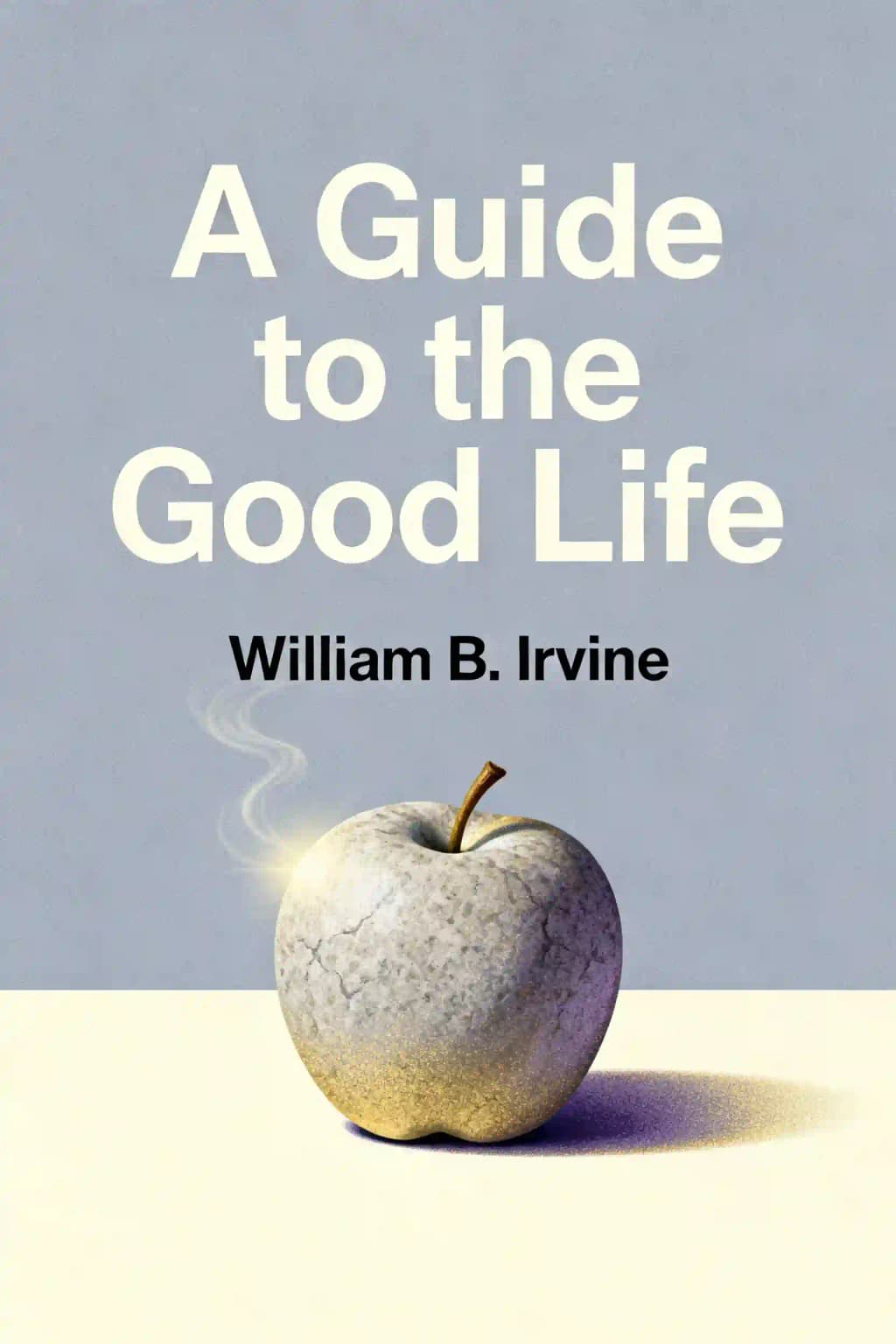
In "A Guide to the Good Life," William Irvine revitalizes ancient Stoicism for modern minds seeking tranquility. What if the secret to happiness isn't pursuing pleasure, but practicing negative visualization? Silicon Valley executives embrace these techniques, finding calm in our chaotic world.
Siente el libro a través de la voz del autor
Convierte el conocimiento en ideas atractivas y llenas de ejemplos
Captura ideas clave en un instante para un aprendizaje rápido
Disfruta el libro de una manera divertida y atractiva
A shipwreck destroyed everything Zeno owned. Stranded in Athens around 300 BC, he stumbled into a bookshop and discovered philosophy. That accident birthed Stoicism-a practical system for living well that would eventually guide Roman emperors, survive slavery, and offer solace in exile. Today, tech leaders credit it with maintaining sanity amid billion-dollar decisions, and ordinary people use it to navigate divorce, job loss, and daily frustrations. What makes this 2,300-year-old philosophy so enduringly relevant? It addresses a question most of us avoid until crisis forces our hand: What do you actually want from life? Consider how you spend your days. You want a better job, a loving partner, financial security-but these are things you want *in* life, not *from* life itself. What's your overarching purpose? Without answering this fundamental question, you risk what the Stoics called "misliving"-waking up at seventy realizing you've pursued goals that never truly mattered. The Stoics weren't the emotionless robots we imagine. They sought to eliminate negative emotions while cultivating joy and positive engagement. Cato the Younger fought corruption in Roman politics. Seneca advised emperors while writing influential philosophy. Marcus Aurelius ruled an empire during plague and war. These weren't passive observers but deeply engaged individuals who made Stoicism work in demanding, real-world situations. Their central insight? We're fundamentally insatiable creatures. Get the promotion you craved, and within weeks you're eyeing the next rung. Buy your dream house, and soon you're browsing bigger ones. This hedonic treadmill guarantees perpetual dissatisfaction unless we develop strategies to step off it.
Desglosa las ideas clave de A Guide to the Good Life en puntos fáciles de entender para comprender cómo los equipos innovadores crean, colaboran y crecen.
Destila A Guide to the Good Life en pistas de memoria rápidas que resaltan los principios clave de franqueza, trabajo en equipo y resiliencia creativa.

Experimenta A Guide to the Good Life a través de narraciones vívidas que convierten las lecciones de innovación en momentos que recordarás y aplicarás.
Pregunta lo que quieras, elige la voz y co-crea ideas que realmente resuenen contigo.

Creado por exalumnos de la Universidad de Columbia en San Francisco
"Instead of endless scrolling, I just hit play on BeFreed. It saves me so much time."
"I never knew where to start with nonfiction—BeFreed’s book lists turned into podcasts gave me a clear path."
"Perfect balance between learning and entertainment. Finished ‘Thinking, Fast and Slow’ on my commute this week."
"Crazy how much I learned while walking the dog. BeFreed = small habits → big gains."
"Reading used to feel like a chore. Now it’s just part of my lifestyle."
"Feels effortless compared to reading. I’ve finished 6 books this month already."
"BeFreed turned my guilty doomscrolling into something that feels productive and inspiring."
"BeFreed turned my commute into learning time. 20-min podcasts are perfect for finishing books I never had time for."
"BeFreed replaced my podcast queue. Imagine Spotify for books — that’s it. 🙌"
"It is great for me to learn something from the book without reading it."
"The themed book list podcasts help me connect ideas across authors—like a guided audio journey."
"Makes me feel smarter every time before going to work"
Creado por exalumnos de la Universidad de Columbia en San Francisco

Obtén el resumen de A Guide to the Good Life como PDF o EPUB gratis. Imprímelo o léelo sin conexión en cualquier momento.