Corporate Controls: Safeguard or Burden?
Explore the sophisticated control systems in Italian corporations that serve as strategic assets rather than mere bureaucratic requirements, potentially preventing financial scandals through proper governance.

Bestes Zitat aus Corporate Controls: Safeguard or Burden?
The most effective companies treat their control bodies as strategic advisors, not just compliance officers. They're actively seeking input on risk management, strategic decisions, and operational improvements.

Diese Audiolektion wurde von einem BeFreed-Community-Mitglied erstellt
Controlli nelle società di capitali


Mehr entdecken
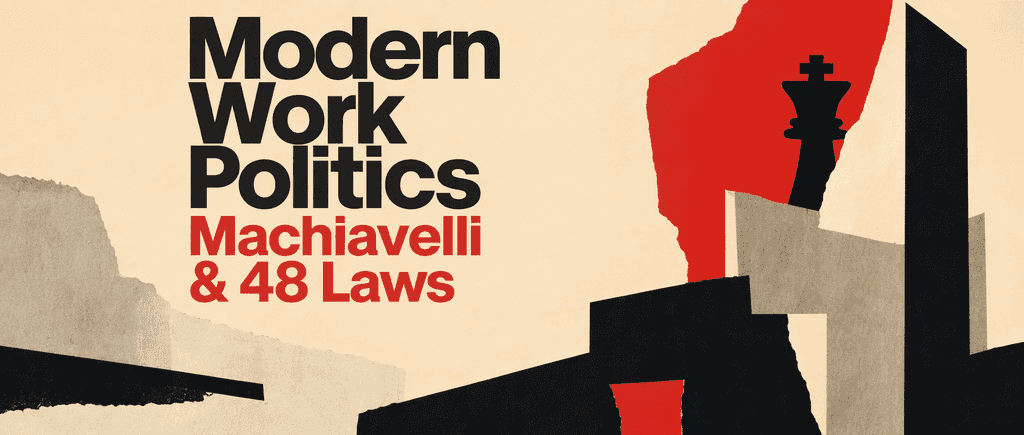
Modern Work Politics: Machiavelli & 48 Laws
In high-stakes corporate environments, technical skill alone rarely guarantees advancement. This plan is designed for ambitious professionals who need to master the unspoken rules of influence and power dynamics to secure their seat at the table.

Financial Intelligence for Corporate Leaders
In today's corporate landscape, leadership requires more than operational expertise; it demands a deep fluency in the language of money. This plan is designed for non-financial executives and emerging leaders who need to transform complex data into actionable strategic insights.

Master Discipline, Autonomy & Power Laws
This plan is designed for high-achievers and aspiring leaders who feel hindered by external pressures or inefficient habits. It provides a blueprint for mastering internal control and navigating social hierarchies to maximize personal impact.
Strategic Power & Influence Curriculum
This curriculum is essential for leaders navigating complex corporate landscapes where formal authority isn't enough. It benefits executives and managers who need to master high-stakes negotiation and systemic change to drive impact.

看穿利益結構的賽局透視鏡
在利益交織的現代社會,理解動機背後的誘因機制是生存必備技能。本計畫適合想看穿資訊落差、優化職場協作規則,並在複雜賽局中做出理性決策的職場專業人士與管理者。

Deep psychological control
This path is essential for professionals and leaders who need to navigate complex human dynamics and protect themselves from covert influence. It provides a comprehensive toolkit for mastering both ethical persuasion and defensive psychological awareness in high-stakes environments.

Leading Through Corporate Transition
This learning plan is essential for managers and executives navigating the complexities of organizational change and restructuring. It provides a strategic framework for leaders who need to balance operational continuity with the human side of transition to ensure long-term success.

Automating the CFO Command Centre
This plan is designed for finance leaders and controllers looking to eliminate manual reporting bottlenecks. It provides a blueprint for scaling financial operations through robust data architecture and standardized AI-driven narratives.
Von Columbia University Alumni in San Francisco entwickelt
"Instead of endless scrolling, I just hit play on BeFreed. It saves me so much time."


"I never knew where to start with nonfiction—BeFreed’s book lists turned into podcasts gave me a clear path."


"Perfect balance between learning and entertainment. Finished ‘Thinking, Fast and Slow’ on my commute this week."
"Crazy how much I learned while walking the dog. BeFreed = small habits → big gains."
"Reading used to feel like a chore. Now it’s just part of my lifestyle."

"Feels effortless compared to reading. I’ve finished 6 books this month already."
"BeFreed turned my guilty doomscrolling into something that feels productive and inspiring."

"BeFreed turned my commute into learning time. 20-min podcasts are perfect for finishing books I never had time for."
"BeFreed replaced my podcast queue. Imagine Spotify for books — that’s it. 🙌"

"It is great for me to learn something from the book without reading it."
"The themed book list podcasts help me connect ideas across authors—like a guided audio journey."
"Makes me feel smarter every time before going to work"
Von Columbia University Alumni in San Francisco entwickelt
"Instead of endless scrolling, I just hit play on BeFreed. It saves me so much time."
"I never knew where to start with nonfiction—BeFreed’s book lists turned into podcasts gave me a clear path."
"Perfect balance between learning and entertainment. Finished ‘Thinking, Fast and Slow’ on my commute this week."
"Crazy how much I learned while walking the dog. BeFreed = small habits → big gains."
"Reading used to feel like a chore. Now it’s just part of my lifestyle."
"Feels effortless compared to reading. I’ve finished 6 books this month already."
"BeFreed turned my guilty doomscrolling into something that feels productive and inspiring."
"BeFreed turned my commute into learning time. 20-min podcasts are perfect for finishing books I never had time for."
"BeFreed replaced my podcast queue. Imagine Spotify for books — that’s it. 🙌"
"It is great for me to learn something from the book without reading it."
"The themed book list podcasts help me connect ideas across authors—like a guided audio journey."
"Makes me feel smarter every time before going to work"
"Instead of endless scrolling, I just hit play on BeFreed. It saves me so much time."
"I never knew where to start with nonfiction—BeFreed’s book lists turned into podcasts gave me a clear path."
"Perfect balance between learning and entertainment. Finished ‘Thinking, Fast and Slow’ on my commute this week."
"Crazy how much I learned while walking the dog. BeFreed = small habits → big gains."
"Reading used to feel like a chore. Now it’s just part of my lifestyle."
"Feels effortless compared to reading. I’ve finished 6 books this month already."
"BeFreed turned my guilty doomscrolling into something that feels productive and inspiring."
"BeFreed turned my commute into learning time. 20-min podcasts are perfect for finishing books I never had time for."
"BeFreed replaced my podcast queue. Imagine Spotify for books — that’s it. 🙌"
"It is great for me to learn something from the book without reading it."
"The themed book list podcasts help me connect ideas across authors—like a guided audio journey."
"Makes me feel smarter every time before going to work"
"Instead of endless scrolling, I just hit play on BeFreed. It saves me so much time."
"I never knew where to start with nonfiction—BeFreed’s book lists turned into podcasts gave me a clear path."
"Perfect balance between learning and entertainment. Finished ‘Thinking, Fast and Slow’ on my commute this week."
"Crazy how much I learned while walking the dog. BeFreed = small habits → big gains."
"Reading used to feel like a chore. Now it’s just part of my lifestyle."
"Feels effortless compared to reading. I’ve finished 6 books this month already."
"BeFreed turned my guilty doomscrolling into something that feels productive and inspiring."
"BeFreed turned my commute into learning time. 20-min podcasts are perfect for finishing books I never had time for."
"BeFreed replaced my podcast queue. Imagine Spotify for books — that’s it. 🙌"
"It is great for me to learn something from the book without reading it."
"The themed book list podcasts help me connect ideas across authors—like a guided audio journey."
"Makes me feel smarter every time before going to work"