ADHD and Anger: Managing Emotional Dysregulation and Boundaries
Learn how ADHD affects emotional dysregulation and anger when boundaries are set. Discover strategies for impulse control and managing rejection sensitivity.

Bestes Zitat aus ADHD and Anger: Managing Emotional Dysregulation and Boundaries
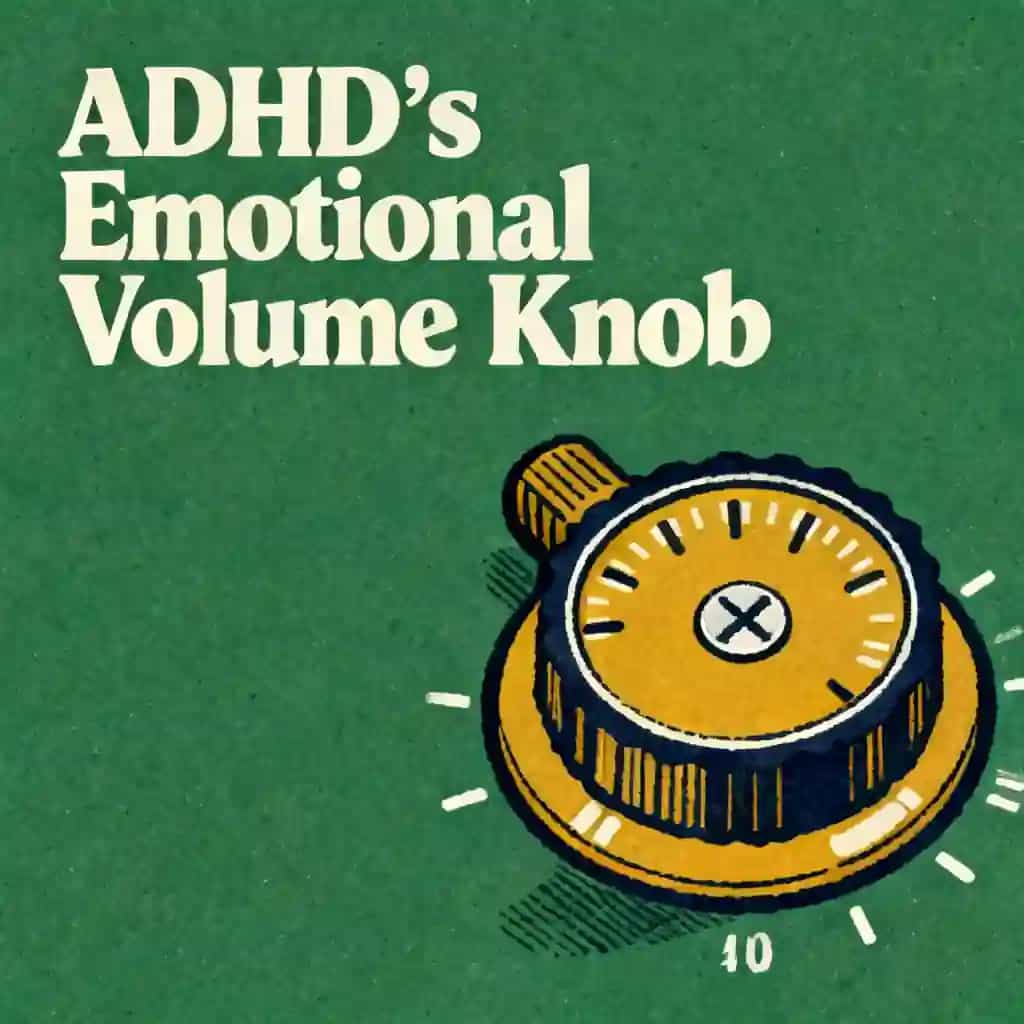
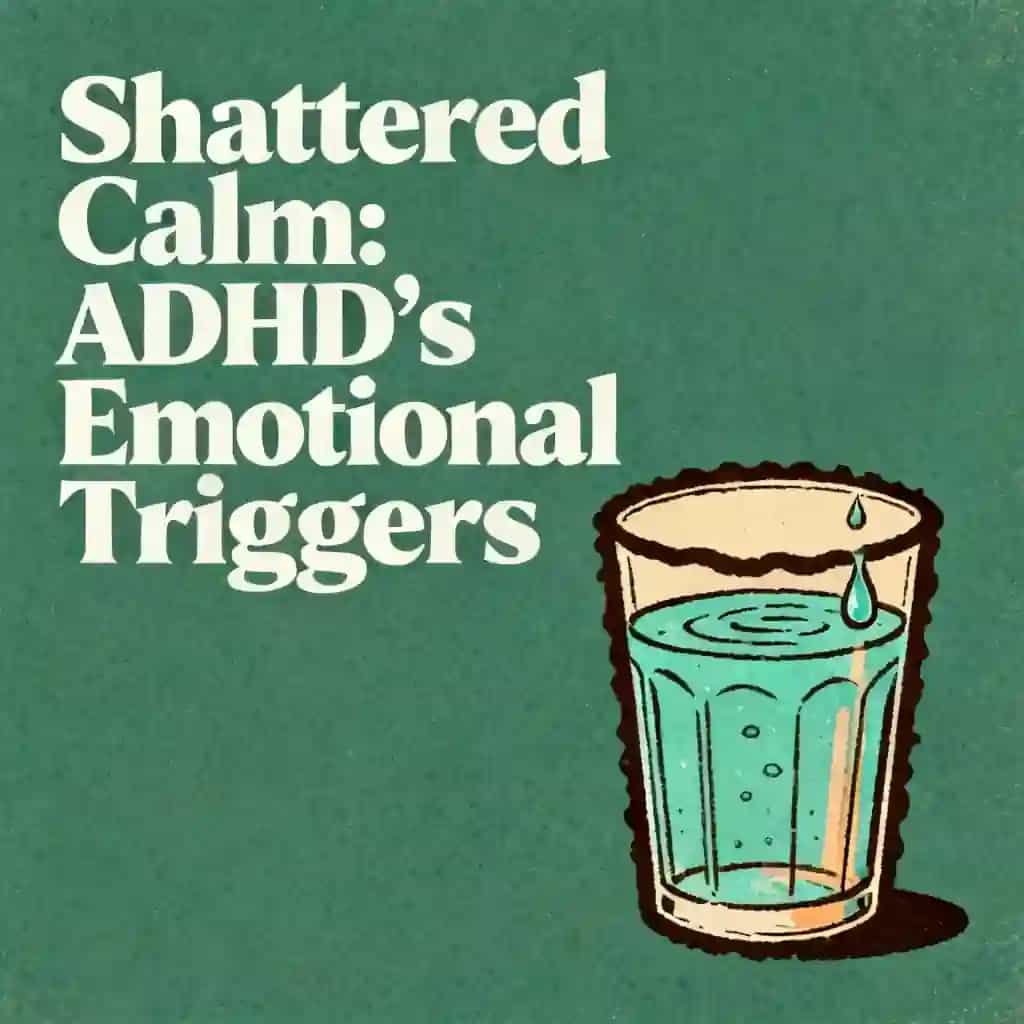
ADHD rage is a 'brake failure,' not a lack of love. When you understand that the explosion is neurological rather than moral, you can move from a place of 'What is wrong with you?' to 'What is happening in your brain right now?'
Generated by Jantje
Wat gebeurt er bij een man die superboos wordt als zijn eigen behoefte niet verveeld wordt waarin iemand anders een grens aangeeft. En hij heeft ook ADHD. Hoe ga je daarmee om en hoe gaat hij dingen leren en inzicht krijgen. 






Häufig gestellte Fragen
Anger in individuals with ADHD often stems from emotional dysregulation and poor impulse control. When a boundary is set that prevents their immediate needs from being met, it can trigger a feeling of rejection or frustration that they struggle to process quickly. This intense reaction is frequently linked to Rejection Sensitive Dysphoria (RSD), where perceived criticism or boundary-setting feels like an overwhelming personal attack, leading to defensive outbursts.
Setting boundaries requires clear, calm communication and consistency. It is helpful to establish these boundaries during a neutral time rather than in the heat of an argument. By using 'I' statements and focusing on specific behaviors, you can reduce the likelihood of triggering a defensive anger response. Understanding that ADHD affects emotional processing helps partners remain firm yet empathetic while ensuring their own needs and limits are respected within the relationship.
Gaining insight involves recognizing the physical signs of emotional dysregulation before an outburst occurs. ADHD anger management often includes cognitive-behavioral techniques to pause and reflect on the impulse to react. Therapy or coaching can help individuals identify the gap between a trigger and their response, allowing them to learn that a boundary is not a rejection of their character but a necessary part of healthy relationship dynamics and mutual respect.
Yes, Rejection Sensitive Dysphoria is a common experience for those with ADHD and plays a significant role in emotional outbursts. When a person with RSD encounters a boundary, their brain may interpret it as a severe form of rejection or failure. This perception causes intense emotional pain, which often manifests as anger or irritability. Recognizing RSD is a crucial step in learning how to manage these reactions and developing healthier coping mechanisms.
Von Columbia University Alumni in San Francisco entwickelt
"Instead of endless scrolling, I just hit play on BeFreed. It saves me so much time."


"I never knew where to start with nonfiction—BeFreed’s book lists turned into podcasts gave me a clear path."


"Perfect balance between learning and entertainment. Finished ‘Thinking, Fast and Slow’ on my commute this week."
"Crazy how much I learned while walking the dog. BeFreed = small habits → big gains."
"Reading used to feel like a chore. Now it’s just part of my lifestyle."

"Feels effortless compared to reading. I’ve finished 6 books this month already."
"BeFreed turned my guilty doomscrolling into something that feels productive and inspiring."

"BeFreed turned my commute into learning time. 20-min podcasts are perfect for finishing books I never had time for."
"BeFreed replaced my podcast queue. Imagine Spotify for books — that’s it. 🙌"

"It is great for me to learn something from the book without reading it."
"The themed book list podcasts help me connect ideas across authors—like a guided audio journey."
"Makes me feel smarter every time before going to work"
Von Columbia University Alumni in San Francisco entwickelt
"Instead of endless scrolling, I just hit play on BeFreed. It saves me so much time."
"I never knew where to start with nonfiction—BeFreed’s book lists turned into podcasts gave me a clear path."
"Perfect balance between learning and entertainment. Finished ‘Thinking, Fast and Slow’ on my commute this week."
"Crazy how much I learned while walking the dog. BeFreed = small habits → big gains."
"Reading used to feel like a chore. Now it’s just part of my lifestyle."
"Feels effortless compared to reading. I’ve finished 6 books this month already."
"BeFreed turned my guilty doomscrolling into something that feels productive and inspiring."
"BeFreed turned my commute into learning time. 20-min podcasts are perfect for finishing books I never had time for."
"BeFreed replaced my podcast queue. Imagine Spotify for books — that’s it. 🙌"
"It is great for me to learn something from the book without reading it."
"The themed book list podcasts help me connect ideas across authors—like a guided audio journey."
"Makes me feel smarter every time before going to work"
"Instead of endless scrolling, I just hit play on BeFreed. It saves me so much time."
"I never knew where to start with nonfiction—BeFreed’s book lists turned into podcasts gave me a clear path."
"Perfect balance between learning and entertainment. Finished ‘Thinking, Fast and Slow’ on my commute this week."
"Crazy how much I learned while walking the dog. BeFreed = small habits → big gains."
"Reading used to feel like a chore. Now it’s just part of my lifestyle."
"Feels effortless compared to reading. I’ve finished 6 books this month already."
"BeFreed turned my guilty doomscrolling into something that feels productive and inspiring."
"BeFreed turned my commute into learning time. 20-min podcasts are perfect for finishing books I never had time for."
"BeFreed replaced my podcast queue. Imagine Spotify for books — that’s it. 🙌"
"It is great for me to learn something from the book without reading it."
"The themed book list podcasts help me connect ideas across authors—like a guided audio journey."
"Makes me feel smarter every time before going to work"
"Instead of endless scrolling, I just hit play on BeFreed. It saves me so much time."
"I never knew where to start with nonfiction—BeFreed’s book lists turned into podcasts gave me a clear path."
"Perfect balance between learning and entertainment. Finished ‘Thinking, Fast and Slow’ on my commute this week."
"Crazy how much I learned while walking the dog. BeFreed = small habits → big gains."
"Reading used to feel like a chore. Now it’s just part of my lifestyle."
"Feels effortless compared to reading. I’ve finished 6 books this month already."
"BeFreed turned my guilty doomscrolling into something that feels productive and inspiring."
"BeFreed turned my commute into learning time. 20-min podcasts are perfect for finishing books I never had time for."
"BeFreed replaced my podcast queue. Imagine Spotify for books — that’s it. 🙌"
"It is great for me to learn something from the book without reading it."
"The themed book list podcasts help me connect ideas across authors—like a guided audio journey."
"Makes me feel smarter every time before going to work"