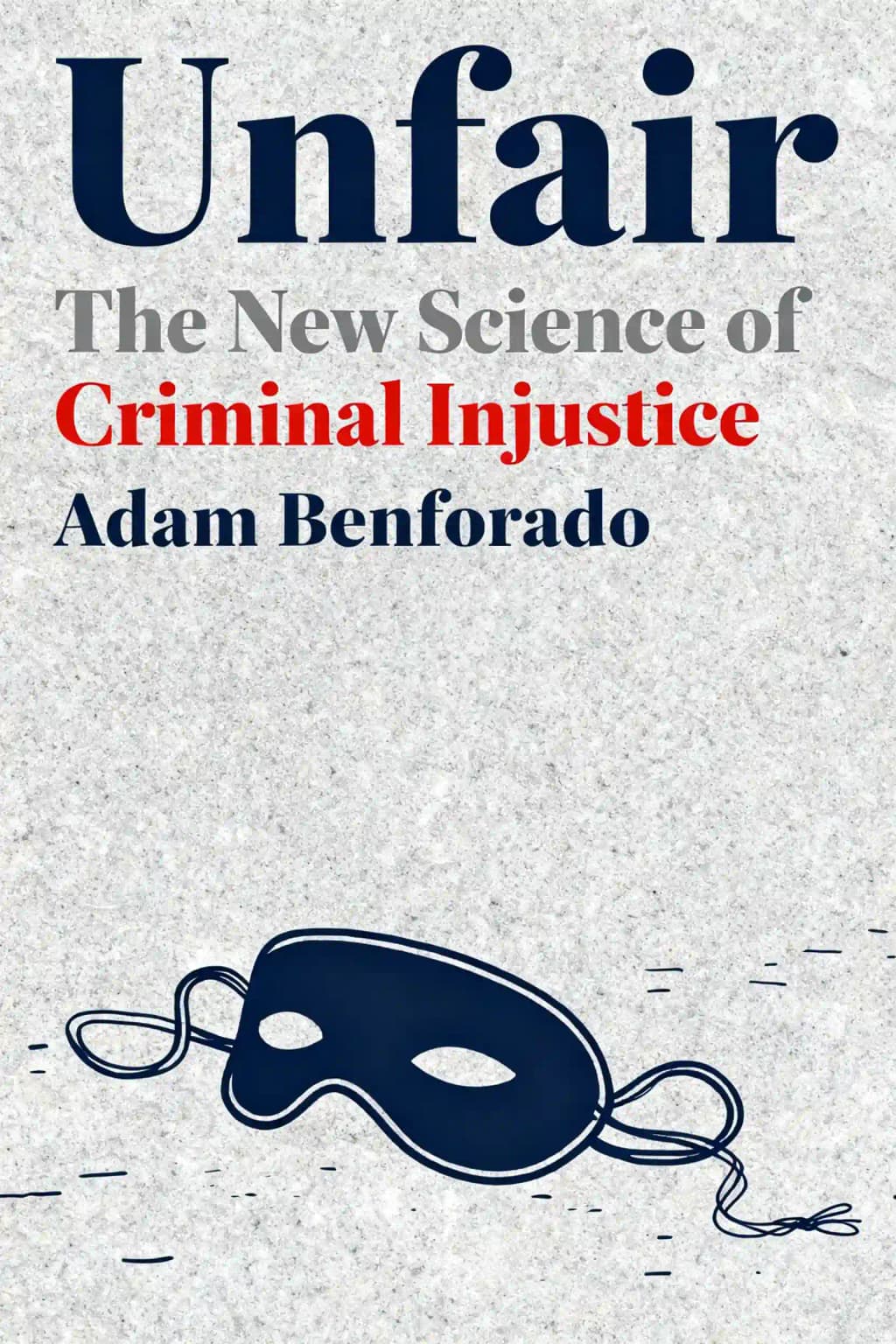
In "Unfair," Harvard-trained legal scholar Adam Benforado reveals how psychology, not evil, drives injustice. Called a "well-documented eye-opener" by The Boston Globe, this book challenges everything you thought about guilt and innocence. Could your brain be convicting innocent people?
Erlebe das Buch durch die Stimme des Autors
Verwandle Wissen in fesselnde, beispielreiche Erkenntnisse
Erfasse Schlüsselideen blitzschnell für effektives Lernen
Genieße das Buch auf unterhaltsame und ansprechende Weise
Imagine a world where your fate depends on whether a judge had lunch, or if a police officer's disgust response was triggered by your appearance. This isn't dystopian fiction-it's our current reality. Our criminal justice system operates on the assumption that humans make rational, conscious decisions, but psychological research reveals a troubling truth: our minds work largely outside our awareness. From police investigations to jury deliberations, implicit biases shape outcomes in ways we rarely acknowledge. The result? A system that proclaims fairness while systematically producing injustice-particularly for minorities and the disadvantaged. When emergency responders found David Rosenbaum lying on a Washington D.C. sidewalk, they immediately labeled him "drunk" rather than injured. This snap judgment had fatal consequences-Rosenbaum had actually been violently assaulted and died from his injuries after receiving delayed medical care. Why? The vomit on his jacket triggered disgust, a powerful emotion that affects both physical and moral judgments. Studies show that physical disgust makes our moral judgments more severe, creating both physical and moral distance from those we perceive as "other." Once we label someone, we unconsciously seek confirming evidence while dismissing contradictory information-a psychological tunnel vision that pervades our justice system.
Zerlegen Sie die Kernideen von Unfair: The New Science of Criminal Injustice in leicht verständliche Punkte, um zu verstehen, wie innovative Teams kreieren, zusammenarbeiten und wachsen.
Destillieren Sie Unfair: The New Science of Criminal Injustice in schnelle Gedächtnisstützen, die die Schlüsselprinzipien von Offenheit, Teamarbeit und kreativer Resilienz hervorheben.

Erleben Sie Unfair: The New Science of Criminal Injustice durch lebhafte Erzählungen, die Innovationslektionen in unvergessliche und anwendbare Momente verwandeln.
Fragen Sie alles, wählen Sie die Stimme und erschaffen Sie gemeinsam Erkenntnisse, die wirklich bei Ihnen ankommen.

Von Columbia University Alumni in San Francisco entwickelt
"Instead of endless scrolling, I just hit play on BeFreed. It saves me so much time."
"I never knew where to start with nonfiction—BeFreed’s book lists turned into podcasts gave me a clear path."
"Perfect balance between learning and entertainment. Finished ‘Thinking, Fast and Slow’ on my commute this week."
"Crazy how much I learned while walking the dog. BeFreed = small habits → big gains."
"Reading used to feel like a chore. Now it’s just part of my lifestyle."
"Feels effortless compared to reading. I’ve finished 6 books this month already."
"BeFreed turned my guilty doomscrolling into something that feels productive and inspiring."
"BeFreed turned my commute into learning time. 20-min podcasts are perfect for finishing books I never had time for."
"BeFreed replaced my podcast queue. Imagine Spotify for books — that’s it. 🙌"
"It is great for me to learn something from the book without reading it."
"The themed book list podcasts help me connect ideas across authors—like a guided audio journey."
"Makes me feel smarter every time before going to work"
Von Columbia University Alumni in San Francisco entwickelt

Erhalten Sie die Unfair: The New Science of Criminal Injustice-Zusammenfassung als kostenloses PDF oder EPUB. Drucken Sie es aus oder lesen Sie es jederzeit offline.