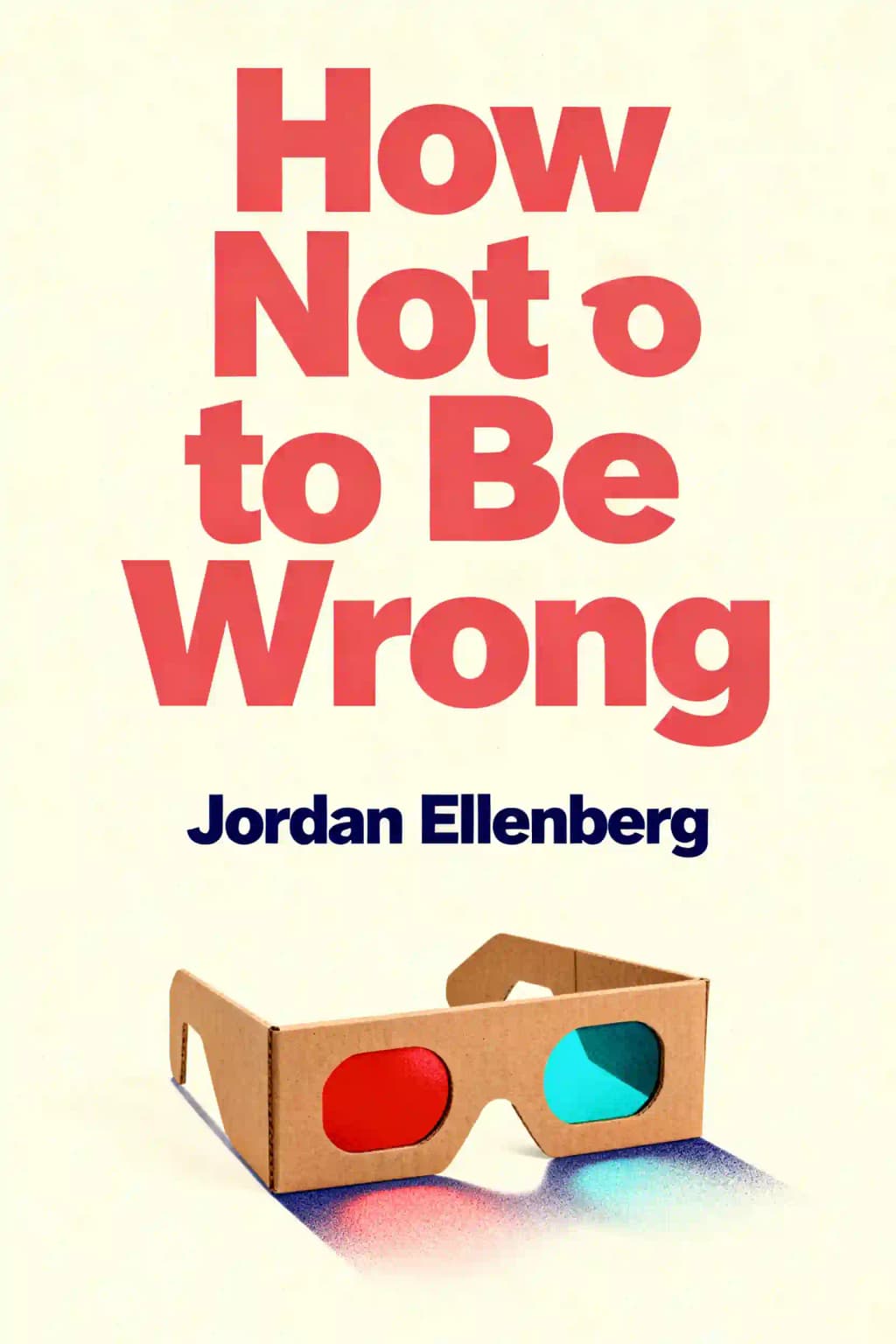
How not to be wrong: Die Kunst des mathematischen Denkens
Die verborgene Mathematik des Alltags
Überblick über How not to be wrong: Die Kunst des mathematischen Denkens
Entdecken Sie, warum Bill Gates diesen Bestseller als „einen Liebesbrief an die Mathematik“ bezeichnete. Ellenberg verwandelt mathematisches Denken in eine Superkraft für den Alltag und zeigt auf, wie Abraham Walds kontraintuitive Lösung für die Panzerung von Flugzeugen im Zweiten Weltkrieg die verborgene Brillanz verdeutlicht, die darin liegt, bessere Fragen zu stellen.
Kernthemen in How not to be wrong: Die Kunst des mathematischen Denkens
- mathematical reasoning
- survivorship bias
- nonlinear thinking
- statistical literacy
- applied common sense
Zitate aus How not to be wrong: Die Kunst des mathematischen Denkens
Mathematics is the extension of common sense.
Mathematics isn't about memorizing formulas-it's about developing X-ray vision.
The missing bullet holes told the real story.
The world rarely operates in straight lines.
Not every curve is a line.
Personen in How not to be wrong: Die Kunst des mathematischen Denkens
- Jordan EllenbergAuthor and professor of mathematics
- Abraham WaldMathematician who identified survivorship bias
- Arthur LafferEconomist who theorized the tax revenue curve
- Jude WanniskiJournal editor and advocate for the Laffer curve
Zusammenfassung von How not to be wrong: Die Kunst des mathematischen Denkens herunterladen
Erhalten Sie die How not to be wrong: Die Kunst des mathematischen Denkens-Zusammenfassung als kostenloses PDF oder EPUB. Drucken Sie es aus oder lesen Sie es jederzeit offline.





