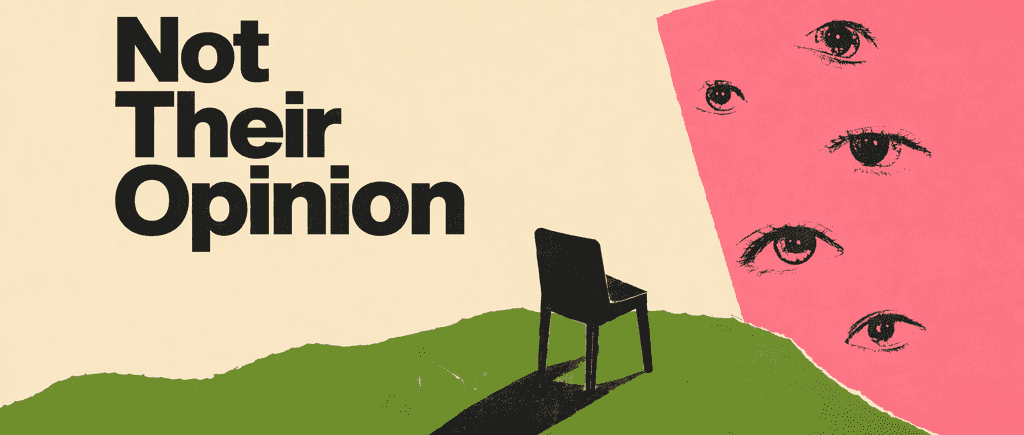
British broadcaster James O'Brien's journey from argumentative radio host to empathetic listener reveals why changing your mind isn't weakness but wisdom. Sparked by personal crisis and therapy, this bestseller challenges our tribalism in an increasingly divided world - the ultimate guide to intellectual humility.
James O’Brien, bestselling author of How to Be Right… in a World Gone Wrong, is a British journalist and award-winning LBC radio presenter renowned for his incisive political commentary and candid interviews. Known for dissecting societal divides and challenging ideological extremes, his work blends sharp analysis with accessible discourse on ethics, identity, and truth.
A philosophy and economics graduate of the London School of Economics, O’Brien began his career as a gossip columnist for the Daily Express before rising to prominence through his long-running LBC show, where his viral 2014 interview with Nigel Farage solidified his reputation for fearless dialogue.
His expertise extends to bestselling books like Loathe Thy Neighbour and the podcast Full Disclosure, featuring in-depth conversations with cultural icons and thought leaders. A frequent BBC Newsnight contributor, O’Brien’s Sony Radio Award-winning journalism combines intellectual rigor with populist appeal. How to Be Right… has been embraced as a modern guide to navigating polarizing debates, reflecting his two-decade career bridging media, politics, and public discourse.
How Not To Be Wrong explores how embracing intellectual humility and willingness to change one’s mind combats prejudice and societal division. Drawing on his radio career and personal therapy journey, O'Brien argues that childhood trauma often shapes harmful adult beliefs, particularly toxic masculinity. The book blends memoir, psychological insights, and social critique to advocate empathy over rigid thinking.
This book suits readers interested in self-improvement, societal polarization, and psychology. It’s valuable for those seeking to understand how personal history influences beliefs, or anyone navigating debates on topics like racial bias, transgender rights, or emotional vulnerability. Fans of O’Brien’s candid radio style will appreciate his introspective storytelling.
Yes, particularly for its honest examination of cognitive biases and how to overcome them. Critics praise its blend of personal vulnerability (like O’Brien’s school trauma) with actionable insights on reevaluating ingrained opinions. However, some find its tone overly combative, reflecting O’Brien’s debate-driven radio persona.
Key ideas include:
O’Brien critiques toxic masculinity as a byproduct of childhood trauma, arguing that boys taught to suppress emotions become adults who weaponize opinions. He ties this to broader societal issues like political divisiveness and violence, advocating emotional vulnerability as an antidote.
The book frames polarization as a failure to examine personal biases. O’Brien uses his radio show examples to demonstrate how listening, rather than debating, fosters mutual understanding. He stresses that clinging to “winning” arguments perpetuates echo chambers.
Some reviewers argue O’Brien’s approach lacks nuance, relying heavily on anecdotal evidence over structured analysis. Critics note his tone can veer into self-righteousness, mirroring the tribalistic thinking he condemns. However, most agree his personal transparency strengthens the message.
O’Brien dissects his own flawed beliefs, like past judgments about tattoos or obesity, linking them to unresolved childhood pain from strict upbringing and school abuse. These confessions illustrate how self-reflection enables growth.
Therapy taught O’Brien to trace his combative tendencies to childhood trauma, reshaping his approach to conflicts. He advocates therapy as a tool for unpacking biases and fostering empathy, both personally and societally.
Its themes remain urgent amid rising political extremism and AI-driven misinformation. The book’s emphasis on critical self-reflection offers a counterbalance to algorithmic echo chambers, making it a timely guide for navigating modern discourse.
Unlike formulaic guides, O’Brien blends raw memoir with societal critique, avoiding prescriptive advice. His focus on collective responsibility over individual success offers a fresh take on personal growth.
Erlebe das Buch durch die Stimme des Autors
Verwandle Wissen in fesselnde, beispielreiche Erkenntnisse
Erfasse Schlüsselideen blitzschnell für effektives Lernen
Genieße das Buch auf unterhaltsame und ansprechende Weise
It's only pain. It doesn't really hurt.
Winning became more important than being right.
I needed to become a better person.
Our discourse has become footballified.
Zerlegen Sie die Kernideen von How Not to Be Wrong in leicht verständliche Punkte, um zu verstehen, wie innovative Teams kreieren, zusammenarbeiten und wachsen.
Destillieren Sie How Not to Be Wrong in schnelle Gedächtnisstützen, die die Schlüsselprinzipien von Offenheit, Teamarbeit und kreativer Resilienz hervorheben.

Erleben Sie How Not to Be Wrong durch lebhafte Erzählungen, die Innovationslektionen in unvergessliche und anwendbare Momente verwandeln.
Fragen Sie alles, wählen Sie die Stimme und erschaffen Sie gemeinsam Erkenntnisse, die wirklich bei Ihnen ankommen.

Von Columbia University Alumni in San Francisco entwickelt
"Instead of endless scrolling, I just hit play on BeFreed. It saves me so much time."
"I never knew where to start with nonfiction—BeFreed’s book lists turned into podcasts gave me a clear path."
"Perfect balance between learning and entertainment. Finished ‘Thinking, Fast and Slow’ on my commute this week."
"Crazy how much I learned while walking the dog. BeFreed = small habits → big gains."
"Reading used to feel like a chore. Now it’s just part of my lifestyle."
"Feels effortless compared to reading. I’ve finished 6 books this month already."
"BeFreed turned my guilty doomscrolling into something that feels productive and inspiring."
"BeFreed turned my commute into learning time. 20-min podcasts are perfect for finishing books I never had time for."
"BeFreed replaced my podcast queue. Imagine Spotify for books — that’s it. 🙌"
"It is great for me to learn something from the book without reading it."
"The themed book list podcasts help me connect ideas across authors—like a guided audio journey."
"Makes me feel smarter every time before going to work"
Von Columbia University Alumni in San Francisco entwickelt

Erhalten Sie die How Not to Be Wrong-Zusammenfassung als kostenloses PDF oder EPUB. Drucken Sie es aus oder lesen Sie es jederzeit offline.
Have you ever noticed how fiercely we defend our opinions, even when evidence suggests we might be wrong? James O'Brien's exploration of intellectual humility strikes at the heart of our cultural moment. In a world increasingly defined by polarization and certainty, O'Brien offers something revolutionary: the freedom that comes with admitting you might be wrong. His journey began not through philosophical reflection but personal crisis-when someone he deeply loved became ill, he discovered his arsenal of certainties was worse than useless. It was actively harmful. He was preaching resilience when what they needed was genuine understanding and proper medical support. For much of his life, O'Brien operated under the delusion that absolute self-confidence would make the world bend to his will. This weaponized resilience-the refusal to yield, to question, to doubt-wasn't the asset he imagined but a dangerous liability preventing genuine growth. Our discourse has become "footballified"-we judge actions not by merit but by which "team" performs them. This tribal mentality makes changing positions nearly impossible. How can you admit error when your entire identity is wrapped up in being on the "right side"?