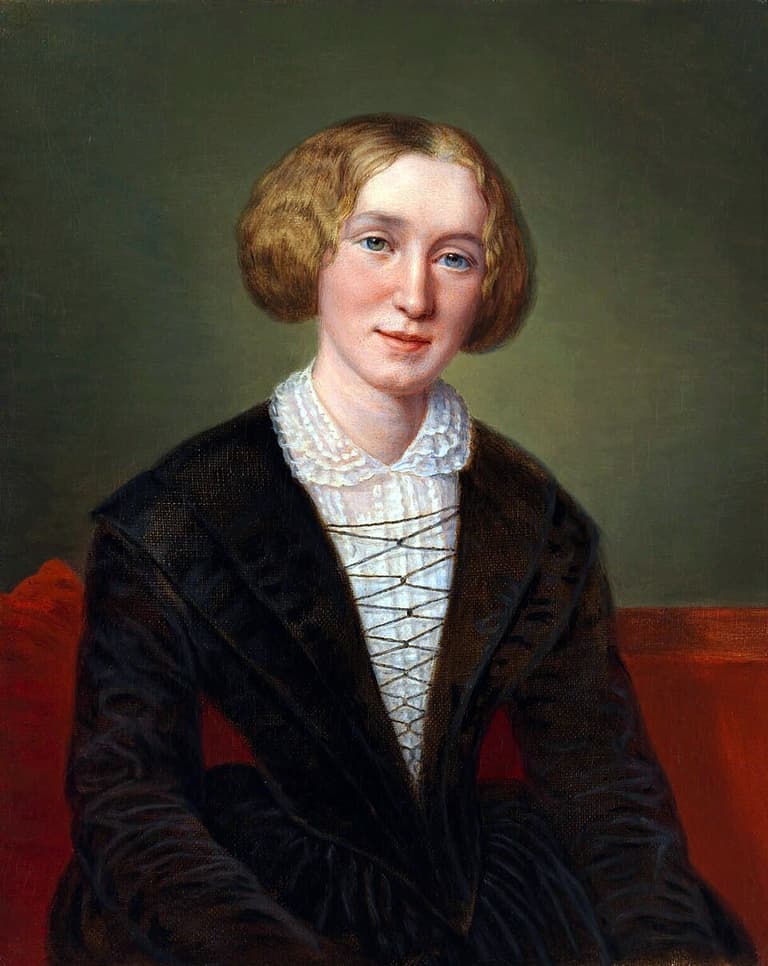
George Eliot
Geboren: November 22, 1819 – Arbury, Warwickshire, England
George Eliot was the pen name of Mary Ann Evans, an English Victorian novelist, poet, and journalist known for psychologically rich fiction exploring morality, society, religion, and provincial life. Her major works include Middlemarch, The Mill on the Floss, Silas Marner, and Adam Bede; Middlemarch is often cited among the greatest English novels.
Biografie & Werdegang des Autors
George Eliot, the pen name of Mary Ann Evans, was born on November 22, 1819, in rural Warwickshire, England, and grew up in a household shaped by practical discipline, Protestant seriousness, and close observation of provincial life. Although her formal schooling was limited compared with that of many male contemporaries, she educated herself intensely through reading, languages, music, and wide intellectual inquiry. After her mother’s death and her father’s retirement, she moved to Coventry, where she entered a freethinking circle that widened her interests beyond conventional religion. That period marked a decisive turning point: she moved from piety toward rigorous moral and philosophical questioning, and from private study toward public intellectual work.
Zitate

Das Könnte Dir Auch Gefallen


Beliebte Bücher
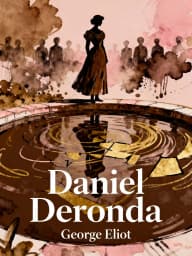
Daniel Deronda
George Eliot
A thought-provoking exploration of identity, morality, and Jewish culture in Victorian England through intertwining love stories.

Middlemarch (George Eliot).
George Eliot
Provincial lives intertwine as idealism meets reality in Victorian England.
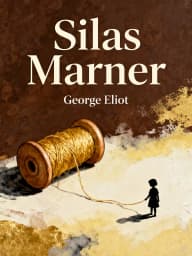
Silas Marner
George Eliot
A poignant tale of redemption and love, as a reclusive weaver's life is transformed by an orphaned child.
Daniel Deronda
George Eliot
A thought-provoking exploration of identity, morality, and Jewish culture in Victorian England through intertwining love stories.
Middlemarch (George Eliot).
George Eliot
Provincial lives intertwine as idealism meets reality in Victorian England.
Silas Marner
George Eliot
A poignant tale of redemption and love, as a reclusive weaver's life is transformed by an orphaned child.
Mehr entdecken

Oxford Greats: The 19th-Century Novel
This learning plan offers a deep dive into the socio-political forces that shaped the Victorian era's most enduring literary works. It is ideal for literature students, history buffs, and readers looking to understand the intersection of industrial trauma and identity politics.

Jane Eyre: Rebel, Slave, Equal
This plan is essential for literature students and readers seeking a deep dive into Bronte’s feminist masterpiece. It provides a structured analysis of Jane’s evolution from a repressed orphan to a self-actualized woman in a marriage of equals.

The Evolution of Romantic Escapism
This learning plan is essential for aspiring writers and literary enthusiasts who want to understand the psychological and historical drivers of the romance genre. It offers a comprehensive journey from classic foundations to the high-stakes worlds of modern subgenres, making it perfect for anyone looking to master the art of romantic storytelling.

The Oxford Victorian Syllabus
This syllabus bridges the gap between rigorous academic discourse and historical literary analysis. It is ideal for students or literature enthusiasts seeking to master the Oxford-style debate while exploring the socio-economic forces of the Victorian era.

Enjoy romance novels
Romance is the highest-selling fiction genre worldwide, offering readers emotional journeys, relationship insights, and diverse perspectives on love. This learning plan helps both newcomers and seasoned readers develop a deeper appreciation for romance literature's craft, evolution, and cultural significance.
Adult fiction with intimacy
This learning plan is designed for adult readers seeking to deepen their understanding and appreciation of intimate fiction beyond surface-level entertainment. Whether you're a romance enthusiast wanting to explore more complex narratives, a book club member seeking thoughtful discussion material, or simply curious about why passionate fiction has become a dominant literary force, this structured approach guides you through the genre's most influential works and themes.

Female authors
This learning plan provides essential knowledge for anyone seeking to understand the vital contributions of women to world literature and feminist thought. It's particularly valuable for students of literature, gender studies, and cultural history, as well as readers who want to broaden their literary perspectives beyond traditionally male-dominated canons. By exploring both historical pioneers and contemporary voices, learners gain insight into how women writers have shaped—and continue to shape—our cultural conversations about identity, equality, and human experience.

The Road to Canterbury
This plan provides a comprehensive deep dive into the literary architecture and social commentary of medieval England. It is ideal for literature students and history buffs looking to understand how satire and genre were used to challenge the power of the Church and nobility.
Stimmen der Community
"George Eliot showed that there is nothing that is closed"
— Henry James
"George Eliot is widely recognized as one of the most important writers of the nineteenth century"
— Poetry Foundation
"You see, it was really George Eliot who started it all... It was she who started putting all the action inside"
— D. H. Lawrence
"George Eliot is an author whom dilatory writers can point to with some optimism"
— Rebecca Mead
"George Eliot's artistic virtues - humanity, honesty, seriousness - are more necessary than ever"
— The Guardian
"George Eliot was "the greatest living novelist."
— Ivan Turgenev
"George Eliot was an English Victorian novelist who developed the method of psychological analysis characteristic of modern fiction"
— Britannica
"George Eliot was hailed at the zenith of her career as the greatest living English novelist"
— The Independent