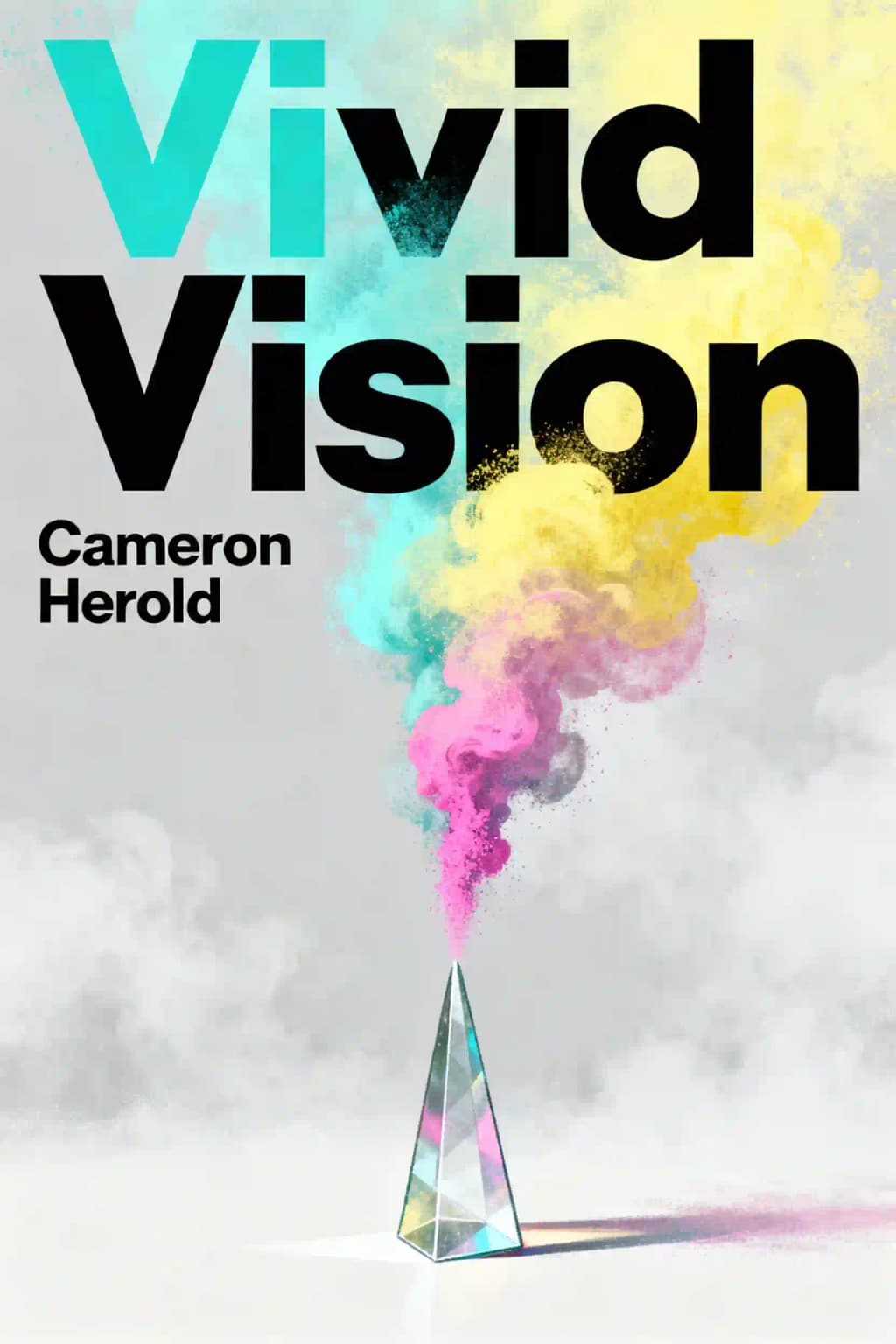
What is Vivid Vision by Cameron Herold about?
Vivid Vision by Cameron Herold is a business strategy guide that teaches leaders how to create detailed, three-year roadmaps for their companies. Unlike traditional mission statements, Vivid Vision requires CEOs and business owners to describe in vivid detail what their organization will look, feel, and act like three years into the future, covering every aspect from marketing and operations to culture and customer experience, without focusing on how to achieve each goal.
Who should read Vivid Vision by Cameron Herold?
Vivid Vision by Cameron Herold is essential reading for CEOs, entrepreneurs, business owners, and senior managers who want to align their teams around a shared future. The book is particularly valuable for leaders struggling to communicate their vision effectively, those scaling their businesses, and anyone who finds traditional mission statements too generic or uninspiring. It's also useful for individuals applying strategic planning to personal goals.
Is Vivid Vision by Cameron Herold worth reading?
Vivid Vision by Cameron Herold is worth reading for leaders seeking a practical, actionable alternative to vague mission statements. The book is concise at under 200 pages, cutting straight to the point without consultant jargon. Readers appreciate its straightforward approach, real-world examples from successful companies, and the fact that it provides a clear, implementable framework rather than abstract theory, making it immediately applicable to any business.
Who is Cameron Herold and why is he credible?
Cameron Herold is a business growth expert and entrepreneur known as "The CEO Whisperer" who claims to have helped build three companies to over $100 million in revenue. He is the creator of the COO Alliance and a sought-after speaker for organizations like Young Presidents' Organization and Entrepreneurs' Organization. Herold developed the Vivid Vision methodology based on athletic visualization techniques learned from Olympic coaches, applying mental imagery concepts to business success.
What is a Vivid Vision according to Cameron Herold?
A Vivid Vision according to Cameron Herold is a detailed, three-page written document that describes what a company will look like, feel like, and act like three years into the future. Unlike one-sentence mission statements, it provides an immersive, three-dimensional description covering every business aspect—marketing, finance, operations, culture, and customer service. The vision focuses on the destination, not the roadmap, creating emotional connection and clarity that unites teams around a shared future.
How is a Vivid Vision different from a mission statement?
A Vivid Vision differs from traditional mission statements by providing detailed, immersive descriptions rather than brief, generic phrases. While mission statements typically fit on a business card with vague goals, Vivid Vision by Cameron Herold spans three pages and vividly describes the company's future state across all departments. It emphasizes emotional engagement and specific details about how the business will operate, creating a tangible roadmap that inspires action rather than just decorating office walls.
What is the process for creating a Vivid Vision?
The process for creating a Vivid Vision involves stepping away from daily routines to a distraction-free environment, preferably in nature. Cameron Herold recommends starting with mind-mapping on paper, organizing thoughts across business areas like marketing, IT, finance, operations, and culture. After brainstorming, write a rough draft describing the three-year future, then refine it with professional editing help. Finally, incorporate visual design elements to make the document engaging and reflective of company brand.
How long should a Vivid Vision document be?
A Vivid Vision document should be approximately three pages or four to five pages in length according to Cameron Herold. The length is intentional—long enough to provide vivid, detailed descriptions of every business aspect three years into the future, yet concise enough to remain engaging and memorable. Unlike lengthy strategic plans filled with data, Vivid Vision by Cameron Herold focuses on descriptive narrative that paints a clear picture without getting bogged down in numbers or implementation details.
How should you share a Vivid Vision with your team?
Cameron Herold recommends sharing a Vivid Vision with employees in person, providing everyone with a hard copy. Have the team read the document aloud together to foster engagement and shared understanding. Observe reactions to identify who aligns with the vision and who may not fit the future direction. Review the Vivid Vision quarterly, highlighting achieved milestones and ongoing projects. Wait at least one quarter before sharing externally with customers, suppliers, and media.
What are examples of successful Vivid Visions in the book?
Vivid Vision by Cameron Herold includes several real-world examples, including the COO Alliance City Forums, which details goals for culture, membership, and events. BlueGrace Logistics outlines ambitious targets for revenue, employee engagement, and market presence. Fish Marketing focuses on company culture, client relationships, and financial objectives. The book also features Cameron Herold's personal Vivid Vision, demonstrating how the framework applies beyond business to individual life goals and personal development.
What are the main benefits of creating a Vivid Vision?
The main benefits of creating a Vivid Vision include achieving ultra-clarity that unites everyone around a single future narrative, creating emotional connection that aligns team values and ignites passionate commitment. Vivid Vision by Cameron Herold helps attract the right employees, customers, and suppliers who resonate with the vision while naturally repelling those who don't fit. It provides reverse-engineering opportunities, working backward from the end goal to determine necessary daily actions and decisions.
What are the criticisms of Vivid Vision by Cameron Herold?
While Vivid Vision by Cameron Herold receives positive reviews for its practicality and conciseness, some critics note the approach may oversimplify complex strategic planning and assumes leaders have clear foresight three years ahead. The methodology relies heavily on the CEO's individual vision, which could limit collaborative input from diverse team perspectives. Additionally, some readers find the concept fairly common-sensical and question whether it justifies a full book rather than a comprehensive article or workshop format.