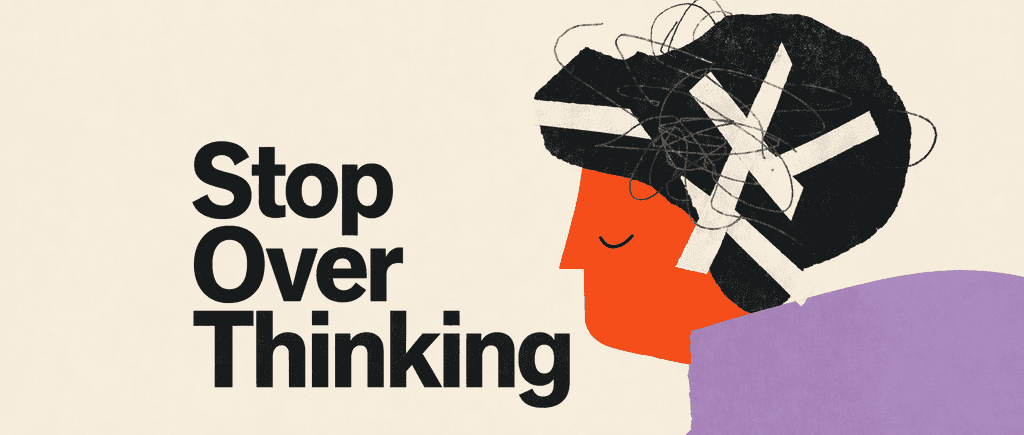
Discover why anxiety experts call "The Worry Trick" essential reading. Carbonell reveals how your mind mistakes uncertainty for danger, creating a self-perpetuating cycle. What if fighting your worries actually strengthens them? Learn the counterintuitive approach that's transforming anxiety treatment worldwide.
Feel the book through the author's voice
Turn knowledge into engaging, example-rich insights
Capture key ideas in a flash for fast learning
Enjoy the book in a fun and engaging way
Break down key ideas from The Worry Trick into bite-sized takeaways to understand how innovative teams create, collaborate, and grow.
Distill The Worry Trick into rapid-fire memory cues that highlight Pixar’s principles of candor, teamwork, and creative resilience.

Experience The Worry Trick through vivid storytelling that turns Pixar’s innovation lessons into moments you’ll remember and apply.
Ask anything, pick the voice, and co-create insights that truly resonate with you.

From Columbia University alumni built in San Francisco

Get the The Worry Trick summary as a free PDF or EPUB. Print it or read offline anytime.
A businessman sits in his car outside the supermarket, heart racing, palms sweating. He knows he should go inside-his family needs groceries-but the familiar dread is building. He starts the engine and drives home, feeling immediate relief wash over him. Problem solved, right? Not quite. What he doesn't realize is that this moment of relief just made his anxiety significantly worse. This is the worry trick in action: the very solutions we reach for when anxious are precisely what trap us in cycles of fear. Anxiety disorders affect roughly 45 million Americans, yet most people misunderstand what keeps these conditions alive. It's not the initial fear that's the problem-it's our response to it. We've been taught to fight anxiety, control it, eliminate it. But what if everything we've learned about managing fear is backwards? What if our desperate attempts to feel better are actually the engine driving our suffering? Here's the foundational mistake that fuels every anxiety disorder: we treat uncomfortable feelings as if they signal genuine danger. Your heart races during a presentation, and your mind screams "heart attack!" You feel dizzy in a crowded mall, and you're convinced you'll faint and humiliate yourself. A worrying thought pops up about your child's safety, and suddenly you're catastrophizing about every possible disaster. This confusion triggers what seems like a reasonable response-protect yourself. Leave the store. Cancel the presentation. Check on your child for the fifteenth time today. And here's where things get cruel: these protective actions work beautifully in the short term. You feel immediate relief. Your anxiety drops. But you've just taught your brain a devastating lesson: that situation truly was dangerous, and only your quick escape saved you. Consider someone with panic disorder who feels their heart racing in a grocery store and rushes out. The relief they feel reinforces a false narrative-that the store posed a genuine threat and leaving was necessary for survival. Each repetition strengthens this belief. Soon, just thinking about grocery stores triggers anxiety. The feared territory expands while their world contracts. This isn't weakness or irrationality-it's your brain doing exactly what evolution designed it to do. Our ancestors who mistook a rustling bush for a predator and ran unnecessarily lived to reproduce. Those who assumed the rustling was harmless occasionally became lunch. We're descended from the cautious ones, which means our brains naturally prioritize false alarms over missed threats. Some people simply inherited more sensitive alarm systems, causing them to experience more frequent false alerts in situations that pose no real danger.