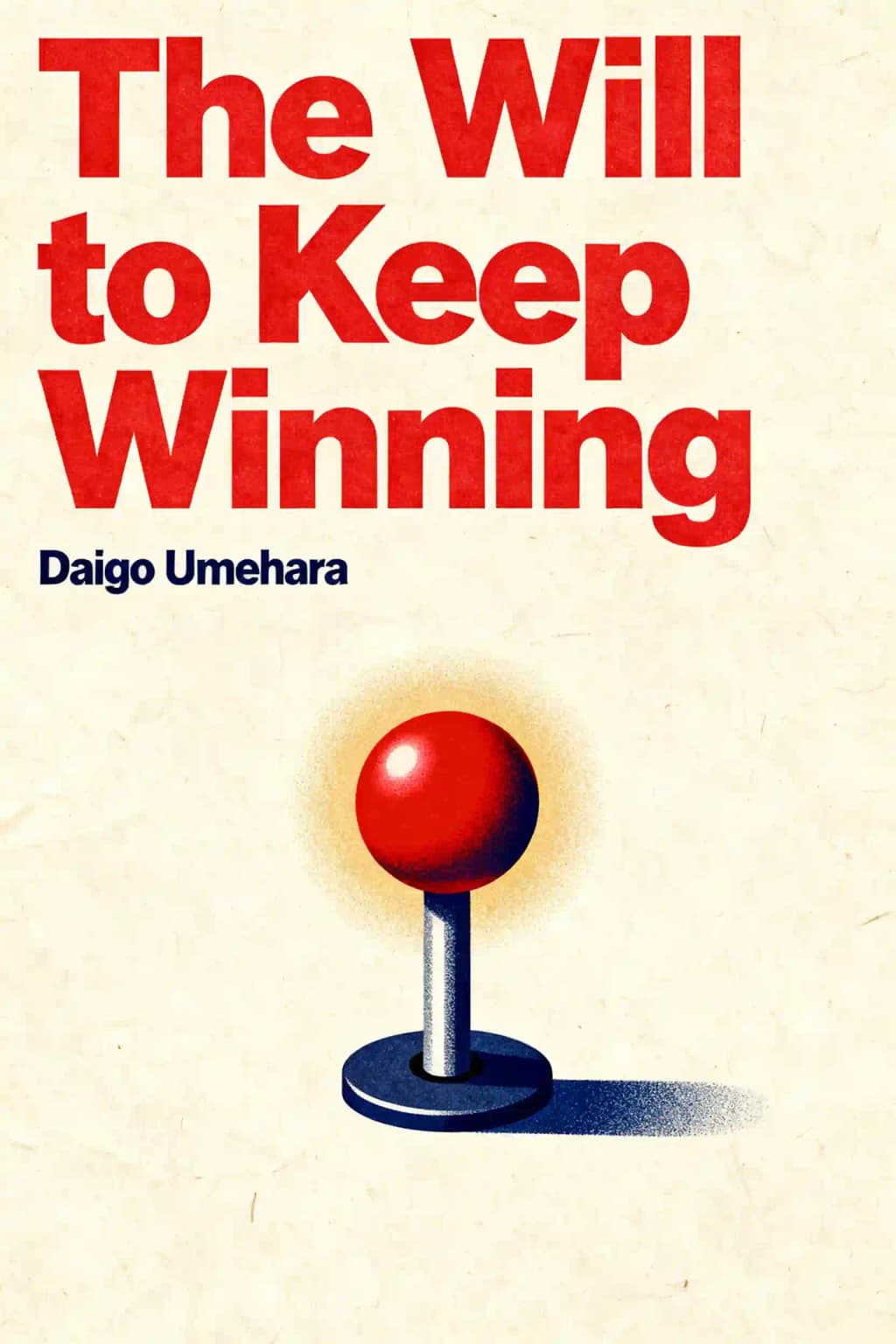
What is The Will to Keep Winning by Daigo Umehara about?
The Will to Keep Winning is an autobiography by professional Street Fighter champion Daigo Umehara that explores his journey from childhood gamer to world-renowned eSports competitor. The book reveals his philosophy that sustained excellence requires persistence, continuous growth, and quality practice over innate talent. Umehara shares personal struggles with doubt, isolation, and burnout while offering lessons on maintaining long-term success through sustainable routines and embracing failure as a growth opportunity.
Who is Daigo Umehara and why is he significant?
Daigo Umehara, known as "The Beast," is one of the most successful professional fighting game players in history and a pioneer of competitive eSports. He specializes in 2D arcade fighting games, particularly the Street Fighter series, and has maintained championship-level performance for decades. His significance extends beyond gaming achievements—he blazed the trail for professional gaming when it was not yet recognized as a viable career path.
Who should read The Will to Keep Winning?
The Will to Keep Winning is ideal for anyone seeking sustainable success in any field, not just gaming. The book appeals to competitive individuals, professionals facing career challenges, and those struggling with burnout or stagnation. Readers interested in eSports culture, personal development through adversity, and mindset mastery will find Umehara's candid storytelling both relatable and inspiring, as his principles of persistence and quality practice transcend gaming.
Is The Will to Keep Winning worth reading?
The Will to Keep Winning offers valuable insights on persistence, sustainable excellence, and growth mindset that apply across disciplines. Readers praise Umehara's honest vulnerability about confidence lapses and his emphasis on effort over talent, though some find the middle sections repetitive with self-help style redundancy. The book is worth reading if you value authentic stories about mastery requiring "back-breaking amounts of work" rather than natural talent alone.
What is Daigo Umehara's philosophy on winning versus keeping winning?
Daigo Umehara distinguishes between achieving a single victory and maintaining excellence over time, arguing they require fundamentally different mindsets. He believes that fixating on winning actually hinders long-term success, stating "If you're fixated on winning, you'll be incapable of doing so consistently." Instead, Umehara advocates focusing on continuous personal growth and process rather than results, emphasizing that sustainable success comes from letting go of outcome obsession and embracing constant self-challenge.
What does "happiness of sixty" mean in The Will to Keep Winning?
The "happiness of sixty" is Daigo Umehara's concept of aiming for moderate, sustainable satisfaction rather than extreme highs or lows. This philosophy promotes maintaining a balanced level of contentment—around 60% on a scale—to preserve long-term motivation without burning out. The concept reflects Umehara's broader emphasis on sustainability over intensity, encouraging practitioners to develop routines and emotional states they can maintain for years rather than pursuing unsustainable peaks of achievement.
What are the main lessons from The Will to Keep Winning about practice and effort?
The Will to Keep Winning emphasizes that effort must be sustainable for a decade or more, warning against overworking to exhaustion. Umehara prioritizes quality over quantity, advocating for meaningful, focused practice sessions rather than maximum hours—he practices nearly every day but maintains moderation and flexibility. Key lessons include breaking big goals into daily improvements, setting maintainable routines, and balancing dedication with socializing and rest to avoid burnout while achieving mastery.
How does Daigo Umehara handle failure and setbacks in The Will to Keep Winning?
Daigo Umehara views failure as essential for growth, treating mistakes and losses as learning opportunities rather than defeats. He resists self-pity and excuse-making, instead analyzing what he can control and change after setbacks. Even during his lowest points—including quitting games and mahjong—Umehara rebuilt confidence by embracing discomfort and working through adversity, demonstrating that confronting failure directly is necessary for real progress and sustained excellence.
What are the best quotes from The Will to Keep Winning and their meanings?
- "I don't just want to win, I want to keep winning, to stay on top of my game" captures the book's central theme of sustained excellence over fleeting victory.
- "If you're fixated on winning, you'll be incapable of doing so consistently" warns that result obsession undermines long-term performance.
- "The only way I can succeed is through persistence and hard work" underscores Umehara's belief that effort and resilience form the foundation of achievement.
- Miyamoto Musashi's quote "You must understand that there is more than one path to the top of the mountain" emphasizes multiple valid approaches to mastery.
How can The Will to Keep Winning by Daigo Umehara be applied outside gaming?
The Will to Keep Winning's principles of persistence, embracing failure, and continuous self-improvement apply universally to sports, business, art, and personal development. Umehara's emphasis on building sustainable habits, maintaining incremental progress, and practicing moderation translates to anyone seeking long-term professional success. His journey encourages readers to pursue passions despite societal criticism and adapt to change—valuable mindsets for rapidly evolving industries and life transitions beyond competitive gaming.
What are the criticisms of The Will to Keep Winning?
Critics note that The Will to Keep Winning becomes repetitive in its middle sections, falling into the "typical self-help trap" where ideas recycle without adding new value. Some readers find it "frankly very boring" and wish it would end sooner, as Umehara restates concepts about winning and persistence in numerous different ways. Others point out that achieving similar results would require starting years earlier—Umehara's unique position as a pioneer means his philosophy thrives in context that others cannot replicate.
What does The Will to Keep Winning teach about innovation and strategy?
The Will to Keep Winning advocates seeking uncharted territory by going beyond conventional strategies and constantly searching for new techniques. Daigo Umehara refuses to rely on easy wins or "cheap" tactics, preferring to develop skills that cannot be easily imitated by others. He emphasizes continuous adaptation in both gameplay and personal mindset, choosing to compete in the most popular and challenging games against the strongest opponents to push his limits and force constant growth.