Chapter 1
When Love and Magic Collide: A Tale of Forbidden Destiny
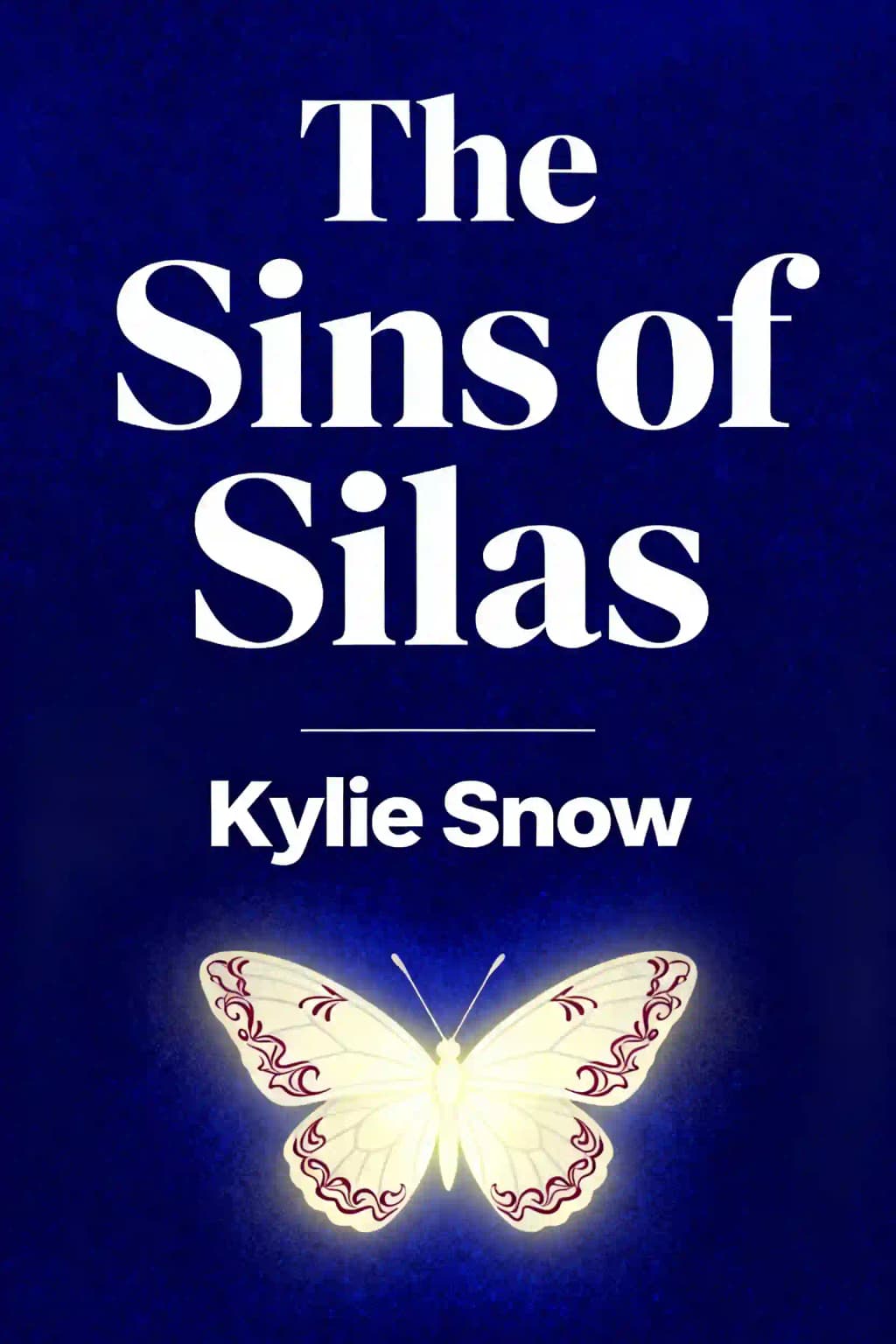
In a world where magic is feared and hunted, two souls from opposite sides of a deadly conflict find themselves inexorably drawn together. "The Sins of Silas" by Kylie Snow has captivated readers worldwide with its blend of dark fantasy, forbidden romance, and political intrigue. This book has become a TikTok sensation, with countless creators praising its complex characters and emotional depth. Even celebrities like Emma Roberts have been spotted with a copy, cementing its status as one of the most talked-about fantasy romances of recent years. What makes this story so compelling is how it challenges us to question whether love can truly transcend hatred, prejudice, and the sins of our past.
Chapter 2
A Kingdom Divided by Magic and Power
The world of Tovagoth stands deeply fractured by an ancient and fundamental divide: those blessed - or cursed - with magical abilities, and those without. For generations, the prosperous kingdom of Otacia has systematically persecuted magical beings, driven by a complex mixture of fear, jealousy, and religious doctrine that portrays magic users as abominations against the natural order. Mages, instantly recognizable by their distinctive pointed ears and ethereal presence, bear the heaviest burden of this persecution. They face not only official sanctions but also mob violence, witch hunts, and public executions that have become grotesque spectacles in Otacian cities.
Prince Silas, grimly known throughout the realm as the "Witch Slayer," has carved his reputation through years of merciless service to his father, King Ulric. His campaigns against magical beings have left a trail of devastation across the kingdom - burning villages that harbored Mages, conducting midnight raids on suspected magical gatherings, and personally executing hundreds of magic users in the name of maintaining order. Yet beneath his ruthless exterior lies a man haunted by doubt and unspoken regrets.
Five years before our story begins, Silas's world shattered when Lena - the woman who had begun to soften his heart - was seemingly burned to death in a magical attack on the palace. He believed this to be an act of vengeance from the magical community, a direct response to his brutal campaigns. This tragedy left him with both physical and psychological scars, including a prominent facial wound inflicted by King Ulric himself when Silas dared to publicly mourn her death. "Every time you see your imperfect flesh," his father had sneered during that infamous court gathering, "remember how much of a disappointment you really are." The incident became whispered legend throughout Otacia, a testament to the king's ruthlessness even toward his own blood.
Unknown to Silas, Lena survived and thrives in Ames - a hidden sanctuary for magical beings nestled in the misty valleys beyond Otacia's reach. She is a powerful Mage who had carefully concealed her pointed ears during their relationship using both magical glamours and elaborate hairstyles. Their paths are destined to intersect again as both become entangled in a conflict that threatens to tear apart the fabric of their world - a complex web involving forbidden necromantic arts, ancient prophecies written in forgotten languages, and capricious gods who walk among mortals pursuing their own inscrutable agendas.
The true complexity of Tovagoth's magical ecosystem reveals itself gradually through the characters' journeys. Beyond the persecuted Mages, there exist Warlocks who can shift their forms at will, empathic beings who can read and manipulate emotions, and elementalists who command the very forces of nature. This rich tapestry of magical beings exists in a precarious balance, with some kingdoms like Otacia hunting them ruthlessly while others - such as the mysterious island nation of Lysandra - offer sanctuary, though often through elaborate networks of secret passages and hidden communities. The political landscape reflects this division, with some rulers maintaining public hostility toward magic while secretly employing magical advisors, creating a world of dangerous duplicity and complex loyalties.
Chapter 3
Star-Crossed Lovers: Silas and Lena
At the heart of this story is the relationship between Silas and Lena-a love that began in secret years ago and continues to haunt them both. Their first encounter happened when Silas's mother granted him one day of freedom outside the castle walls with a spell making him invisible to guards. Using the name "Quill" to hide his identity, he met Lena in the Outer Ring of Otacia. Their relationship blossomed through weekly training sessions where they practiced combat together, eventually falling deeply in love.
What Silas never knew was that Lena was a Mage-one of the very beings he was raised to hunt. She had concealed her pointed ears during their time together, afraid of his reaction. When King Ulric ordered the execution of all Mages, Lena was forced to flee, pregnant with Silas's child. Tragically, she later miscarried, a loss that awakened her fire magic through her grief.
When they meet again years later, both have changed profoundly. Silas has married Princess Erabella of Halsted in a political alliance, while Lena has become the Supreme of Ames, a leader of magical beings. Their reunion is complicated by lingering feelings, new relationships, and the weight of their shared and separate traumas.
"I hate how badly I crave you," Lena confesses during one of their encounters. "I hate that I will always compare every lover to you and come up short-handed." Silas responds with equal passion: "I haven't known happiness since you left my life... How can't you comprehend how desperately I desire you?"
Their love story is not a simple romance but a complex exploration of how people can hurt each other despite their best intentions. Both have experienced profound trauma-Silas at the hands of his father and Lena through loss and persecution-yet they continue to find their way back to each other, even when circumstances and their own choices pull them apart.
Chapter 4
The Burden of Leadership and Sacrifice
Both Silas and Lena carry the weight of leadership and the sacrifices it demands. Silas must navigate his role as prince while secretly working against his father's regime, knowing that any misstep could mean death for himself and those he's trying to protect. Lena shoulders the responsibility of leading the Mages of Ames, making difficult decisions that affect her entire community.
Their journey takes them across multiple kingdoms as they seek allies against the growing threat of the necromancer and his Undead army. In Forsmont, they discover King Leroy and his people are actually Warlocks living under glamour, hiding their true nature from the world. This revelation challenges Silas's worldview further-these beings he was raised to hate have built a functioning society with checks and balances unlike the tyranny of his father's rule.
In Faltrun, they uncover a horrific truth: hundreds of Mages imprisoned and enslaved rather than being turned over to Otacia as promised. The rescue mission succeeds but at a terrible cost-including the death of a young Mage girl named Saoirse who had formed a bond with Silas. Her loss affects him deeply, adding to his determination to create a world where magical beings can live freely.
The theme of sacrifice permeates the story. Lena sacrifices her memories of Silas to escape the pain of their impossible situation. Silas sacrifices his safety by revealing his scarred back to his companions, a physical manifestation of his father's cruelty. And ultimately, both are willing to sacrifice their lives for their cause and for each other.
As Silas tells Lena: "The only reason I am married to her is because you took Lena away from me. Because you all made me believe she was dead." This statement encapsulates the tragic nature of their circumstances-choices made based on incomplete information that led to years of unnecessary suffering.
Chapter 5
Trauma and Healing: The Path to Redemption
Perhaps the most powerful aspect of this story is its unflinching examination of trauma and the long, difficult path toward healing. Silas carries not only the physical scars of his father's abuse but also the psychological wounds of having been repeatedly raped as punishment for showing affection toward Roland. "I buried the real me so deep I wasn't sure he existed anymore," he confesses, "until I saw Lena again."
Lena bears her own traumas-the loss of her child, sexual assault by a man named Rurik, and the constant fear of discovery and persecution. These experiences have shaped her into a fierce protector of her people, but they've also left her struggling with intimacy and trust.
The healing process for both characters isn't linear or simple. It comes through moments of vulnerability, like when Silas finally reveals his scarred back to Lena in the cabin, or when Lena admits her fears about intimacy to Roland. It comes through connections with others-Silas forming a bond with the orphaned Saoirse, Lena reconnecting with her father Waylon after years of separation.
Redemption is a central theme, particularly for Silas who must reckon with his past as the Witch Slayer. When confronted about his history of violence against magical beings, he doesn't deny it but instead commits to creating a different future. "I killed so many of your kind...I killed my grandfather," he laments to Lena after learning the truth about his family. Yet despite his past, he finds forgiveness from unexpected sources-including Torrin, whose mother was tortured on Silas's orders.
This journey toward healing isn't just personal but collective. The various kingdoms must confront their own complicity in systems of oppression and decide whether to perpetuate them or work toward a more just society.
Chapter 6
The Web of Relationships: Love in Its Many Forms
While Silas and Lena's relationship forms the emotional core of the story, a rich tapestry of other relationships adds depth and complexity to the narrative landscape. Roland, once Silas's closest friend and brief lover before the King's brutal punishment that left him scarred both physically and emotionally, develops unexpected feelings for Lena - creating a delicate triangle of past and present connections. Torrin Brighthell, the charismatic rebel leader who helped Lena escape from the King's dungeons and later became her lover during their time in the Shadowlands, still harbors deep feelings for her that manifest in subtle glances and unspoken words. Merrick, an Empath whose ability to read emotions makes him uniquely attuned to others' feelings, finds himself inexplicably drawn to Erabella despite her marriage to Silas - a situation that forces all three to confront uncomfortable truths about love's unpredictable nature.
These relationships aren't portrayed as simple rivalries or romantic triangles but as genuine connections with their own value and meaning. When Roland asks if Silas will hate him forever during their confrontation in the moonlit gardens of Blackspire Keep, the question hangs heavy with their complicated history - years of friendship, betrayal, and unresolved feelings. When Torrin confronts Silas about Lena in the war council chamber, their conversation reveals mutual respect despite their competition for her affections, acknowledging that love isn't about ownership but about wanting what's best for the beloved.
The story also explores different forms of love beyond romance, weaving a complex web of emotional bonds. There's the fierce parental love of Waylon for Lena, shown through his sacrifice of his magic to protect her from the King's hunters. The unshakeable sibling bond between Merrick and Elowen demonstrates how family ties can survive even magical corruption. The found family created among the group of travelers - forged in the fires of shared dangers and midnight conversations around campfires - shows how chosen families can be as strong as blood ties. Even King Leroy's devastating grief for his wife Emma, killed during the battle for Forsmont, highlights how love transcends the boundaries between different magical beings, proving that even villains are capable of deep attachment.
Perhaps most poignantly, there's the relationship between Silas and Saoirse, the young Mage girl who approaches him in the refugee camp with innocent directness, asking if he'll be her new daddy since her parents "went to Elysium." Despite his initial resistance and belief that he'd be "a shit father" - shaped by his own traumatic childhood - Silas forms a protective bond with her, teaching her simple magic tricks and telling her bedtime stories. This makes her death during the Shadow Court's attack all the more devastating when it comes, marking a turning point in Silas's character development and his understanding of love's cost.
These interconnected relationships create a narrative tapestry where love - in all its forms - becomes both a source of vulnerability and strength, complicating decisions but also providing the motivation to fight for a better world. Through these various bonds, the story explores how love can be both healing and harmful, both a shield and a sword, both a comfort and a burden - but always a transformative force that shapes the characters' choices and ultimate destinies.
Chapter 7
Divine Intervention: Gods Among Mortals
As the story progresses, a deeper mythological layer emerges. We learn about the gods of this world: Ravaiana (life), Valor (death), Celluna (love), Tithara (wisdom), and Azrae (vengeance/justice). What begins as religious background gradually becomes central to the plot as we discover that these gods are not distant figures but active participants in current events.
The most shocking revelation comes when we learn that King Ulric is actually the God of Deceit, born from Valor's sin of breeding with a mortal woman. This explains his necromantic powers and his ability to control the Undead army that threatens the realm. Even more startling is the discovery that Lena herself is the daughter of Azrae, the God of Vengeance-she is the Goddess of Purification, the weapon that can stop Ulric's plans.
These divine connections are foreshadowed throughout the story in subtle ways. The animal symbols on the Otacian crest correspond to four new gods mentioned in prophecy: The God of Deceit (spider), The Goddess of Sacrifice (pelican), The God of Rebirth (phoenix), and The Goddess of Purification. The paintings titled "Rebirth" and "Purification" in Temple Celluna hint at these divine figures and their roles in coming events.
The involvement of gods adds an epic dimension to what might otherwise be a more contained political conflict. It suggests that the struggles of our protagonists are part of a larger cosmic pattern, with implications far beyond their immediate circumstances. As Immeron puts it when discussing the prophecies with Lena, they're all "pawns in a very complicated game."
This divine element also connects to the theme of destiny versus choice. Are Silas and Lena drawn together solely by their own feelings, or is there a greater purpose to their connection? The revelation that they are Soul-Ties-a rare magical bond-suggests their relationship may serve a purpose beyond personal happiness.
Chapter 8
The Price of Power: Magic and Its Consequences
Magic in this world operates as a complex force governed by strict rules, limitations, and far-reaching consequences. Different magical disciplines demand unique sacrifices, each with its own set of risks and drawbacks. Lena's mastery of teleportation magic exemplifies this - while powerful, each use completely depletes her magical reserves, leaving her vulnerable for hours afterward. Similarly, Dani's impressive ability to shapeshift into a sea dragon comes at the cost of severe physical exhaustion, often requiring days of recovery for major transformations. Memory manipulation spells like "Oblivisci" demonstrate the ongoing cost of magic, requiring careful monthly maintenance to prevent dangerous degradation of the enchantment.
The relationship between power and sacrifice becomes even more pronounced with advanced magic. When Ryia, operating as Kayin, employs blood magic to access young Torrin's telepathic abilities, she creates an unbreakable psychic bond - a permanent consequence that affects both parties for life. The controversial "Coniungere" spell, enabling communication with the partially Undead Kayin, represents magic operating in ethically gray areas. Its absence from standard magical texts and its classification as a siphoning spell hints at its forbidden nature and the dangerous knowledge required for its use.
This carefully balanced system creates a world where magical prowess isn't simply determined by raw power or talent, but by one's willingness to accept and manage consequences. Practitioners must constantly weigh the benefits against both immediate and long-term costs. Minor healing spells might cause temporary fatigue, while major protective wards could require regular blood offerings or years off one's life. These trade-offs add layers of moral complexity to every magical decision, forcing characters to carefully consider their choices rather than reflexively using magic to solve problems.
The impact of magic extends beyond individual use to shape entire societies and their power structures. In Otacia, generations of fear have led to systematic persecution of magic users, with state-sanctioned witch hunters and public executions. Forsmont's Warlocks have adapted by developing sophisticated glamour magic to hide in plain sight, creating a subculture of magical beings living double lives. Perhaps most dramatically, Faltrun's practice of enslaving Mages demonstrates how societies can institutionalize magical exploitation. These varying approaches - from persecution to enslavement to forced hiding - reflect different political philosophies and moral frameworks, while highlighting how the fear and desire for magical power shapes civilizations.
The system also explores generational consequences, with certain types of magic affecting bloodlines and creating inherited debts or abilities. This adds another layer of complexity to magical decisions, as practitioners must consider not only their own fate but that of their descendants.
Chapter 9
Prophecy and Destiny: The Weight of Predetermined Paths
Throughout the narrative, prophecies and visions serve as both guiding lights and haunting shadows that shape the characters' journeys. Kayin - later revealed to be Silas's mother Queen Ryia - possessed the burden of foresight as a powerful seer. Her visions led her to make devastating personal sacrifices, including marrying King Ulric despite her deep love for Quill Callon. This choice, made in the name of saving her people, illustrates how prophecy can demand the surrender of individual happiness for a greater purpose. The emotional toll of such decisions resonates throughout the story, as we see Kayin's past choices rippling into the present.
Another seer, Ramiel - Silas's grandfather - appears to have been working in concert with Kayin toward some greater design. Their collaborative efforts suggest a carefully orchestrated plan spanning generations, though the full scope of their shared vision remains shrouded in mystery. Their actions raise questions about whether they were protecting the future or manipulating it to their own ends.
The central prophecy about "four new gods rising after the sin of death" gains momentum and clarity as events unfold. Lena's revelation as the Goddess of Purification marks the first concrete fulfillment of this prediction, lending weight to speculation about other characters' divine destinies. Subtle hints and parallel patterns suggest that other key figures - including Silas himself - may unknowingly carry divine mantles.
This interweaving of prophecy and destiny raises profound questions about the nature of free will. When Silas and Lena find themselves inexorably drawn together despite circumstances, politics, and their own initial resistance, it challenges our understanding of choice versus fate. Their connection could be purely human attraction, or it might be the universe itself pushing pieces into predetermined positions.
The temple inscriptions add layers of complexity to these themes. The haunting words "RAVAIANA'S DAUGHTER WILL SACRIFICE IT ALL SO HER SON MAY BE REBORN. HE SHALL DICTATE THE FATE OF THE WORLD" echo with both promise and threat. This prophecy suggests not just personal destiny but world-altering consequences, raising the stakes from individual fate to global impact.
These interwoven prophecies create a complex tapestry of causality and choice. Characters must navigate between what seems written in stone and what might still be altered through their actions. The tension between destiny and free will becomes most acute in moments of crisis, where characters must decide whether to embrace or resist their prophesied roles. This dynamic adds depth to their personal struggles while suggesting that even predetermined paths might contain room for individual choice in how they are walked.
The weight of these prophecies affects different characters in distinct ways. Some, like Kayin, embrace their foreseen roles with grim determination. Others rebel against predicted paths, potentially creating self-fulfilling prophecies through their very resistance. This variety of responses adds nuance to the exploration of fate versus free will, suggesting that perhaps the truth lies somewhere between complete predestination and absolute freedom of choice.
Chapter 10
The Ultimate Revelation: Truth and Identity
The climax of the story brings together all these threads as Lena, captured and tortured in Halsted, finally realizes her true identity. After thirty days of brutal treatment that leaves her body "skeletal, covered in bruises and scars," she has a revelation through conversations with Azrae, who appears to her as a glowing figure visible only to her eyes.
"It's me. I am the weapon," she realizes, piecing together fragments of conversations with Silas, Igon, and Kayin. This leads to the ultimate truth-she wasn't sired by Waylon but by Azrae himself. "I am a God. I am your daughter. The Goddess of Purification," she declares as Azrae proudly affirms, "And you shall bow to no one."
Meanwhile, Silas, believed dead after being impaled by a cursed blade, finds himself approached by two figures-one of whom he recognizes as "Quill," his mother's former love. The other is a girl with jet-black hair and golden eyes like his own-his sister Aria, who was supposedly dead. This revelation suggests that what seemed like an ending might actually be a new beginning.
These twin revelations-Lena's divine nature and Silas's unexpected rescue-set the stage for what must be a continuation of their story. The God of Deceit may have won this battle, but the Goddess of Purification has awakened to her power, and Silas may yet have a role to play in the coming conflict.
The story ends with these cliffhangers, leaving readers eager to discover how these newly revealed identities will shape the characters' futures and the fate of their world. Will Lena's divine power be enough to defeat Ulric? Will Silas return to fight alongside her? And what roles will their companions play in the battles to come?
What began as a tale of forbidden love between a prince and a Mage has expanded into an epic struggle between divine forces, with the fate of multiple kingdoms hanging in the balance. Yet through all these grand events, the story remains grounded in the personal journeys of characters we've come to care deeply about-their loves, their losses, their struggles, and their hopes for redemption.