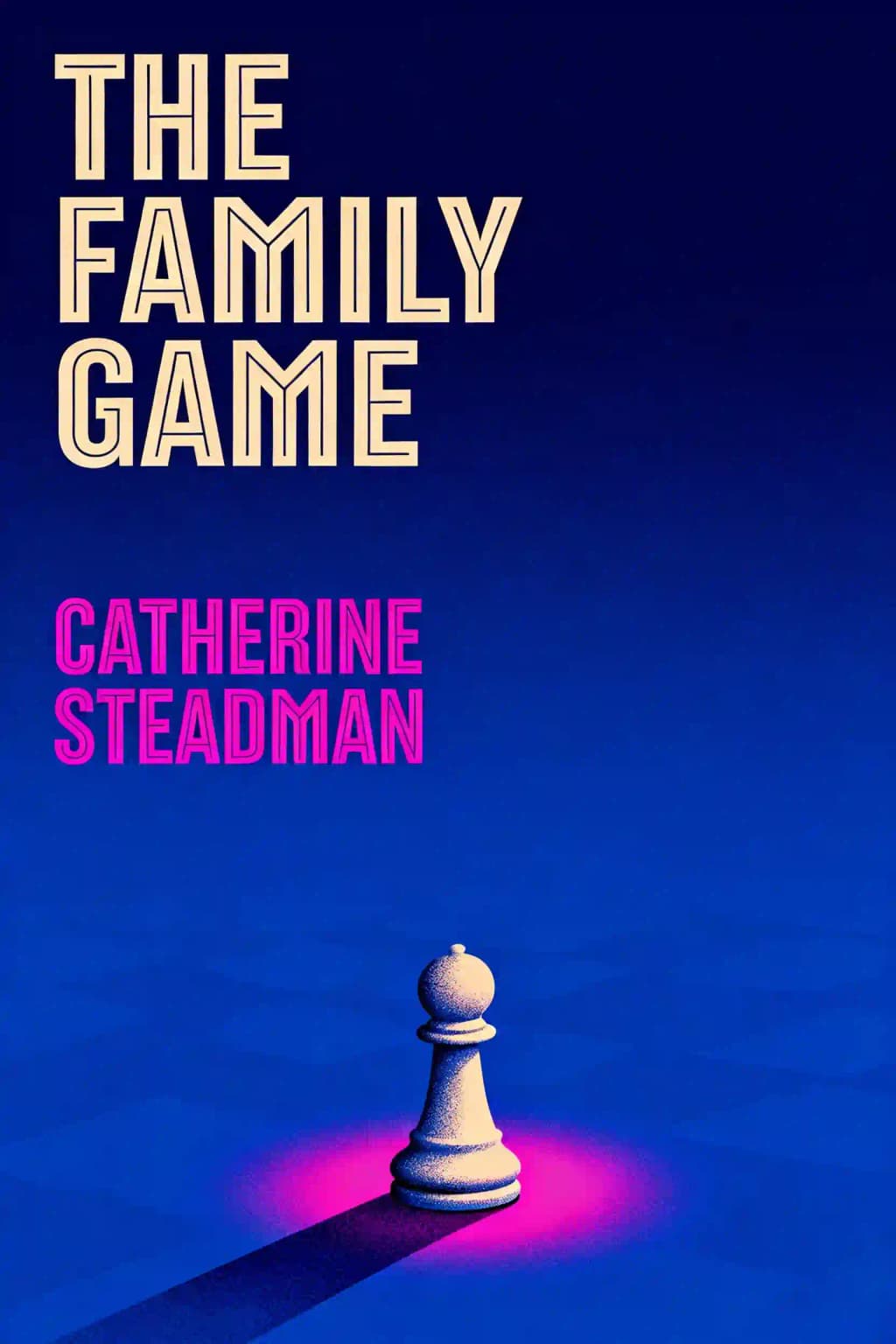
What is The Family Game by Catherine Steadman about?
The Family Game is a psychological thriller following British novelist Harriet Reed, who becomes engaged to Edward Holbeck, heir to a powerful American dynasty. When Edward's father Robert gives her a cassette tape containing a shocking confession, Harriet is drawn into the family's sinister Christmas traditions and dangerous games. She must uncover deadly secrets while navigating the ruthless world of old money, where losing could cost her everything.
Who is Catherine Steadman?
Catherine Steadman is a British actress and bestselling author known for her role as Mabel Lane Fox in Downton Abbey. Based in North London, she has written multiple psychological thrillers including Something in the Water, Mr. Nobody, and The Disappearing Act. The Family Game was a Goodreads Choice Award Nominee for Mystery & Thriller in 2022, showcasing her talent for crafting suspenseful narratives that blend domestic drama with Gothic elements.
Who should read The Family Game by Catherine Steadman?
The Family Game is perfect for fans of psychological thrillers, Gothic suspense, and domestic noir. Readers who enjoy slow-burn mysteries with explosive endings, morally complex characters, and explorations of wealth and power dynamics will find this compelling. It particularly appeals to those who loved books like The Guest List or succession dramas, as well as anyone fascinated by twisted family dynamics and high-stakes games.
Is The Family Game worth reading?
The Family Game delivers a gripping thriller experience despite its slow-burn beginning. While the first 40% builds tension gradually, the middle and final acts accelerate into heart-pounding action with unexpected twists. Readers praise Catherine Steadman's clever plot construction and the audiobook narration. Though some note plot holes and an over-the-top ending, most find the family's dark games and moral quandaries thoroughly entertaining and memorable.
What are the Holbeck family games in The Family Game?
The Holbeck family plays elaborate, high-stakes games during holiday gatherings including Thanksgiving, Krampusnacht, and Christmas. The centerpiece is the Christmas treasure hunt at their estate, The Hydes, where each family member receives personalized clues leading to life-changing prizes. These games serve to "rebalance the scales" and maintain power dynamics within the family. However, these traditions are far from innocent—they're psychological warfare designed to expose secrets and test loyalty.
What is the cassette tape secret in The Family Game?
At their first meeting, Robert Holbeck privately gives Harriet a cassette tape containing a shocking confession that could destroy the family. The tape's contents set a dangerous game in motion, forcing Harriet to question why Robert trusted her with this explosive information. Throughout the story, transcripts from Robert's cassette tapes reveal dark family secrets and create mounting tension. The tape becomes leverage in the deadly game Harriet must play to protect herself.
What happens at The Hydes estate in The Family Game?
The Hydes is the Holbeck family's upstate New York estate where their Christmas traditions unfold. During the Christmas Eve game, Harriet explores preserved childhood bedrooms and makes chilling discoveries about Edward and his deceased brother Bobby. She realizes disturbing similarities between them, questioning whether Edward adopted Bobby's personality after his death. The estate serves as both a gilded cage and a psychological battleground where family secrets are hidden in plain sight.
What is the main twist in The Family Game?
Without spoiling major plot points, The Family Game builds to an unexpected revelation about the Holbeck family's true nature and Harriet's role in their games. Reviewers describe the ending as featuring heart-pounding moments with twists that recontextualize everything readers thought they understood. The finale explores why Robert chose Harriet specifically for his confession and whether she can outsmart the family. Some readers find the conclusion over-the-top, while others praise its clever construction.
How does The Family Game explore wealth and power?
The Family Game examines how extreme wealth corrupts family bonds and creates toxic power dynamics. The Holbecks represent American old money—a dynasty that has "dominated headlines and pulled society's strings" for generations. Their annual games function as mechanisms to maintain control and enforce hierarchy. Catherine Steadman explores inherited power, moral quandaries, and the lengths wealthy families will go to protect their secrets and status, revealing the darkness beneath their glamorous facade.
What are the criticisms of The Family Game by Catherine Steadman?
Critics note that The Family Game suffers from extremely slow pacing in the first 40%, with some readers tempted to quit before the action accelerates. Reviewers point out numerous plot holes and question Harriet's motivations for staying with the family despite obvious danger. Some find the premise requires suspending disbelief about rational behavior. The ending is described as over-the-top by multiple readers. However, most agree the clever middle section and entertaining family dynamics outweigh these weaknesses.
How does The Family Game compare to Catherine Steadman's other books?
The Family Game represents Catherine Steadman's strongest work according to many readers who found her previous novels—Something in the Water and Mr. Nobody—less impressive. This thriller showcases her growth as an author, with more sophisticated plotting and memorable characters. The audiobook benefits from Steadman narrating herself, impressively alternating between British and American accents. Fans of her earlier domestic thrillers will appreciate the familiar psychological suspense elements elevated by the unique family game premise.
Why is The Family Game relevant for thriller readers in 2025?
The Family Game taps into timeless fascinations with wealth inequality, toxic family dynamics, and the dark side of privilege—themes increasingly relevant in today's social climate. The novel's exploration of old money families who operate by different rules resonates with contemporary discussions about power and accountability. Its Gothic thriller elements and game-based plot structure align with current popular trends in psychological suspense. The book's examination of moral compromise and survival instincts remains universally compelling for modern thriller audiences.
