What is The Bomber Mafia by Malcolm Gladwell about?
The Bomber Mafia examines the clash between two World War II bombing philosophies: precision bombing versus area bombing. Malcolm Gladwell explores how a group of idealistic strategists called the "Bomber Mafia" championed technology like the Norden bombsight to minimize civilian casualties, while General Curtis LeMay's brutal firebombing approach devastated Japanese cities but potentially shortened the war. The book questions whether technological idealism or ruthless pragmatism was the right choice during wartime.
Who should read The Bomber Mafia?
The Bomber Mafia appeals to World War II history enthusiasts, military strategy readers, and fans of Malcolm Gladwell's narrative style. It's ideal for those interested in moral dilemmas surrounding technology and warfare, innovation versus pragmatism debates, and the human cost of strategic decisions. The audiobook version features sound effects, music, and original interviews, making it particularly engaging for audio learners. However, readers seeking deep historical analysis may find Gladwell's approach overly simplified.
Is The Bomber Mafia worth reading?
The Bomber Mafia offers compelling storytelling about a lesser-known WWII conflict, though reviews are mixed. Gladwell's narrative skills make the historical events riveting, and the audiobook production is exceptional with archival interviews and sound design. However, critics note the book's muddled thesis—it champions the "good guys" who ultimately lost the tactical battle—and question whether the moral framing adequately addresses the complexity of wartime decisions. At 256 pages, it's a quick, thought-provoking read despite its limitations.
What is the main argument in The Bomber Mafia?
The Bomber Mafia explores whether precision bombing's humanitarian ideals or Curtis LeMay's devastating area bombing was morally justified during World War II. Malcolm Gladwell presents the tension between minimizing civilian casualties through technology versus winning quickly through brutal tactics like the Tokyo firebombing that killed thousands. The book concludes that while LeMay's approach won the immediate battle, the Bomber Mafia's vision of precision warfare ultimately prevailed with modern military technology capable of hitting specific building wings from 40,000 feet.
Who were the key figures in The Bomber Mafia?
The Bomber Mafia centers on two contrasting generals: Haywood Hansell and Curtis LeMay. Hansell, a member of the "Bomber Mafia," believed in precision daylight bombing using advanced technology like the Norden bombsight to minimize civilian deaths. LeMay championed area bombing and scorched-earth tactics, implementing the devastating firebombing campaign against Japanese cities using napalm. Their confrontation during a leadership handover in Guam determined the Pacific War's bombing strategy, with LeMay emerging victorious and executing the deadliest night of World War II.
What is the difference between precision bombing and area bombing in The Bomber Mafia?
Precision bombing, advocated by the Bomber Mafia, aimed to destroy specific military and industrial targets from high altitudes using technology like the Norden bombsight, minimizing civilian casualties. Area bombing, championed by Curtis LeMay, involved carpet bombing entire urban areas with incendiaries like napalm to destroy infrastructure and break enemy morale, causing massive civilian deaths. Malcolm Gladwell explores how weather conditions, jet streams, and technological limitations made precision bombing largely ineffective against Japan, while LeMay's brutal approach proved devastatingly successful.
What does "LeMay won the battle, Hansell won the war" mean in The Bomber Mafia?
This phrase captures Malcolm Gladwell's conclusion that while Curtis LeMay's brutal firebombing tactics proved immediately effective in World War II, General Hansell's vision of precision bombing ultimately prevailed in modern warfare. Today's military technology enables bombs to hit specific building wings from stealth bombers at 40,000 feet, realizing the Bomber Mafia's dream of surgical strikes that minimize collateral damage. The quote suggests that moral idealism, backed by advancing technology, eventually overcame wartime pragmatism's short-term victory.
What was the Tokyo firebombing described in The Bomber Mafia?
The Tokyo firebombing on March 10, 1945, represents "the longest night of the Second World War" referenced in Malcolm Gladwell's subtitle. Under Curtis LeMay's command, American bombers flew at dramatically lower altitudes and dropped napalm incendiaries, creating massive firestorms that devastated the city and killed thousands of civilians. This operation marked LeMay's departure from precision bombing doctrine and proved devastatingly effective in advancing Allied military objectives, though at tremendous humanitarian cost. Gladwell uses this event to explore whether such brutality was justified.
What technology is discussed in The Bomber Mafia?
The Bomber Mafia examines several World War II technologies central to bombing strategy debates.
- The Norden bombsight, described as revolutionary precision equipment, promised accurate high-altitude targeting but proved unreliable in real combat conditions.
- Malcolm Gladwell details the development of napalm at Harvard University, an incendiary substance creating intense firestorms during area bombing campaigns.
- The B-29 bomber extended America's operational range against Japan.
The book contrasts these wartime technologies with modern stealth bombers and GPS-guided munitions that finally achieved the Bomber Mafia's precision vision.
What are the main criticisms of The Bomber Mafia by Malcolm Gladwell?
Critics argue The Bomber Mafia oversimplifies complex moral issues with "half-witted didacticism" and reads like an "MBA case study" rather than serious historical analysis. Reviewers note the book's muddled thesis—championing idealists who ultimately lost the tactical debate—and question whether Gladwell adequately grapples with the genuine moral dilemmas of civilian bombing. Some describe his conversational tone as inappropriate when discussing hundreds of thousands of deaths, calling it "garrulous" and showing "unforgivable moral lapse". The brevity and factual omissions also drew criticism.
How is The Bomber Mafia different from Malcolm Gladwell's other books?
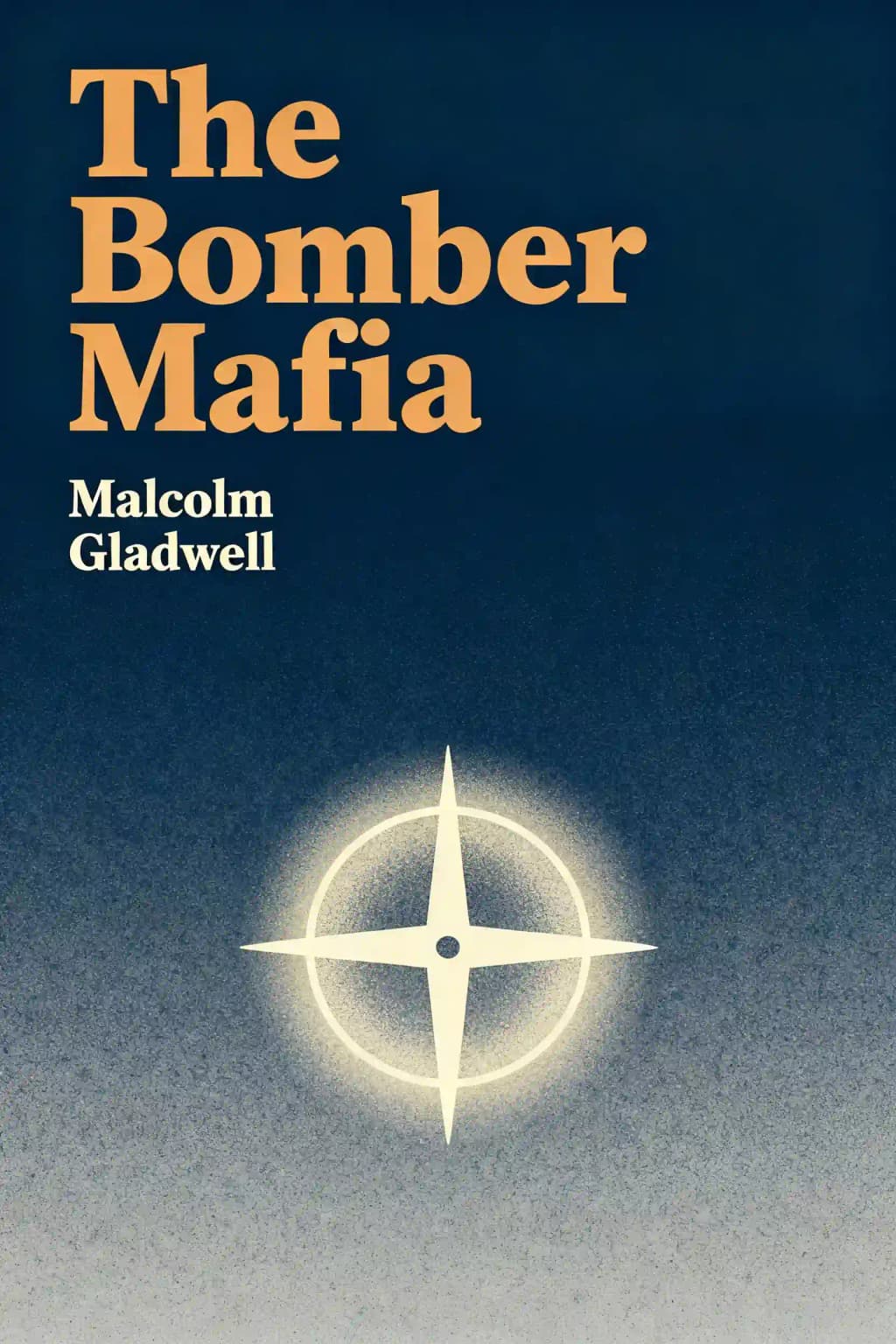
The Bomber Mafia represents Malcolm Gladwell's first deep dive into military history, departing from his typical explorations of psychology, business, and culture. The book was originally produced as an audiobook featuring sound effects, music, and archival interviews with veterans and survivors, making the print version a secondary adaptation. At 256 pages, it's more focused on a specific historical period rather than broad social patterns. The vibrant ocean-blue cover also breaks from Gladwell's traditional text-on-white design. However, readers note it still carries his signature storytelling style despite the different subject matter.
What moral question does Malcolm Gladwell explore in The Bomber Mafia?
Malcolm Gladwell asks whether Curtis LeMay's devastating firebombing campaign—which killed thousands of Japanese civilians but potentially shortened World War II and prevented a ground invasion—was morally justified. The book examines whether humanitarian ideals and precision technology should govern warfare, or whether ruthless pragmatism that ends conflicts quickly ultimately saves more lives. Gladwell explores this through the contrast between Haywood Hansell's precision bombing principles and LeMay's scorched-earth tactics, questioning whether wartime circumstances can justify abandoning moral constraints for brutal effectiveness.