What is Shuggie Bain by Douglas Stuart about?
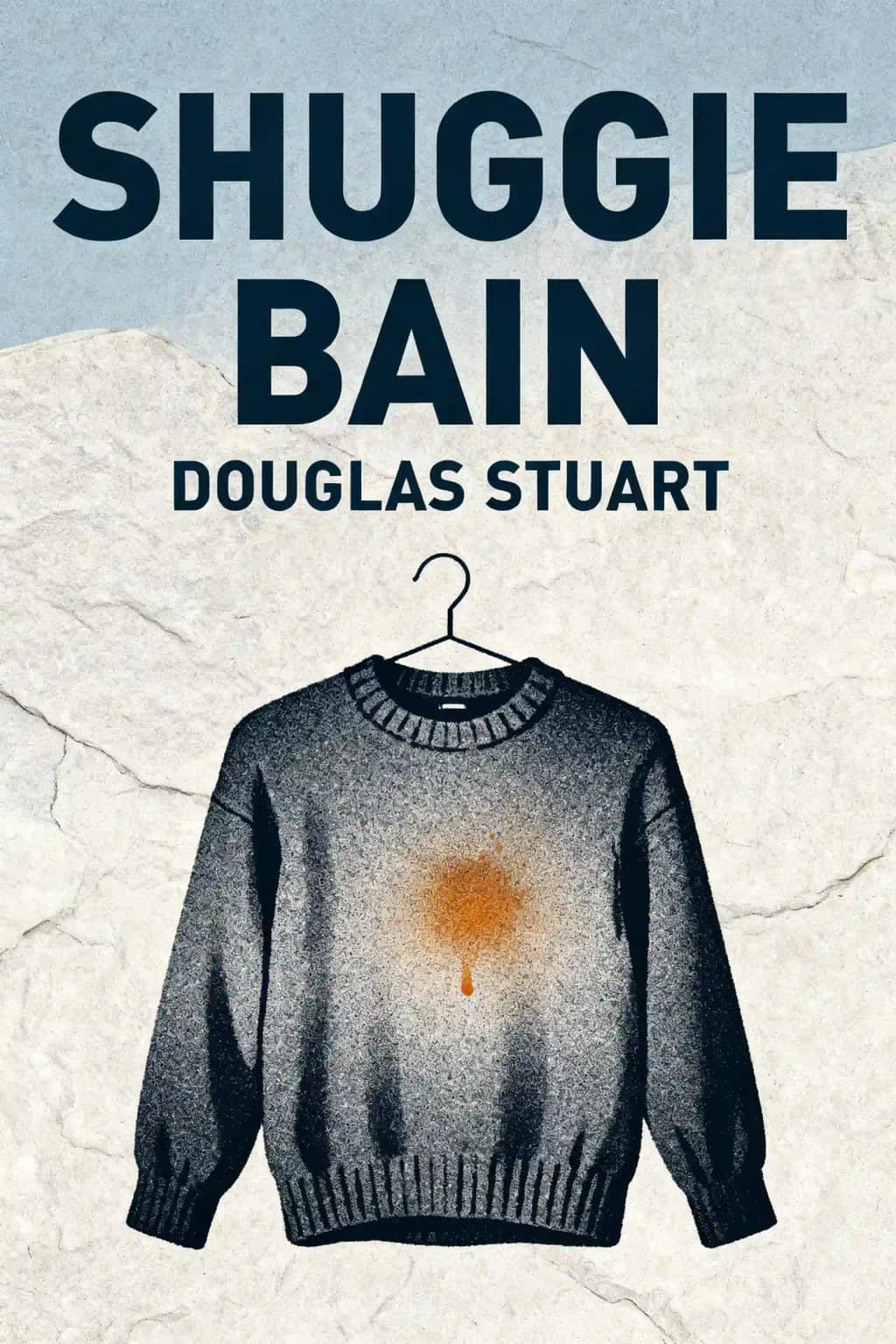
Shuggie Bain tells the heartbreaking story of Hugh "Shuggie" Bain, a young boy growing up in 1980s working-class Glasgow who becomes the primary caretaker for his alcoholic mother, Agnes. The novel follows Shuggie from age five to fifteen as he navigates poverty, his mother's addiction, and bullying for being effeminate in a homophobic community. Set against the backdrop of post-industrial Scotland during Margaret Thatcher's policies, the book explores themes of addiction, sexuality, class struggle, and the devastating cycle of poverty.
Who is Douglas Stuart, author of Shuggie Bain?
Douglas Stuart is a Scottish-American author whose debut novel Shuggie Bain won the 2020 Booker Prize, making it only the fifth debut novel to achieve this honor. Born in Glasgow, Scotland, Stuart wrote Shuggie Bain over a ten-year period while working in fashion design in New York City. The novel draws heavily from his own childhood experiences growing up in working-class Glasgow. He has since published his second novel, Young Mungo, and his work has been translated into twenty-two languages.
Who should read Shuggie Bain?
Shuggie Bain is ideal for readers interested in literary fiction that tackles difficult subjects like addiction, poverty, and LGBTQ+ identity with compassion and nuance. The book appeals to those who appreciate character-driven narratives, working-class stories rarely represented in mainstream fiction, and powerful explorations of family dysfunction and resilience. Readers should be prepared for emotionally challenging content involving alcoholism, abuse, and homophobia, though Stuart's beautiful prose and empathetic storytelling make the difficult journey worthwhile.

Is Shuggie Bain worth reading?
Shuggie Bain is absolutely worth reading for its remarkable storytelling, though readers should prepare for an emotionally harrowing experience. The novel won the Booker Prize and sold over one million copies worldwide, earning critical acclaim for its compassionate portrayal of addiction and working-class life. Despite its dark subject matter—including poverty, alcoholism, and abuse—Stuart's beautiful prose, authentic dialogue, and empathetic character development create an unforgettable and ultimately hopeful reading experience. The book offers important social commentary on inequality and forgotten communities.
What are the main themes in Shuggie Bain by Douglas Stuart?
Shuggie Bain explores interconnected themes of addiction, poverty, and LGBTQ+ identity in 1980s Glasgow. The novel examines how alcoholism destroys families through Agnes's dependence and its ripple effects on her children, particularly Shuggie. Class struggle and economic inequality form the backdrop, showing how Thatcher-era policies devastated working-class communities. The book also addresses toxic masculinity and queer identity, as Shuggie faces relentless bullying for being effeminate in a conservative, homophobic environment. Ultimately, it's about unconditional love and the impossible burden children carry when parenting their parents.
What happens to Agnes Bain in Shuggie Bain?
Agnes Bain is a beautiful woman who dreams of glamour and a better life but becomes enslaved by alcoholism throughout the novel. After leaving her first husband for taxi driver Shug Bain, she's abandoned in a mining town called Pithead with her three children as her second marriage collapses. Her addiction progressively worsens, leading to neglect of her children and deteriorating physical and mental health. While the novel focuses on her decline from Shuggie's perspective, Agnes ultimately dies from her alcoholism, leaving fifteen-year-old Shuggie alone to cope with trauma and grief while trying to build his own life.
Why is Shuggie Bain set in 1980s Glasgow?
Shuggie Bain is set in 1980s Glasgow to capture a specific historical moment when Thatcher-era policies devastated working-class Scottish communities. The novel depicts post-industrial Glasgow during economic decline, mine closures, and rising unemployment that pushed families into poverty and desperation. This setting reflects Douglas Stuart's own childhood experiences growing up in Glasgow during this period, making it semi-autobiographical. The 1980s context is crucial for understanding the characters' limited options, the cycle of poverty and addiction, and the conservative social attitudes toward sexuality that made Shuggie's life particularly difficult.
What does Shuggie Bain teach about addiction and caregiving?
Shuggie Bain powerfully illustrates how addiction transforms family dynamics, forcing children into caretaker roles they're too young to handle. The novel shows that loving someone with addiction isn't enough to save them—Shuggie's devotion to Agnes cannot cure her alcoholism despite his sacrifices. Stuart demonstrates the domino effect of failure: as Agnes is failed by society and her husband, she fails her children, perpetuating cycles of trauma. The book teaches that addiction is a disease shaped by poverty, hopelessness, and systemic failure, not merely personal weakness, while also showing the lasting psychological impact on family members.
How does Shuggie Bain portray LGBTQ+ identity and masculinity?
Shuggie Bain portrays LGBTQ+ identity through the protagonist's struggle with being effeminate in an aggressively masculine, homophobic working-class environment. Shuggie faces constant bullying at school and in his neighborhood for not conforming to rigid gender expectations, with teachers and peers calling him derogatory names. The novel shows how poverty and conservatism intensify homophobia, as struggling communities cling to traditional values for dignity. Despite the oppression, brief moments of joy—like Shuggie dancing freely—offer glimpses of his authentic self. The book suggests hope that freed from his mother's trauma, Shuggie can eventually accept and embrace his true identity.
What awards has Shuggie Bain by Douglas Stuart won?
Shuggie Bain won the prestigious 2020 Booker Prize, becoming only the fifth debut novel to win this award. The book was also a finalist for the National Book Award in Fiction in the United States, a double distinction no other book has achieved. At the 2021 British Book Awards, Shuggie Bain won both Fiction Debut of the Year and overall Book of the Year. Additional honors include shortlists for the Kirkus Prize, Center for Fiction First Novel Prize, and Carnegie Medal for Excellence in Fiction. Waterstones named it Scottish Book of the Year, and it received a Golden Pan award for selling over one million copies.
What are the criticisms of Shuggie Bain?
While critically acclaimed, Shuggie Bain faces criticism for being emotionally exhausting and relentlessly dark, with some readers finding the constant trauma overwhelming. The novel's graphic depictions of alcoholism, abuse, poverty, and homophobia can be difficult to endure, potentially triggering for readers with similar experiences. Some critics argue the book offers limited hope or redemption, focusing heavily on suffering without enough light to balance the darkness. However, defenders counter that Stuart's compassionate storytelling and beautiful prose elevate the material beyond misery, presenting an honest portrayal of working-class struggles that deserve recognition rather than sanitization.
Books like Shuggie Bain: What should I read next?
If you connected with Shuggie Bain, consider Douglas Stuart's second novel Young Mungo, which similarly explores working-class Glasgow life and queer identity. Other recommendations include:
- Hanya Yanagihara's A Little Life
- Edward St. Aubyn's Patrick Melrose series
- Mary Karr's The Liars' Club memoir
- Alan Hollinghurst's The Line of Beauty
- Pat Barker's Union Street
- Garth Greenwell's What Belongs to You
- Ocean Vuong's On Earth We're Briefly Gorgeous