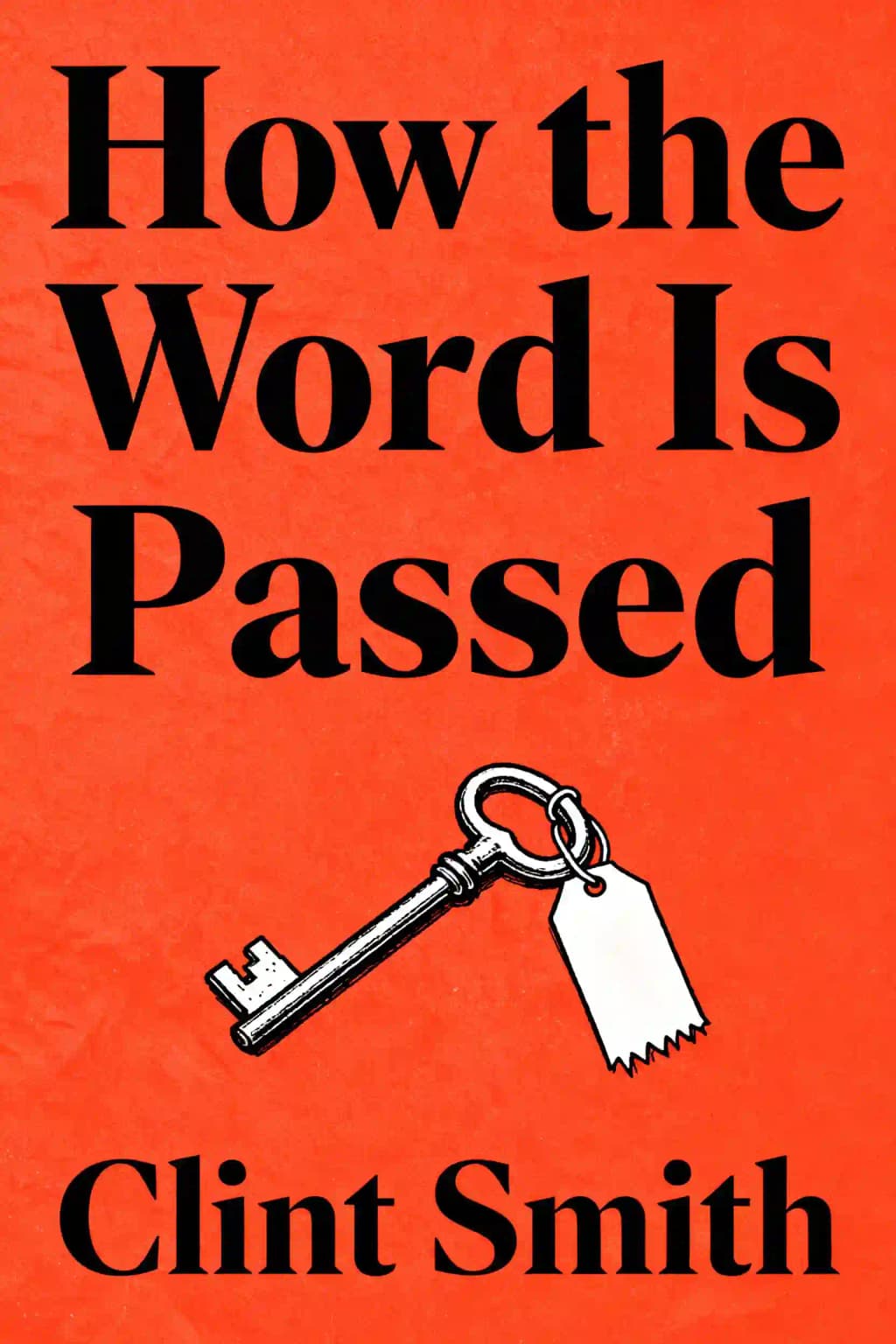
What is
How the Word Is Passed by Clint Smith about?
How the Word Is Passed examines how America memorializes slavery through visits to historical sites like plantations, prisons, and monuments. Clint Smith, a poet and scholar, blends firsthand accounts, historical analysis, and personal reflection to reveal how systemic racism persists in cultural memory. The book challenges narratives that sanitize slavery’s legacy, urging honest reckoning with its enduring impact on racial and economic inequality.
Who should read
How the Word Is Passed?
This book is essential for readers interested in U.S. history, social justice, and antiracism education. Educators, students, and advocates will find its exploration of public memory and historical accountability particularly valuable. Smith’s lyrical prose also appeals to fans of narrative nonfiction and poetic storytelling.
Is
How the Word Is Passed worth reading?
Yes—it won widespread acclaim for its unflinching examination of slavery’s legacy, including a National Book Award nomination. Reviewers praise its blend of rigorous research, emotional depth, and accessible storytelling. The Christian Science Monitor calls it “a harrowing journey” that balances challenge with hope.
How does Clint Smith connect slavery’s history to modern issues?
Smith links slavery to contemporary racial inequality, mass incarceration, and cultural erasure. For example, he analyzes Angola Prison’s origins as a plantation to show how systems of Black subjugation evolved post-emancipation. These connections underscore how systemic racism remains embedded in America’s institutions.
What historical sites are featured in
How the Word Is Passed?
Key locations include:
- Monticello: Thomas Jefferson’s plantation, juxtaposing his Enlightenment ideals with enslaving 600 people.
- Whitney Plantation: A museum centering enslaved Africans’ experiences through firsthand accounts.
- Angola Prison: A former plantation-turned-prison symbolizing racialized incarceration.
How does Clint Smith use personal narratives in the book?
Smith interweaves interviews with descendants, tour guides, and his own family to humanize slavery’s legacy. His grandmother’s refrain, “I lived it,” anchors abstract historical truths in lived reality. This approach fosters empathy and bridges past injustices to present-day disparities.
What critiques exist about
How the Word Is Passed?
Some critics note Smith occasionally overreaches in drawing parallels between past and present. However, most agree his methodology—grounding analysis in specific sites—strengthens the narrative. The Christian Science Monitor praises the book’s balance of rigor and accessibility despite these minor flaws.
How does the book address the concept of memory?
Smith argues memory shapes national identity: sites like Confederate monuments perpetuate false narratives, while honest storytelling (e.g., Whitney Plantation) fosters accountability. He posits that confronting “uncomfortable truths” is vital for societal progress.
What quotes from
How the Word Is Passed are significant?
- “Slavery is the ghost in America’s machine”: Highlights slavery’s foundational role in U.S. systems.
- “Memory is not inert”: Emphasizes memory’s active role in shaping justice.
These lines reflect Smith’s poetic precision and thematic depth.
How does
How the Word Is Passed compare to other slavery histories?
Unlike purely academic texts, Smith combines travelogue, memoir, and reportage. This hybrid style echoes Isabel Wilkerson’s Caste but focuses on spatial memory. It offers a more visceral, place-based approach to understanding systemic racism.
Why is
How the Word Is Passed relevant in 2025?
As debates over critical race theory and monument removal persist, Smith’s work provides a framework for discussing historical accountability. Its insights into cultural erasure remain urgent amid ongoing struggles for racial equity.
How can educators use
How the Word Is Passed in classrooms?
The book’s site-specific chapters facilitate discussions on public history and narrative bias. Educators use group activities (e.g., “cross-chapter analyses”) to explore how location shapes historical understanding. Resources like the Zinn Education Project offer lesson plans.