
Book
Mindful Way Through Depression
Mark Williams & John Teasdale & Zindel Segal & Jon Kabat-Zinn
A groundbreaking approach to overcoming depression using mindfulness techniques, backed by scientific research and expert insights.
Learn what a mindful body means and how body awareness practices like body scans and somatic mindfulness improve mental well-being.
A mindful body is the practice of bringing deliberate, nonjudgmental awareness to your physical sensations, posture, and internal signals in the present moment. While general mindfulness often focuses on observing passing thoughts and emotions, a mindful body approach anchors your attention specifically in physical experiences. It highlights the mind-body connection, recognizing that your mental state directly influences your physical sensations, and vice versa.
BeFreed provides AI-powered summaries and audio podcasts of top mindfulness books, helping you turn everyday routines into opportunities for mindful learning and deeper body awareness.
Body awareness matters for mental health because it directly reduces stress, improves emotional regulation, and helps manage symptoms of anxiety and depression. When you tune into your physical sensations, you interrupt spirals of negative thinking and ground yourself in the present.
This mind-body connection has strong clinical backing. Research shows that Mindfulness-Based Cognitive Therapy (MBCT) reduces depression relapse by 44% compared to usual care. This approach is detailed in Mindful Way Through Depression by Mark Williams, John Teasdale, Zindel Segal, and Jon Kabat-Zinn.
A groundbreaking approach to overcoming depression using mindfulness techniques, backed by scientific research and expert insights.
Harvard psychologist Ellen Langer's groundbreaking research in The Mindful Body reveals how perception shapes physical reality. Her famous Counterclockwise Study demonstrated that elderly men experienced measurable physical improvements simply through mindset shifts, proving the profound unity of mind and body.

Groundbreaking exploration of mind-body unity, revealing how our thoughts can profoundly shape our physical health and well-being.
A body scan is a structured meditation where you systematically move your attention through different parts of your body to notice physical sensations without judgment. It serves as a foundational practice for developing a mindful body and identifying hidden tension.
To practice it, lie down in a comfortable position and close your eyes. Begin by focusing on your toes, noticing any tension, warmth, or tingling. Slowly move your awareness up through your feet, legs, torso, arms, and finally to your head, simply observing whatever you feel.
This technique is a core component of Jon Kabat-Zinn's Mindfulness-Based Stress Reduction (MBSR) program. A simple 5-to-10-minute beginner version is enough to start recognizing where you hold daily stress.
Somatic mindfulness is a body-first approach to awareness that focuses on experiencing internal physical sensations to process emotions and heal trauma. Unlike cognitive mindfulness, which often emphasizes observing thoughts, somatic practices prioritize the body's physical narrative and felt sense.
Trauma and chronic stress often get stored in the physical body, leading to unexplained tension or pain. Peter Levine explores this extensively in Waking the Tiger, a foundational text on trauma healing translated into 24 languages. Levine reveals why wild animals rarely develop PTSD, highlighting the body's natural ability to discharge traumatic energy.
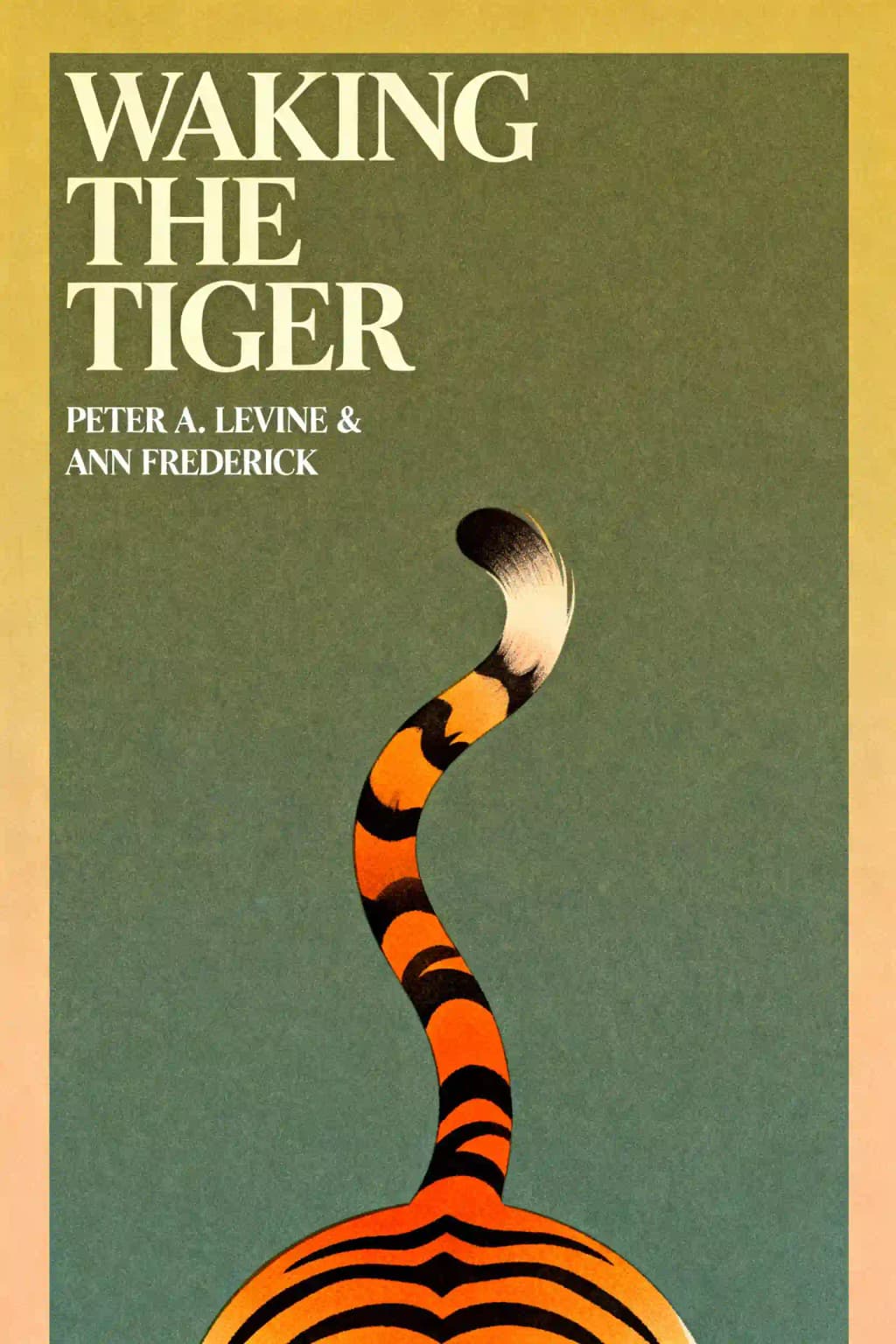
Healing trauma through instinctual body awareness and natural healing processes.
A practical somatic awareness exercise involves simply noticing a tight area in your body, placing a hand over it, and observing the sensation without trying to change it. This gentle attention helps the nervous system feel safe.
You can practice a quick body check-in by pausing during your day, closing your eyes, and scanning your body quickly for spots of tension. Notice areas like a clenched jaw, tight shoulders, or a shallow breath.
Once you identify these areas, take a few deep breaths and imagine sending the air directly into those tension spots. This brief pause helps reset your nervous system in the middle of a busy day.
Mindful walking turns an everyday activity into a grounding body awareness practice. Focus entirely on the physical sensations of your feet touching the ground, your weight shifting, and your leg muscles engaging with each step.
This technique is beautifully explained in the 1975 classic The Miracle of Mindfulness by Thich Nhat Hanh. It allows you to cultivate present-moment awareness while in motion.

Practical mindfulness exercises for inner peace and self-awareness in everyday life.
The breath-body connection exercise involves noticing exactly where the breath moves in your physical body. Pay attention to the rise and fall of your belly, the expansion of your chest, and the subtle movement of your ribs.
Count 10 complete breaths while maintaining full physical attention on these movements. Meditation master Joseph Goldstein outlines similar practical awakening techniques in his comprehensive guide, Mindfulness.
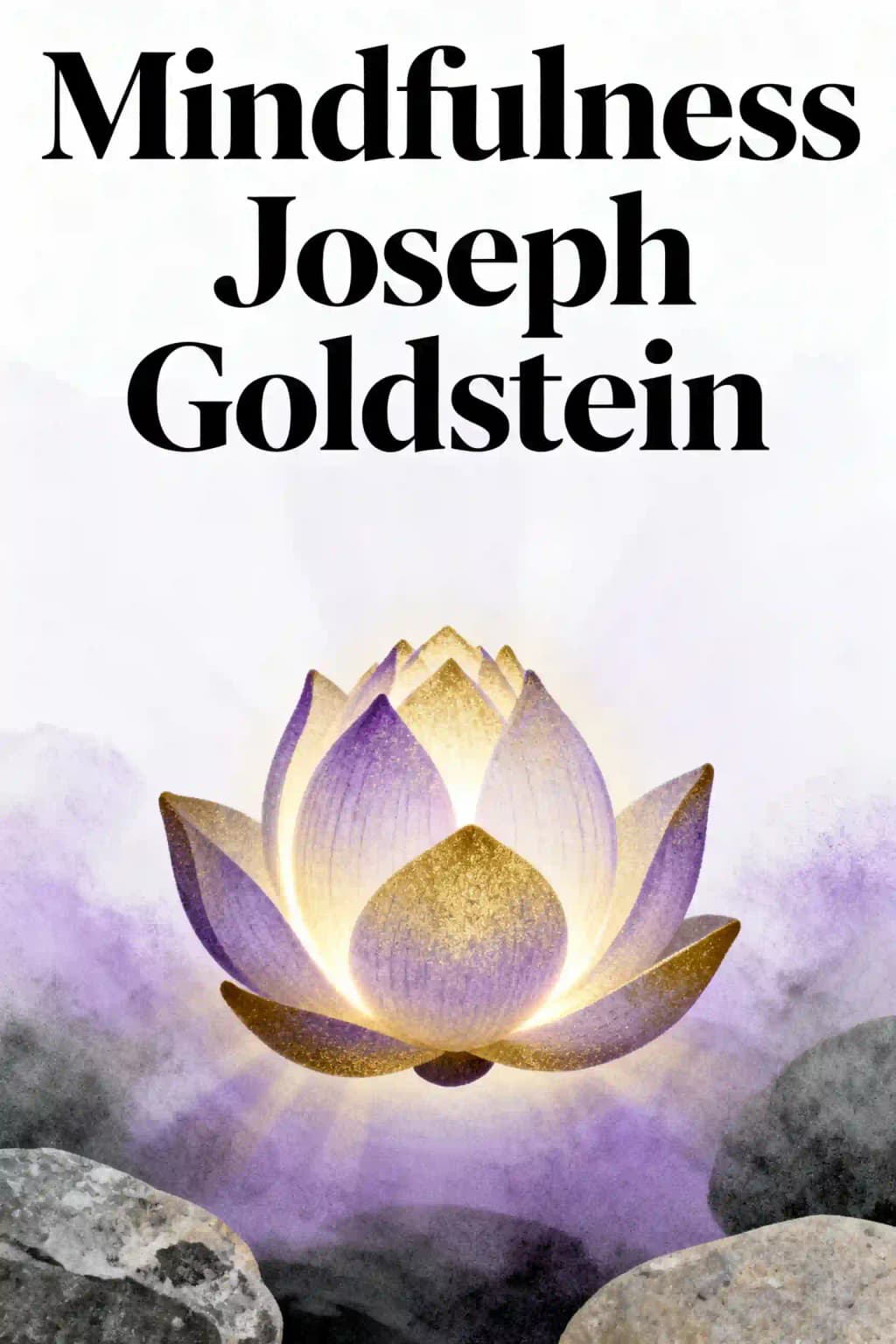
A comprehensive exploration of mindfulness meditation, blending ancient Buddhist wisdom with modern practical applications for cultivating awareness and inner freedom.
A mindful body practice reduces stress by activating the parasympathetic nervous system, which naturally lowers cortisol levels and calms the body's fight-or-flight response. When you focus on physical sensations, you signal to your brain that you are safe in the present moment.
Clinical evidence supports this physiological mechanism. Daily 10-minute body scan practices have been shown to alter the brain's stress response patterns, physically rewiring neural pathways over time to favor relaxation over reactivity.
To experience these benefits, try dedicating just 10 minutes a day to a body awareness practice. Consistency is more important than duration when retraining your nervous system to let go of chronic stress.
Building a consistent mindful body practice is easier when you have the right guidance and resources. BeFreed offers AI-powered summaries of key mindfulness books, giving you access to life-changing insights in a fraction of the time.

With BeFreed's audio podcast format, you can learn body awareness techniques during your daily commute or while taking a walk. This allows you to turn passive time into active, mindful learning, helping you integrate physical awareness seamlessly into your busy life.

Body awareness
This learning plan is essential for individuals seeking to bridge the gap between mind and body to improve emotional regulation and resilience. It is particularly beneficial for those recovering from stress or trauma who want to master somatic techniques and nervous system health.

Mindfulness
In an era of constant distraction and burnout, this plan provides a structured path to mental clarity and emotional regulation. It is ideal for professionals and individuals seeking to transform their stress response into a state of focused, compassionate presence.

The Somatic Path to Awakening
This plan is essential for practitioners who feel a disconnect between their spiritual insights and their lived emotional experiences. It is specifically designed for those seeking to ground their personal growth in somatic safety and authentic relational boundaries.

The Composed Daily: Somatic Nervous System Regulation
This learning plan is essential for high-achievers and anyone struggling with chronic stress or mental loops. It provides practical, body-based strategies to move from a state of constant alertness to one of sustainable calm and focus.

The Mechanics of Self-Awareness
This plan is designed for individuals looking to master their cognitive processes and improve decision-making through metacognition. It is ideal for professionals, students, or creatives who want to move beyond surface-level thinking and gain precise control over their mental output.

The Science of Feeling More
This plan is essential for anyone feeling disconnected from their emotions or overwhelmed by stress. It provides a biological and practical framework for individuals seeking to build resilience and emotional intelligence through somatic awareness.

Yoga Psychology for Mental Health
This plan bridges the gap between ancient wisdom and modern clinical science. It is essential for mental health professionals and yoga teachers seeking to integrate somatic healing and ethical regulation into their therapeutic practice.

Shielding Your Mind and Body
This plan is essential for individuals navigating high-conflict environments or emotional abuse. It provides a holistic survival toolkit that addresses immediate physical safety, psychological detachment, and long-term recovery through somatic and strategic planning.