
Book
How to Win Friends & Influence People
Dale Carnegie
Dale Carnegie's timeless advice on interpersonal skills
A concise how to win friends and influence people summary covering Carnegie's core principles, fundamental techniques, and six ways to make people like you.
A how to win friends and influence people summary reveals that the core principles of Dale Carnegie's 1936 classic center on making others feel valued, understood, and important. The book is divided into four main parts: fundamental techniques in handling people, six ways to make people like you, winning people to your way of thinking, and being a leader who changes people without causing offense. Its most essential lesson is that human connection thrives on genuine interest rather than self-promotion. By shifting conversations to focus on others' interests, replacing criticism with empathy, and practicing active listening, you can transform adversaries into allies.
Absorbing these timeless lessons does not require hours of reading. With BeFreed, you can access AI-powered book summaries and audio content that distill the world's best relationship and leadership advice into actionable insights you can apply immediately.
How to Win Friends and Influence People is a practical guide to mastering human relations by shifting your focus from your own desires to the needs and feelings of others. It teaches readers how to navigate social interactions, build trust, and persuade others gracefully.
The book quickly became a global phenomenon after its release, proving that people were hungry for actionable advice on human connection. It has now been translated into numerous languages.
Discover why 30 million readers embraced Carnegie's counterintuitive approach to human connection by reading How to Win Friends & Influence People. The text offers timeless wisdom that remains highly effective for personal and professional growth.
Dale Carnegie's timeless advice on interpersonal skills
Carnegie outlines three foundational rules for managing relationships effectively. These techniques require setting aside ego and approaching interactions with empathy.
Criticism puts people on the defensive and wounds their pride. Instead of condemning others, try to understand why they do what they do. This approach breeds sympathy and tolerance, replacing hostility with productive communication.
People have a deep craving to feel important. Providing genuine appreciation satisfies this need. When you acknowledge someone's true value without resorting to empty flattery, you build a strong foundation of mutual respect.
To influence someone, you must frame your requests around what they want, not what you want. Before speaking, ask yourself how you can make the other person want to take the action you are proposing.
Building rapport requires intentional habits. Carnegie identifies six specific actions to foster immediate and lasting likability.
You make more friends in two months by becoming interested in others than in two years of trying to get others interested in you. Ask questions and show curiosity about their lives and experiences.
A genuine smile signals that you are approachable and glad to see the other person. It triggers trust and creates an immediate positive impression.
Using a person's name shows respect and makes them feel valued. Make a conscious effort to learn and remember the names of the people you meet. For further modern strategies on using names strategically, replacing critique with curiosity, and mirroring body language, read How to Become a People Magnet by Marc Reklau.

Master 62 strategies to build powerful relationships and attract others through self-awareness and positive social behaviors.
Master active listening. Most people prefer an engaged listener to a brilliant talker. Encourage people to share their stories, and give them your undivided attention.
Lead conversations toward others' passions. Research what the other person cares about before a meeting, and center the discussion around those topics rather than your own agenda.
Look for the good in others and point it out. Making someone feel important without expecting anything in return creates strong, enduring bonds.
You win people to your way of thinking by avoiding arguments, showing respect for their opinions, and finding common ground before introducing your ideas. Arguing is a lose-lose situation; even if you win the debate, you lose the person's goodwill.
Never tell someone they are wrong outright. Instead, admit that you might be wrong to lower their defenses. If you are wrong, admit it quickly and emphatically. Begin conversations in a friendly manner and get the other person saying "yes, yes" immediately.
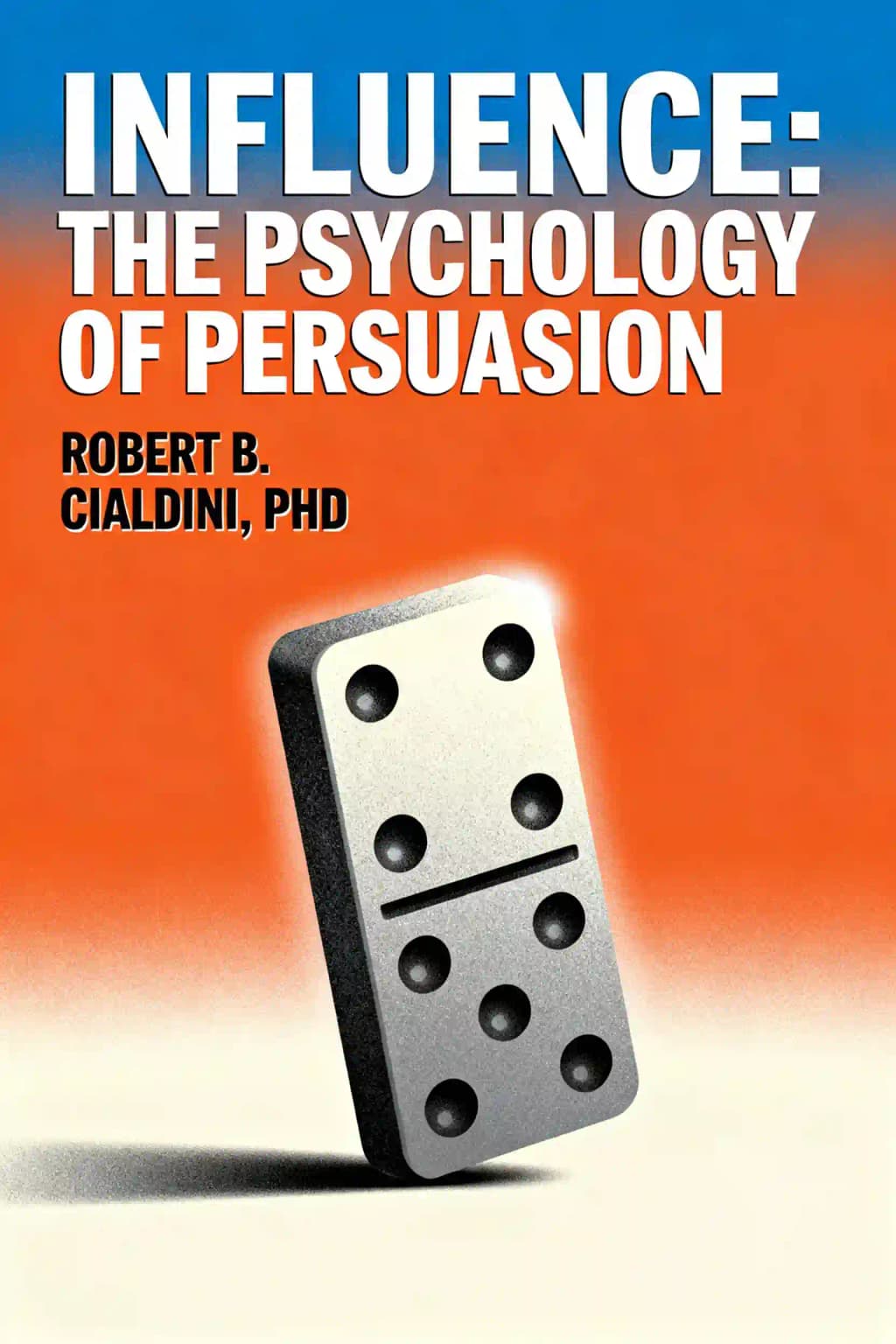
To understand the hidden psychology behind why people say "yes," Robert B. Cialdini's Influence is an excellent companion read. It explores persuasion principles like reciprocity, scarcity, and social proof that shape decision-making.
To change people without giving offense, you must correct behavior indirectly, begin with praise, and allow the other person to maintain their dignity. Leadership requires tact and empathy.
Call attention to people's mistakes indirectly. Talk about your own mistakes before criticizing the other person. Ask questions instead of giving direct orders, which allows the person to maintain their autonomy and feel involved in the solution.
Always let the other person save face. Praise every improvement, no matter how slight, and give the other person a fine reputation to live up to.
The core principles of empathy, listening, and appreciation hold up perfectly today, while some of the specific conversational tactics may need updating for modern digital communication. The psychological need to feel important remains constant across generations.
Active listening and showing genuine interest are just as effective in modern boardrooms as they were in 1936. However, the application requires nuance. Over-using someone's name can sometimes feel unnatural in casual text messages or quick emails.
Modern audiences are highly attuned to inauthenticity. This means Carnegie's emphasis on sincere appreciation is more critical than ever to avoid sounding manipulative or transactional.
BeFreed can help you master Carnegie's principles by providing concise, AI-powered summaries and audio content that fit seamlessly into your daily routine. You do not need to spend hours rereading classic texts to apply their lessons effectively.
BeFreed distills the most impactful strategies from top relationship and leadership books. By utilizing the platform, you can quickly review techniques like active listening or conflict resolution right before an important meeting or social event.
Mastering human relations is an ongoing practice of empathy, active listening, and sincere appreciation. Carnegie's classic text offers a roadmap for turning adversaries into allies and building meaningful connections in any environment.
By focusing on the interests of others and leading with kindness, you can navigate any social or professional situation with grace. Let BeFreed be your guide to absorbing these timeless lessons, offering AI-powered summaries and audio content to help you grow your relationship skills every single day.

Win People Over to Your Thinking
The ability to persuade others is perhaps the most crucial skill for professional and personal success in today's collaborative world. This learning plan provides practical techniques for ethically influencing others, ideal for leaders, salespeople, or anyone who needs to gain buy-in for their ideas.

Influence people effectively
The ability to influence others effectively is essential for leaders, managers, sales professionals, and anyone who needs to drive change or gain buy-in. This learning plan combines timeless psychological principles with cutting-edge neuroscience to provide a comprehensive toolkit for ethical persuasion. Whether you're negotiating deals, leading teams, or building relationships, these skills will help you achieve your goals while maintaining authenticity and trust.

The Mechanics of Personal Influence
This plan is essential for professionals navigating competitive environments where technical skill alone isn't enough. It provides a strategic framework for leaders and aspiring managers to master the unspoken rules of power, reputation, and psychological leverage.

Persuade people
Effective persuasion is the cornerstone of leadership and professional success in any field. This plan is designed for professionals and aspiring leaders who want to master the science of influence to drive results and build stronger relationships.

The Charisma Blueprint
In an era where soft skills drive professional success, mastering the mechanics of influence is essential. This plan is designed for leaders and professionals looking to transform social anxiety into a strategic advantage through structured communication frameworks.

How to become popular
In today's interconnected world, social intelligence is a critical driver of personal and professional success. This plan is designed for anyone looking to overcome social anxiety, enhance their influence, and build a powerful network through authentic charisma.

Persuasion and manipulation techniques
Understanding the mechanics of influence is essential for navigating modern social and professional landscapes. This plan is ideal for leaders, negotiators, and individuals looking to enhance their communication impact while building a strong defense against psychological manipulation.

Become a People Magnet
Strong interpersonal skills are essential for success in both personal and professional life, yet many people struggle with making genuine connections and leaving positive impressions. This learning plan is ideal for professionals seeking to expand their network, individuals who want to improve their social confidence, and anyone looking to build more meaningful relationships and become naturally magnetic in social situations.