Wong Kar-wai's Accidental Masterpiece
Exploring how 'Chungking Express' evolved from a 23-day guerrilla project into a defining work of Hong Kong cinema, blending urban loneliness with whimsical romance through innovative filmmaking techniques.

Wong Kar-wai's Accidental Masterpiece最佳语录
At our closest point, we were just 0.01 cm apart from each other. We may have been physically close in urban space, but that tiny gap represents the profound difference between connection and isolation.

此音频课程由 BeFreed 社区成员创建
Discuss the film “Chungking Express” directed by Wong-Kar Wai. Discuss the plot, actors, filming, contemporary critical assessment and current reputation

发现更多

Learn Conversational Cantonese in 90 Days
This structured 90-day plan is designed for expats and language enthusiasts who need to navigate daily life in Hong Kong. It bridges the gap between phonetic theory and practical fluency, making it ideal for those who want to move beyond textbooks to real-world interactions.
Movie storytelling
This plan bridges the gap between creative writing and technical filmmaking for aspiring directors and screenwriters. It provides a comprehensive roadmap for anyone looking to master the art of visual narrative and professional industry standards.
Mastering Creative Timing and Space
This plan is essential for professionals and creatives struggling with burnout and fragmented focus in a high-distraction world. It provides a strategic framework to synchronize your biological clock with your workload while mastering the psychological transitions required for deep concentration.

I want to be film maker
This learning plan is essential for aspiring creators who want to transition from spectators to storytellers. It provides a comprehensive roadmap for anyone looking to master both the artistic craft and the practical business of independent filmmaking.

Master Witty Flirting & Spontaneous Action
In an age of digital disconnection, the ability to communicate with charm and spontaneity is a rare competitive advantage. This plan is designed for individuals looking to overcome social anxiety and master the nuanced art of romantic and social chemistry.
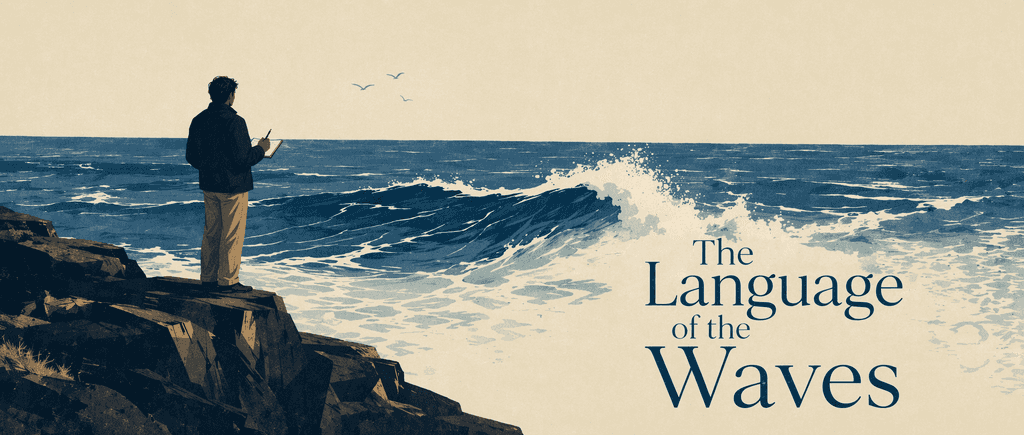
The Language of the Waves
This plan is essential for writers looking to deepen character psychology through environmental symbolism and authentic dialogue. It is ideal for novelists and screenwriters who want to master the delicate balance between a character's past trauma and their eventual emotional evolution.

The Mechanics of Chinese Global Influence
As China's global footprint expands, understanding its specific methods of influence is critical for policymakers, business leaders, and journalists. This plan provides a deep dive into the hybrid tactics used to project power, from grassroots co-optation to digital information warfare.
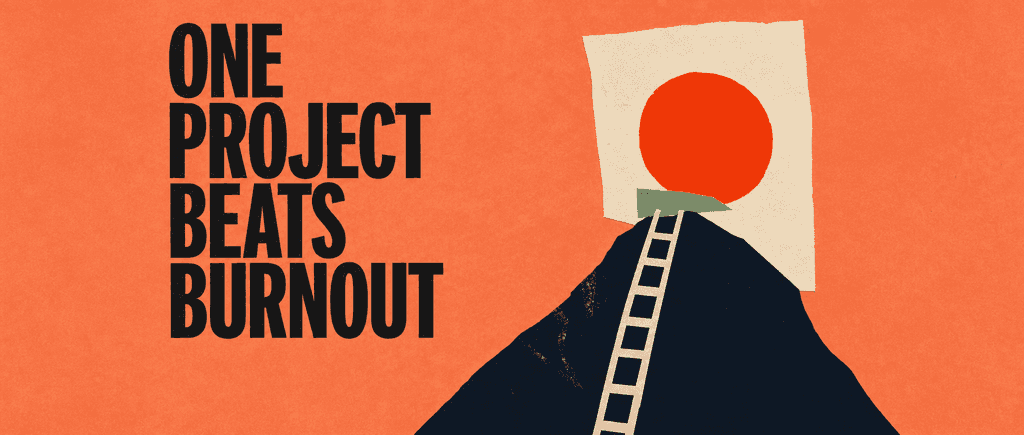
Master One Project to Prevent Burnout
In an era of constant connectivity, professionals often mistake busyness for productivity, leading to chronic exhaustion. This plan is designed for high-achievers and creative professionals who need to reclaim their focus and prevent burnout by mastering the power of single-project excellence.
"Instead of endless scrolling, I just hit play on BeFreed. It saves me so much time."


"I never knew where to start with nonfiction—BeFreed’s book lists turned into podcasts gave me a clear path."


"Perfect balance between learning and entertainment. Finished ‘Thinking, Fast and Slow’ on my commute this week."
"Crazy how much I learned while walking the dog. BeFreed = small habits → big gains."
"Reading used to feel like a chore. Now it’s just part of my lifestyle."

"Feels effortless compared to reading. I’ve finished 6 books this month already."
"BeFreed turned my guilty doomscrolling into something that feels productive and inspiring."

"BeFreed turned my commute into learning time. 20-min podcasts are perfect for finishing books I never had time for."
"BeFreed replaced my podcast queue. Imagine Spotify for books — that’s it. 🙌"

"It is great for me to learn something from the book without reading it."
"The themed book list podcasts help me connect ideas across authors—like a guided audio journey."
"Makes me feel smarter every time before going to work"
"Instead of endless scrolling, I just hit play on BeFreed. It saves me so much time."
"I never knew where to start with nonfiction—BeFreed’s book lists turned into podcasts gave me a clear path."
"Perfect balance between learning and entertainment. Finished ‘Thinking, Fast and Slow’ on my commute this week."
"Crazy how much I learned while walking the dog. BeFreed = small habits → big gains."
"Reading used to feel like a chore. Now it’s just part of my lifestyle."
"Feels effortless compared to reading. I’ve finished 6 books this month already."
"BeFreed turned my guilty doomscrolling into something that feels productive and inspiring."
"BeFreed turned my commute into learning time. 20-min podcasts are perfect for finishing books I never had time for."
"BeFreed replaced my podcast queue. Imagine Spotify for books — that’s it. 🙌"
"It is great for me to learn something from the book without reading it."
"The themed book list podcasts help me connect ideas across authors—like a guided audio journey."
"Makes me feel smarter every time before going to work"
"Instead of endless scrolling, I just hit play on BeFreed. It saves me so much time."
"I never knew where to start with nonfiction—BeFreed’s book lists turned into podcasts gave me a clear path."
"Perfect balance between learning and entertainment. Finished ‘Thinking, Fast and Slow’ on my commute this week."
"Crazy how much I learned while walking the dog. BeFreed = small habits → big gains."
"Reading used to feel like a chore. Now it’s just part of my lifestyle."
"Feels effortless compared to reading. I’ve finished 6 books this month already."
"BeFreed turned my guilty doomscrolling into something that feels productive and inspiring."
"BeFreed turned my commute into learning time. 20-min podcasts are perfect for finishing books I never had time for."
"BeFreed replaced my podcast queue. Imagine Spotify for books — that’s it. 🙌"
"It is great for me to learn something from the book without reading it."
"The themed book list podcasts help me connect ideas across authors—like a guided audio journey."
"Makes me feel smarter every time before going to work"
"Instead of endless scrolling, I just hit play on BeFreed. It saves me so much time."
"I never knew where to start with nonfiction—BeFreed’s book lists turned into podcasts gave me a clear path."
"Perfect balance between learning and entertainment. Finished ‘Thinking, Fast and Slow’ on my commute this week."
"Crazy how much I learned while walking the dog. BeFreed = small habits → big gains."
"Reading used to feel like a chore. Now it’s just part of my lifestyle."
"Feels effortless compared to reading. I’ve finished 6 books this month already."
"BeFreed turned my guilty doomscrolling into something that feels productive and inspiring."
"BeFreed turned my commute into learning time. 20-min podcasts are perfect for finishing books I never had time for."
"BeFreed replaced my podcast queue. Imagine Spotify for books — that’s it. 🙌"
"It is great for me to learn something from the book without reading it."
"The themed book list podcasts help me connect ideas across authors—like a guided audio journey."
"Makes me feel smarter every time before going to work"