Warrior Power: From Beach Muscles to Combat Ready
Discover how to transform your physique into a functional weapon by mastering the mental grit, tactical striking, and resilient mindset of elite fighters.

Warrior Power: From Beach Muscles to Combat Ready最佳语录
It’s better to be a warrior in a garden than a gardener in a war. When you have the capability for violence, you have the luxury of choosing peace.
Generated by Fahim
I want to be physically powerful. I want to learn how to fight

常见问题
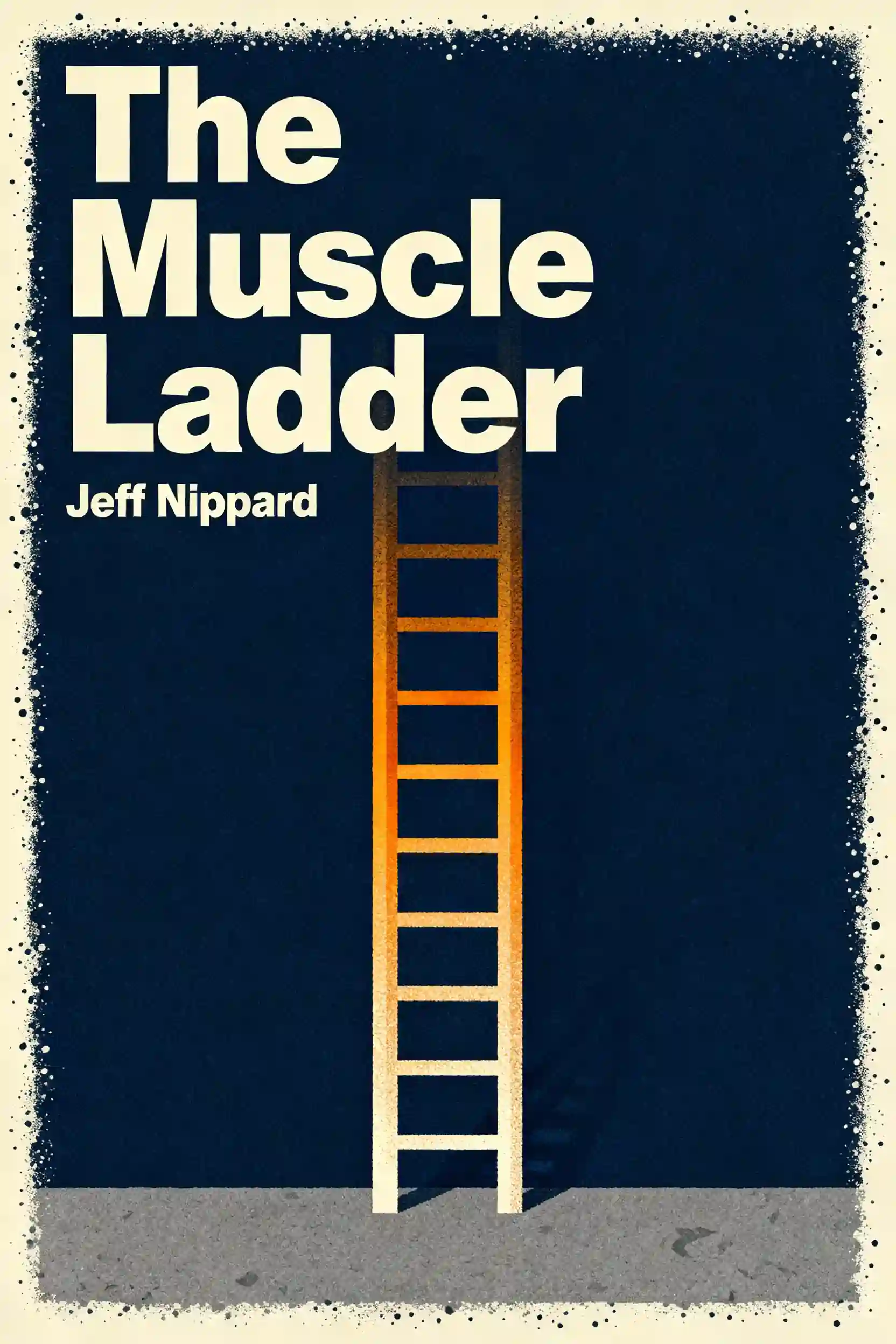
Strength training, specifically "maximal strength" work, improves the nervous system's ability to recruit muscle fibers efficiently. Because power is the product of force and velocity, increasing the amount of force you can produce allows you to move your own limbs or an opponent's body much faster. Furthermore, high maximal strength increases endurance because each individual movement—like a punch or a sprawl—uses a smaller percentage of your total physical capacity, preventing you from "red-lining" or fatiguing as quickly as a weaker athlete.
Stress Inoculation Training is a mental and physical conditioning method used by elite units like the Navy SEALs to prevent "freezing" under pressure. It works like a vaccine by exposing the trainee to small, controlled doses of stress—such as training in low light, wearing heavy gear, or practicing while exhausted—to acclimatize the body to the physiological response of fear. This process helps "de-couple" the panic response from the situation, allowing the individual to maintain situational awareness and execute technical skills in the "fog of war."
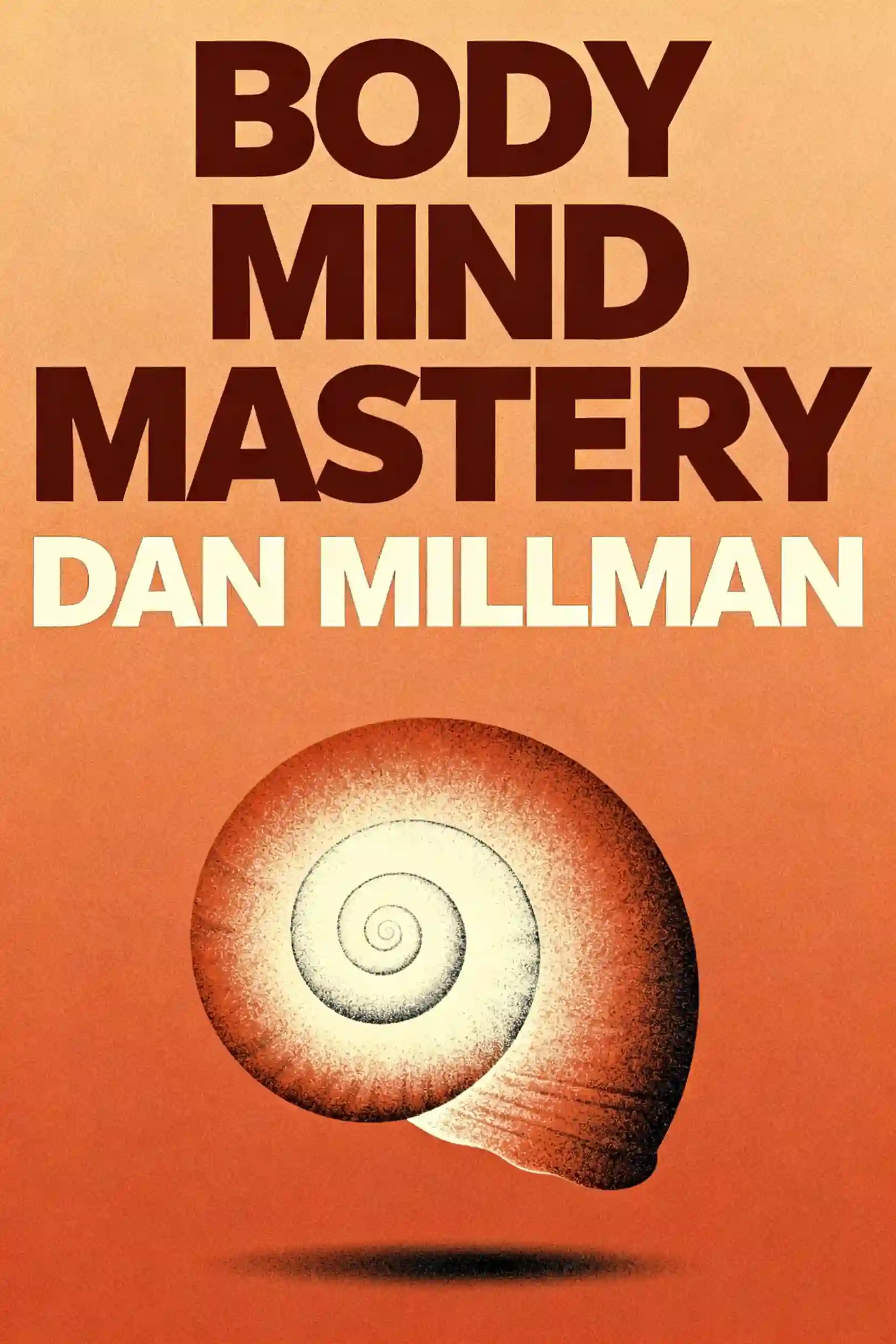
While many combat systems focus on generating tension and "stiffness" for power, Systema emphasizes that "tension is the enemy." It prioritizes breathing, relaxation, movement, and posture to ensure that a fighter does not waste energy or telegraph their movements. By staying relaxed, a practitioner can move more fluidly and unpredictably, only creating "stiffness" at the exact moment of impact. This approach also focuses on "meditation under fire," teaching fighters to breathe through pain to avoid a panic response.
The foundation of the "physical engine" is built on Squats, Deadlifts, and Presses. These are compound movements that load the entire body and train multiple joints simultaneously. The Deadlift is considered the "king" because it develops the posterior chain—the glutes, hamstrings, and back—which serves as the body's powerhouse for takedowns and clinching. Squats build the leg drive necessary for striking, while presses develop the upper body's ability to transfer force.
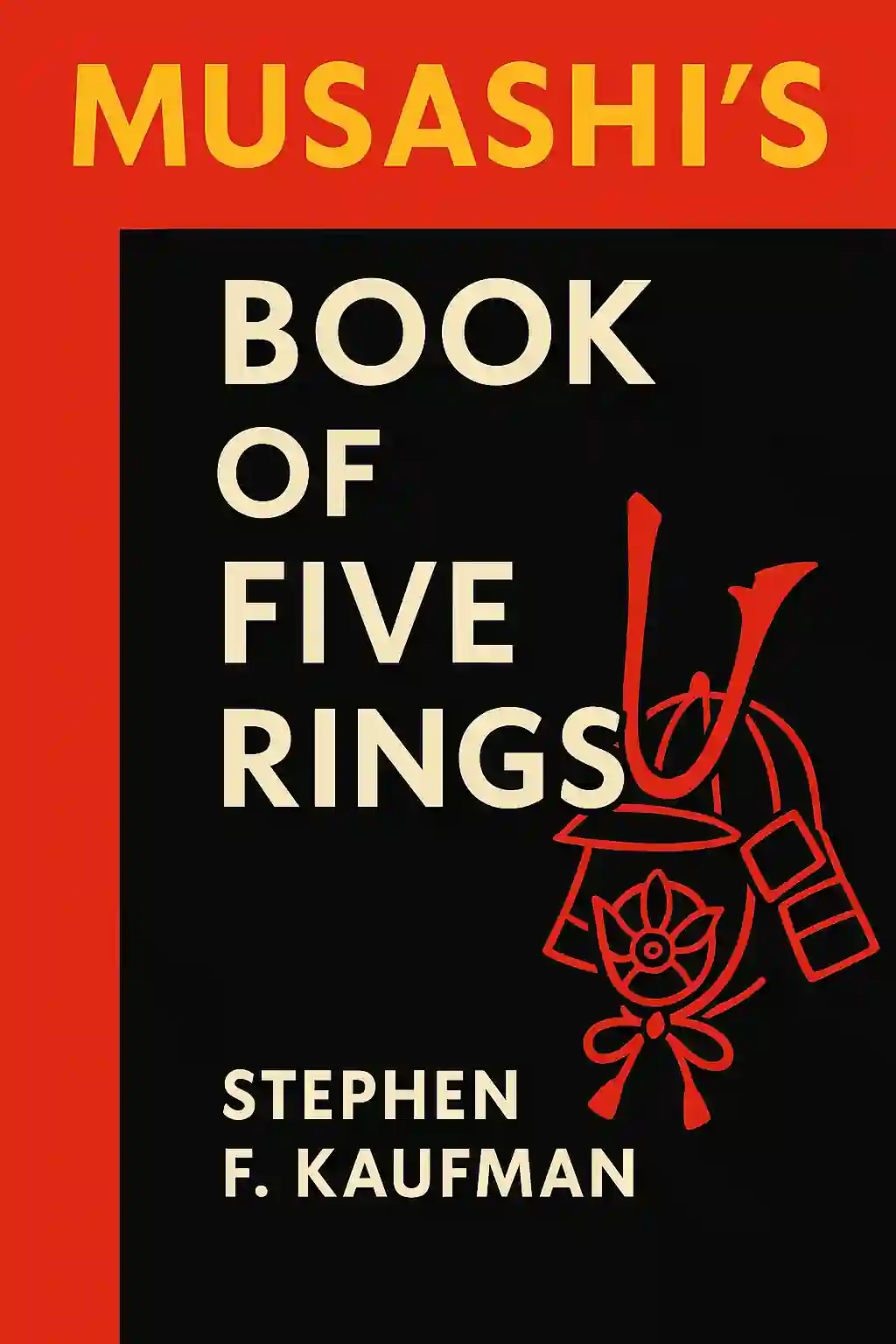
The clinch is the "middle space" where two fighters are standing but tied up or grappling. It is a high-stakes struggle for "positional dominance" where one person attempts to control the other’s head, posture, and balance using levers and frames. In a tactical sense, the clinch is vital because it is where "wall fighting" and weapon retention occur. Dominating the clinch gives a person the "freedom of choice" to either take the fight to the ground, stay standing to strike, or disengage and escape the situation entirely.
"Instead of endless scrolling, I just hit play on BeFreed. It saves me so much time."


"I never knew where to start with nonfiction—BeFreed’s book lists turned into podcasts gave me a clear path."


"Perfect balance between learning and entertainment. Finished ‘Thinking, Fast and Slow’ on my commute this week."
"Crazy how much I learned while walking the dog. BeFreed = small habits → big gains."
"Reading used to feel like a chore. Now it’s just part of my lifestyle."

"Feels effortless compared to reading. I’ve finished 6 books this month already."
"BeFreed turned my guilty doomscrolling into something that feels productive and inspiring."

"BeFreed turned my commute into learning time. 20-min podcasts are perfect for finishing books I never had time for."
"BeFreed replaced my podcast queue. Imagine Spotify for books — that’s it. 🙌"

"It is great for me to learn something from the book without reading it."
"The themed book list podcasts help me connect ideas across authors—like a guided audio journey."
"Makes me feel smarter every time before going to work"
"Instead of endless scrolling, I just hit play on BeFreed. It saves me so much time."
"I never knew where to start with nonfiction—BeFreed’s book lists turned into podcasts gave me a clear path."
"Perfect balance between learning and entertainment. Finished ‘Thinking, Fast and Slow’ on my commute this week."
"Crazy how much I learned while walking the dog. BeFreed = small habits → big gains."
"Reading used to feel like a chore. Now it’s just part of my lifestyle."
"Feels effortless compared to reading. I’ve finished 6 books this month already."
"BeFreed turned my guilty doomscrolling into something that feels productive and inspiring."
"BeFreed turned my commute into learning time. 20-min podcasts are perfect for finishing books I never had time for."
"BeFreed replaced my podcast queue. Imagine Spotify for books — that’s it. 🙌"
"It is great for me to learn something from the book without reading it."
"The themed book list podcasts help me connect ideas across authors—like a guided audio journey."
"Makes me feel smarter every time before going to work"
"Instead of endless scrolling, I just hit play on BeFreed. It saves me so much time."
"I never knew where to start with nonfiction—BeFreed’s book lists turned into podcasts gave me a clear path."
"Perfect balance between learning and entertainment. Finished ‘Thinking, Fast and Slow’ on my commute this week."
"Crazy how much I learned while walking the dog. BeFreed = small habits → big gains."
"Reading used to feel like a chore. Now it’s just part of my lifestyle."
"Feels effortless compared to reading. I’ve finished 6 books this month already."
"BeFreed turned my guilty doomscrolling into something that feels productive and inspiring."
"BeFreed turned my commute into learning time. 20-min podcasts are perfect for finishing books I never had time for."
"BeFreed replaced my podcast queue. Imagine Spotify for books — that’s it. 🙌"
"It is great for me to learn something from the book without reading it."
"The themed book list podcasts help me connect ideas across authors—like a guided audio journey."
"Makes me feel smarter every time before going to work"
"Instead of endless scrolling, I just hit play on BeFreed. It saves me so much time."
"I never knew where to start with nonfiction—BeFreed’s book lists turned into podcasts gave me a clear path."
"Perfect balance between learning and entertainment. Finished ‘Thinking, Fast and Slow’ on my commute this week."
"Crazy how much I learned while walking the dog. BeFreed = small habits → big gains."
"Reading used to feel like a chore. Now it’s just part of my lifestyle."
"Feels effortless compared to reading. I’ve finished 6 books this month already."
"BeFreed turned my guilty doomscrolling into something that feels productive and inspiring."
"BeFreed turned my commute into learning time. 20-min podcasts are perfect for finishing books I never had time for."
"BeFreed replaced my podcast queue. Imagine Spotify for books — that’s it. 🙌"
"It is great for me to learn something from the book without reading it."
"The themed book list podcasts help me connect ideas across authors—like a guided audio journey."
"Makes me feel smarter every time before going to work"