Unpacking C.S. Lewis's Mere Christianity
Explore how Lewis's WWII radio talks became an enduring Christian classic that makes complex theology accessible across denominations, starting with his famous moral argument for God's existence.

Unpacking C.S. Lewis's Mere Christianity最佳语录
Lewis argues that if we have genuine moral knowledge—if we can really know that some things are right and others wrong—then that knowledge needs a 'ground and consequent' explanation, not just a causal one.

此音频课程由 BeFreed 社区成员创建
Cs Lewis : Mere Christianity / book


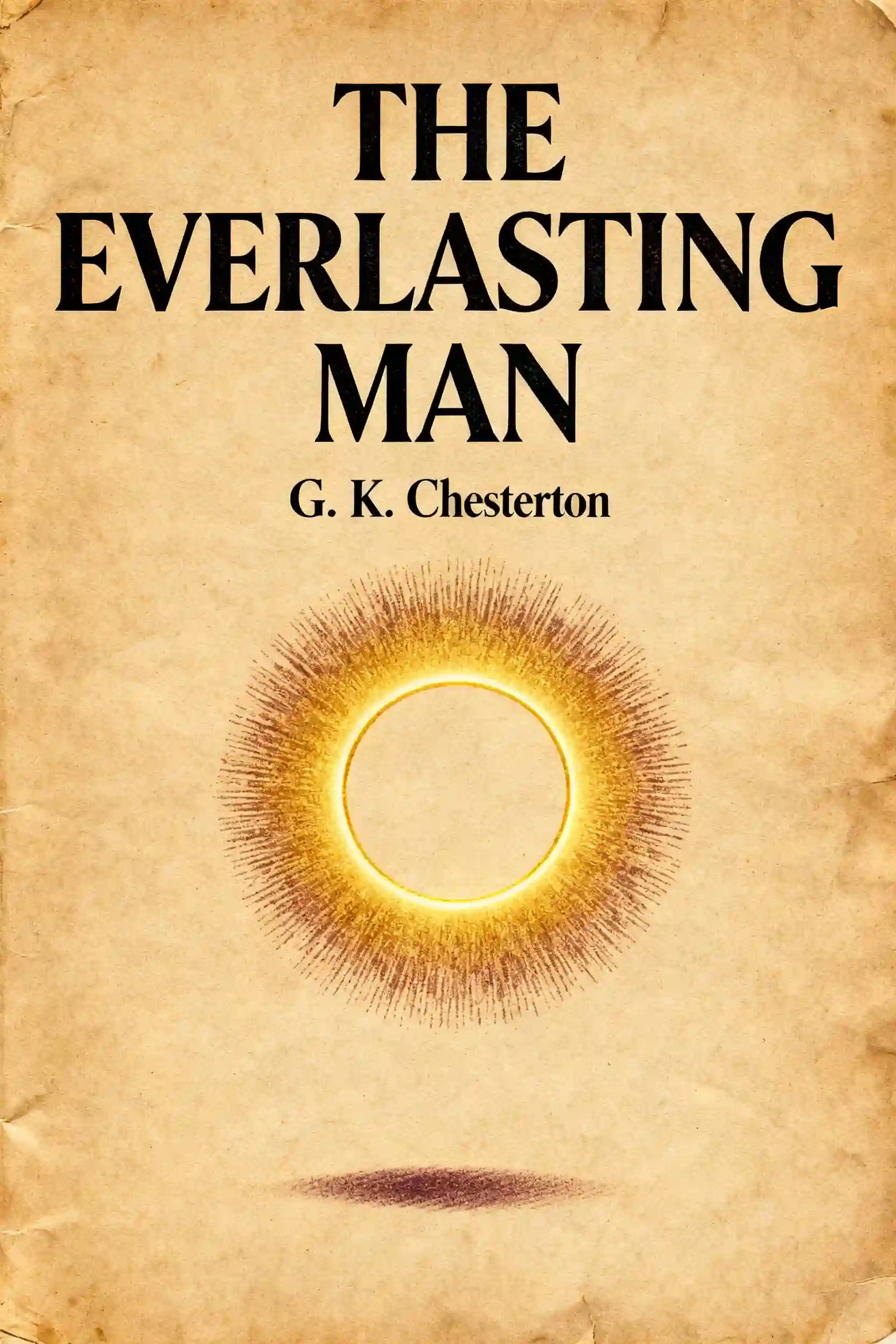
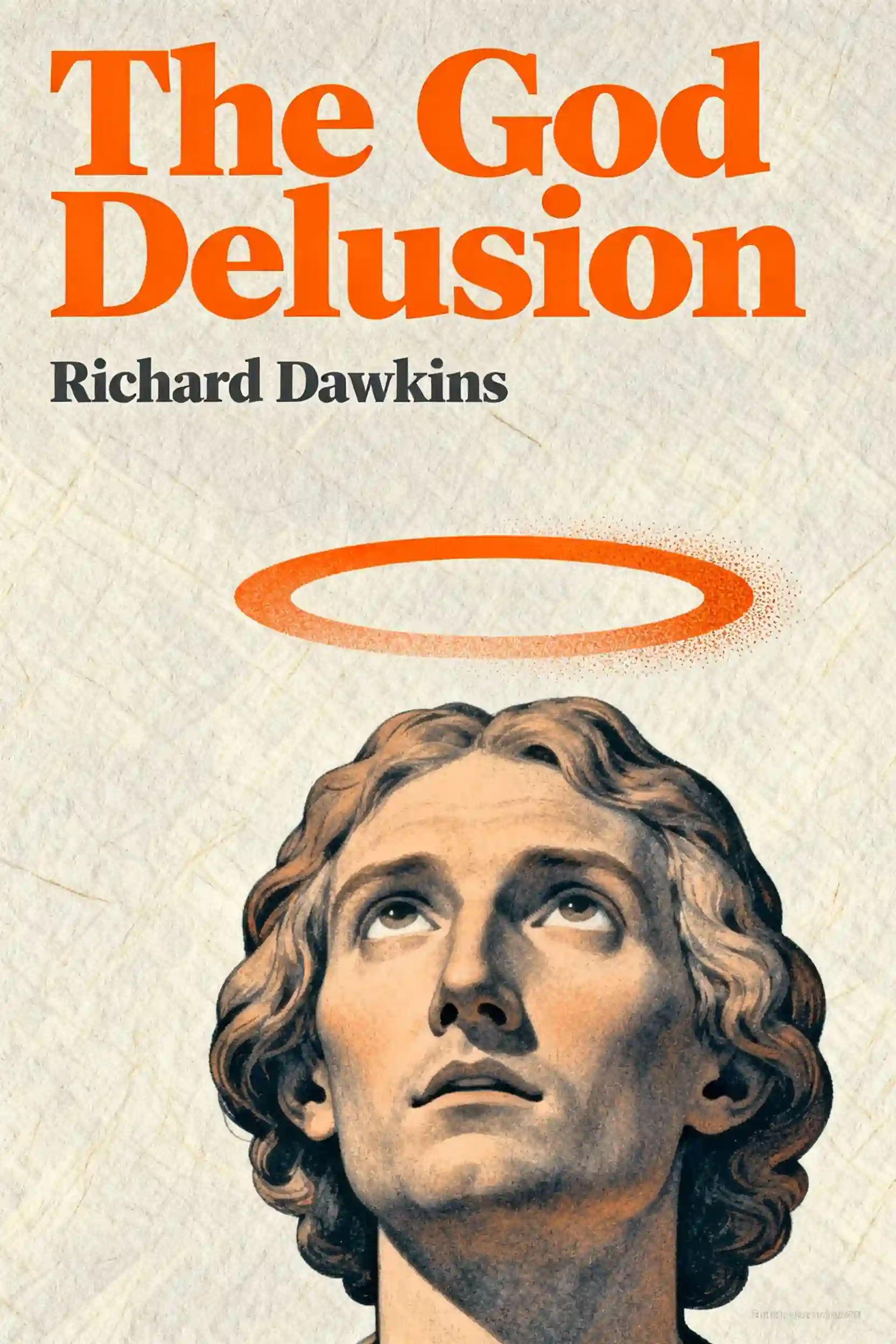
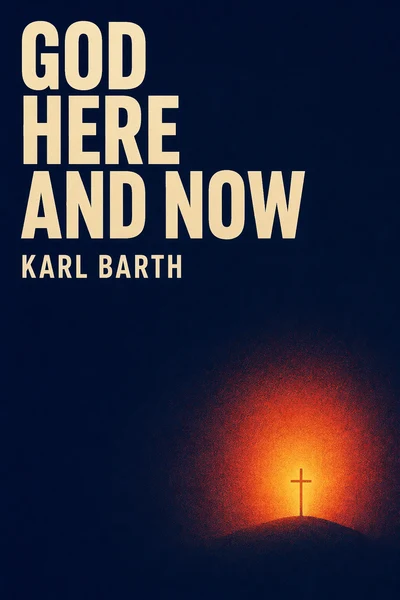
发现更多

Macdonald & Universalist Philosophy
This plan is essential for students of theology and literature seeking to understand the roots of inclusive salvation. It is ideal for those interested in George MacDonald’s influence on spiritual thought and the historical shift away from traditional dogmas.

Christianity
This comprehensive learning plan offers a structured journey through Christianity's intellectual, spiritual, and historical dimensions. It's ideal for seekers exploring Christian faith, new believers wanting to deepen their understanding, or seasoned Christians desiring to refresh their foundations and engage more thoughtfully with their tradition in today's world.

The Great Debate: Christianity vs. Secular Critique
This plan provides a rigorous framework for navigating the intellectual tension between faith and modern skepticism. It is ideal for students of philosophy, theology, or anyone seeking to articulate their worldview in an increasingly pluralistic society.
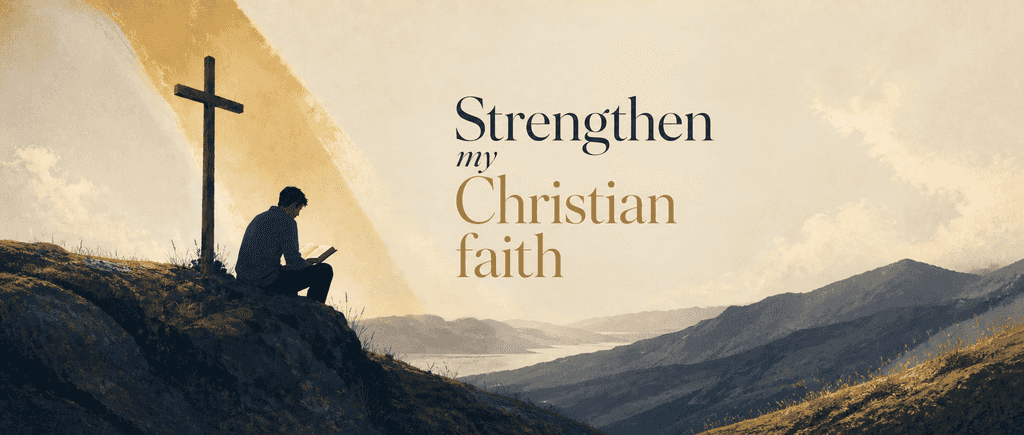
Strengthen my Christian faith
This plan is designed for believers seeking to move beyond surface-level knowledge into a robust, defensible, and lived-out faith. It benefits anyone looking to bridge the gap between theological understanding and practical daily discipleship within a supportive community.

The Munger Latticework: Worldly Wisdom for Better Decisions
This plan distills Charlie Munger’s philosophy into actionable strategies for navigating complex systems. It is essential for investors, strategists, and leaders who want to avoid cognitive biases and build wealth through rational, multidisciplinary thinking.
Beginner's Guide to Catholic Faith & Roots
This learning plan provides a comprehensive entry point for seekers and new believers to understand the rich heritage and theology of Catholicism. It bridges the gap between historical context and modern daily practice, making it ideal for anyone looking to deepen their spiritual identity.
Read a book of the Bible.
This learning plan is essential for anyone looking to move beyond surface-level reading to a deep, transformative engagement with Scripture. It is designed for both new believers seeking a foundation and seasoned readers wanting to master cultural context and hermeneutics.

Bible, Quantum Physics & Theology Link
This plan bridges the perceived gap between ancient scripture and modern science, offering a unique interdisciplinary perspective on the nature of reality. It is ideal for theologians, science enthusiasts, and seekers curious about how quantum theory illuminates divine mystery.
"Instead of endless scrolling, I just hit play on BeFreed. It saves me so much time."


"I never knew where to start with nonfiction—BeFreed’s book lists turned into podcasts gave me a clear path."


"Perfect balance between learning and entertainment. Finished ‘Thinking, Fast and Slow’ on my commute this week."
"Crazy how much I learned while walking the dog. BeFreed = small habits → big gains."
"Reading used to feel like a chore. Now it’s just part of my lifestyle."

"Feels effortless compared to reading. I’ve finished 6 books this month already."
"BeFreed turned my guilty doomscrolling into something that feels productive and inspiring."

"BeFreed turned my commute into learning time. 20-min podcasts are perfect for finishing books I never had time for."
"BeFreed replaced my podcast queue. Imagine Spotify for books — that’s it. 🙌"

"It is great for me to learn something from the book without reading it."
"The themed book list podcasts help me connect ideas across authors—like a guided audio journey."
"Makes me feel smarter every time before going to work"
"Instead of endless scrolling, I just hit play on BeFreed. It saves me so much time."
"I never knew where to start with nonfiction—BeFreed’s book lists turned into podcasts gave me a clear path."
"Perfect balance between learning and entertainment. Finished ‘Thinking, Fast and Slow’ on my commute this week."
"Crazy how much I learned while walking the dog. BeFreed = small habits → big gains."
"Reading used to feel like a chore. Now it’s just part of my lifestyle."
"Feels effortless compared to reading. I’ve finished 6 books this month already."
"BeFreed turned my guilty doomscrolling into something that feels productive and inspiring."
"BeFreed turned my commute into learning time. 20-min podcasts are perfect for finishing books I never had time for."
"BeFreed replaced my podcast queue. Imagine Spotify for books — that’s it. 🙌"
"It is great for me to learn something from the book without reading it."
"The themed book list podcasts help me connect ideas across authors—like a guided audio journey."
"Makes me feel smarter every time before going to work"
"Instead of endless scrolling, I just hit play on BeFreed. It saves me so much time."
"I never knew where to start with nonfiction—BeFreed’s book lists turned into podcasts gave me a clear path."
"Perfect balance between learning and entertainment. Finished ‘Thinking, Fast and Slow’ on my commute this week."
"Crazy how much I learned while walking the dog. BeFreed = small habits → big gains."
"Reading used to feel like a chore. Now it’s just part of my lifestyle."
"Feels effortless compared to reading. I’ve finished 6 books this month already."
"BeFreed turned my guilty doomscrolling into something that feels productive and inspiring."
"BeFreed turned my commute into learning time. 20-min podcasts are perfect for finishing books I never had time for."
"BeFreed replaced my podcast queue. Imagine Spotify for books — that’s it. 🙌"
"It is great for me to learn something from the book without reading it."
"The themed book list podcasts help me connect ideas across authors—like a guided audio journey."
"Makes me feel smarter every time before going to work"
"Instead of endless scrolling, I just hit play on BeFreed. It saves me so much time."
"I never knew where to start with nonfiction—BeFreed’s book lists turned into podcasts gave me a clear path."
"Perfect balance between learning and entertainment. Finished ‘Thinking, Fast and Slow’ on my commute this week."
"Crazy how much I learned while walking the dog. BeFreed = small habits → big gains."
"Reading used to feel like a chore. Now it’s just part of my lifestyle."
"Feels effortless compared to reading. I’ve finished 6 books this month already."
"BeFreed turned my guilty doomscrolling into something that feels productive and inspiring."
"BeFreed turned my commute into learning time. 20-min podcasts are perfect for finishing books I never had time for."
"BeFreed replaced my podcast queue. Imagine Spotify for books — that’s it. 🙌"
"It is great for me to learn something from the book without reading it."
"The themed book list podcasts help me connect ideas across authors—like a guided audio journey."
"Makes me feel smarter every time before going to work"