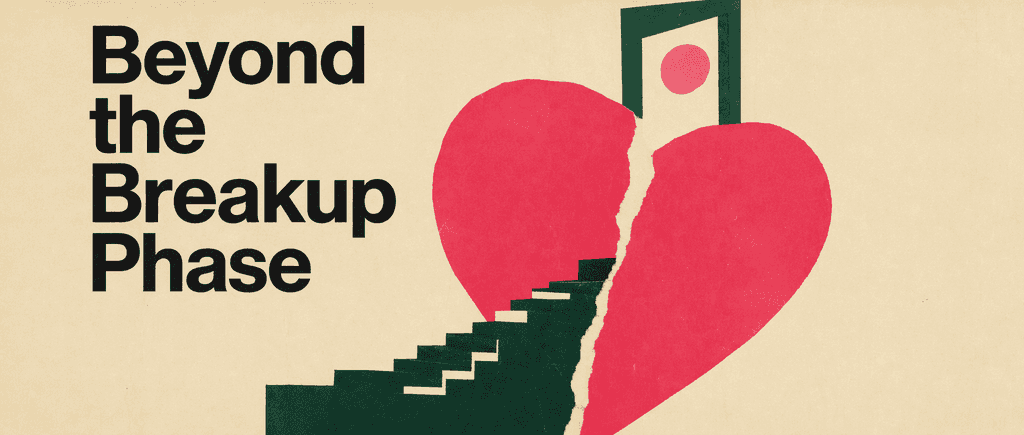
The Science of Rebuilding After a Breakup
Explore the neurochemistry of heartbreak and discover a practical twelve-week playbook for reclaiming your identity and thriving after a long-term relationship ends.

The Science of Rebuilding After a Breakup最佳语录
Closure isn't something someone gives you; it’s something you create for yourself by deciding that the story has reached its end.
Generated by Lali
How to improve life during separation from long term relationships

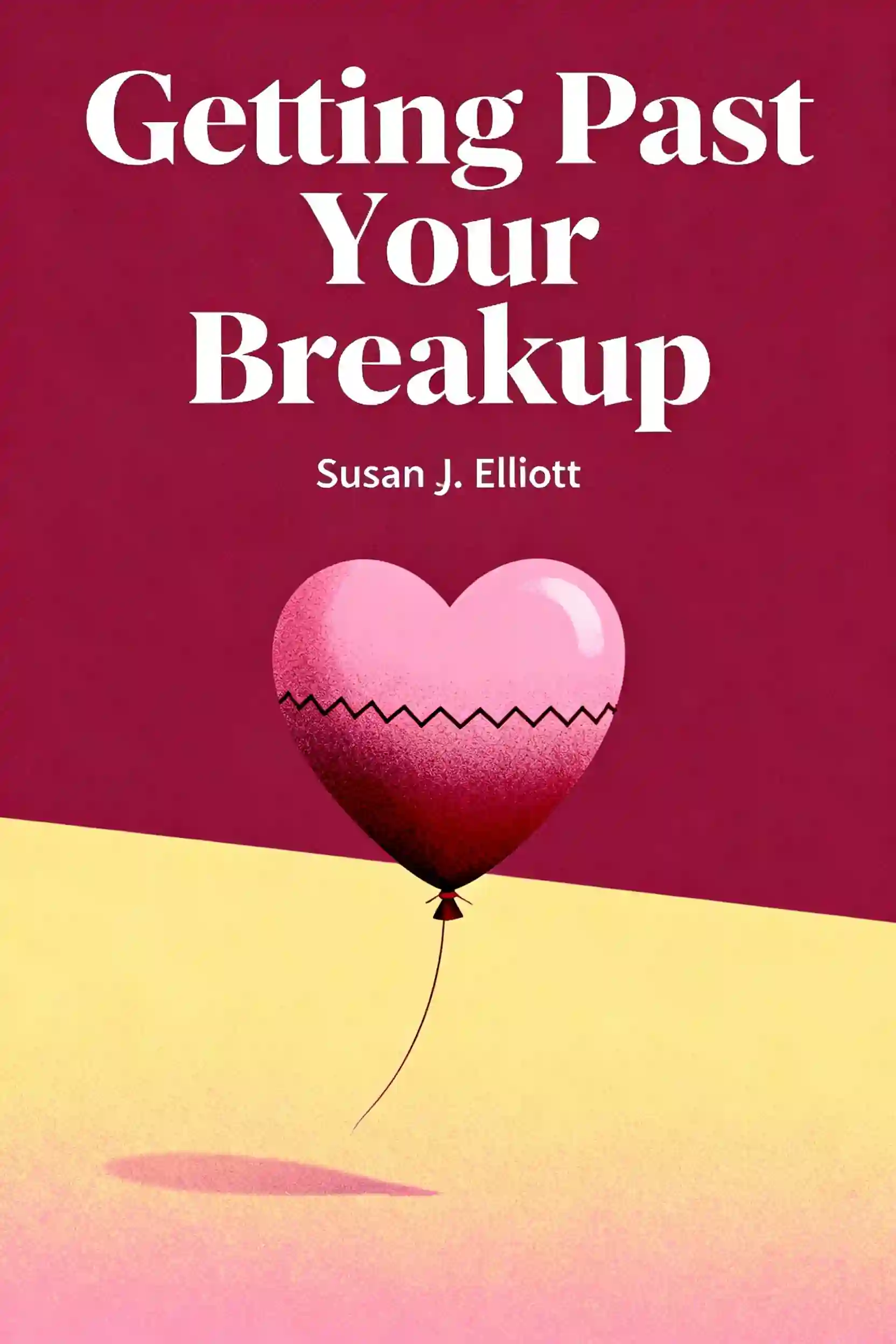
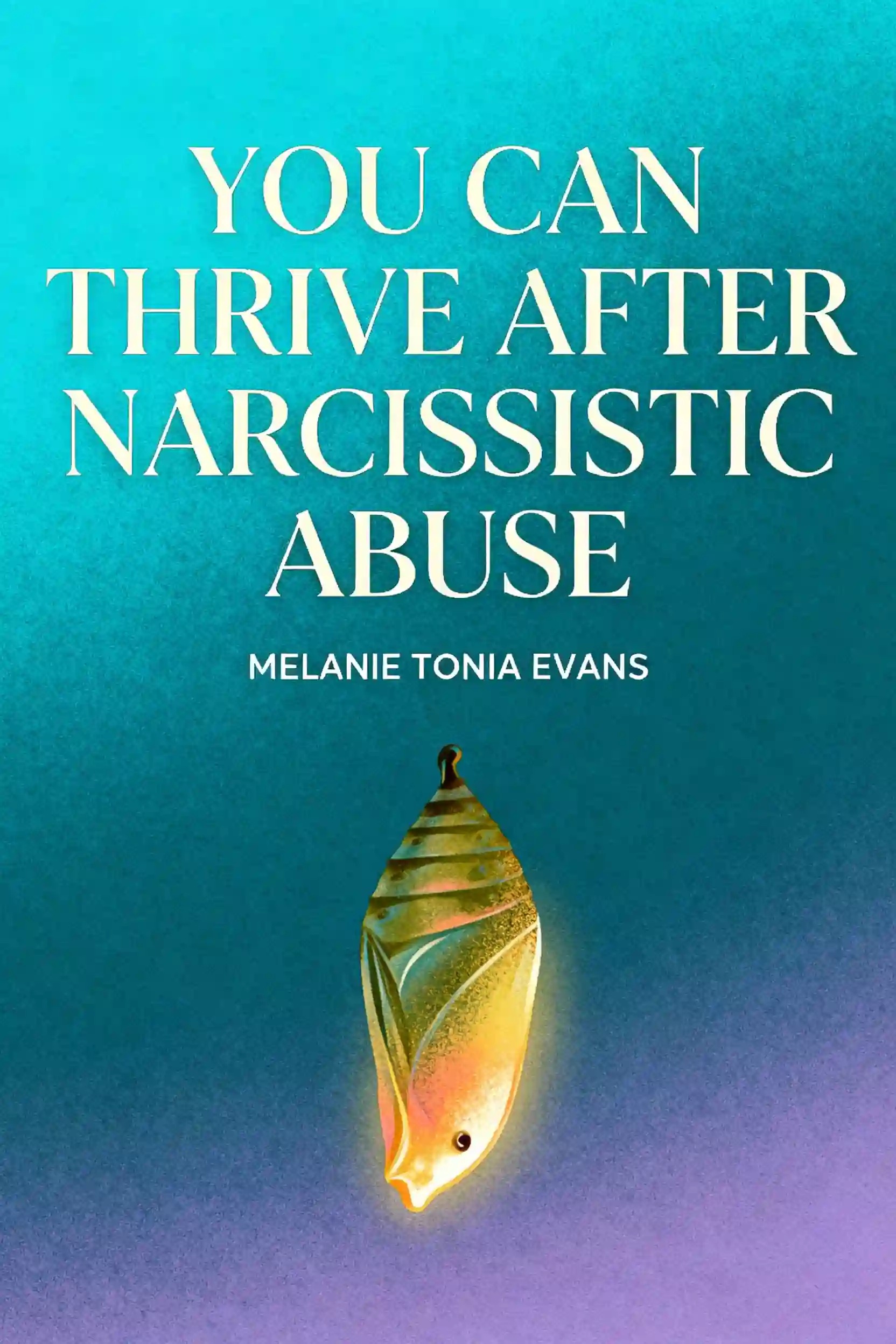
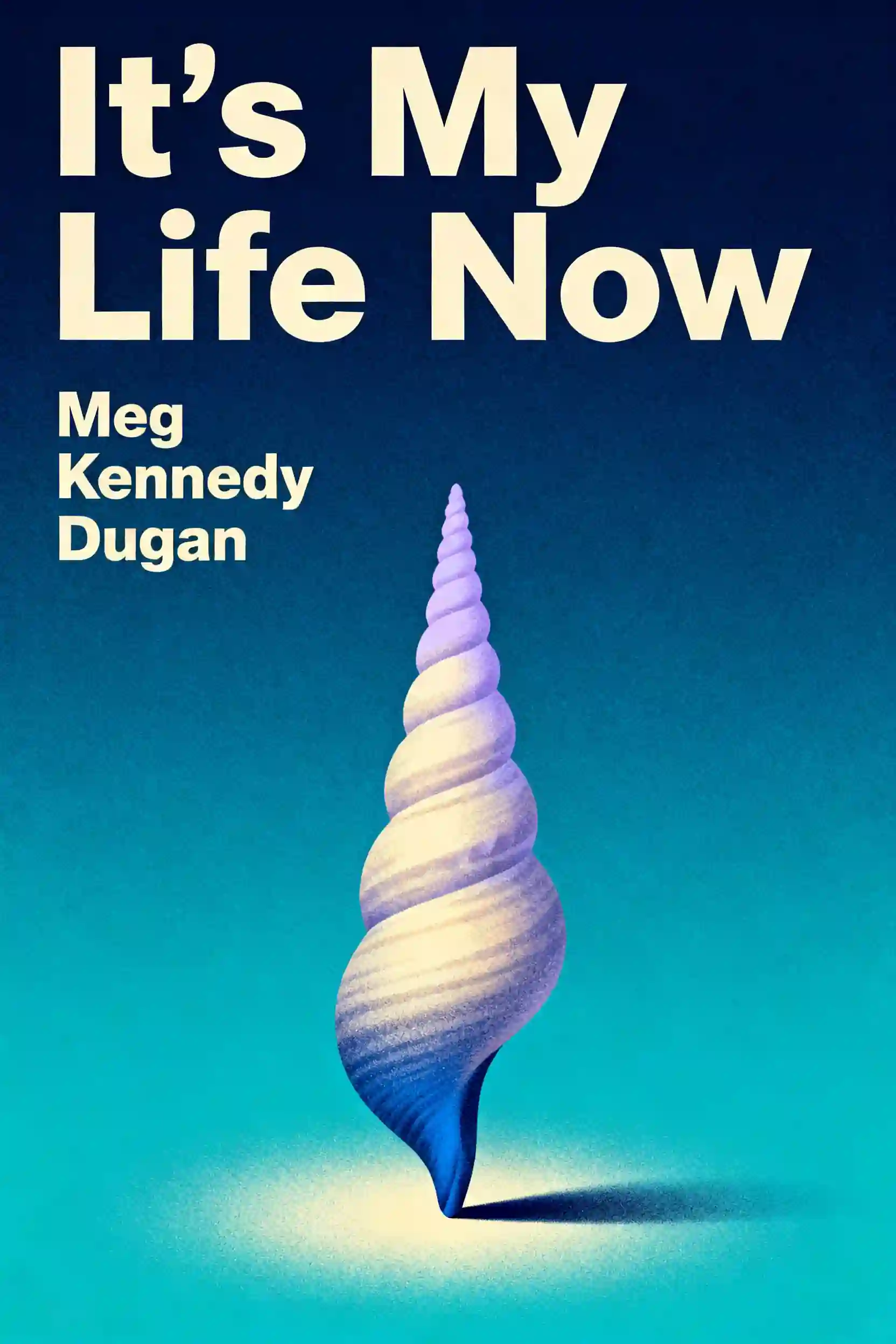
常见问题
When you are in a relationship, your brain is consistently reinforced by neurochemicals like dopamine. Breaking that bond causes a physical withdrawal similar to a detox. Furthermore, research shows that heartbreak activates the same regions of the brain that process physical pain, triggering a neurological alarm system. This stress causes a spike in cortisol, which can lead to physical symptoms such as disrupted sleep, changes in appetite, and a weakened immune system.
No contact is a total digital and emotional detox intended to give your dopamine receptors a chance to reset and your brain the space to recalibrate without being triggered by new photos or texts. Structured or low contact is used when logistics, such as children or shared finances, make total silence impossible. In these cases, communication is kept strictly professional and logistical, avoiding all emotional processing or personal "check-ins" to protect your emotional bandwidth.
To break the cycle of rumination, you can use "thought redirection" to gently move your attention to a new activity when you notice a spiral starting. Another effective tool is "worry time," where you designate a specific fifteen-minute window each day to process the grief; once the time is up, you consciously close the container until the next day. Additionally, creating a "Reality List" of the reasons the relationship wasn't working can help counter cognitive distortions that cause you to idealize the past.
Recovery involves addressing "self-expansion loss" by intentionally rediscovering who you are as an individual. You can start by reconnecting with hobbies you enjoyed before the relationship or by trying entirely new activities that have no "relationship ghosts" or shared memories attached to them. Building a new, predictable routine—prioritizing sleep, exercise, and new rituals for "dead zones" like weekends—helps signal safety to your nervous system and rebuilds your sense of agency.
Forgiveness is described as a "deliberate release" of resentment for your own benefit, rather than excusing the other person's behavior. It is a process of reclaiming your emotional sovereignty so that the other person no longer has a "vote" in your daily emotional state. This process often begins with radical acceptance of the situation and self-compassion for your past self, eventually leading to a state of closure where the emotional charge of the memory is gone.
"Instead of endless scrolling, I just hit play on BeFreed. It saves me so much time."


"I never knew where to start with nonfiction—BeFreed’s book lists turned into podcasts gave me a clear path."


"Perfect balance between learning and entertainment. Finished ‘Thinking, Fast and Slow’ on my commute this week."
"Crazy how much I learned while walking the dog. BeFreed = small habits → big gains."
"Reading used to feel like a chore. Now it’s just part of my lifestyle."

"Feels effortless compared to reading. I’ve finished 6 books this month already."
"BeFreed turned my guilty doomscrolling into something that feels productive and inspiring."

"BeFreed turned my commute into learning time. 20-min podcasts are perfect for finishing books I never had time for."
"BeFreed replaced my podcast queue. Imagine Spotify for books — that’s it. 🙌"

"It is great for me to learn something from the book without reading it."
"The themed book list podcasts help me connect ideas across authors—like a guided audio journey."
"Makes me feel smarter every time before going to work"
"Instead of endless scrolling, I just hit play on BeFreed. It saves me so much time."
"I never knew where to start with nonfiction—BeFreed’s book lists turned into podcasts gave me a clear path."
"Perfect balance between learning and entertainment. Finished ‘Thinking, Fast and Slow’ on my commute this week."
"Crazy how much I learned while walking the dog. BeFreed = small habits → big gains."
"Reading used to feel like a chore. Now it’s just part of my lifestyle."
"Feels effortless compared to reading. I’ve finished 6 books this month already."
"BeFreed turned my guilty doomscrolling into something that feels productive and inspiring."
"BeFreed turned my commute into learning time. 20-min podcasts are perfect for finishing books I never had time for."
"BeFreed replaced my podcast queue. Imagine Spotify for books — that’s it. 🙌"
"It is great for me to learn something from the book without reading it."
"The themed book list podcasts help me connect ideas across authors—like a guided audio journey."
"Makes me feel smarter every time before going to work"
"Instead of endless scrolling, I just hit play on BeFreed. It saves me so much time."
"I never knew where to start with nonfiction—BeFreed’s book lists turned into podcasts gave me a clear path."
"Perfect balance between learning and entertainment. Finished ‘Thinking, Fast and Slow’ on my commute this week."
"Crazy how much I learned while walking the dog. BeFreed = small habits → big gains."
"Reading used to feel like a chore. Now it’s just part of my lifestyle."
"Feels effortless compared to reading. I’ve finished 6 books this month already."
"BeFreed turned my guilty doomscrolling into something that feels productive and inspiring."
"BeFreed turned my commute into learning time. 20-min podcasts are perfect for finishing books I never had time for."
"BeFreed replaced my podcast queue. Imagine Spotify for books — that’s it. 🙌"
"It is great for me to learn something from the book without reading it."
"The themed book list podcasts help me connect ideas across authors—like a guided audio journey."
"Makes me feel smarter every time before going to work"
"Instead of endless scrolling, I just hit play on BeFreed. It saves me so much time."
"I never knew where to start with nonfiction—BeFreed’s book lists turned into podcasts gave me a clear path."
"Perfect balance between learning and entertainment. Finished ‘Thinking, Fast and Slow’ on my commute this week."
"Crazy how much I learned while walking the dog. BeFreed = small habits → big gains."
"Reading used to feel like a chore. Now it’s just part of my lifestyle."
"Feels effortless compared to reading. I’ve finished 6 books this month already."
"BeFreed turned my guilty doomscrolling into something that feels productive and inspiring."
"BeFreed turned my commute into learning time. 20-min podcasts are perfect for finishing books I never had time for."
"BeFreed replaced my podcast queue. Imagine Spotify for books — that’s it. 🙌"
"It is great for me to learn something from the book without reading it."
"The themed book list podcasts help me connect ideas across authors—like a guided audio journey."
"Makes me feel smarter every time before going to work"