The Romantic Invention of the Individual Author
Explore how 19th-century Romanticism shifted literature from a craft to a soul-baring expression, creating the modern myth of the sovereign author as a rebel against a mechanical world.

The Romantic Invention of the Individual Author最佳语录
The more 'individual' you are, the more you might actually speak for humanity. It’s the paradox of the movement: by looking deep enough into your own unique experience, you actually hit something universal.
Generated by Lilly
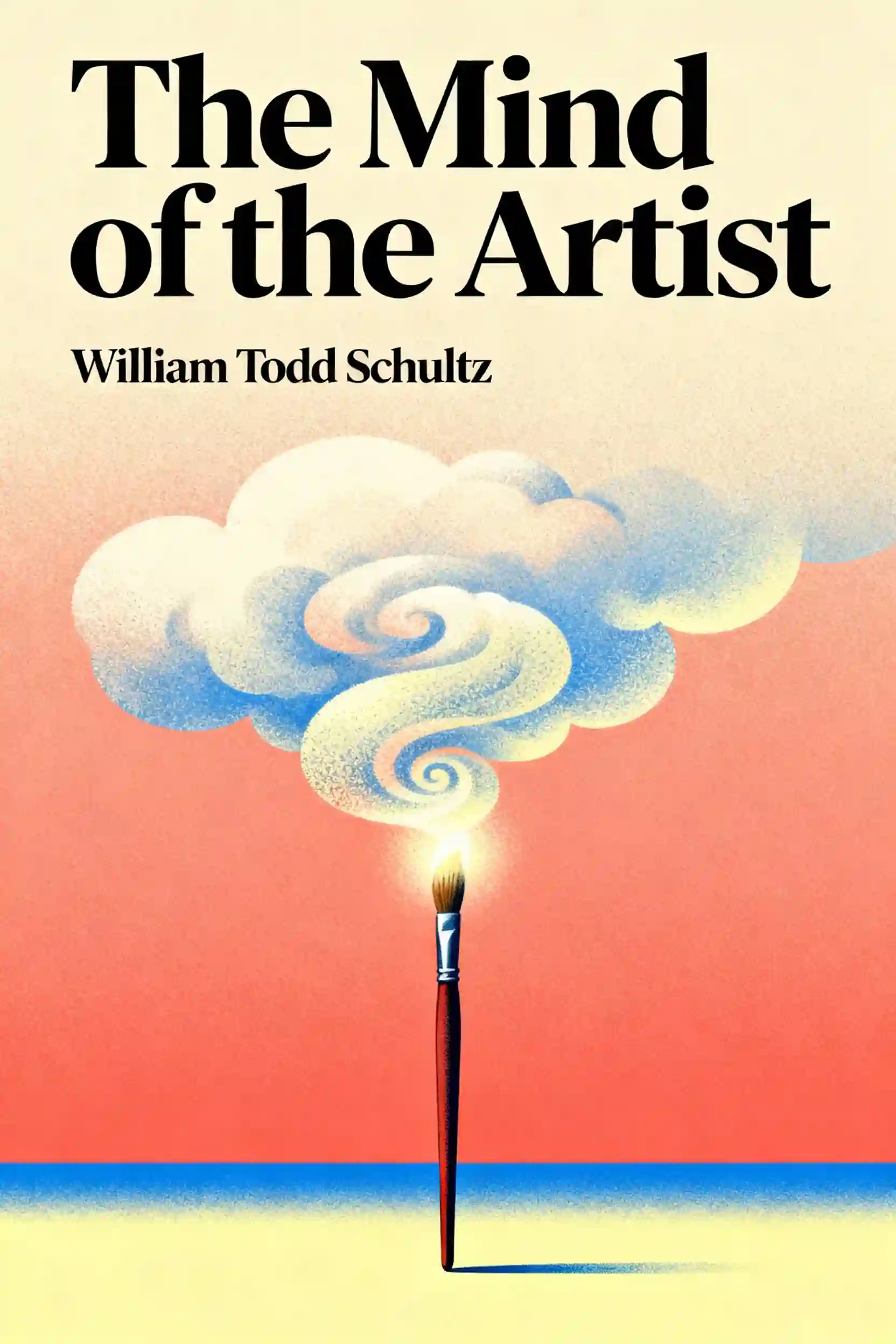
The sender-centered literary proposal inherited from 19th century Romanticism

常见问题
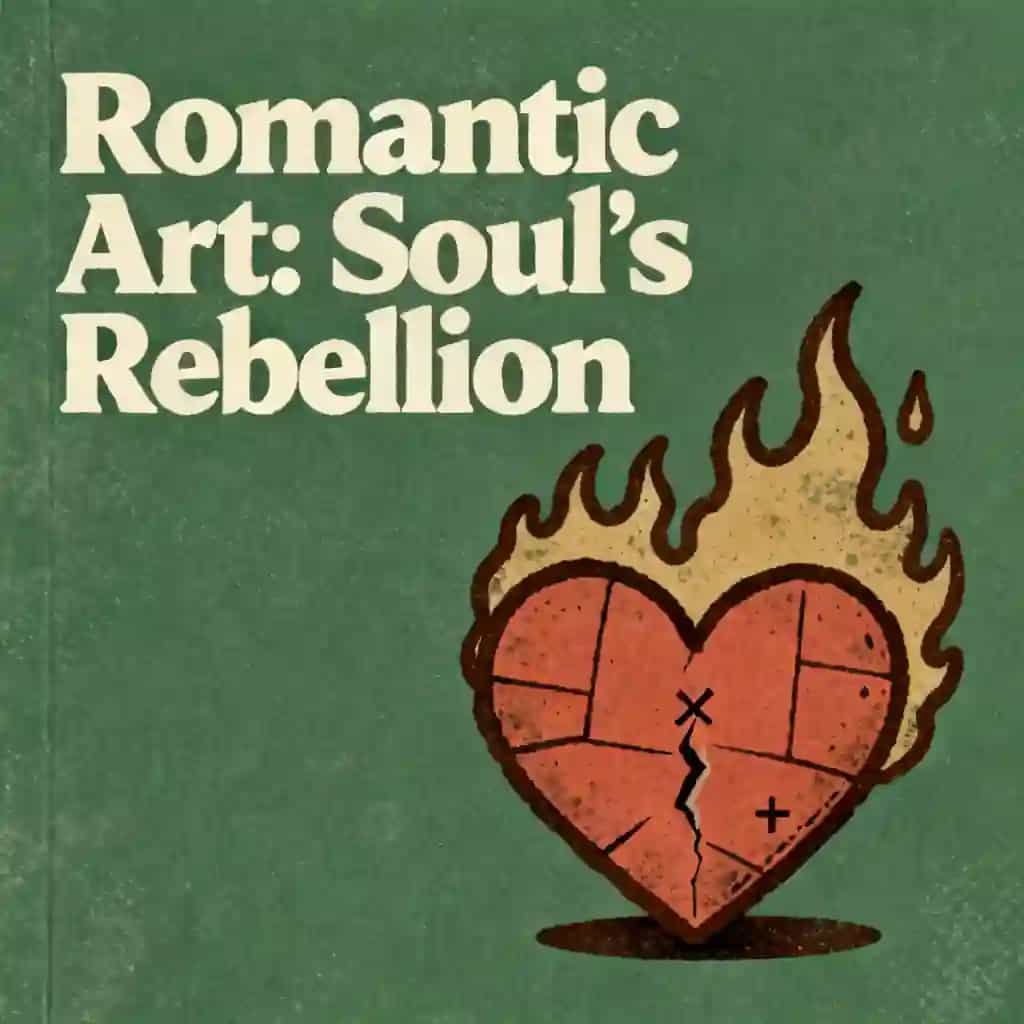
A sender-centered approach, which gained prominence during the 19th-century Romantic movement, views a text as an outward expression of the author’s intimate, personal feelings. Instead of art being a "mirror" that reflects external reality or universal truths, it becomes a "prism" or a source of illumination from the world within. In this framework, the author’s sincerity and authenticity are the primary measures of a work's quality, rather than its adherence to traditional rules or technical structures.
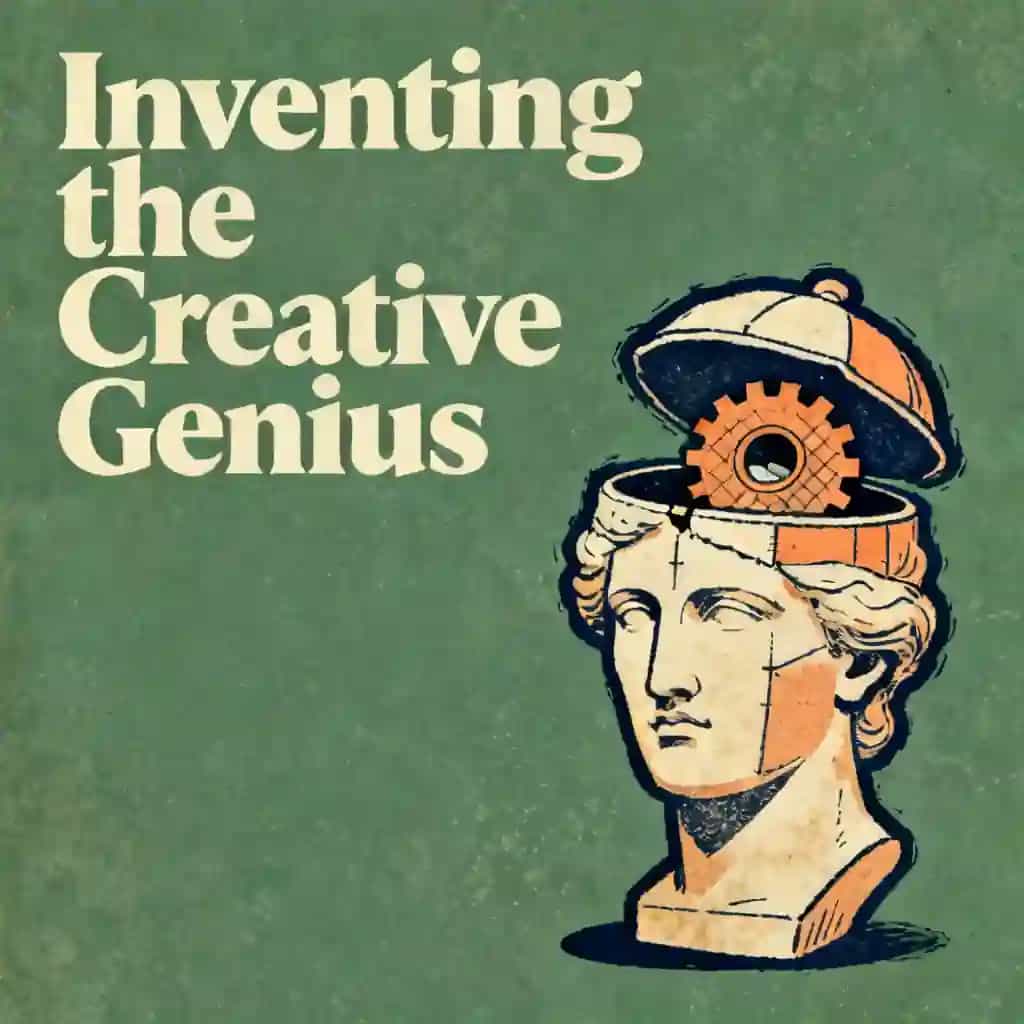
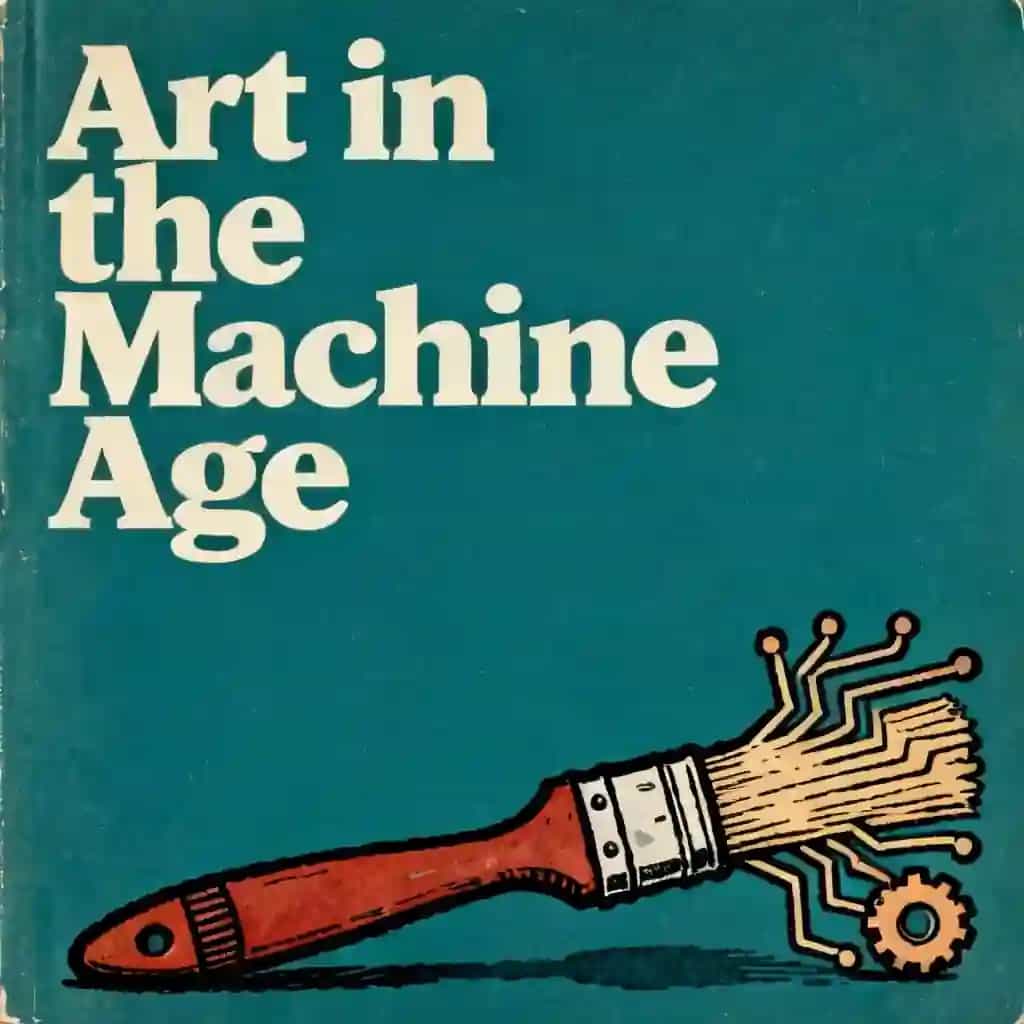
The Romantics were reacting against the Industrial Revolution and the Enlightenment’s image of the universe as a cold, ticking machine. They felt that the division of labor and urbanization turned human beings into "fragments" or cogs in a wheel. By rejecting this mechanical reality, they sought to reclaim a sense of "totality" through the imagination. They preferred "organic" metaphors, like a living tree, to describe both the universe and the creative process, believing that art should grow naturally from the inspired creator rather than being manufactured according to rigid rules.
The author shifted from being a "craftsman" who followed established Neoclassical rules to an "inspired creator" or "visionary." This era saw the rise of the "hero-artist," a figure like Prometheus who defies social order to bring truth to the people. Authors became "unacknowledged legislators" who provided the emotional and symbolic framework for how to live. This led to a focus on the "poetic speaker" as the direct person of the poet, where the subject of the work often became the growth of the poet’s own mind rather than external events.
Contrary to the idea of the author as a disembodied soul, writers like Wordsworth emphasized that language should be grounded in "vivid sensation" and lived experience. This perspective suggests that meaning is located in the body and that "voice" carries the literal sound and physical presence of a person. By using language "saturated with sensation," the sender-centered proposal seeks to create a presence on the page that feels as alive as a human being, connecting the writer's internal thoughts to their corporeal encounters with the world.
Romanticism manifested in architecture through the Gothic Revival, which used mysterious and exotic details to evoke emotional reactions and nostalgia for a "bucolic" or traditional past. In the visual arts, landscape painting became a dominant form because it could capture the "sublime"—wild landscapes and storms that made humans feel small yet connected to the infinite. Artists like Turner and Friedrich used rough brushwork and solitary figures to prioritize light, feeling, and the "transitoriness of human life" over precise, objective accuracy.
"Instead of endless scrolling, I just hit play on BeFreed. It saves me so much time."


"I never knew where to start with nonfiction—BeFreed’s book lists turned into podcasts gave me a clear path."


"Perfect balance between learning and entertainment. Finished ‘Thinking, Fast and Slow’ on my commute this week."
"Crazy how much I learned while walking the dog. BeFreed = small habits → big gains."
"Reading used to feel like a chore. Now it’s just part of my lifestyle."

"Feels effortless compared to reading. I’ve finished 6 books this month already."
"BeFreed turned my guilty doomscrolling into something that feels productive and inspiring."

"BeFreed turned my commute into learning time. 20-min podcasts are perfect for finishing books I never had time for."
"BeFreed replaced my podcast queue. Imagine Spotify for books — that’s it. 🙌"

"It is great for me to learn something from the book without reading it."
"The themed book list podcasts help me connect ideas across authors—like a guided audio journey."
"Makes me feel smarter every time before going to work"
"Instead of endless scrolling, I just hit play on BeFreed. It saves me so much time."
"I never knew where to start with nonfiction—BeFreed’s book lists turned into podcasts gave me a clear path."
"Perfect balance between learning and entertainment. Finished ‘Thinking, Fast and Slow’ on my commute this week."
"Crazy how much I learned while walking the dog. BeFreed = small habits → big gains."
"Reading used to feel like a chore. Now it’s just part of my lifestyle."
"Feels effortless compared to reading. I’ve finished 6 books this month already."
"BeFreed turned my guilty doomscrolling into something that feels productive and inspiring."
"BeFreed turned my commute into learning time. 20-min podcasts are perfect for finishing books I never had time for."
"BeFreed replaced my podcast queue. Imagine Spotify for books — that’s it. 🙌"
"It is great for me to learn something from the book without reading it."
"The themed book list podcasts help me connect ideas across authors—like a guided audio journey."
"Makes me feel smarter every time before going to work"
"Instead of endless scrolling, I just hit play on BeFreed. It saves me so much time."
"I never knew where to start with nonfiction—BeFreed’s book lists turned into podcasts gave me a clear path."
"Perfect balance between learning and entertainment. Finished ‘Thinking, Fast and Slow’ on my commute this week."
"Crazy how much I learned while walking the dog. BeFreed = small habits → big gains."
"Reading used to feel like a chore. Now it’s just part of my lifestyle."
"Feels effortless compared to reading. I’ve finished 6 books this month already."
"BeFreed turned my guilty doomscrolling into something that feels productive and inspiring."
"BeFreed turned my commute into learning time. 20-min podcasts are perfect for finishing books I never had time for."
"BeFreed replaced my podcast queue. Imagine Spotify for books — that’s it. 🙌"
"It is great for me to learn something from the book without reading it."
"The themed book list podcasts help me connect ideas across authors—like a guided audio journey."
"Makes me feel smarter every time before going to work"
"Instead of endless scrolling, I just hit play on BeFreed. It saves me so much time."
"I never knew where to start with nonfiction—BeFreed’s book lists turned into podcasts gave me a clear path."
"Perfect balance between learning and entertainment. Finished ‘Thinking, Fast and Slow’ on my commute this week."
"Crazy how much I learned while walking the dog. BeFreed = small habits → big gains."
"Reading used to feel like a chore. Now it’s just part of my lifestyle."
"Feels effortless compared to reading. I’ve finished 6 books this month already."
"BeFreed turned my guilty doomscrolling into something that feels productive and inspiring."
"BeFreed turned my commute into learning time. 20-min podcasts are perfect for finishing books I never had time for."
"BeFreed replaced my podcast queue. Imagine Spotify for books — that’s it. 🙌"
"It is great for me to learn something from the book without reading it."
"The themed book list podcasts help me connect ideas across authors—like a guided audio journey."
"Makes me feel smarter every time before going to work"